Eating plantbased, even if only for a week, can be a pretty refreshing change of pace.
For folks just getting started, meal prepping can help you avoid those lastminute, whatdoIeate dilemmas and keep things stressfree.
Getting organized ahead of time also means you’ll stick with your goals more easily while making sure you’re getting all the good stuff your body needs.
Here’s the checklist I reach for when I’m pulling together a 7day plantbased meal prep, with a bunch of helpful tips to make the week a breeze.
What PlantBased Eating Really Means
A plantbased meal plan means eating mostly (or only) foods that come from plants, like fruits, vegetables, grains, beans, lentils, nuts, and seeds.
Some folks go totally vegan, skipping all animal products, while others keep things flexible.
For this checklist, I’m talking basics that work for both vegan and plantleaning eaters who want to make veggies the star of the show.
Jumping into a plantbased week is more than tossing tofu in a salad.
Getting enough protein, fiber, and all the microscopic nutrients can take a little planning at first.
Meal prepping is super useful for this!
With a bit of knowhow, you’ll have tasty, filling meals on deck without spending hours in the kitchen every night.
The 7Day PlantBased Meal Prep Checklist for Beginners
Having a checklist keeps me on track in the kitchen.
Here’s how I map things out for a whole week so you can stay fueled and avoid food ruts:
- Pick Your Recipes: Start off by choosing 23 breakfast options, 23 lunch ideas, and 34 dinners that sound good to you. Look for variety, like a chickpea curry, a hearty chili, and some roasted veggie bowls. Factor in leftovers, since most cooked plantbased meals taste just as good (or even better) the next day.
- Make a Master Grocery List: Write down everything you need, from dry rice to fresh greens to spices. Group your list by section (produce, canned, grains, freezer, etc.) so shopping is quicker. Don’t skip pantry staples; things like olive oil, garlic, or soy sauce often get overlooked.
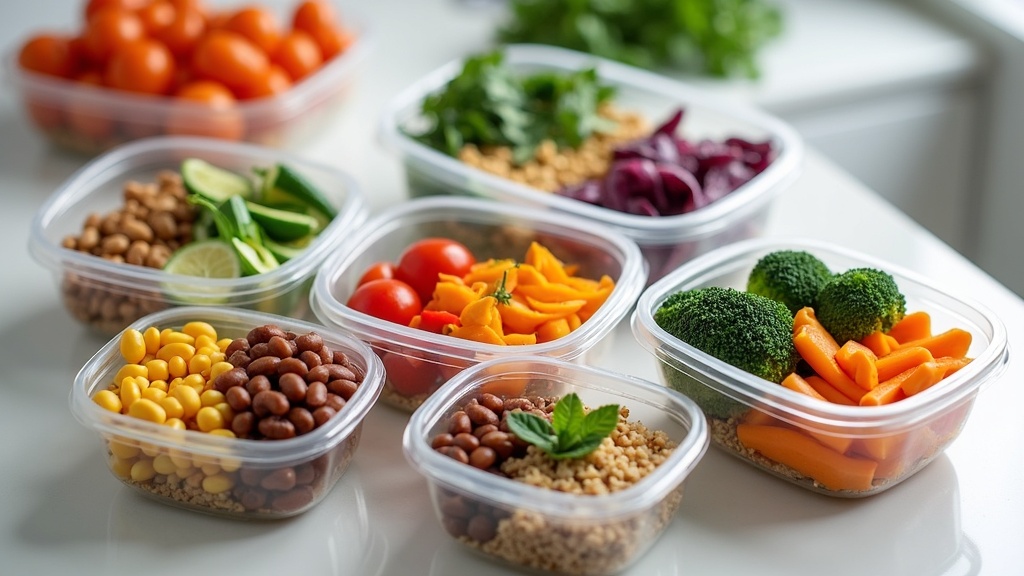
- Prep in Batches: Cooking grains (quinoa, brown rice, farro), roasting vegetables, and cooking up big batches of beans or lentils in advance saves time all week. Store in airtight containers for easy bowlbuilding later on.
- Prep Snack Options: Chop carrot sticks, portion out nuts, make little hummus tubs, or whip up some overnight oats jars. These come in handy when hunger hits between meals.
- PreMake Sauces & Dressings: Homemade tahini drizzle, basil pesto (try it dairyfree), or a zippy vinaigrette make plantbased bowls and salads a lot more interesting.
- Label Containers and Schedule Meals: Label what you’ve made (including dates) so you don’t lose track of what’s freshest. Plug your plan into your calendar so you know what’s up for each meal; less chance of takeout temptation that way.
- Monitor Portion Sizes & Balance: Even healthy meals can get skewed on portions. Divvy things up evenly, and try to get a mix of protein, carbs, and healthy fats in each serving. A scoop of beans, a heap of greens, some whole grains, and a drizzle of dressing is a simple formula I use a lot.
Stocking Your PlantBased Pantry
Having a stocked pantry always saves my week.
When I forget to plan or need to stretch a meal, a few solid basics keep things moving.
Here’s what I like to have on hand:
- Grains: Brown rice, quinoa, rolled oats, whole wheat pasta, and farro.
- Legumes: Canned or dried beans (black, kidney, chickpeas, lentils).
- Nuts & Seeds: Almonds, walnuts, chia, flaxseed, pumpkin seeds.
- Canned Goods: Diced tomatoes, coconut milk, corn, olives.
- Flavor builders: Soy sauce, nutritional yeast, vegetable broth cubes, hot sauce, salsa.
- Spices: Cumin, smoked paprika, oregano, garlic powder, turmeric; pretty much the basics.
- Frozen Produce: Berries, spinach, peas, edamame, broccoli (these are super useful for quick meals).
Easy PlantBased Meal Ideas For the Week
Not sure what to cook?
Here are some of my gotos when I’m mapping out a sevenday plan.
Feel free to mix, match, or swap depending on your tastes and what’s in season.
- Breakfast: Overnight oats soaked in almond milk with berries or tofu scramble with peppers and greens.
- Lunch: Big hearty salads with chickpeas, grain bowls with roasted veg and tahini, or veggie wraps with hummus.
- Dinner: Lentil soups, veggie stirfry with brown rice, sweet potato chili, or a big tray of roasted root veggies and tempeh.
- Snacks: Trail mix, apple slices with almond butter or cucumber and carrot sticks with homemade hummus.
Mixing things up means you’re less likely to get bored or give up halfway through the week.
Batch cooking on Sunday or early in the week helps a lot.
I usually spend around 90 minutes prepping big batches; tofu, roasted veggies, a soup, and a few sauces, and I’m set.
Also, rotating in different vegetables based on the season can make every week feel fresh and exciting.
For example, in summer, use zucchini and bell peppers, while in winter, hearty options like squash and sweet potatoes hit the spot.
Trying new grains like bulgur or barley can bring extra texture and nutrition to your bowls.
If you need recipe inspiration, there are plenty of free plantbased blogs and meal prep forums where you can track down new ideas for your list every week.
Common Challenges to Watch Out For
Like anything new, there are a few snags you might hit your first week.
I’ve bumped into these a bunch, so here’s how I keep things smooth:
- Protein Gaps: Plantbased doesn’t mean skipping protein. Include beans, lentils, tofu, tempeh, nuts, seeds, and whole grains to make meals filling.
- Missing Out on Nutrients: Sometimes key vitamins, like B12, iron, or omega3s, can slip by. Adding fortified foods, leafy greens, seeds, and talking to a dietitian can help you cover your bases.
- Time Crunch: If evenings get busy, stick to recipes that double as leftovers or focus on sheet pan meals and quick pressure cooker recipes.
- Flavor Fatigue: Plantbased isn’t bland, but seasoning and sauces make a difference. Don’t be shy with fresh herbs, spices, garlic, lemon, and a splash of hot sauce if that’s your thing.
Protein Gaps
Whenever I’ve let my meal prep slide, lunch or dinner can end up a little light on protein, and I end up feeling hungry two hours later.
Keeping tofu, beans, or lentils handy makes it easy to bulk up salads, soups, or sandwiches without too much work.
Rotating in different protein sources—for example, tempeh or edamame one day, a beanbased chili another—can keep things interesting and fill you up fast.
Missing Out on Nutrients
Getting enough iron, B12, calcium, or omega3s is super important on a plantbased diet.
Fortified plant milk, chia seeds, dark leafy greens, and walnuts are great options.
A quick chat with a healthcare professional about supplements can be a good idea too, just to make sure your bases are covered.
Remember, for calcium and B12, reading nutrition labels can help you spot the fortified foods that give you that extra edge.
And, tossing some ground flaxseed into oatmeal or smoothies is a bonus for omega3s.
Time Crunch
Batch prepping things like rice, beans, and veggies up front means your future self has meals just waiting to be assembled.
When I’m really pressed for time, I’ll load everything into a single bowl; grains, beans, veg, sauce, done.
Keeping frozen vegetables on hand makes it a breeze when you don’t have time to chop fresh produce.
Flavor Fatigue
The right combinations of herbs, spices, and bright sauces honestly make simple ingredients a whole lot more exciting.
If something’s feeling bland, adding a squeeze of lemon or a spoonful of salsa perks it up quick.
Pepper in global spice mixes like curry powder or za’atar for a new twist on old favorites.
Any of these bumps can happen, but a little planning and a stocked fridge definitely help sidestep the most common issues.
Tips for Effortless PlantBased Meal Prep
These are moves I use to keep things running smoothly every week:
Keep Ingredients Versatile:
Choose fresh produce and grains that work in several recipes.
Roasted sweet potatoes, steamed broccoli, chickpeas; easy to tuck into bowls, tacos, soups, or salads.
Invest in Good Containers:
A stash of glass or BPAfree plastic containers with tight lids simplifies everything.
This keeps prepped food fresh, and stops flavors from getting funky in the fridge.
Freeze Extras:
Leftover soups, chilis, and cooked grains freeze well.
Freeze in individual portions so you’ve got quick grabandgo lunches for busy days.
Switch Up Flavors:
Rotate the sauces and seasonings you use each week so your meals don’t get repetitive.
Peanut sauce, salsa verde, curry paste, and lemon juice are in heavy rotation for me.
Sometimes, tossing in a sprinkle of dukkah or nutritional yeast takes a simple bowl up a notch.
Plan for Flexibility:
Keeping a few ‘blank slate’ items like canned beans, frozen peas, or cooked rice means you can always whip something up fast if plans change midweek.
Frequently Asked Questions
Here are some questions I often get from folks just getting started with plantbased meal prep:
How much time should I set aside for meal prep each week?
Most beginners can get their main meal prep done in 12 hours, especially once you get your system down.
That usually covers prepping grains, roasting veg, and making a few batches of beans or tofu.
Depending on your schedule, you might want to split prep into two shorter blocks across the week.
Are there budgetfriendly ways to stick with plantbased meals?
Dry beans, lentils, whole grains, inseason produce, and bulk up on pantry staples like oats and rice to keep costs low.
Buying frozen veggies is also pretty handy and cuts down on waste.
Shopping at local markets and looking for storebrand basics can also save money.
Do I need any fancy equipment?
Nope. A big pot, a sharp knife, a baking sheet, and some sturdy meal containers are all you really need.
A blender is nice for sauces or soups, but not essential for beginners.
If you want to get advanced, a pressure cooker or air fryer can cut down cook times even more, but they’re totally optional.
Getting Started and Sticking With It
Plantbased meal prep is totally doable, even for busy beginners.
Mapping out meals, stocking your kitchen, and doing a chunk of the work upfront makes sticking to your goals way more realistic.
After a couple of weeks, the whole thing will feel a lot less like a project and more like a setitandforgetit routine.
Trying new recipes and keeping fun snacks around always helps when the novelty starts to wear off.
Stick with it and you’ll find both your kitchen and your meals can feel a whole lot brighter and more creative.
The more you prep, the easier it gets—and soon, you’ll be able to whip up healthy, plantbased meals without much effort or planning at all.
Plantbased living can be exciting, full of flavor, and surprisingly easy once you get your system rolling, so give it a shot and enjoy how great you’ll feel!