Baking classic plantbased European breads and pastries is a rewarding way to connect with food traditions while making them accessible to more people.
I enjoy the process of transforming staple recipes from the continent into delicious vegan options.
My kitchen fills with the familiar scents of yeast, grain, and caramelized crusts, and I get to share the results confidently knowing everyone can partake.
The Essentials: Getting Familiar with Plant-Based European Baking
Europe’s classic breads and pastries have centuries of history.
Many of these recipes rely on animal ingredients like butter, milk, and eggs.
When I bake plantbased versions, I focus on ingredients that keep the textures light and flavors full but fit all diets.
It helps to know a few key swaps.
Plantbased milks like soy or oat can stand in for dairy.
Vegan butter or neutralflavored oils help with richness and crumb structure.
Ground flaxseed mixed with water can sub for eggs in many doughs.
These choices let me keep things familiar, just a bit lighter and more inclusive.
For sourdoughs or rustic loaves, the ingredient lists are often already plantbased, which offers a great place to start.
Baking techniques matter too.
Giving dough enough time to rise, keeping temperatures right, and mastering simple shaping methods all help me get repeatable, delicious results even without traditional animal ingredients.
In fact, focusing more on kneading techniques and slow proofing routines can create loaves with intensified, next-level flavor and a satisfying crust.
European breads often depend on fermentation time, so don’t be afraid to give the dough more hours on the counter or in the fridge.
European Favorites: Plant-Based Breads to Master at Home
Plantbased breads highlight simple flavors and create nostalgia for many European kitchens.
Here are a few I bake often, along with some adjustments I find helpful.
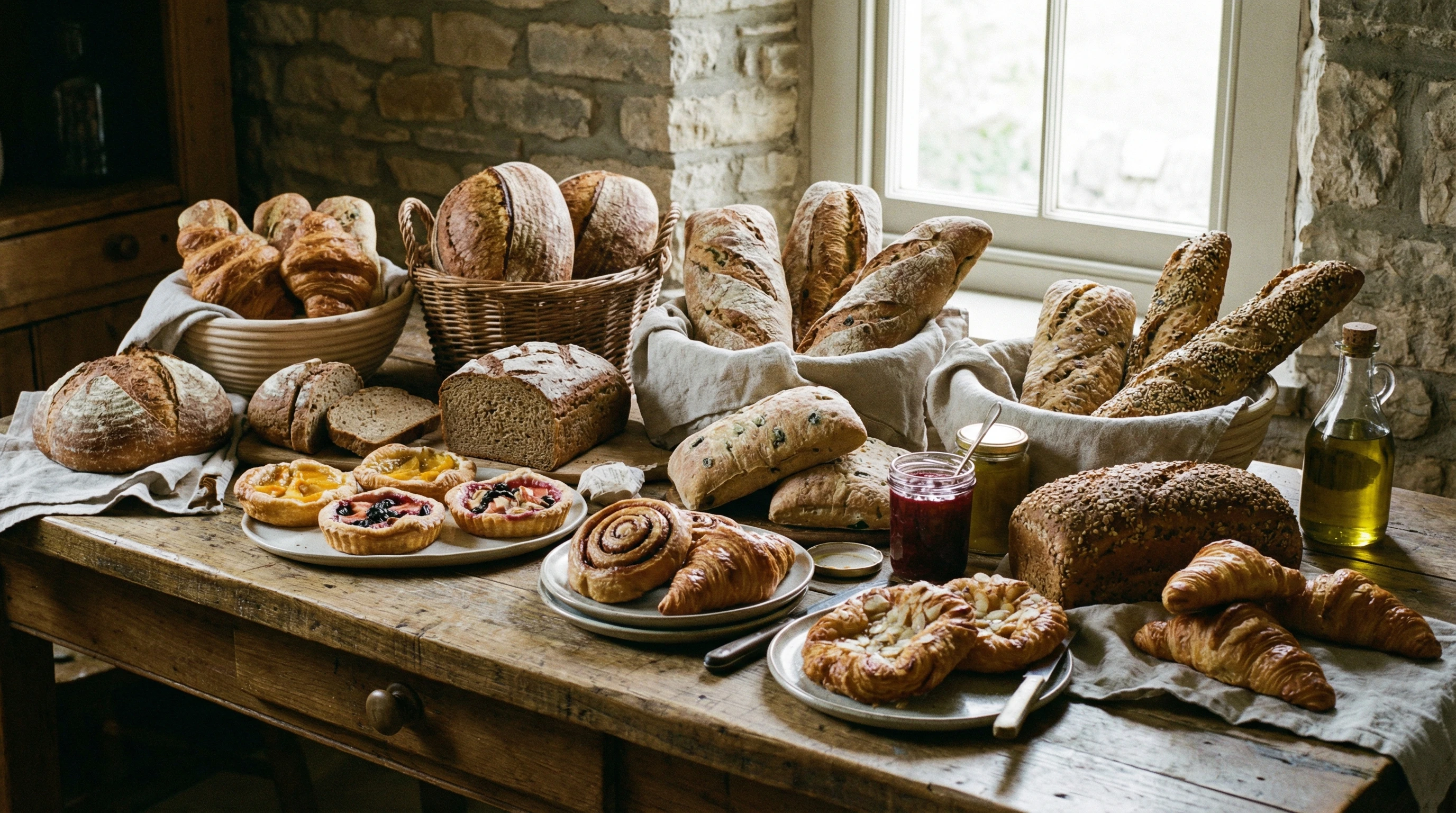
- Baguette: The classic French baguette is made of flour, water, yeast, and salt. It’s already plantbased. I prefer to use bread flour for extra chew and crisp crust. If I want a richer flavor, I use a poolish, which is a prefermented starter that adds depth.
- Sourdough Rye (Roggenbrot): German bakers cherish their rye. A plantbased sourdough starter, made simply from flour and water, ferments the dough. I sometimes add sunflower seeds or oats for extra nutrition and texture. Rye flour needs a longer ferment for the best flavor and digestibility.
- Ciabatta: Italian ciabatta is a soft, opencrumb loaf. The trick for me is keeping the dough super hydrated and handling it gently to retain the big air bubbles. I use olive oil for extra softness and flavor.
- Pumpernickel: Pumpernickel’s dark color comes from rye and extended baking, not animal products. I sometimes add coffee or unsweetened cocoa powder to deepen the color and taste, then let it bake low and slow for hours.
Most of these breads freeze well, so I often double the recipe and keep extra loaves on hand for busy mornings or quick lunches.
You’d be surprised how well flavors hold up after freezing, especially if you reheat them in the oven for a few minutes before serving.
Baking Plant-Based European Pastries
Pastries are where many bakers wonder if a vegan approach can still deliver on the flaky, buttery quality.
After lots of experimenting, I’ve found that good results are absolutely possible at home with the right ingredients and a little practice.
My favorite plantbased pastry alternatives include:
- Croissants: Vegan butter with at least 80% fat content works best. I chill my dough thoroughly, work quickly, and use strong flour. The process of folding and rolling the dough (called lamination) creates flakes and layers just like the originals.
- Viennese Apple Strudel: The dough itself is surprisingly simple. I swap out dairy with plantbased butter and use apples, raisins, nuts, and a little brown sugar for the filling. Brushing the rolled pastry with oil before baking helps get a golden finish.
- Danishes: I use the same buttery dough as croissants, folding in cinnamon or fruit fillings. After baking, a simple glaze made from powdered sugar and plant milk adds just the right touch.
- English Scones: These are quick to make. I blend vegan butter into flour, add plant milk and a squeeze of lemon juice, then mix in berries or dried fruit. They bake up tender and light.
I find that letting my doughs rest each step of the way, and chilling whenever possible, really helps build texture.
For sweet bakes, using a little almond or soy milk in the dough brings richness without heaviness.
Do not hesitate to experiment with fruit or nut variations; even a handful of chopped dried apricots can give a new twist to a familiar recipe.
Simple Ingredients That Make a Difference
Every plantbased baker I know has a set of go-to ingredients.
Here are mine:
- PlantBased Milks: Soy, oat, and almond are great for doughs, glazes, and enrichments.
- Vegan Butter: This is key for laminated pastries like croissants.
- Olive Oil or Coconut Oil: Both add moisture and softness.
- Flax or Chia Seeds: When mixed with water, these create a gellike texture that can mimic eggs.
- Tahini or Nut Butters: A spoonful lends richness to buns and soft breads.
- Active Dry Yeast: Reliable rise and flavor.
- HighQuality Flour: Good bread flour and whole grain options make a real impact on final texture.
Sticking to quality basics, I find that my breads and pastries taste fresh and satisfyingly complex without needing additives.
Even if you bake weekly or daily, these pantry staples deliver consistent results every time.
Try sourcing your flour from local mills for added flavor and freshness.
Bake Like a Pro: My Top Tips for Plant-Based Success
Switching to plantbased baking is about more than swapping ingredients.
Here are techniques that help me get the best results every time.
- Measure Carefully: Weighing ingredients keeps dough hydration and consistency just right.
- Patience During Proofing: Letting the dough rise fully is super important for texture. Some vegan doughs may take a little longer to rise, so I give them time.
- Use Steam for Crust: Adding a pan of hot water to the oven when baking bread helps create a shiny, crisp crust.
- Work Quickly with Pastry Dough: Keeping vegan butter cold and handling the dough minimally produces flakes instead of heaviness.
- Preheat the Oven Fully: This ensures my breads spring up right away and builds good crust and color.
Trying a recipe a couple of times, tweaking hydration or shaping methods, and keeping notes helps me improve each bake.
I also suggest using what’s local and seasonal for fillings, which keeps flavors interesting and fresh.
Don’t be afraid to add roasted seeds, grains, or dried fruit to your loaves; these additions bring texture and even visual appeal, making each bake stand out.
Choosing your own plantbased toppings and experimenting with crust finishes (think sesame or poppy seeds) lets you personalize every batch.
Real-World Experiences: Mistakes I’ve Made and How I Fixed Them
I’ve had my share of plantbased baking fails.
Early on, my croissants melted into puddles because I let the dough get too warm.
Now, I rotate my trays, chill the dough between folds, and never rush.
Dense breads sometimes mean I used too much whole wheat flour without enough hydration, so I started increasing the water gradually and watching the dough feel in my hands.
I once tried glazing sweet buns with only plant milk, but they ended up looking dull.
A little maple syrup in the glaze fixed that for shine and taste.
If bakes are bland, a pinch more salt or a drizzle of olive oil before baking can lift flavor without animal products.
Each adjustment has made my baking better and more reliable.
Learning from these small hiccups is all part of the adventure and will make your next bake even more eye-catching and tasty.
Frequently Asked Questions
People often ask me about details and troubleshooting for plantbased European breads and pastries.
Here are a few of the most regular questions I hear.
Question: Can I make French and Italian breads without eggs and dairy?
Answer:
Most traditional French and Italian hearth breads like baguettes and ciabatta are already egg and dairyfree.
For enriched breads, I use substitutions like plantbased butter, milk, and flax eggs.
Question: How do I keep pastries light and flaky without butter?
Answer:
I use vegan butter with a high fat content and keep it very cold.
Working quickly and chilling the dough helps layer the fat for light, flaky pastries.
Question: What plantbased ingredient can I use to replace eggs in sweet doughs?
Answer:
Flaxseed or chia mixed with water creates a good egg replacer for binding.
For extra lift, aquafaba (chickpea liquid) can also work for some rolls and cakes.
Question: Why did my vegan bread turn out dense?
Answer:
This usually means the dough didn’t rise enough.
I check the yeast is active, give the dough plenty of time in a warm spot, and ensure I’m not overworking it before proofing.
Start Baking. Bring a Bit of Europe to Your Kitchen
Baking classic plantbased European breads and pastries is a great way to enjoy old favorites and add a little creativity to daily meals.
I find these recipes create wonderful gatherings and help build new traditions around the table.
Seasoned bakers and newcomers alike can find new inspiration in these plantbased approaches, and your home will smell amazing in the process.
If you’re curious to try, start with a rustic country loaf or classic scones, and experiment from there.
Every bake is a chance to learn and share something special.
The ride of plantbased baking is full of twists—each batch brings new lessons, eye-catching flavors, and reasons to keep baking.
So turn up your oven, gather your ingredients, and let your kitchen become a bakery inspired by European classics made for everyone.