Plantbased protein options have really caught on, whether you’re building muscle on a vegan diet or just want to eat a bit healthier.
Finding good sources of plant protein can feel a little overwhelming with all the choices out there.
So, I pulled together insights from nutrition pros and added a bunch of firsthand experience with different foods to help make picking your protein sources a lot simpler.
Why Choose Plantbased Protein?
Adding plantbased protein to your meals is a smart move for more than just vegans and vegetarians.
These proteins support overall health, fit into different diets, and bring some variety to your plate.
Plant options often come loaded with fiber, vitamins, and minerals, while having less saturated fat than most animalbased choices.
According to the Academy of Nutrition and Dietetics, a wellplanned plantbased diet offers all the protein you need for muscle, metabolism, and daily energy.
Many experts, like registered dietitian Kristin Kirkpatrick, point out that plant proteins also provide phytonutrients that can reduce inflammation and support your gut.
If you’re thinking about making a plantbased switch, keep in mind that variety is really important for covering all your essential amino acids.
Eating a range of beans, grains, nuts, and seeds across the week gives your diet a steady boost of nutrients and keeps meals from getting repetitive.
Top Plantbased Protein Sources to Try
When it comes to packing in plant protein, some standouts are worth keeping stocked in your kitchen.
Each food comes with its own perks, so I like mixing different sources depending on my meals.
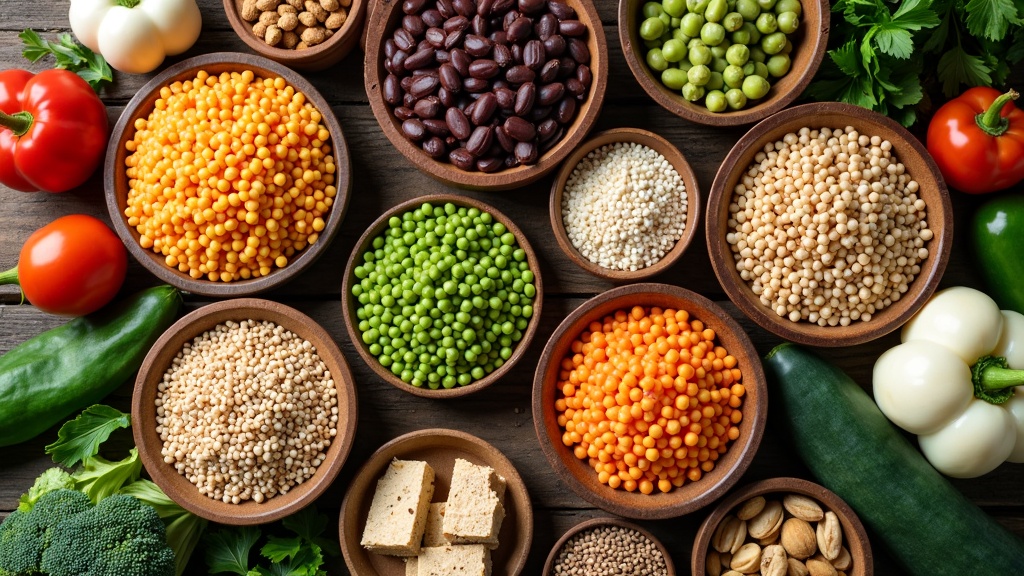
- Lentils: Lentils are super versatile and pack around 18 grams of protein per cooked cup. They’re easy to throw into soups, stews, and salads. Lentils also give you a good dose of iron and fiber, making them a goto for anyone easing into plantbased eating.
- Chickpeas: Chickpeas, or garbanzo beans, deliver about 15 grams of protein per cup. They taste great in hummus or roasted for a crunchy snack. Plus, they’re high in folate and manganese.
- Quinoa: This glutenfree grain brings in about 8 grams of protein per cooked cup and is a complete protein, which means it gives you all the essential amino acids in one shot. It cooks up fast and pairs well with veggies, stirfries, or as a breakfast base with fruit and nuts.
- Tofu and Tempeh: Soybased proteins are crowd favorites, especially in plantbased kitchens. Tofu has roughly 10 grams of protein per halfcup, and tempeh goes even higher at 16 grams in the same serving size. I use tofu in smoothies or scrambles, while tempeh brings a nutty flavor I like grilled or sautéed.
- Black Beans: Black beans have about 15 grams of protein per cooked cup. They show up a lot in burritos, chilis, or just tossed into salads. These beans are also packed with fiber and support healthy digestion.
- Edamame: Boiled soybeans serve up 17 grams of protein per cup. They’re a super handy snack or can be added to grain bowls for a protein kick.
- Peas: Green peas offer about 9 grams per cup and work well in everything from pasta to soups or even smashed on toast.
- Nuts and Seeds: Almonds, peanuts, chia seeds, hemp seeds, and sunflower seeds all have 5–9 grams of protein per serving. I usually toss them in oatmeal, smoothies, or yogurt bowls. Hemp seeds, in particular, are a complete protein and blend easily into just about anything.
When you look for portable protein snacks, nut butters like almond or peanut butter also fit the bill.
Smear them on toast or apple slices for something quick and satisfying.
Plus, seeds like pumpkin or flax can be sprinkled on salads, soups, or cereals to bump up the protein, fiber, and healthy fat count.
Understanding Amino Acids and Complete Proteins
One of the top questions I hear: “Don’t you need animal proteins for complete amino acids?”
The truth is, you can get all the essential amino acids from plants;
sometimes you just need to combine different foods throughout the day.
This is called complementary protein pairing.
Beans and rice, for example, each miss a few essential amino acids.
But together, they cover what your body needs.
Other combos, like hummus and pita or peanut butter on whole wheat bread, work the same way.
Some plant sources, like quinoa, buckwheat, hemp, and soy, actually offer complete proteins on their own, making them really handy for people just getting started on plantbased diets.
Another good practice is to rotate your go-to protein staples.
Today it might be lentils and brown rice, tomorrow tofu and barley, then black beans and corn—mixing them around means you’re less likely to miss out on the whole spectrum of essential amino acids.
And since most meals naturally have at least two or three plant protein sources, you don’t need to worry about careful combinations every single time you eat.
How Dietitians Choose the Best Plant Proteins
Nutrition experts look for a few things when recommending plant proteins:
- Protein density: How much protein you get per serving. Foods like tempeh, edamame, and lentils often top the list for their punch per bite.
- Digestibility: Some foods, like lentils or tofu, are easier on the stomach than others. Soaking or sprouting beans and grains can also help you digest them better.
- Nutrient bonus: The best plant proteins give you more than just protein. They’re often loaded with fiber, iron, magnesium, and other good stuff. For example, chickpeas bring both protein and a potassium boost, while sunflower seeds deliver vitamin E and zinc, along with protein.
Registered dietitian Sharon Palmer recommends rotating protein sources every few days to keep your meals interesting and wellbalanced.
She also says that variety helps you get a wide mix of vitamins, minerals, and amino acids.
Another tip is to check food labels—some packaged snacks and plantbased burgers offer plenty of protein but may also contain lots of sodium, oils, or added sugars.
Whole food plant proteins are usually a safer bet nutritionally and are more likely to give you the full package of health benefits.
Expert Roundup: Favorite Plantbased Proteins and Quick Tips
Nutrition pros and plantbased athletes share some practical advice and favorite picks:
- Jack Norris, Registered Dietitian (VeganHealth.org): Recommends lentils and soy foods for their protein and mineral content. He also mentions fortified plant milks as an easy way to sneak in extra protein and calcium.
- Julieanna Hever, PlantBased Dietitian: Likes adding tempeh to salads and stirfries for a proteinrich crunch. She points out that beans and greens together pack a double punch of protein and micronutrients.
- Matt Frazier, Author and Endurance Athlete: Swears by mixing hemp protein, pea protein, and almond butter into morning smoothies for a super-filling breakfast.
Some quick pointers from these experts:
- Try batch cooking beans and grains to have easy addins all week.
- Keep your pantry stocked with canned beans, dry lentils, and shelfstable tofu for convenience.
- Aim to get protein from three or more different plant foods per day.
- For quick snacks, roasted chickpeas or trail mix with seeds and nuts are hard to beat.
Don’t forget about flavor.
Mixing flavors and adding herbs or spices to plant proteins—like cumin with lentils or smoked paprika on chickpeas—can take them from bland to craveworthy.
Exploring new recipes with different spices helps keep your meals interesting and can make plantbased proteins the stars of any dish.
Common Challenges and How to Overcome Them
Getting enough plantbased protein daily can seem tricky at first, especially if you’re new to vegan or vegetarian eating.
Here are some common issues and tips I’ve picked up along the way:
- Feeling Full: Plant foods like beans and nuts are rich in fiber, which keeps you fuller longer. Spreading protein sources throughout the day (at every meal and snack) helps maintain steady energy and curbs hunger.
- Digestive Discomfort: Sudden increases in beans, lentils, or high fiber foods can lead to bloating for a few people. Rinsing canned beans, soaking dried ones, and slowly adding fiber over a few weeks can help make things more comfortable.
- Limited Complete Proteins: Eat a mix of grains, legumes, and seeds (like rice and beans, or toast with nut butter) through the day to meet all your amino acid needs.
- Busy Schedules: Prepping a large batch of lentils, beans, or quinoa at the start of the week means you can toss them into meals or snacks quickly, even when life gets hectic.
RealWorld Meal Ideas for Adding Plant Protein
- Breakfast: Oatmeal made with soy milk, chia seeds, and a scoop of peanut butter. Add sliced banana and a sprinkle of hemp seeds for extra staying power and a great texture.
- Lunch: Lentil and quinoa salad with mixed greens, diced veggies, and pumpkin seeds. A drizzle of lemon tahini dressing brings it all together.
- Snack: Roasted chickpeas or edamame pods, and trail mix with almonds and sunflower seeds. Energy bars made from nut butters and dates also pack a nice whack of protein for onthego fueling.
- Dinner: Brown rice stirfried with tofu, broccoli, carrots, and a tamari sauce. Top with sesame seeds for crunch.
- Quick dessert: Chia pudding blended with almond milk and topped with berries.
You can also build a plantbased taco night with black beans, corn, avocado, and salsa on whole wheat tortillas.
Burrito bowls layered with beans, brown rice, greens, and roasted veggies cover all your protein bases and allow for endless topping combinations.
Frequently Asked Questions
Here are a few questions I get a lot about plantbased protein sources:
Question: Can you meet your protein needs on a plantbased diet?
Answer:
Absolutely.
With a variety of beans, grains, soy, nuts, and seeds, it’s pretty straightforward to reach your protein goals.
Tracking your intake for a few days through an app can help if you’re worried.
Question: What are the highest singleserving protein foods?
Answer:
Tempeh, seitan, lentils, soybeans (edamame), and black beans all rank high on the list for protein per serving.
Question: Is plant protein as good as animal protein?
Answer:
For most people, mixing different plant foods over the course of a day provides everything your body needs.
Some athletes choose certain plant proteins (like pea or soy) for muscle recovery, as they’re pretty close to animal sources in the amino profile.
Question: Will switching to plantbased protein make me feel less energetic?
Answer:
Not at all.
As long as you’re eating enough calories and including a variety of plant proteins and whole foods, your energy levels will stay steady and may even improve due to the added fiber and micronutrients.
Many people say they feel lighter and more energized after including more plantbased meals in their routine.
Takeaway Tips for Choosing the Best Plantbased Proteins
Peeking at food labels and trying new foods keeps meals interesting and helps you track down new favorites.
Relying on a mix of legumes, grains, nuts, and seeds is usually the easiest approach.
If you’re just starting out, setting up a weekly meal plan with a couple of new plant proteins is a fun way to experiment while meeting your protein goals.
Exploring local stores or farmers’ markets for bulk beans, tofu, and specialty grains can spark new recipe ideas.
Investing in a few food containers makes it easy to meal prep and have plant proteins at the ready all week.
Keep an eye out for seasonal produce to pair with basic proteins; it can really freshen up your meals and keep things exciting.
Bottom line: With a little planning and a taste for adventure in the kitchen, getting enough plantbased protein is totally doable and seriously tasty.
Add some creativity, switch up your proteins often, and you’ll always have nutritious, filling meals to look forward to.