Switching to a plantbased diet can really make a difference when it comes to natural energy levels.
Lots of people—including me—find themselves tired or drained during the day, and food choices often play a big role.
By focusing on plant foods packed with the right nutrients, I’ve noticed a direct boost in how energetic I feel.
Here, I’m sharing what I’ve learned about fueling your day with plants, plus some practical ways to work more of them into your routine.
Why a PlantBased Diet Supports Better Energy
Plantbased diets seem to offer a steady source of energy instead of those dramatic ups and downs that are common with highsugar or processed foods.
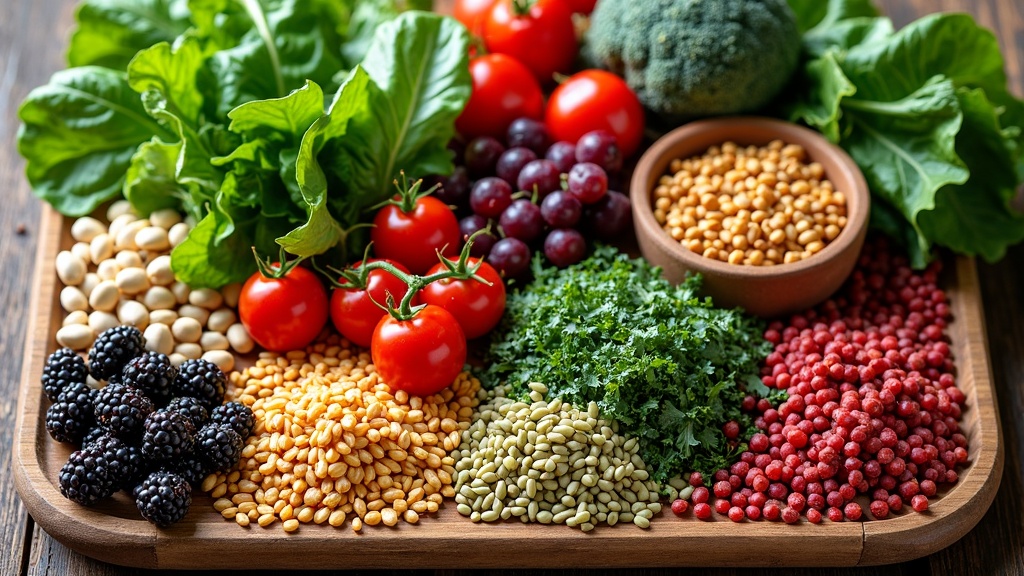
One key reason is the emphasis on whole, highfiber foods like fruits, vegetables, whole grains, seeds, and legumes.
These ingredients provide slow digesting carbs and essential nutrients that help your body maintain stable energy all day.
Research published in journals like Nutrients and Frontiers in Nutrition points to plantheavy diets being linked to better stamina and reduced feelings of fatigue.
Plants provide a natural mix of vitamins, minerals, and antioxidants, which do a lot to combat stress and keep cells working at their best.
On top of that, plant food is packed with polyphenols and phytochemicals that are pretty handy for fighting off oxidative stress.
That means your body spends less effort dealing with cell damage and more time focusing on tasks that keep you energized and sharp.
Getting Started: Key Nutrients for PlantBased Energy
While a plantbased diet is pretty straightforward, getting the most energy out of your meals means paying attention to a few important nutrients. Here’s what I focus on:
- Complex Carbohydrates: Foods like oats, brown rice, sweet potatoes, lentils, and beans break down slowly, give you that steady fuel, and help avoid those afternoon slumps.
- B Vitamins: Leafy greens, whole grains, legumes, and seeds are rich sources. B vitamins play a big part in turning food into usable energy.
- Iron: Lentils, spinach, tofu, and quinoa are plantbased iron sources. Eating vitamin Crich foods at the same meal (like oranges, bell peppers, or strawberries) helps your body absorb it better.
- Magnesium & Potassium: Bananas, avocados, black beans, and nuts help muscles recover and can ward off feelings of exhaustion.
- Healthy Fats: Avocados, nuts, seeds, and olive oil aren’t energy foods like carbs, but they do help sustain you between meals and help with vitamin absorption.
Making sure you get enough of these nutrients keeps your battery charged all day.
Simple Steps for Boosting Energy on a PlantBased Diet
- Include ProteinRich Plants in Every Meal: Beans, lentils, tofu, tempeh, and chickpeas are great sources. A protein boost helps you stay fuller and supports muscles, which is pretty handy when energy is a big focus for the day.
- Eat Lots of Leafy Greens and Colorful Veggies: These give you iron, B vitamins, magnesium, and fiber. Adding spinach, kale, or arugula to smoothies and salads is an effortless way to step up your nutrient game.
- Snack Intentionally: I keep snacks like roasted chickpeas, mixed seeds, fruit, and nut butter nearby. Avoiding sugary, processed snacks keeps those energy crashes away.
- Stay Hydrated: Drinking enough water is really important. Sometimes I realize what feels like low energy is actually just mild dehydration.
- Plan for Balanced Meals: When you assemble a bowl or plate, aim for a balance of complex carbs (like brown rice or quinoa), a protein (such as black beans), healthy fats (avocado or nuts), and a variety of veggies. Building meals this way helps with steady energy release.
Challenges and How to Overcome Them
- Initial Fatigue: If you’re just switching to a plantbased diet, it’s common to feel a bit off while your body adapts, especially if you were eating lots of quick digesting carbs before. Gradually increasing fiber and water helps things go smoother.
- Iron and B12: Plantbased iron sources aren’t as easy to absorb as those from meat, and vitamin B12 isn’t naturally found in plant foods. I make a point to eat ironrich foods with vitamin C, and I take a B12 supplement (as recommended by most plantbased doctors). The Academy of Nutrition and Dietetics says this approach is pretty effective for longterm health and energy.
- Meal Boredom: Eating the same foods every day can zap excitement and sometimes, motivation. I switch up recipes, try new grains and beans, or test different flavor profiles to keep things interesting and prevent “food fatigue.”
- Eating Out or Social Events: Plant options aren’t always obvious in social situations. I scan menus ahead of time or bring something small like a snack bar, which helps me avoid settling for processed choices that lower my energy afterward.
Iron and B12: Getting It Right
Missing out on iron or B12 can lead to tiredness, headaches, and even brain fog.
Iron from beans, spinach, lentils, and tofu is easier for your body to use when eaten with vitamin Crich foods.
I often toss bell peppers in my bean salads or squeeze fresh lemon over sauteed greens for this reason.
For B12, a supplement is usually best. This is one of those things even dedicated vegans can’t do without, since plants don’t naturally make B12.
Protein Balance
Sometimes folks wonder if they’ll get enough protein without animal products.
I’ve found there are loads of highprotein plants—think edamame, pumpkin seeds, tempeh, and seitan.
Even peas pack a decent protein punch compared to most grains.
Rotating these throughout the week keeps my muscles and my energy humming along.
Managing Stress & Sleep: The Overlooked Energy Boosters
No one can stay energized with poor sleep or chronic stress, plantbased or not.
Plants won’t fix a sleep schedule, but some nutrients can help.
Foods like oats, nuts, bananas, and herbal teas may support rest because they contain magnesium and tryptophan, which support calmness and good sleep.
Managing stress with activities like exercise, fresh air, and downtime also helps support all the work your plantbased meals are doing for you.
In fact, adding relaxation techniques like mindfulness or gentle yoga to your daily routine can bring an extra sense of balance that supports steady energy.
If you notice stress creeping in or sleep suffering, try prioritizing calming plantbased foods at dinner and unplugging from screens before bed, giving your body and mind a chance to really recharge.
Sample Day of Eating for AllDay Energy
Looking for practical ideas? Here’s a typical day that packs steady energy from morning to night:
- Breakfast: Overnight oats with chia seeds, almond butter, blueberries, and a sprinkle of pumpkin seeds
- Midmorning snack: A banana and a handful of walnuts
- Lunch: Chickpea salad wrap with mixed greens, shredded carrots, and tahini drizzle
- Afternoon snack: Veggie sticks with hummus
- Dinner: Stirfried tofu with brown rice, broccoli, bell pepper, and snap peas tossed with ginger and garlic
Each meal and snack mixes carbs, plant protein, and healthy fats for longlasting fuel.
Swapping things around or adding your favorite veggies or grains works just as well.
If you’re active or need extra calories, add a smoothie with spinach, plant protein powder, and berries, or grab a rice cake with nut butter as an extra snack.
Frequently Asked Questions
Question: Will switching to a plantbased diet leave me feeling tired at first?
Answer:
Some people feel a little lower in energy as their body adjusts, but this usually passes within a week or two.
Make sure you’re eating enough total calories, drinking water, and including a mix of protein, healthy fats, and slow burning carbs at each meal.
Question: What about getting enough protein for energy on a plantbased diet?
Answer:
Plenty of plant foods are packed with protein. Beans, lentils, tofu, tempeh, seeds, nuts, and whole grains all help.
Spreading your protein choices throughout the day helps your body keep up with energy and muscle maintenance.
Question: Are there easy swaps to start adding more plant energy to my day?
Answer:
For sure. Swapping white bread for whole grain, dairy milk for a fortified plant milk, or traditional burgers for black bean patties makes a quick impact.
Slicing fruit over cereal and tossing seeds into salads or oatmeal are simple boosts.
Making PlantBased Eating Part of Your Routine
Moving to a plantbased lifestyle doesn’t need to be complicated or intimidating.
Start small, maybe a meatless lunch or one veggiepacked dinner per week.
Keeping frozen veggies, whole grains, and canned beans on hand saves time.
Over time, building meals with a mix of grains, legumes, nuts, and greens can help you feel more energetic without relying on caffeine or processed sugar for a pickmeup.
With enough variety and a bit of planning, plantbased eating can be an enjoyable way to power through busy days.
The steady energy, extra fiber, and all those vitamins go a long way toward making every day feel a lot more lively.
If you find your interest waning or energy dipping, try out a new recipe, introduce a new vegetable or grain, or connect with others who follow a plantbased diet for inspiration and motivation.
Over the weeks, these small practices can help you turn plantbased eating into a habit that truly gives your energy a boost and supports your well being.
Great reminder of just how great a plant based diet can be and how it can help us with our general health and energy levels. However when eating strictly plant foods only, one has to be mindful that you don’t skimp on your iron and protein. Sometimes it isn’t very appetizing to eat loads of spinach or tofu, so one has to make sure that you maintain a good balance as well as keep it interesting so that you can maintain this type of diet long term.
It also takes a bit of extra work to plan your meals and snacks, but the vitality and health you get long term is well worth it.
I totally relate to these challenges! The initial fatigue was definitely real for me when I switched to plant-based—gradually upping fiber and water really helped. I also struggled with iron and B12 at first, so combining iron-rich foods with vitamin C and taking a B12 supplement made a big difference. Meal boredom can be tricky, but trying new recipes and flavors keeps things fresh. And your tip about prepping for social events is smart—I’ve found the same, planning ahead helps me stick to my goals without feeling left out. Overall, great practical advice!
Being that I just found out I have an Auto-Immune disease that is mostly controlled by diet, high in plant protiens and fiber, I found this blog timely.
My wife is, and has been, big on the proper protein balance in the diet. Red meats went away long ago. And B12, B3 and Iron a were also recommended for the Auto-immune issue.
Thanks for the timely article, I showed it to my wife and she enjoyed it also.
The article “Boosting Energy Levels With A Plant-Based Diet” provides a clear and practical guide for those interested in improving their energy through dietary changes. It does an excellent job of explaining the nutritional science behind why a plant-based diet can be energizing, detailing the roles of key nutrients like complex carbs, B vitamins, and antioxidants. The inclusion of a sample one-day meal plan and a section on common challenges makes the advice highly actionable and realistic for a reader considering this change.
This was such a helpful read, thank you!
I’ve been trying to find healthier alternatives to boost my energy, and shifting toward more plant-based foods sounds really doable. My biggest challenge has always been staying full and avoiding those mid-afternoon crashes, but I love how you mentioned fiber-rich foods and B-vitamin sources. It makes me realize I probably just need to be more intentional with meal planning. The tip about whole grains, legumes, and leafy greens is something I’ll definitely try to focus on.
Have you found any simple plant-based snacks that help keep energy steady? That’s one area I still struggle with, especially when I’m on the go.