
Home gardening has become a regular hobby for many people, and I’ve found it offers more than just the joy of fresh tomatoes or blooming flowers.
Growing plants at home plays a real role in helping me feel calmer, more positive, and more focused.
Science backs this up, showing how tending to a garden helps reduce stress and support mental wellbeing.
I’m going to share what makes home gardening such a great choice for mental health, how you can get started, and a few practical tips to keep your garden and your mind flourishing.
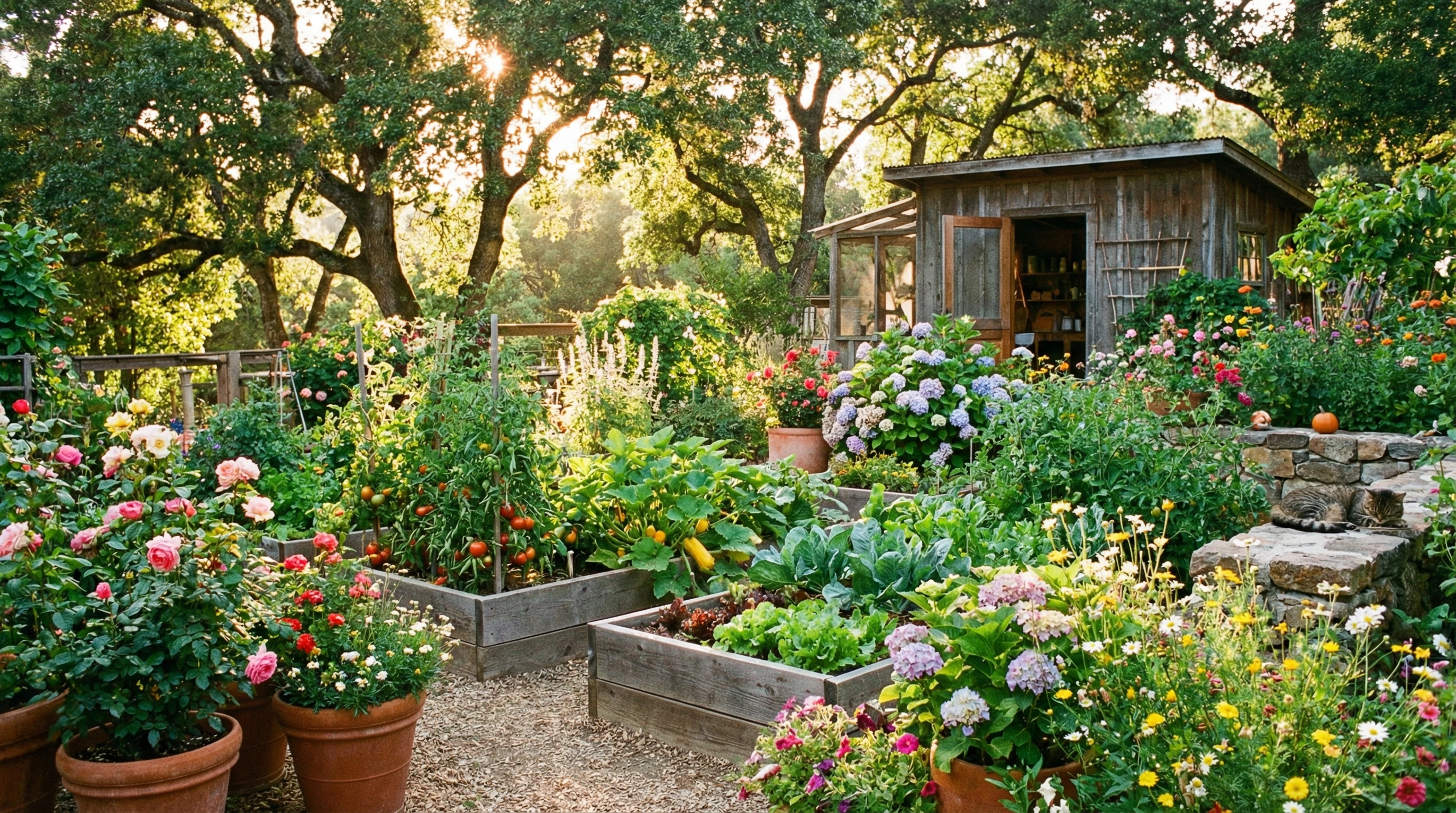
How Home Gardening Lifts Mood and Eases Stress
Home gardening brings small but steady changes in how I feel every day.
The simple act of watering plants, watching seeds sprout, or caring for a patch of soil connects me with something steady and rewarding.
Research from the Journal of Health Psychology shows that just spending time gardening can lower levels of cortisol, a hormone tied to stress (source).
This means the process of gardening has a real, physical effect on stress levels.
As someone who sometimes feels overwhelmed by work or personal challenges, I’ve found having a regular gardening routine helps break tense cycles.
Focusing on plant care takes my mind off worries for a while, letting me reset my thoughts and unwind in a healthy way.
Many psychological studies now talk about the benefits of time spent with living things.
Watching plants grow, noticing the changes each day, and having a living space filled with green color all add up.
The sense of responsibility for plants and the rewards I feel as they flourish also fuel a greater feeling of accomplishment.
For me, this is especially noticeable after a tough week when tending to my plants instantly brings me back into the present moment.
Plus, there’s something about caring for life that nudges me to be more patient and mindful beyond the garden itself.
Starting a Home Garden: What You Need to Know
You don’t need to be an expert to start a home garden that supports mental wellbeing.
I began with a couple of small herb pots on my kitchen windowsill and added more plants once I saw how much joy they brought.
The key is to start simple and choose plants suited to your available space and the amount of time you want to commit.
- Sunlight: Plants need sunlight to thrive. I always look for spots in my home or on my balcony that get at least a few hours of direct or filtered sunlight a day.
- Soil and Containers: Good quality potting soil and the right containers help small gardens do well indoors. Drainage is really important. Choose pots with holes or add small stones at the bottom to avoid waterlogging.
- Plant Choice: Picking plants that match my lifestyle keeps the hobby enjoyable instead of stressful. Hardy herbs like mint, basil, or rosemary, and easy to grow flowers like marigolds are a great place to start.
Gardening doesn’t require a backyard.
Windowsills, balconies, and even tabletops can hold healthy potted plants.
I remind myself to start with just a handful, add more slowly, and learn as I go.
Quick Guide: Simple Steps to Begin Home Gardening for Mental Wellness
Starting a home garden to support mental health doesn’t take a lot of effort.
Here’s the approach I’ve found works best:
- Pick the Right Plants: Choose a few that appeal to you and are known to thrive in your climate and lighting situation. For example, succulents work well with low attention, while herbs reward you with fresh flavors.
- Set Up Your Space: Decide where you’ll place your plants, ideally near a window. Clean the area and set up your containers.
- Get Good Supplies: Simple tools, quality soil, and watering cans (or even a recycled bottle) are all you need.
- Follow a Routine: I set a regular time, even just ten minutes daily, to check on my plants, water them, and remove dead leaves. This routine creates a peaceful habit, anchoring my day.
- Celebrate Growth: Notice small changes, like a new leaf or a first flower. Taking a photo diary can help keep track of progress and boost a sense of achievement.
By sticking with small steps, starting feels less overwhelming and the benefits feel more immediate.
Even when busy, I still get a sense of calm from a few minutes’ attention to my plants.
If you are feeling ambitious, you can gradually add vegetables, fruit, or new flower varieties as your confidence grows.
What to Think About Before Committing to Home Gardening
Home gardening can be relaxing, but I’ve noticed a few points to keep in mind so that it remains enjoyable.
Planning ahead and being honest about your time and resources helps avoid disappointment.
Ask yourself how much sunlight your home gets, whether pets or children might disturb plants, or what kind of maintenance you’re interested in sticking with over the long run.
- Patience with Results: Not every seed will sprout and sometimes plants might wilt or not flower at all. I try to accept setbacks and see them as chances to learn rather than reasons to give up.
- Dealing with Pests: Small insects or mold can sometimes threaten plants. Regularly checking leaves and using natural remedies or careful watering helps prevent problems.
- Managing Time: Overcommitting leads to more stress. I always start small and grow my garden as I grow in confidence.
- Seasonal Changes: Plants need different care as seasons change. I pay attention to temperature, humidity, and available sunlight, adjusting plant placement as needed.
Patience Makes Progress
I used to feel frustrated when something didn’t bloom right away.
Over time, accepting that growth takes time became part of what makes gardening calming.
Plants move at their own pace, and being patient is part of the reward.
The process encourages me to slow down and appreciate perseverance and growth, even if it’s gradual.
Problem Solving: Pests and Disease
Sometimes I spot pests or fungus, especially if moisture collects on leaves or soil.
Removing affected leaves, spacing plants for more air flow, and using simple treatments like diluted soap spray help keep things under control.
Reading up on the needs of each plant reduces future surprises and makes me more prepared the next time a problem comes up.
Scheduling and Routine
Setting aside specific moments for plant care stops it from feeling like a chore.
I find watering in the early morning or after work helps me switch gears mentally, making the process feel like a mini-break from the day’s demands.
Responding to the Seasons
In winter, my plants slow down and need less water and food.
Moving delicate pots away from cold windows also saves them from drafts.
I make a habit of checking care tips for my specific plants as seasons change, which keeps my garden as healthy as possible throughout the year.
Remember, gardening is not about perfection but about enjoying each step.
Paying attention and accepting both wins and losses helps keep the process gentle and fun.
Letting go of the need to control everything has made gardening more rewarding for me personally.
Helpful Habits and Techniques for Maximum Wellbeing
Once I got basic routines down, I found new ways to get even more from my garden.
These extra habits deepened my enjoyment and connection with my plants, building resilience and calm.
Practice Mindfulness:
Focusing completely on repotting, trimming, or watering helps center my thoughts.
I pay attention to textures, colors, and even the smells of soil and leaves without distractions like music or podcasts.
This quiet focus works almost like meditation for me.
Keep a Gardening Journal:
Writing a couple of sentences about what’s happening in my garden—new blooms, a wilted leaf, an especially sunny day—helps me notice trends and reflect.
A journal encourages gratitude for small wins and lets me spot patterns that might need attention.
It also becomes a fun record to look back on, showing how much your garden (and you) have grown over time.
Connect with Others:
Sharing photos or tips with friends, or joining a local gardening group, offers support and new ideas.
Even neighbors walking by tend to smile when they see my garden progress, and sometimes swap cuttings or seeds.
These small social interactions can give a boost to your confidence and create a sense of community that lifts your spirits even more.
Adding these habits turns gardening from a simple task into a meaningful part of my daily routine.
I see lasting benefits in my mood and general sense of wellbeing.
Gardening can easily blend into your lifestyle, and the more comfortable you get, the more you can experiment with adding new plants or techniques.
Recommended Tools and Supplies for Home Gardening
Getting the right tools helps make home gardening easier and more rewarding.
I recommend a few basics for anyone just starting out:
- Watering Can or Spray Bottle: Helps control the amount of water, especially for delicate seedlings or leaves.
- Hand Trowel and Small Clippers: Perfect for moving soil, planting, or pruning dead leaves and stems.
- Quality Potting Mix: Good soil makes a big difference in plant health and growth.
- Plant Supports: Simple stakes or sticks keep fragile plants upright as they grow.
In my experience, avoiding overcomplicated equipment makes the hobby more enjoyable.
As my garden grew, I added more specialized supplies, but starting small and practical kept the stress low.
As your interest expands, you can try adding things like compost bins, humidity trays, or different seeds for variety.
Frequently Asked Questions
I’ve answered some common questions about home gardening and mental wellbeing.
Question: Is gardening helpful for people dealing with anxiety or depression?
Answer:
Yes, many studies show gardening reduces stress and eases symptoms of anxiety and depression.
The act of nurturing something alive and the sense of accomplishment can be especially comforting.
Still, it’s important to seek professional support for ongoing mental health needs.
Question: What if I have no outdoor space?
Answer:
You can grow many plants indoors.
Windowsills, kitchens, or even bathrooms can support potted greens.
Houseplants like pothos, snake plant, or spider plant are easy to keep indoors.
Question: How much time does home gardening take?
Answer:
Just a few minutes daily can be enough.
The act of slowing down and tending to a plant is what matters most.
If you find yourself wanting to do more, you can always expand your efforts as your comfort level increases.
Wrapping Up: Home Gardening as Self-Care
Gardening at home gives me a steady source of comfort and positivity through all kinds of days.
Focusing on living things, being patient with slow progress, and accepting both challenges and simple joys has made a real difference in how I approach daily life.
Even a few small plants on a sunny shelf can be a reminder to pause, breathe, and nurture my own wellbeing too.
If you’re curious about how to support your mental health in a practical, enjoyable way, growing a garden at home might be one of the simplest and most rewarding steps you can take.