Growing vegetables at home gives me access to fresh produce and a satisfying experience, but getting started can be trickier than it seems.
Simple mistakes can lead to disappointing harvests, wasted effort, or unhealthy plants.
Over the years, I’ve learned that paying attention to the basics and building on them makes a big difference.
Here, I’m sharing the most common mistakes I see people—myself included—make when growing vegetables at home, along with tips to help you avoid them.
Not Planning Your Vegetable Garden Layout
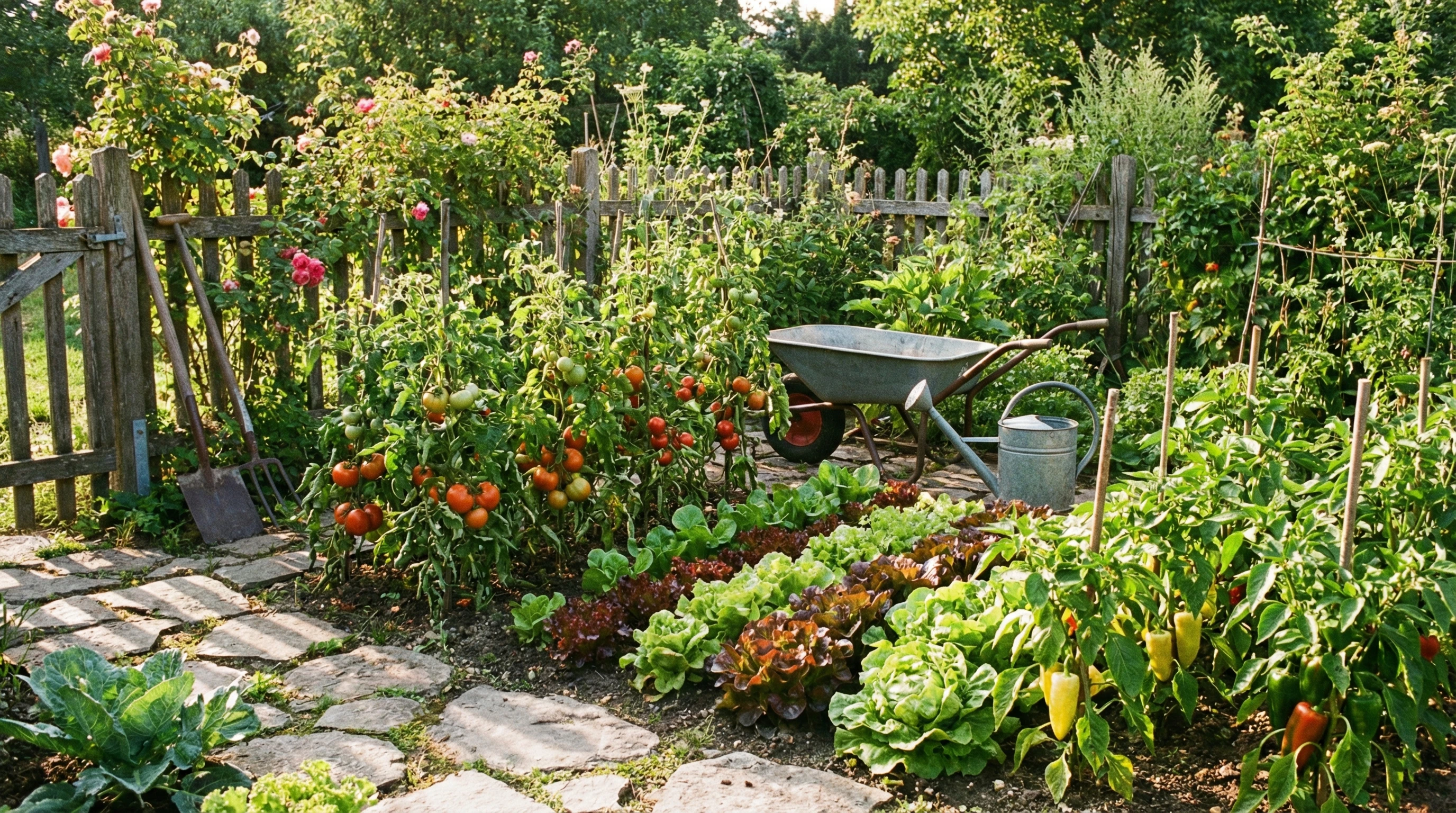
One of the first things I do when starting a vegetable garden is to make a plan.
Skipping this step can lead to overcrowded plants, wasted space, or poor growth.
It’s tempting to just pick up some seeds and get them in the ground, but taking a few minutes to sketch a layout helps prevent issues later.
Growing space, sunlight, and water access all matter.
If I’m growing taller crops like tomatoes or corn, I plant them on the north side of a bed, so they don’t shade the shorter veggies.
Each plant needs its own space to grow; otherwise, competition for sunlight, water, and nutrients can stunt growth and lower yields.
I also research which vegetables grow well together and which don’t.
For example, tomatoes and carrots get along well, but onions and beans tend to compete.
Careful planning helps avoid headaches during the growing season.
If you like to keep things organized, consider creating a map for your garden to track what you’ve planted where.
This small step can save time and confusion later in the season, especially when it comes to crop rotation and pest control.
Ignoring Soil Health and Preparation
Healthy soil is the starting point for any successful vegetable garden.
Using the wrong soil or skipping soil preparation can lead to trouble.
I test my soil before planting, looking for its pH and nutrient levels, so I can add compost or organic matter if needed.
Most vegetables like slightly acidic to neutral soil, around pH 6 to 7.
If the soil is compacted, I loosen it up with a garden fork to encourage root growth.
It’s also really important not to overload the soil with fertilizer.
Overfertilizing, especially with nitrogen, can result in lush leaves but poor fruiting.
I use slow-release organic fertilizers or compost and carefully follow instructions to keep the balance right.
- Add Compost: I mix in compost or well-rotted manure to improve drainage and nutrient content.
- Avoid Chemical Overload: Too many synthetic fertilizers can harm soil microbes and, in the long run, reduce productivity.
Amending soil takes time, but it pays off throughout the season.
You might stumble upon earthworms as you dig, which is a sign your soil is alive and healthy.
If your garden is in containers, choose a high-quality potting mix for best results.
Planting at the Wrong Time
Timing is everything when it comes to vegetable gardening.
Planting too early or too late in the season can stress or even kill young plants.
Each vegetable has its own preferred temperature range for both soil and air.
For example, tomatoes fail to thrive if planted before the soil warms up, while spinach bolts in the summer heat.
I always check the average last frost date in my area before planting warmseason crops.
Seed packets and online resources usually have charts to guide planting schedules.
This extra step gives my plants the best chance to grow strong right from the start.
If you’re unsure about timing, ask experienced gardeners nearby or check regional gardening calendars at your local library or cooperative extension.
Overwatering or Underwatering
Water issues are a top reason home vegetable gardens struggle.
Early on, I had a tendency to water every day, thinking more was better.
In reality, too much water can drown roots and invite diseases, while too little weakens plants and reduces yields.
Most vegetables like the soil to be evenly moist, not soggy or bone dry.
I use my finger to check soil moisture before watering.
Mulching with straw or shredded leaves helps keep moisture steady and cuts back on how often I need to water.
If I notice yellow leaves or wilting, I double-check my watering routine to make sure it’s just right.
Try watering early in the morning to give plants time to dry off before evening.
This helps reduce the risk of fungal diseases taking hold overnight.
Neglecting Sunlight Needs
Sunlight is one thing I can’t change in my garden, so it’s key to get this part right from the beginning.
Most vegetables need 6 to 8 hours of direct sunlight each day.
Planting in a shady spot usually results in leggy plants, low yields, and more problems with pests and disease.
I always spend a few days watching how the sun moves over my garden before I begin planting.
If sunlight is limited, I prioritize it for sunloving veggies like tomatoes, peppers, or beans.
Leafy greens such as lettuce and spinach can tolerate a bit more shade, which helps make the best use of my space.
If you live in a climate with intense summer heat, providing a little afternoon shade for delicate greens can prevent them from bolting too quickly.
Overcrowding or Poor Spacing
Putting too many seedlings or seeds close together seems like it would lead to more food, but it almost always leads to trouble.
Plants need breathing room to develop strong roots, leaves, and fruits.
If I overcrowd them, air can’t move freely, and diseases spread faster.
Growth is stunted, and some crops may fail entirely.
I use plant tags or guides to check proper spacing, and I’m careful to thin seedlings if too many come up.
This gives every plant its best shot at producing well.
It might seem tough to pull out healthy-looking extras, but thinning pays off later with healthier harvests.
Forgetting About Pests and Disease Prevention
Many new gardeners wait until their plants are already under attack to think about pests or diseases.
It’s easier for me to manage problems if I plan ahead.
I regularly inspect leaves and stems for signs of insects, discoloration, or damage, which helps me catch problems early when they’re easier to fix.
Building healthy soil, rotating where I plant certain crops each year, and using physical barriers like insect netting are ways I reduce pest problems.
I avoid blanket spraying with pesticides, since these can backfire by killing helpful insects and weakening plants over time.
Instead, I encourage beneficial insects and handpick pests if they appear.
Examples of Common Problems
- Aphids: Cluster on new growth and can spread diseases. I attract ladybugs to control them naturally.
- Tomato Blight: Fungal disease triggered by wet conditions and poor air flow. I water plants at the base and space them well to limit the problem.
Prevention is much easier than treatment.
Keeping an eye on your plants daily helps spot issues before they get out of control.
Try planting a few flowers nearby like marigolds or nasturtiums to attract beneficial insects and boost your garden’s resilience.
Not Keeping Up With Maintenance
Gardening is a regular commitment.
Skipping tasks like weeding, pruning, or fertilizing can let problems get out of hand.
I set a schedule to check my garden often, taking a few minutes to pull weeds, check for trouble, and adjust supports for tall plants like peas or tomatoes.
Weeds compete with veggies for resources, so it’s important to remove them promptly.
I also tie up or stake vining or heavy plants to prevent breakage and improve air circulation.
Regular feeding with compost or balanced fertilizer keeps the garden productive throughout the season.
If you travel or can’t check your garden often, ask a friend or neighbor to check in.
That way, any issues can be fixed fast.
Small, regular actions keep a garden in top shape throughout the year.
Ignoring Local Growing Conditions
Every garden is unique.
Soil composition, rainfall, and pests can all be different, even in nearby towns.
I always adjust my approach based on local conditions.
Talking to other gardeners and checking with local cooperative extensions helps me learn what varieties grow best in my area and which problems to watch for.
I pay attention to what works and keep notes, so each season I can refine my strategy.
This habit saves time and disappointment in the long run.
If you’re new to a region, see if local nurseries offer region-specific plants or give gardening workshops.
These resources are invaluable for getting the most out of your space.
Handy Tips for Success
Building a productive home vegetable garden comes down to experience and a willingness to adapt.
Here are some tips I stick to that you might find useful too:
- Keep a Garden Journal: I jot down notes on planting dates, weather, problems, and what worked. This helps me improve each year.
- Start Small: Focusing on a few crops helps you get better results than trying too much at once.
- Get Family or Friends Involved: It makes gardening more enjoyable and helps keep up with maintenance.
- Observe Often: Watching the little details like leaf color, new growth, and insect activity can boost your garden success.
- Read Labels and Guides: Take a minute to go over recommendations for each plant. There are a lot of subtle differences, and every bit of knowledge goes a long way.
Frequently Asked Questions
I get a lot of questions from new gardeners.
Here are a few I hear often, along with my responses.
What’s the easiest vegetable for beginners to grow?
Leafy greens like lettuce and spinach are forgiving and germinate quickly.
Radishes also grow fast and need little care.
Do I need lots of space to grow vegetables?
No, even a few containers on a patio can yield great crops.
The most important thing is making sure your plants get enough light and water.
Herbs like basil, parsley, and chives are perfect choices for small spaces.
How do I know when to harvest?
Most seed packets give guidelines.
I check for color, firmness, and size to judge harvest time.
For example, cucumbers should feel firm but not overgrown, while tomatoes turn fully colored and slightly soft to the touch.
Should I rotate crops every year?
Yes, rotating crops helps prevent soilborne diseases and pest buildup.
Try not to grow the same type of plant in the same spot year after year.
Wrapping Up: Final Thoughts on Home Vegetable Gardening
Learning from small mistakes is how I’ve become a better home gardener.
By planning ahead, paying attention to soil, light, and water, and keeping up with simple maintenance, I get more out of my space and enjoy plenty of fresh produce.
Each season brings new lessons, and over time, gardening turns into a relaxing and rewarding part of my life.
Growing your own vegetables is worth the effort, and even if you stumble a little, you’ll be amazed by what you and your garden can accomplish together.
Embrace the process, stay curious, and remember—gardening is a skill you build with practice, patience, and a bit of trial and error.