Growing your own vegetables at home can be both satisfying and fun.
Nothing quite matches the taste of a fresh tomato you picked yourself or the crunch of a salad made from greens you watched sprout from seed.
When I started my home vegetable garden, it was easy to make some common mistakes that slowed down my progress or affected the quality of my harvest.
I want to share these potential pitfalls so your experience can be smoother and more enjoyable.
Understanding the Basics of Home Vegetable Gardening
Setting up a vegetable garden at home means paying attention to your plants’ basic needs.
Vegetables rely on sunlight, water, healthy soil, and the right climate.
If you skip over these fundamentals, you might end up with weak plants or little to harvest.
I found it really helpful to read about my local climate and planting zones before getting started.
Knowing what vegetables actually thrive in my area made a big difference.
Sometimes, it’s tempting to try growing something unusual, but starting with what’s known to do well saves a lot of headaches.
Here are some important basics to keep in mind:
- Sunlight: Most vegetables need six to eight hours of direct sunlight each day. A shady spot in my backyard was better for herbs but not so great for tomatoes.
- Soil Health: Healthy, rich soil is the foundation for any successful garden. Doing a simple soil test showed me what nutrients were missing in my yard.
- Watering: Consistent watering is needed, but too much or too little can cause problems. When I overwatered my lettuce, the roots began to rot.
Don’t forget about air circulation for your plants, either.
Good airflow cuts down on disease and mold, especially in humid areas.
Try to plant in rows or groups that let air move freely and avoid packing plants too tightly together.
Common Planting Mistakes and How to Avoid Them
Learning from my own missteps, I gathered the most frequent issues gardeners face when starting a vegetable patch at home.
- Planting at the Wrong Time: Putting seeds or seedlings in the ground too early or late can lead to poor growth. Each vegetable has its own preferred season. Checking the planting calendar for my region helped me avoid this mistake.
- Ignoring Plant Spacing: Overcrowding is easy to do if you want more crops, but I saw firsthand that crowded plants compete for sunlight, water, and nutrients. Giving each plant the recommended space boosted both the size and health of my harvest.
- Not Rotating Crops: Planting the same vegetable in the same spot each year made pests and diseases more likely. When I rotated my crops, my plants were healthier and produced more food.
- Poor Soil Preparation: This was an early mistake for me. I tried to plant without mixing in compost, which left my plants weak and yellowing. Adding organic matter before each season improved my yields almost right away.
If you’re using raised beds or containers, make sure the soil mix is tailored for vegetables.
Garden soil can be too dense for containers, so pick up a potting mix or blend compost, peat, and perlite for a healthier setup.
Step-by-Step Guide to Setting Up for Success
Planning and preparation make a big difference between a thriving garden and one that struggles.
If I had followed a checklist in my early days, things would have been a lot less stressful.
Here’s a sample plan that can help new gardeners avoid common errors:
- Pick the Right Spot: Choose a place in your yard that gets good sunlight most of the day.
- Test and Improve Your Soil: Home test kits are easy to use and let you know which nutrients to add.
- Choose the Right Vegetables: Select plants that grow well in your climate. Ask your local garden center for advice if you’re unsure.
- Follow Planting Instructions: Each seed packet or transplant comes with guidelines for depth, spacing, and timing. These are worth following closely.
- Install a Simple Watering System: I found using drip irrigation or soaker hoses took away the guesswork and saved water.
By sticking to these steps, you increase your chance of a strong, healthy garden right from the start.
Plan for access paths so you don’t stomp on the soil near your plants.
Compacted soil can hurt roots and lower your harvest, so good garden design matters.
Key Mistakes That Can Hinder Your Vegetable Harvest
Understanding what doesn’t work is just as important as following best practices.
Here are a few more specific issues I ran into that are worth watching out for:
- Not Watching for Pests and Diseases: Waiting until there’s major damage before acting makes recovery much harder. Regularly checking for chewed leaves, spots, or unusual plant growth helped me catch problems early.
- Using Too Much Fertilizer: I learned the hard way that “more” isn’t always better. Over-fertilization can burn delicate roots or push leafy growth at the expense of fruit and vegetables.
- Skimping on Weeding: Weeds compete fiercely for resources. Spending a few minutes each week pulling weeds kept my veggies growing strong.
Poor Watering Habits
Consistency matters a lot.
When I let the soil dry out after a hot day or forgot to water for several days, my plants looked wilted and stressed.
On the other hand, some plants struggled when I let them sit in soggy soil for too long.
Setting up a reminder in my phone to check the garden each morning or evening kept everything on track.
When possible, I watered early in the day, which helped avoid fungal problems that come from wet leaves overnight.
Neglecting Mulching
Skipping mulch in my first season meant more weeds and faster water loss.
After I added a layer of straw or shredded leaves around my veggies, my garden stayed moist longer and weeds were much easier to manage.
Transplant Shock
If you start seeds indoors, be careful when moving them to the outside garden.
The first time I tried this, I put my seedlings out on a windy day, and they drooped by evening.
Hardening off seedlings by slowly exposing them to outdoor conditions over a week helped the next batch adjust and thrive.
Tips for Managing Growth and Supporting Vegetables
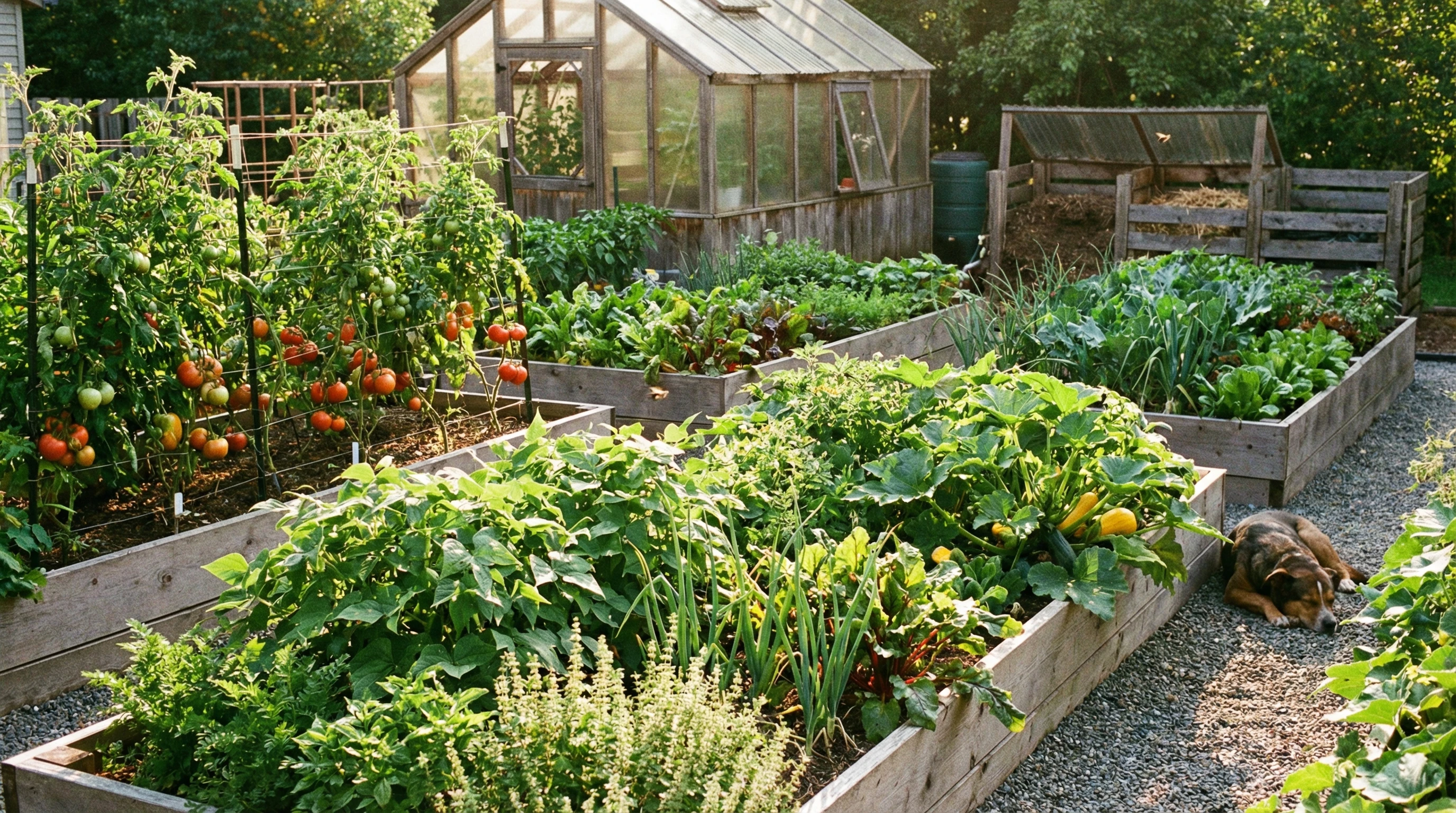
Providing support to certain vegetables is really important for many plants, especially tomatoes, beans, and cucumbers.
My first season, my tomato plants toppled over when fruit started to grow because I hadn’t provided sturdy cages early on.
Adding stakes, cages, or trellises at planting time made both caring for and harvesting my produce much easier.
Training beans or cucumbers to use vertical supports also saved space and led to healthier plants.
Improving Soil Quality Year by Year
I now add compost and plant cover crops like clover or beans over the winter months.
This practice helps build healthy soil, which pays off with stronger growth and better resistance to pests and diseases.
Building healthy soil is a long-term habit that keeps giving back.
If you have heavy clay or sandy soil, adding organic material every year helps.
Over time, your plants will get stronger and your yields will go up.
Don’t be afraid to experiment with compost teas, worm castings, or slow-release natural fertilizers—each can give your garden a useful boost.
Frequently Asked Questions
When friends visit my garden, I often get the same questions.
Here’s what comes up most:
Question: How often should I water my home vegetable garden?
Answer:
Most vegetables need about an inch of water each week, either from rain or irrigation.
Sticking your finger into the soil helps determine if it’s dry or moist.
If the top inch feels dry, it’s time to water.
Question: What’s the best way to keep pests away naturally?
Answer:
I use row covers, hand-picking, and attract beneficial insects like ladybugs.
Sometimes, using simple homemade sprays helps, but combining several methods works best for me.
Question: Can I use seeds from storebought produce?
Answer:
It’s possible, but results can be unpredictable.
Storebought veggies are sometimes hybrids or not suited to your climate.
For best chances, I use seeds from a trusted source or garden center.
Question: How do I know when to harvest my vegetables?
Answer:
Look for signs like deep color, size that matches the seed packet description, and firmness.
For leafy greens, pick outer leaves when they are large enough to eat.
Most root crops, like carrots and radishes, push their shoulders above the soil when ready.
Checking regularly keeps you from missing the best harvest window.
What to Focus on for Next-Level Garden Success
Getting the basics down is a great starting point, but small improvements each season have helped me grow better vegetables.
Here are a few extra ideas worth considering as you gain experience:
- Try Companion Planting: Certain plants do well together and can boost growth or lower pest problems. For example, planting basil near tomatoes seemed to keep aphids away in my experience.
- Stay Organized: Keeping a garden journal helped me remember which varieties produced the best for my space and what didn’t work as well.
- Start Small and Grow Each Season: Expanding a bit each year lets you learn without getting overwhelmed. My first year, I grew only lettuce and tomatoes. Each season after, I added a few more crops as my confidence grew.
Don’t overlook the importance of celebrating your successes and enjoying the quiet moments your garden brings.
Even little wins, like harvesting a few extra beans, feel worth it.
Connecting with other gardeners—online or in your neighborhood—can bring fresh ideas and make the adventure even richer.
Following these suggestions made my gardening experience a lot more rewarding and helped me avoid early mistakes.
Growing vegetables at home is always a learning process, but the results are truly worth the effort.