
Growing my own vegetables has changed the way I eat.
Fresh produce from the garden has flavors that storebought options just can’t offer.
With a basket full of crisp greens, sunwarmed tomatoes, or crunchy carrots, I often look for creative ways to work them into meals.
Enjoying these vegetables doesn’t need to be complicated.
I’m sharing some favorite creative recipes and tips to help you make the most out of your harvest.
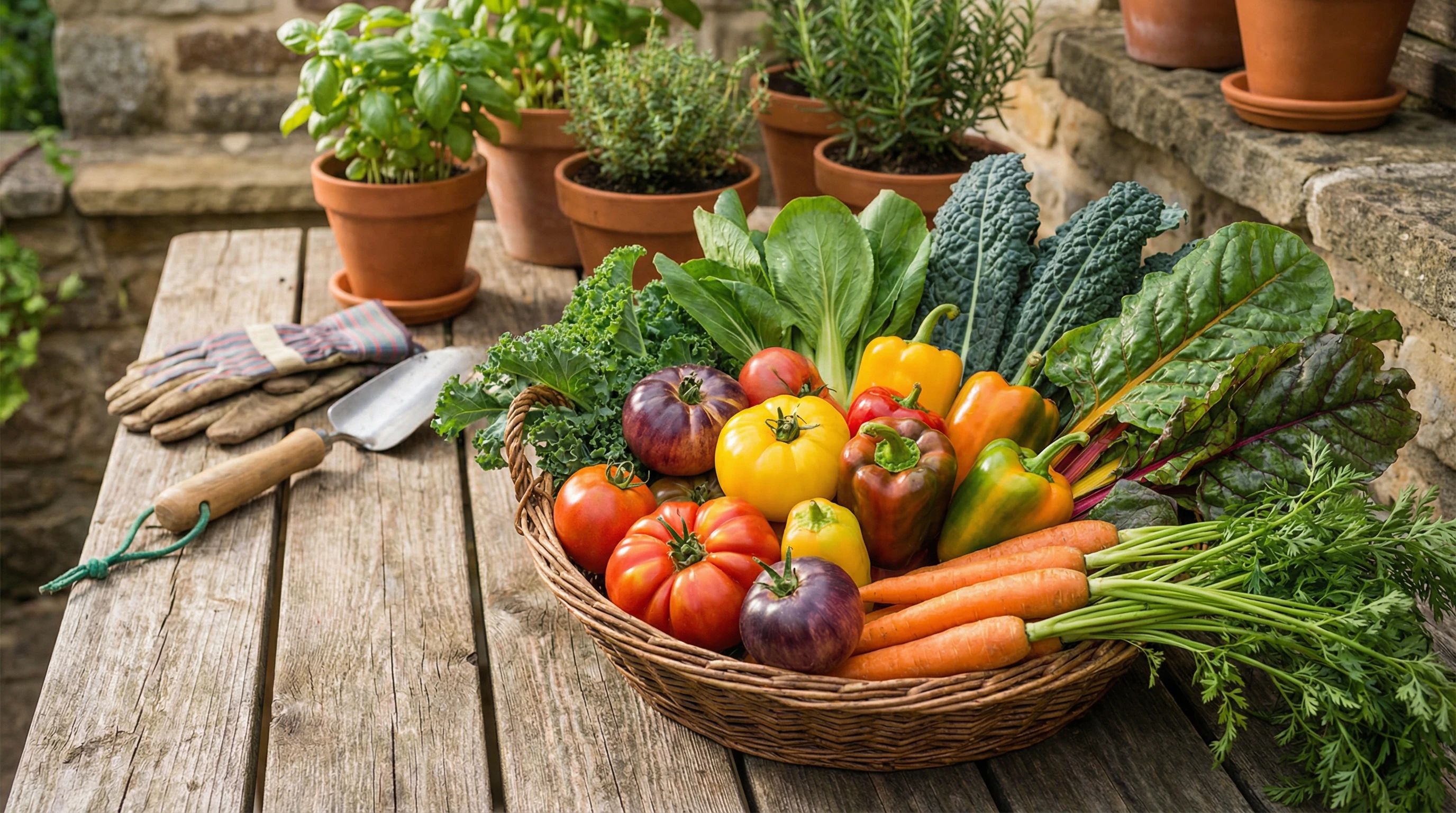
Why Cooking with Homegrown Vegetables Tastes Better
When I started using my own homegrown produce, I noticed a real difference in taste and freshness.
Vegetables picked right before a meal have more flavor, and I get to use parts that usually end up tossed when processed, like carrot tops or beet greens.
The satisfaction of eating something I grew adds a special touch to every dish.
Cooking with your own harvest also lets you experiment more.
Sometimes the garden gives me an odd mix; one zucchini, a handful of cherry tomatoes, and some basil.
Instead of seeing this as a challenge, I enjoy the chance to come up with new recipes or tweak familiar ones.
Seasonal cooking helps me eat more vegetables throughout the year.
Studies from the University of California suggest that vegetables lose nutrients during long storage and shipping, so eating them right after picking helps maximize nutrition (source).
Simple Ways to Prepare Fresh Vegetables
Before jumping into detailed recipes, I find it helpful to use a few simple preparations to shine a light on the flavors of justpicked veggies.
Blanching, roasting, and quick stirfries are easy techniques that bring out natural sweetness and texture.
Here are three basic methods that I use all season long:
- Roasting: Toss chopped carrots, zucchini, or potatoes with olive oil, salt, and pepper. Bake at 425°F (220°C) until golden and soft, usually about 20–30 minutes.
- Stirfrying: Quickcook sliced peppers, beans, or snappeas in a hot pan with a splash of soy sauce and garlic. This helps keep them crunchy and colorful.
- Blanching: Drop green beans or broccoli briefly in boiling water, then move them to ice water. This keeps them crisp and bright green, perfect for adding to salads or grain bowls.
Creative Recipe Ideas for Homegrown Vegetables
With these preparations as a base, I like to branch out with recipes that mix the harvest in new and tasty ways.
Here are some favorites that make the most out of whatever is ripe in the garden.
1. Summer Vegetable Frittata
I often turn to a frittata when the garden offers just enough of a few different vegetables.
Whisk together 6–8 eggs, salt, and pepper in a bowl.
In an ovenproof pan, sauté sliced zucchini, bell peppers, cherry tomatoes, and onion in olive oil until just soft.
Pour in the eggs, sprinkle with chopped basil or parsley, and cook on the stove until the edges set.
Finish under the broiler until the top browns.
This dish works for breakfast, lunch, or even a light dinner, and leftovers keep well for a quick meal the next day.
2. Garden Fresh Salsa
When tomatoes are coming in fast, salsa is a refreshing way to use them.
I chop tomatoes, jalapeños, onion, and cilantro, then mix with lime juice and a bit of salt.
Adding chopped cucumber or sweetcorn gives a twist on the classic recipe.
This salsa makes a tasty topping for grilled meat, fish, or even a spoonful over scrambled eggs.
3. Veggie Packed Stirfry
Whatever gets picked; beans, peas, carrots, broccoli; often ends up in a stirfry.
I heat oil in a wok or skillet, add garlic and ginger, then toss in sliced vegetables.
A splash of soy sauce and a sprinkle of sesame seeds finish the dish.
Serve over rice or noodles for a quick weeknight dinner.
This is a flexible recipe that never gets boring, because the vegetables change with the season.
4. Zucchini Noodle (“Zoodle”) Salad
When zucchini is at its peak, I make noodles from it using a spiralizer.
I toss these with cherry tomatoes, basil, mozzarella balls, and a drizzle of olive oil and balsamic vinegar.
This salad is light, colorful, and doesn’t need cooking, which is a plus on hot days.
5. Hearty Vegetable Soup
When the weather cools down, I turn to soup for comfort.
In a large pot, I sauté onion, carrots, garlic, and celery.
I add diced potatoes, green beans, chopped kale, and whatever else is in season.
After pouring in vegetable broth and simmering until the vegetables are tender, I season with salt, pepper, and a handful of fresh herbs.
This soup tastes even better the next day.
6. Herbed Grain Bowls
Sometimes, I cook up a batch of farro, quinoa, or brown rice and top it with a mix of roasted or blanched veggies from the garden.
Adding handfuls of chopped herbs like dill, chives, or mint makes each bowl pop.
I finish with a dollop of yogurt or hummus for a creamy contrast.
7. Stuffed Bell Peppers
Bell peppers from the garden make perfect edible containers for a filling.
I stuff halved peppers with a mixture of cooked rice, lentils, diced tomatoes, chopped greens, and your choice of cheese or nuts.
Bake until the peppers are soft and the filling is golden.
Leftovers reheat well for lunch the next day.
Tips for Cooking Through the Seasons
I switch up my cooking routine as the garden changes through the year.
In spring, leafy greens and peas are usually first to appear.
By midsummer, tomatoes, peppers, and squash fill my kitchen.
Into fall, I rely on root vegetables and hearty greens.
Making use of what is in season not only leads to more variety in meals but also cuts down on waste.
Here’s how I make the most of every harvest:
- Batch cook and freeze extras: I make extra soup or roasted vegetables and freeze portions to enjoy later.
- Preserve by pickling: Leftover cucumbers, beans, or peppers get turned into crisp pickles.
- Try new herbs: Adding fresh mint, basil, or parsley gives any dish a lift and helps use up bunches from the garden.
- Dry or freeze fresh herbs: Save bunches for later use to spice up winter meals.
Challenges and Practical Advice
Sometimes the garden gives a bumper crop, like too many zucchinis or baskets of green beans, and it can feel tough to use it all.
To avoid waste, I share produce with neighbors, preserve some, and try using every edible part.
For example, carrot tops become a peppery pesto.
Beet greens are tasty when sautéed with garlic, and even squash blossoms can be stuffed and fried for a unique treat.
Managing Picky Eaters
Getting kids or lessadventurous eaters to enjoy homegrown vegetables takes some creativity.
I find that roasting root vegetables makes them sweeter.
Adding fresh herbs or a sprinkle of cheese encourages everyone to try something new.
Chopping vegetables small and mixing them into familiar dishes like pasta, pizza, or tacos is a great method too.
Letting family members help pick and prep vegetables often gets them more interested in eating what’s on the table.
Experimenting Pays Off
Even when a new recipe falls flat, I learn what flavors go together and how to switch things up next time.
Keeping a simple notebook of what worked and what I’d change sparks ideas for the future and helps me avoid repeating old mistakes.
Using Every Part of the Plant
Making use of every edible part cuts down on food waste and can add unexpected flavors.
These ideas help me use up items that might otherwise be composted:
- Beet Greens: Sauté with olive oil and garlic for a side similar to spinach.
- Carrot Tops: Blend with nuts, lemon, and oil for a bright, herby pesto.
- Radish Greens: Toss in salads or wilt into soup for extra nutrition.
- Chard Stems: Chop and cook with onions or use in stirfries.
- Broccoli Leaves: Roast with olive oil for crunchy chips.
This approach stretches the value of my harvest and adds more variety to my meals.
Every new way to use a plant part feels like finding a bonus ingredient from the garden.
Frequently Asked Questions
Here are a few common questions I’ve been asked about cooking with homegrown vegetables:
Do I need special equipment for these recipes?
Most dishes use simple kitchen basics like a skillet, baking tray, and a sharp knife.
A spiralizer is handy for zoodles, but a box grater or peeler gives similar results.
How do I store extra vegetables?
I keep greens fresh by washing and drying them well.
Then I roll them in a clean towel before refrigerating.
Root crops last longer when kept cool and dry.
Freezing and pickling are both great options for preserving a larger harvest.
What if I end up with vegetables I don’t really like?
Try mixing lessfamiliar vegetables with ones you love.
Roasting or adding them to big batch soups or sauces can help tone down strong flavors.
Swapping vegetables with gardening friends is another way to set free some variety and keep things interesting.
Any tricks for adding more homegrown produce to daily meals?
Prep veggies when you bring them inside so they’re ready to toss into omelets, wraps, or rice bowls.
Keep chopped greens in bags for smoothies or salads.
Shredded carrots and zucchini add sweetness and moisture to baked goods like muffins and pancakes.
Enjoying the Harvest Each Day
Homegrown vegetables provide more than just great meals.
They offer a sense of accomplishment and a deeper appreciation for food.
Experimenting with simple and creative recipes keeps meals exciting and helps make the most out of every harvest.
Trying new mixes and learning from each season keeps me looking forward to what I’ll cook.
So grab a basket, check out what’s fresh, and let it rip in your kitchen—your taste buds (and your dinner guests) will thank you.