Keeping daily track of what I eat on a plantbased diet takes some intention, but the payoff is totally worth it.
I’ve found that a simple, straightforward to-do list goes a long way in making sure I actually meet my nutrition needs every day.
If you’re new to this or just want to streamline your own routine, I’m breaking down a practical, no-fuss checklist for anyone looking to get serious about plantbased nutrition tracking.
Why A Daily PlantBased Nutrition To-Do List Helps
A plantbased diet, whether fully vegan, vegetarian, or mostly plantfocused, can pack in a wide range of flavors and benefits.
But without a little strategy, it’s easy to miss out on key nutrients, especially protein, iron, B12, and omega3 fats.
A daily checklist helps keep things simple and helps avoid those accidental missed nutrients that can sneak up if you’re not paying attention.
I started using a daily list after realizing I was feeling tired all the time, only to see I was skipping over things like ironrich beans or forgetting to add healthy fats.
Writing out (and following!) a straightforward to-do each morning keeps me aware and totally boosts the variety in my meals.
Building Your Core PlantBased Nutrition Checklist
A good checklist covers more than just calories.
It’s about variety, color, and getting in all the stuff your body needs to work well and feel good.
Here are the basics I make sure to hit every day:
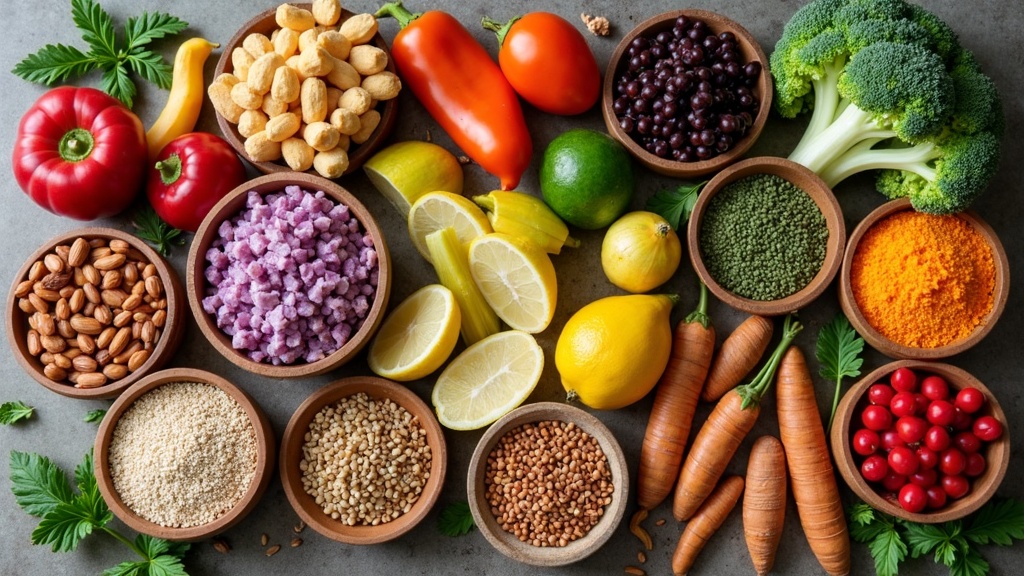
- Protein Sources: Beans, lentils, tofu, tempeh, soymilk, or seitan
- Whole Grains: Oats, brown rice, quinoa, barley, farro, or whole grain bread/pasta
- Vegetables: Make it a goal to eat at least three colors’ worth; think leafy greens, orange veggies, and reds or purples
- Fruit: At least two servings, and a mix of fresh and frozen keeps things interesting
- Healthy Fats: Avocado, nuts, seeds, or a drizzle of olive or flaxseed oil
- CalciumRich Foods: Fortified plantmilks, tofu made with calcium sulfate, or certain leafy greens
- Vitamin B12: Fortified cereals, nutritional yeast, or B12 supplements
- Hydration: Water is a given, but I like to include herbal teas, sparkling water, or a splash of juice
How To Use Your PlantBased Nutrition To-Do List Every Day
Some folks jot their list on paper, but I find using a phone note or even a whiteboard on the fridge can be pretty handy.
Here’s roughly how I check off my basics starting in the morning:
- Review the List: A quick glance before breakfast gives me a game plan for the day.
- Plan the Day’s Meals: It doesn’t have to be strict meal planning; just a mental note: “I’ll get tofu at lunch, beans at dinner, kale in my smoothie, and an apple for an afternoon snack.”
- Track as You Go: I just check off items as I add them to meals, aiming to finish the list by dinner.
- Tweak as Needed: If I notice a pattern (like forgetting omega3rich seeds), I’ll highlight that line, so it’s front and center the next day.
Key Nutrients To Keep An Eye On
Some nutrients are more likely to be missed on a plantbased diet.
That’s why I pay special attention to these when building my list:
- Protein: I try to hit a variety; different legumes or soy throughout the week, not just the same type every day.
- Iron: Beans, lentils, spinach, and ironfortified cereals are good go-tos. I often pair these with something high in vitamin C (like peppers or strawberries) to help with absorption.
- Vitamin B12: Most plantbased foods don’t have B12 naturally, so checking this off each day is super important, usually with a supplement or fortified food.
- Omega3 Fats: Chia, flax, walnuts, or hemp seeds go into oatmeal or smoothies regularly for the ALA type of omega3. Algae oil supplements are an option for DHA if you’re fully plantbased.
- Calcium and Vitamin D: Tofu, fortified milks, and greens cover the calcium, while getting outside helps with vitamin D. With less sun exposure or in winter, I stick to a vitamin D supplement.
- Zinc: Nuts, seeds, and whole grains are my staples here. If I feel fatigue doesn’t budge, sometimes a shortterm supplement helps, especially during high training periods.
These key nutrients deserve a spot on every plantbased eater’s radar.
Making sure they’re present in your diet helps you maintain steady energy and supports longterm wellness.
If you ever start to feel unusually tired or run down, reviewing your checklist can help spot where you might need a boost or a changeup in your food choices.
Small adjustments, like switching up the type of nuts, adding in different legumes, or trying a new grain, are usually enough to balance things out and keep meals both nourishing and exciting.
Common Challenges And Practical Solutions
Tracking plantbased nutrition isn’t always smooth.
Here are a few everyday challenges I run into and what’s helped me work through them:
- Repetitive Meals: It’s super easy to end up eating the same stirfry daily. Mixing up grains (swap in farro for rice) or rotating beans helps shake up meal routines.
- Hidden Animal Ingredients: Some processed foods or breads sneak in dairy or eggs. Doublechecking labels makes a difference.
- Getting Enough Calories: Plant foods are often lower in calories, especially if you cut oil. Adding a handful of nuts or an extra serving of avocado bumps up intake without extra hassle.
- Keeping Up With Supplements: Setting a daily phone reminder makes it almost impossible to forget B12 or vitamin D.
Mixing Up Meal Prep
I try to prep proteins and grains in advance, keeping cooked lentils or chickpeas, and rice or quinoa handy in the fridge.
This small bit of prep means it’s way easier to check everything off the nutrition list by the end of the day, even on those busy workdays.
Also, trying new recipes or flavor profiles can help shake up meal monotony.
Batchcooking a veggie stew or roasting a tray of mixed vegetables can save time and give you food variety for lunches and dinners throughout the week.
Getting Support And Reliable Info
There’s always new info and trends in plantbased nutrition.
I stick to sources like registered dietitians and sites like EatRight and Vegan Health for uptodate advice.
Joining plantbased cooking or nutrition groups online has helped with recipe ideas and troubleshooting, too.
It can also be helpful to talk with friends or family members who are plantbased, as swapping tips and sharing successful meals can make healthy eating feel more social and achievable.
If you run into questions or challenges, don’t hesitate to reach out to a registered dietitian for guidance tailored to your personal needs.
Advanced Tips For Staying On Track
Once the basics feel second nature, a few extra tools can add even more accuracy and fun to your daily tracking:
- Apps for Tracking: Free apps like Cronometer or MyFitnessPal let you plug in foods and get an instant nutrient breakdown. This is pretty handy for seeing where you might be missing something over a week, not just a day.
- Create Weekly Themes: Sometimes I do global food themes; think Mediterranean week, Mexicaninspired, or Asian flavors to keep meals interesting and hit different nutrients without even trying.
- Taste the Rainbow: I aim for as many colors of produce a day as possible, since every color brings its own group of beneficial plant compounds (phytonutrients!).
- Power Up Smoothies: Toss spinach, flaxseed, frozen berries, and soymilk into one snack, and suddenly you’re checking off four things at once on your list.
If you want even more structure, consider setting meal goals for the week ahead.
For instance, try to include a new vegetable or legume you haven’t cooked with before, or swap breakfast oats for a proteinrich chickpea scramble.
These tweaks keep your food satisfying and nutritionally robust.
Frequently Asked Questions About PlantBased Nutrition Tracking
Question: How do I make sure I’m eating enough protein on a plantbased diet?
Answer:
Beanbased dishes, tofu, lentils, and tempeh are easy ways to cover protein.
I try to include one or more of these at every meal, and usually a smoothie with a scoop of plantbased protein powder if I’m extra active.
Question: Should I take supplements if I’m following a plantbased diet?
Answer:
Pretty much everyone going plantbased benefits from a daily B12 supplement, and many folks find vitamin D or algaderived omega3 supplements useful too.
It’s always good to chat with a plantaware health professional for personalized advice.
Question: What if I miss something on the checklist one day?
Answer:
No need to stress; one off day doesn’t cause problems.
I just use it as a nudge to balance things out the next day, maybe tossing extra greens in my soup or adding a snack with nuts and seeds.
Question: What should I do if I start to feel tired or low energy even when I track everything?
Answer:
Sometimes, tiredness can be a sign of missing iron, B12, or vitamin D, especially in plantbased eaters.
Doublecheck your food and supplement intake, and if things don’t improve, a blood test and advice from a health pro can pinpoint what’s missing.
Adjusting your routine or adding specific fortified foods often does the trick.
RealLife Example: My Quick Daily PlantBased Checklist
- 2+ servings legumes (beans/lentils/tofu/tempeh)
- 3 servings whole grains
- 3+ colors of veggies
- 2 types of fruit
- 1-2 servings of nuts/seeds
- Calciumrich food (fortified drink, tofu, or greens)
- B12 source (fortified food or supplement)
- Omega3rich food (flax/chia/walnuts) or supplement
- Hydration (7-8 glasses water or tea)
Keeping things clear and actionable takes the guesswork out of eating well.
Even on days when I’m out and about, ticking off most boxes helps me feel sure I’m fueling my body in a way that supports my energy, mood, and longterm health goals.
Plantbased nutrition really does get easier every week with just a bit of habit and the right daily checklist in your toolkit.
With everyday tracking and awareness, your meals can be both nourishing and satisfying, and your body will thank you for the attention and care you put into your food choices.