Going plantbased is a pretty smart move for anyone aiming to lose weight in a healthy and sustainable way.
But if you’re just getting started or looking to break through a plateau, it can be confusing figuring out the best approach.
I reached out to several registered dietitians to get their top tips on making plantbased weight loss both doable and enjoyable.
Here’s what the experts had to say, along with some practical advice I’ve picked up along the way.
Why a Plantbased Diet Helps With Weight Loss
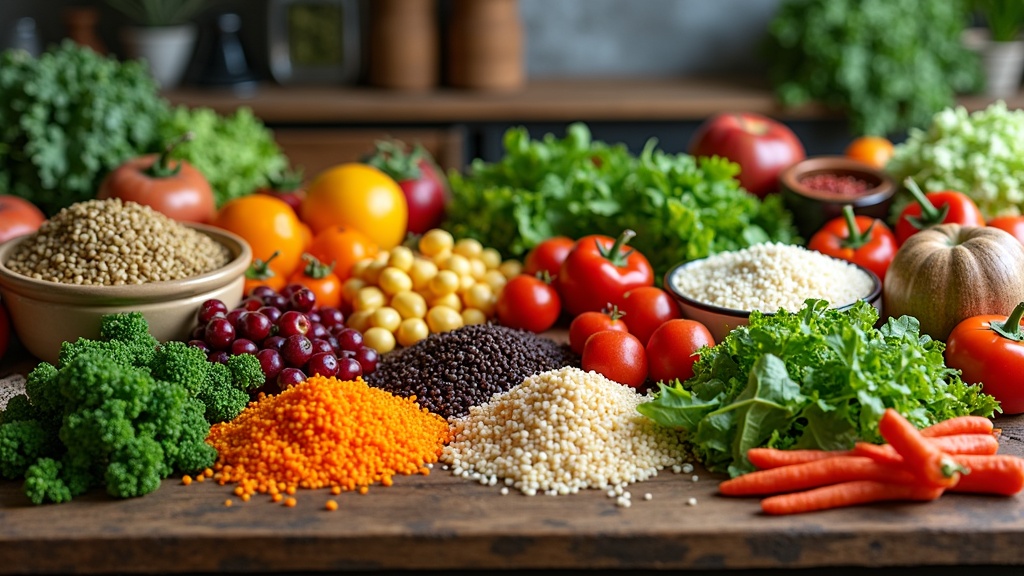
Switching up to a plantbased diet usually means eating more fiberrich foods and cutting out highly processed stuff, which can both help you shed pounds.
Plants like veggies, fruits, legumes, and whole grains are filling but generally low in calories.
Plus, these foods are packed with vitamins and minerals that support your health as your body adjusts to eating less.
The boost you get from all that natural nutrition can really set a positive tone for your weight loss adventure.
Dietitian Amy Shapiro, MS, RD, CDN, shares that, “Whole plant foods are naturally lower in calorie density than animal products and processed foods.
You can eat larger portions and still stay within a lower calorie range, which makes sticking to your plan easier.”
That steady feeling of fullness is something I notice right away when focusing on beans, sweet potatoes, and leafy greens.
Hunger just isn’t as big an issue.
Plus, the variety you can have with plant foods is nextlevel cool—think colorful salads, hearty stews, and creative snacks.
Getting Started: Simple Steps to Begin Your Plantbased Weight Loss
The advice I hear over and over from dietitians is to make gradual swaps instead of overhauling your kitchen overnight.
Here are a few ways to slide into plantbased eating without feeling overwhelmed:
- Start with familiar favorites: Make your goto meals plantbased by swapping ground beef for lentils in chili, or using beans in tacos. You’d be surprised at how delicious and satisfying these changes can be.
- Keep it colorful: Focus on eating a variety of veggies and fruits at every meal; it keeps things interesting and gets you tons of nutrients.
- Choose whole over processed: Dietitian Natalie Rizzo, MS, RD, points out that “just because a product is vegan doesn’t mean it’s healthier.” Plantbased frozen meals and snacks can be loaded with sugar and oil, so whole, minimally processed foods work best for weight loss.
- Don’t forget protein: Including good sources of plant protein, like tofu, tempeh, lentils, beans, and quinoa, keeps you full longer and makes meals more satisfying.
Try making small adjustments, like adding an extra veggie to your lunch or swapping white rice for brown rice.
These little shifts add up over time and make the transition smoother.
Common Challenges and How to Overcome Them
Switching to a plantbased diet can take some getting used to.
I asked dietitians what hurdles people face most often.
Here are their top tips for powering through:
Hunger and Cravings
Registered dietitian Erica Jones, RDN, says, “If you’re hungry all the time, check if you’re eating enough calories, protein, or fat.”
She suggests bulking up meals with hearty whole grains, nuts, and legumes, not just vegetables.
Keeping roasted chickpeas or a handful of nuts handy can be a big help for snacking too.
When you feel a craving hit, try reaching for fresh fruit or a filling smoothie.
Sometimes thirst can mask itself as hunger, so drinking water regularly can tone down those cravings as well.
Eating Out or OntheGo
Ordering at restaurants or picking snacks from a convenience store doesn’t always feel straightforward.
Kristina DeMuth, MPH, RD, LD, recommends scanning menus ahead of time and choosing places that offer veggie bowls, salads, or even simple bean burritos.
Packing your own snacks like fruit, trail mix, or wholegrain crackers can also save the day when you’re busy.
Many coffee shops offer plantbased milks and salads; it never hurts to ask for modifications or build your own meal.
Concerns About Nutrient Deficiency
“There’s a common myth you can’t get enough protein or iron from a plant diet,” says Shapiro.
A mixed diet of beans, dark leafy greens, fortified cereals, nuts, and seeds gives you all the nutrients you need.
If you’re unsure, you can always check with your health provider or use an app to track protein and iron intake.
A B12 supplement is something I take myself since that one is harder to get from plants alone.
Omega3s from flaxseed, walnuts, or chia seeds can also give your nutrition a boost.
What the Experts Say: Top Tips From Dietitians
- Focus on fiber: Shapiro recommends aiming for 25-35 grams of fiber per day. “Fiber slows digestion so you feel full longer and can help balance blood sugar, which is really important for managing cravings.” Whole grains, legumes, chia seeds, and fresh produce are the best bets. Try adding flaxseed to your smoothie for an easy fiber boost.
- Preplan your meals: Meal prepping helps cut down on lastminute takeout. Dietitian Emily Cooper, RDN, suggests cooking a big batch of grains, roasting a tray of veggies, and prepping a protein like marinated tofu on Sunday so you have building blocks for quick lunches and dinners all week. Precut veggies and grabandgo fruits help keep you on track too.
- Watch portions for nuts and oils: Nuts, seeds, and plantbased oils are super healthy but also caloriedense. Rizzo recommends keeping an eye on portions, especially if you stop losing weight. “A small scoop of almond butter goes a lot further than it looks!” Using a tablespoon to measure out dressings or nut butters is an easy way to keep portions under control.
- Spice it up: Flavor makes a big difference in staying satisfied. Add spices, fresh herbs, lemon, and bold dressings to keep meals interesting without loading up on calories or sodium. Experiment with global flavors like curry powder, sriracha, or chimichurri, and you won’t miss heavier sauces.
Advanced Tips For Plantbased Weight Loss Success
Getting comfortable with plantbased basics is half the work.
Dietitians also suggest trying some advanced strategies for steady progress:
Track your food (sometimes):
While caloriecounting all the time isn’t necessary, keeping a food journal for a week or two helps uncover easy tweaks, like noticing if you’re low on protein at lunch or snacking mostly out of boredom.
Some apps make this super simple and can show you trends in your eating habits.
Mix up your proteins:
Instead of relying on just one type, include a range, like beans at lunch, lentils at dinner, and tofu in stirfries.
This keeps your meals more interesting and helps cover all your amino acid needs.
Edamame, peas, and seeds like pumpkin seeds can also keep things varied and tasty.
Eat mindfully:
Slowing down at mealtime and paying attention to hunger cues helps prevent overeating, especially with those big, delicious bowls of whole foods.
Eating at the table, without screens, really helps me notice when I’m actually full.
Take a few breaths before eating and savor each bite. Mindfulness at meals is key for lasting weight loss habits.
Stay hydrated:
Water needs often go up with more fiber.
Sipping water throughout the day and including hydrating foods like cucumbers, strawberries, and oranges helps digestion and keeps you full between meals.
Making a habit of starting your meal with a glass of water can help regulate appetite too.
Recipes and Meal Ideas For Anyone Getting Started
I asked dietitians to share their favorite simple plantbased meals for weight loss. Here are a few to try:
- Hearty lentil soup: Simmer lentils with carrots, diced tomatoes, celery, and spices. Serve with wholegrain toast for a filling meal that sticks with you.
- Burrito bowl: Top brown rice or quinoa with black beans, roasted veggies, salsa, and avocado. Play with toppings like shredded lettuce, fresh corn, or a squeeze of lime.
- Veggieloaded stirfry: Stirfry broccoli, snap peas, and peppers with tofu and a lowsodium soy sauce over buckwheat noodles. Switch up the aromatics with ginger, garlic, or even fresh cilantro for a boost.
- Chickpea salad: Toss chickpeas, cherry tomatoes, cucumber, and parsley with lemon juice. It’s great healthy lunch for busy days. You can bulk it up with quinoa or wholegrain pita on the side.
If you’re craving something sweet, try overnight oats with fruit and chia seeds—simple, satisfying, and portable for breakfast or snacks.
Common Questions About Plantbased Weight Loss
The topic comes up a lot, so I collected a few of the most frequently asked questions for a quick go-to guide:
Q: How fast can I expect to lose weight on a plantbased diet?
A:
Most people see gradual loss, about 1-2 pounds per week. Results depend on starting habits and how much you cut back on processed foods and add exercise.
Slow changes tend to be more long lasting and support better energy plus focus.
Q: Is it expensive to eat plantbased?
A:
Staples like beans, rice, oats, sweet potatoes, and frozen veggies are actually budgetfriendly.
Buying produce in season or frozen often saves money too.
Shopping in bulk bins and planning your meals around weekly sales can stretch your food dollars farther.
Q: How do I stay full on a plantbased plan?
A:
Make sure each meal has a mix of fiber, protein, and healthy fats (like nuts or avocado).
Building meals with all three makes a big difference in satisfaction.
Don’t forget about adding wholegrain breads or proteinrich spreads to give you more energy between meals.
Wrapping Up
Weight loss on a plantbased diet is doable, sustainable, and even enjoyable when you have the right guidance.
Dietitians recommend starting with small changes, aiming for a balance of fiber and protein, and paying attention to meal satisfaction—not just calories.
Prepping meals at home, adding new flavors, and checking in with hunger signals all help you see results and keep going.
If you’re ever unsure, working with a registered dietitian (especially one familiar with plantbased nutrition) is a good move for getting personalized support.
That way, you know you’re taking care of your body while pursuing your goals.
Enjoy the ride toward better health—and remember, small steps add up to big progress.