It seems like everywhere I turn, there’s someone questioning whether soy messes with hormones, especially for folks on vegan diets.
I’ve fielded questions from friends, family, and even random shoppers at the grocery store, usually right in front of the tofu aisle.
There’s a lot of buzz, confusion, and a dash of fear-mongering about soy and hormones.
I’ve jumped into the science and my own experience sticking with a plantbased diet.
Here’s a closer look at why soy’s not the villain some make it out to be.
Soy, Hormones, and Where the Idea Came From
Many of the claims about soy messing up your hormones come from a misunderstanding of what’s actually in soybeans.
Soy contains phytoestrogens, specifically isoflavones.
These are plant compounds with a similar structure to human estrogen.
This little fact has fueled lots of rumors, with folks worrying that eating soy will somehow “feminize” men or throw women’s hormones out of balance.
The story started gaining steam in the 1990s when lab studies showed high amounts of isoflavones could bind to estrogen receptors in cells.
But there’s a big difference between how plant estrogen works and what goes on with your body’s own hormones.
Phytoestrogens are way weaker and don’t trigger the same reactions inside the body.
When I took a deeper look, I found the whole “soy equals hormone chaos” idea mostly comes from animal studies fed extreme doses and sensational headlines that latch onto fear, not facts.
How Soy Really Interacts With the Body
Your body handles phytoestrogens from food very differently than it handles actual human estrogen.
When you eat soy, these isoflavones don’t simply act like estrogen; they might even block your natural estrogen from overdoing it, thanks to how they bind to receptor sites.
This has led some researchers to look at soy as a potential help, not a hazard, for hormone-related health problems.
Major health organizations, like the American Cancer Society and the World Health Organization, have reviewed dozens of studies on soy.
Their consensus is pretty straightforward.
Eating soy foods as part of a regular diet is safe for most people and doesn’t lead to hormonal disruption.
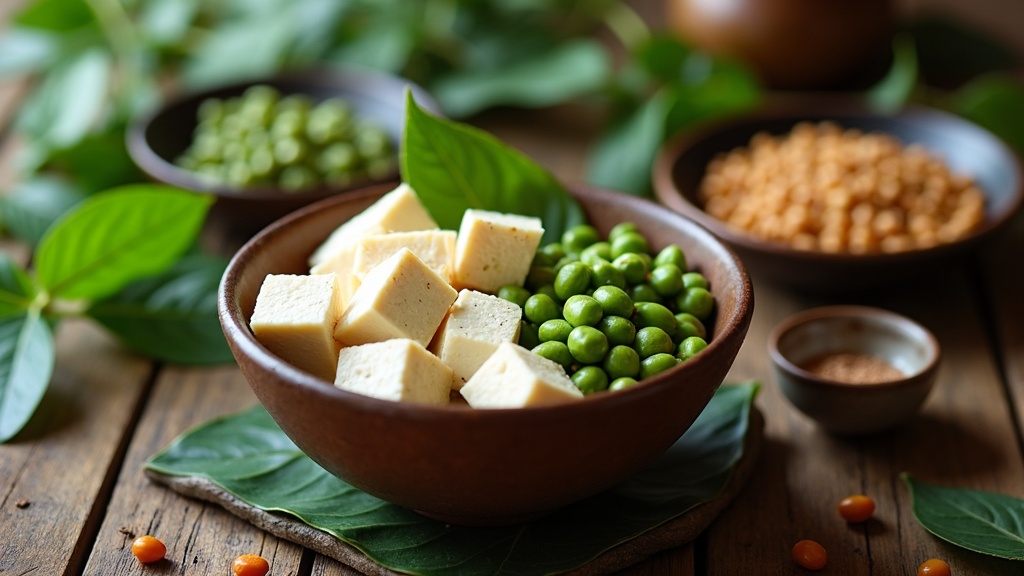
Especially when the soy comes from traditional sources like tofu, tempeh, edamame, and soymilk, the effects on hormones are either neutral or sometimes positive.
Soy Myths Busted: Reviewing the Evidence
I hear a few myths over and over.
Here are the big ones, and what the science actually says:
- Soy causes breast cancer: A major worry for many, but several long-term studies (including reviews published in peer-reviewed journals) show either no effect or a small protective effect of soy in populations that eat it regularly, like in Japan. Some even link soy intake to a lower risk of recurrence in breast cancer survivors.
- Soy lowers testosterone in men: Controlled trials (see the review in the journal Nutrition) haven’t found a decrease in testosterone or reproductive health with moderate soy consumption. Eating tofu stirfry won’t make you less manly. Testosterone levels stay the same.
- Soy is bad for thyroid health: If you have healthy thyroid function and get enough iodine in your diet, the amount of soy you eat won’t cause issues. If you have a thyroid disorder, checking with your doctor about soy makes sense, but for most people, it’s a nonissue.
Benefits of Soy in a Vegan Diet
I like soy because it packs in plantbased protein, fiber, and minerals that can sometimes be tough to get on a vegan plate.
Tofu scrambles, miso soup, and edamame snacks have all become mainstays in my kitchen.
Beyond the basics, here’s why soy works for a lot of vegans and vegetarians:
- Complete Protein: Soybeans have all nine essential amino acids, making them a simple way to get the protein your body needs, especially if you’re skipping animal products.
- Rich in Micronutrients: Foods like tempeh and tofu offer calcium, iron, and magnesium. These are nutrients many vegans watch closely.
- Versatility: Whether you like savory, sweet, or something quick and easy, soy adapts to your needs easily. From smoothies with soymilk to stirfries and desserts, it slots right in.
- Supports Heart Health: Several studies link regular soy consumption with lower LDL (bad) cholesterol and better heart health markers. That’s a pretty handy bonus for ditching the meat and dairy.
Soy doesn’t just step up your protein game.
It also supports bone health, helps manage weight thanks to fiber, and has a low environmental impact compared to animalbased proteins.
With its ability to be turned into everything from burgers to yogurt, soy brings nextlevel cool variety to a vegan table.
Plus, the fermentation process in foods like tempeh and miso brings in gutfriendly probiotics, which can give your digestive health a boost.
Common Concerns and How to Find Your Way Through Them
While the basics are true for most people, there are always situations where you need to check in with a doctor or dietitian.
Some folks with rare allergies or specific health conditions may need to be more mindful of soy.
For everyone else, the evidence shows soy is a safe, nutritious part of plantbased eating.
- Allergies: Allergic reactions to soy exist, mostly in children. Most kids grow out of them, though, and it’s much less common than an allergy to things like peanuts.
- Highly Processed Soy: Not all soy foods are created equal. Whole or minimally processed soy like edamame, tofu, and tempeh have the best track record. Highly processed options (think fake meats or soy protein isolate in bars) don’t always offer the same benefits. I keep those as occasional treats rather than everyday choices.
Sourcing Quality Soy Foods
Getting the most out of soy means picking products that stick close to the whole bean.
I look for organic tofu or tempeh to avoid genetically modified ingredients and unnecessary additives.
Fermented options like miso and tempeh also add some gutfriendly probiotics to the mix.
If you read the label and see “soy protein concentrate” or “hydrolyzed soy protein,” you’re probably looking at a processed food rather than a whole food.
Should I Worry if I Eat Soy Every Day?
This is something I wondered myself early on.
I usually eat soy in some form every day.
Research shows that up to 2 or 3 servings daily is safe for most people, and those eating traditional Asian diets (think lots of tofu and miso) stay healthy and thrive.
If you’re rotating your protein sources and eating a variety of plants, there’s no reliable evidence you’ll see anything except nutritional perks.
For people who enjoy experimenting with recipes, soy is a dream ingredient.
You can make creamy sauces, rich desserts, and filling main dishes.
Even soy-based snacks, like roasted edamame or baked tofu, are satisfying alternatives to processed chips.
Frequently Asked Questions About Soy and Hormones
Here are some questions I’ve been asked by readers, friends, and curious eaters just starting out with vegan or plantforward diets.
Does soy act like estrogen in the body?
Answer:
No, not in the way most people think.
The plant estrogen in soy is much weaker and even competes with your own estrogen so that it doesn’t overact.
Most folks won’t notice any hormonal swings from eating normal amounts.
Can guys eat soy safely?
Answer:
Absolutely.
Research including over 30 clinical studies found soy foods had no effect on testosterone.
You won’t grow breasts, and your body won’t change in mysterious ways.
It’s packed with protein and is a reliable addition to a balanced vegan meal plan.
Is soy safe for children and teens?
Answer:
Yes, soy is generally safe for kids and teens unless they have a diagnosed allergy.
In places where soy is a regular part of the diet, kids grow and develop just fine.
Just make sure portions stay ageappropriate.
Do I need to buy organic soy?
Answer:
Going organic mainly reduces exposure to pesticides and avoids GMO crops if that’s a priority.
For health, there’s not much difference between organic and regular soy.
Go with whichever matches your values and budget.
Is fermented soy better than regular soy?
Answer:
Fermented soy foods, such as tempeh and miso, offer extra benefits like probiotics that support gut health.
While both types provide valuable nutrients, adding some fermented soy to your diet can add to your wellness by supporting healthy digestion and making some nutrients easier to absorb.
What about the sodium in processed soy foods?
Answer:
Some processed soy products, especially sauces and readytoeat meals, can be high in sodium.
If you’re watching your salt intake, check labels and favor simple or homemade soy dishes that let you control how much salt goes in.
Digesting the SoyHormone Hype
After years spent wading through the health world’s opinions and piles of research, my take is that it’s far too easy to let myths snowball into panic, especially online.
When it comes to soy and hormones, the numbers just don’t add up to a threat for most vegans.
If you love a tofu stirfry or enjoy a cup of miso soup, go ahead and dig in.
Choosing minimally processed soy, staying curious about food, and checking in with your body’s signals are the habits that matter most.
That’s what has kept me thriving on a vegan path without any hormonal havoc.
There are lots of ways to build a vibrant diet with or without soy, but you don’t have to stress over it if you decide to make it a regular feature on your plate.
Science, and my own meals, back it up.
Soy is a practical, nutritious option for anyone eating plantbased.
If you’re still on the fence, talk with a nutritionist or dietitian for personal advice that suits your health needs.