Growing my own vegetables at home has become more than just a hobby.
I’ve stumbled upon the fun fact that it plays a real role in supporting the local biodiversity right in my own backyard.
Many people see vegetable gardening as simply a way to put fresh food on the table, but it actually does a lot for the plants, animals, and insects that live nearby too.
Today I want to share how home grown vegetables make a difference and offer practical steps for building a garden that helps local biodiversity thrive.
How Home Vegetable Gardens Benefit Local Wildlife
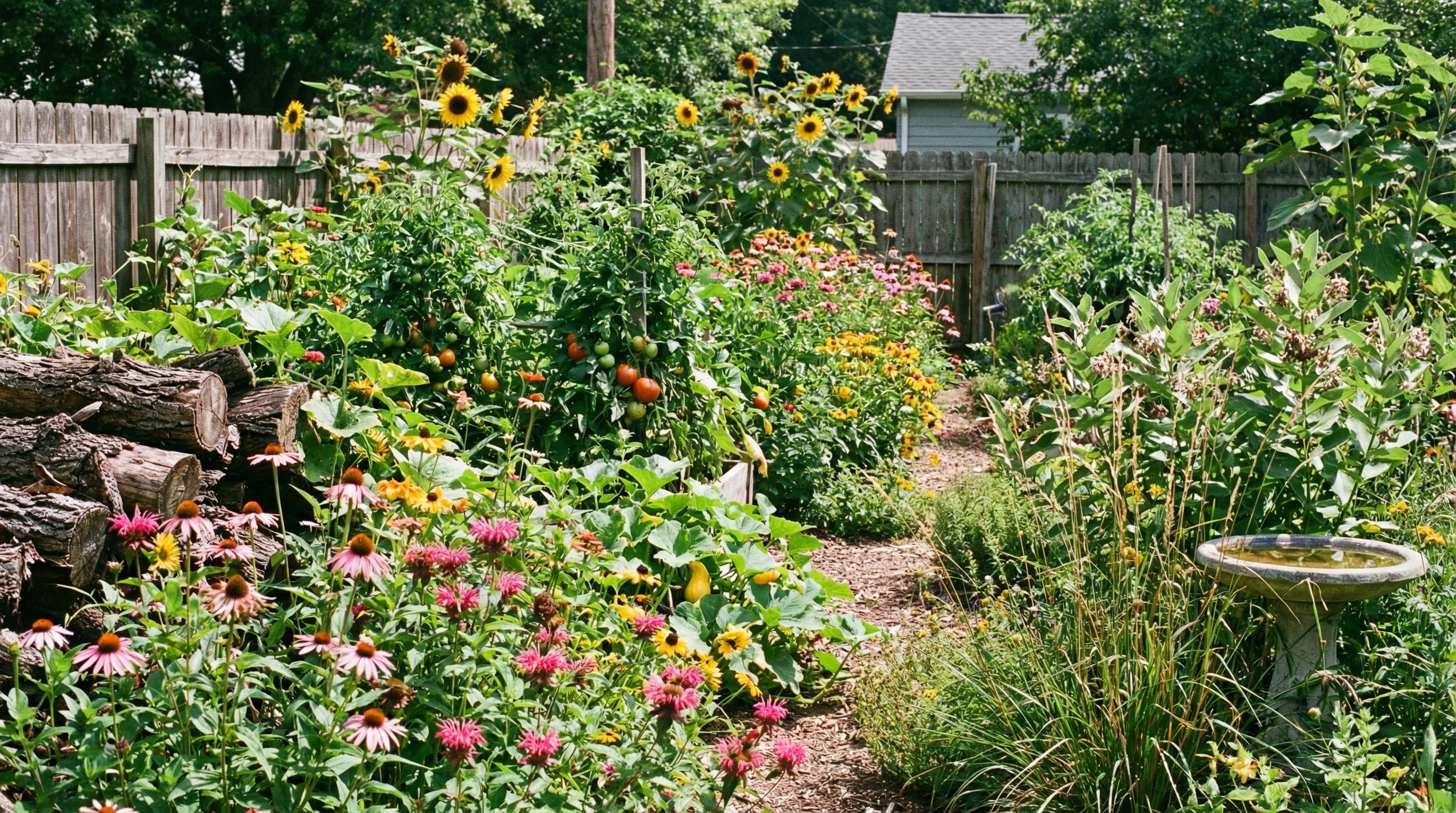
When I started gardening, I quickly noticed more birds in my yard, along with bees and butterflies gathering around my plants.
Home vegetable gardens bring in a surprising amount of life because they add new habitats and food sources that support many different species.
In some neighborhoods, manicured lawns and paved spaces give few options for wildlife.
A vegetable patch with a range of plants can attract pollinators, like bees and butterflies, seekers of nectar and pollen.
Birds often visit to find seeds and insects, while small mammals might find shelter along the edges.
According to experts at the Royal Horticultural Society, even a small garden can pump up the number and types of species that live nearby (source).
Basics of Biodiversity and Why It Matters
People often toss around the word “biodiversity,” but it helps to break down what it means.
Biodiversity refers to the variety of living things in a particular place, from plants and insects to fungi and animals.
Rich biodiversity means there is a mix of different species living together.
This balance helps ecosystems work well, keeps soil healthy, and controls pests naturally.
If a garden only has a few types of plants, it won’t support as much life as one that includes a mix of vegetables, herbs, and flowers.
I found that when I grow different crops, more insects and birds visit my garden daily.
This variety is really important because it creates a stronger, more balanced system where each group supports the others.
For example, pollinators help with vegetable production, and certain bugs help keep pests in check without chemicals.
Setting Up a Biodiversity Friendly Vegetable Garden
Creating a vegetable garden that helps local wildlife doesn’t need to be complicated or expensive.
I started with just a raised bed and a few pots.
Here are the things I think are really important for supporting local biodiversity while growing food:
- Grow a range of plants: Mixed beds attract different pollinators and beneficial insects.
- Include native flowers and herbs: Local species provide food for local wildlife.
- Provide water sources: Even a shallow dish or bird bath adds a valuable drink station.
- Plant densely and add layers: Taller sunflowers, sprawling tomatoes, and lowgrowing lettuces create cover and nesting opportunities.
Leaving small areas a little wild with longer grass or piles of sticks has made a difference in my yard.
Frogs and ladybugs hide there, taking care of pests naturally.
Key Ways Vegetable Gardening Supports Biodiversity
- Hosts Pollinators: Bees, butterflies, and hoverflies rely on flowering vegetables, herbs, and companion plants. I see the most activity around blooming beans, squash, and basil.
- Supports Food Webs: Insects feed on leaves, flowers, or other bugs, and then become food for birds, small mammals, or amphibians. Each group helps keep others’ populations balanced.
- Offers Nesting Spots and Shelter: Thick bean plants and dense herb patches act as safe spots for insects and small birds. Even our hedgehog neighbor sometimes hides behind the compost bin.
- Reduces Chemicals: Growing at home means I use fewer pesticides, so more wild bees, beetles, and helpful spiders survive in my garden.
This direct connection with my own patch reminds me that even small gardens add valuable green space.
Simple Steps for a Biodiverse Vegetable Garden
- Choose openpollinated, heirloom, or native seeds: These usually suit local conditions and often attract more native wildlife than imported hybrids.
- Have bloomer plants through the year: I plant vegetables and herbs that flower at different times. Early peas, midsummer tomatoes, and lateseason squash mean something is always blooming for pollinators.
- Add a water source: I leave a saucer of water with stones for bees and butterflies to land. This tiny addition seems so simple but really helps on hot days.
- Use mulch and compost: Natural mulches keep the soil cool and moist, encouraging worms and soil insects, important for healthy veggies and the birds that hunt them.
- Mix in flowers among vegetables: Marigolds and nasturtiums bring in good bugs that eat pests. They also add color and create a busier space for wildlife.
- Connect your space to others: I avoid solid fences and add climbing plants so birds and small mammals can move between gardens easily.
Common Challenges With Home Vegetable Gardens and Biodiversity
Home gardens offer lots of benefits, but there are some things I’ve had to manage to keep them wildlifefriendly.
- Keeping pests in check: I avoid chemical sprays and look to nature first. Birds, frogs, and ladybugs have done a better job of pest control than any storebought solution.
- Crop diseases: Sometimes, a mix of plants helps prevent disease from spreading, and I rotate what I grow each season to keep the soil healthy.
- Urban pollution: If you garden in a city, soil contaminants or air pollution can make things a bit trickier. Raised beds and quality compost brought into the garden help create a safer growing area.
- Limited space: Small balconies or patio gardens can still make a difference. Even pots with a mix of vegetables and flowers bring pollinators to urban spaces.
Pollinator Activity in Home Gardens
Pollinator populations have dropped in many places because of habitat loss and pesticide use.
Flowering vegetable plants, especially in home gardens, help fill this gap.
Beans, peas, cucumbers, and tomatoes all attract bees.
Herbs like oregano, thyme, and mint blossom and pull in a wide range of pollinators, from tiny solitary bees to bold, eye-catching butterflies.
The Value of Diversity in Vegetables and Flowers
I mix my plantings each season to see what combinations do best and which plants attract the most wildlife.
Growing peas alongside flowering alyssum last year brought in clouds of small pollinators.
Interplanting root vegetables like carrots with strongscented herbs such as dill confused carrot flies and kept them away.
This ongoing experiment helps me learn what works while keeping the garden lively.
This hands-on approach also gives me a frontrow seat to nature’s resilience.
Every season, I tweak which vegetables I grow and which flowers I tuck between the rows.
One year, I added sun-loving calendulas near my peppers and found not only more bees but a noticeable drop in aphid numbers.
Whether you have a sprawling backyard or just a small balcony, testing new plant mixes brings a small sense of adventure and can turn even a tiny corner into a wildlife magnet.
Practical Gear for a Biodiverse Vegetable Garden
Just a few basic tools and supplies have made a big difference for me in turning my vegetable plot into a mini habitat:
- Watering can with a fine rose: Avoids washing away soil and gives pollinators a gentle drink from drips.
- Mulch: Straw, leaves, or woodchips give homes for insects and keep soil healthy.
- Compost bin or pile: Turns waste into rich soil and is teeming with beetles, worms, and creatures that support the garden’s food web.
- Hand fork and trowel: Small enough to weed without harming nearby roots or insect life.
- Nesting boxes or insect hotels: Adds spots for solitary bees and other beneficial bugs to lay eggs. I made mine from hollow stems and old bamboo canes tied together.
For gardeners who want to go a step further, creating a dedicated wild patch or “mini meadow” with tall grass and native wildflowers will give a boost to biodiversity.
Try leaving some veggie stalks and deadwood at the season’s end.
Not only do these leftovers offer shelter for small insects in winter, but they set the stage for more pollinator action come spring.
Even setting up a small log pile at the back of your garden can attract beetles and worms, both of which help break down organic matter and keep the soil thriving.
Frequently Asked Questions
I often get questions about how my vegetable garden helps local wildlife and what steps others can try.
Here are some common ones:
Question: What vegetables are best for pollinators?
Answer:
Squash, beans, peas, and tomatoes are top choices as they all bloom and attract bees and butterflies.
Adding herbs like chives, mint, and basil gives even more food for pollinators.
Question: How big does my garden need to be to help biodiversity?
Answer:
Any space helps, even a few pots on a balcony.
The key is to grow a mix of flowering plants and avoid chemical pesticides or herbicides.
Question: What about pets and wildlife, can they share the garden?
Answer:
Cats may hunt birds or small animals, so I set up feeders and nesting boxes away from places my cat likes to visit.
Dogs usually don’t disrupt pollinators, but I protect beds with short barriers if my dog digs.
The Ongoing Role of Home Gardens in Supporting Biodiversity
Home grown vegetables do much more than feed families.
I’ve learned that every seed sown and every flower planted is a real step toward supporting local wildlife and ecosystem health.
As more people grow their own food, the combined effect of home gardens can shape healthier neighborhoods, invite more species back into our daily lives, and create green spaces that connect us with nature every day.
Wrapping up, home gardeners have a unique chance to step up not just their harvest but the life and health of their entire neighborhood.
By thinking about mix of plants, avoiding chemicals, and leaving a few wild patches, anyone can help wildlife flourish.
Every small effort, from setting out a dish of water to tucking marigolds between the tomatoes, helps keep local ecosystems buzzing and vibrant.
Over time, each backyard, patio, and balcony can join together like a patchwork quilt, making cities and towns more welcoming for all living things—one seedling at a time.