Growing a home vegetable garden is a pretty satisfying way to bring fresh produce straight to your table.
Whether you’re dreaming of juicy tomatoes or crunchy carrots, starting your own garden doesn’t need to feel intimidating.
With some practical steps and a little patience, you’ll see how straightforward it can be to go from an empty backyard (or even a few pots on your balcony) to harvesting your first homegrown veggies.
Why Start Your Own Vegetable Garden?
Having a vegetable garden is about more than just saving a trip to the grocery store.
It’s a fun, hands-on hobby that can save money, boost your family’s nutrition, and help you get outdoors.
When you grow your own, you can pick vegetables at peak ripeness, enjoy better flavors, and avoid unwanted chemicals often found in store-bought produce.
The home gardening trend keeps growing, especially lately, with more people wanting to know where their food comes from.
Folks also find that gardening brings a real sense of accomplishment and helps reduce stress.
Nothing beats heading outside and grabbing a handful of fresh basil or lettuce, right from the garden bed.
Spending time with plants is a proven mood booster and can help connect you with the cycles of nature while giving you a gentle form of exercise.
Plus, if you garden with family or friends, it’s a great way to share time and make new memories.
Getting Started: What You Need to Know
Before planting your first seed, getting clear about the basics makes a big difference.
A vegetable garden can succeed in almost any sunny spot, from sprawling yards to compact patios.
Here’s what you’ll want to figure out up front:
- Location: Look for a spot with at least 6 hours of direct sunlight per day. More sunshine means better growth and higher yields.
- Soil: Healthy soil makes happy plants. Good garden soil feels crumbly, drains well, and is full of organic material. If your soil is heavy clay or sandy, adding compost will help.
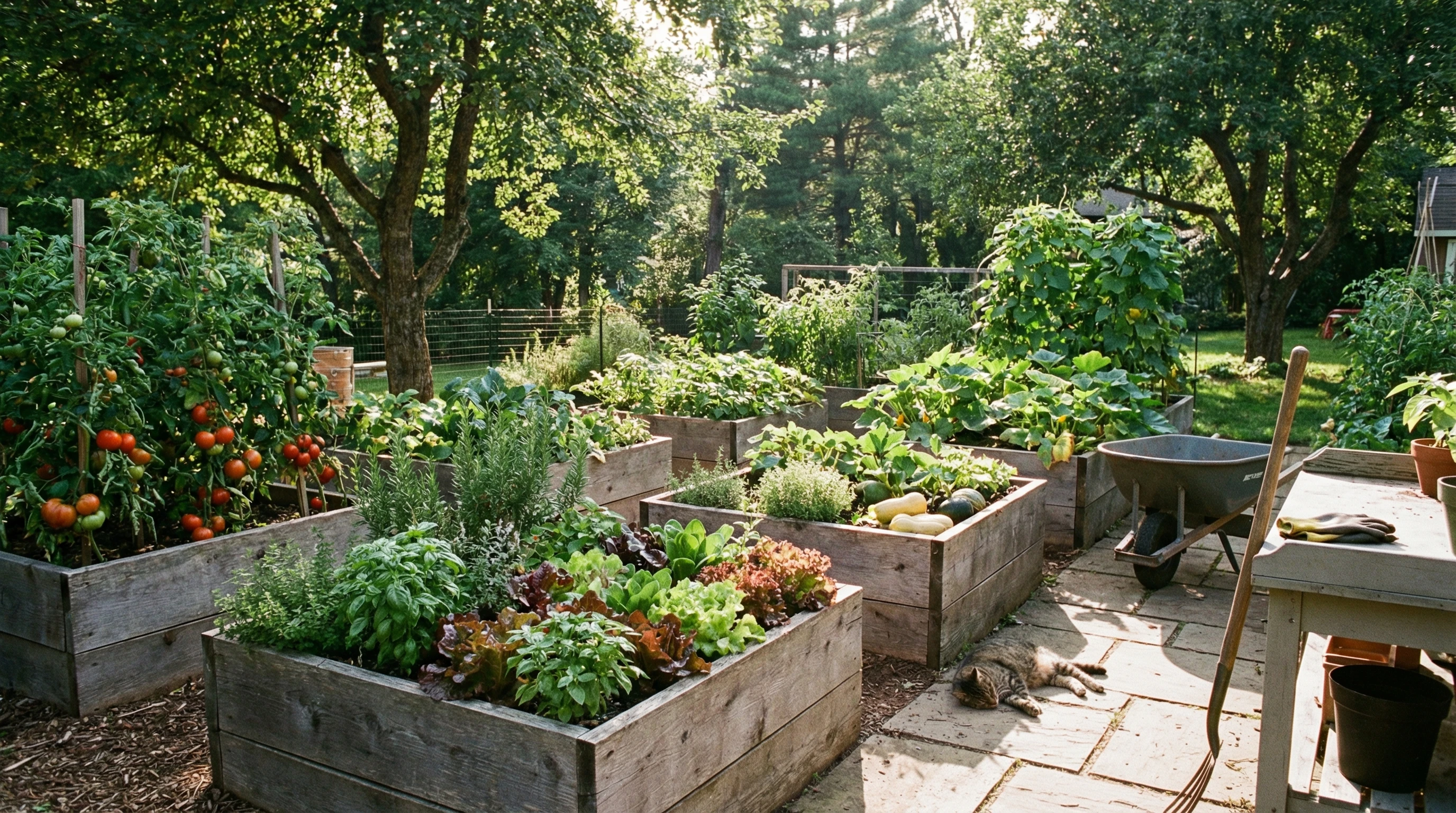
- Space: Choose a size that matches your time and interest levels. Even small raised beds or containers work well to start.
Most veggies like well-draining soil, with plenty of nutrients to fuel growth.
If soil quality is low where you live, raised beds or large pots filled with fresh soil give you a head start.
Having your beds close to the house can also help with regular harvests and makes it easy to keep an eye on pests or weeds.
Beginner’s Guide: Step-By-Step Plan for Starting Your Home Vegetable Garden
The steps for creating a productive vegetable garden can be simple if you break things down.
Here’s a plan I’ve seen help total beginners get solid results:
- Pick Your Location: Find the sunniest spot you can. If possible, keep your garden close to water and easy to access.
- Decide on Garden Style: Raised beds, inground plots, and containers are all popular. Choose what works for your space, budget, and back strength.
- Plan What to Grow: Select easy, fastgrowing crops if you’re just starting. Examples include lettuce, radishes, tomatoes, beans, and herbs.
- Get Your Supplies: You’ll need seeds or seedlings, soil amendments (like compost), basic hand tools (like a trowel or hand fork), and watering equipment (a watering can or hose).
- Prepare Your Soil: Loosen the soil well, mix in compost, and remove rocks or weeds before planting. Healthy soil is the key to vibrant veggies.
- Plant at the Right Time: Read the labels on seed packets or seedlings for planting advice. Coolweather crops go in early spring or fall, while heat lovers wait for warmer temps.
- Water Carefully: Most gardens need about an inch of water per week. Try to water at ground level to keep leaves dry and prevent disease.
- Feed Your Plants: Occasionally add compost or a balanced vegetable fertilizer to keep things growing strong.
- Stay on Top of Weeds and Pests: Check plants every few days. Pull weeds young, and look for early signs of bugs or diseases.
- Harvest and Enjoy: Pick veggies often for the best taste, and to encourage plants to keep producing.
Taking things step by step will help build your confidence, especially if this whole gardening thing is new territory for you.
Make a little checklist or garden journal to track your progress and jot down what works and what doesn’t.
What Should a FirstTime Gardener Grow?
Some vegetables are way easier to grow than others, making them ideal for firsttimers.
Here are my top beginnerfriendly veggies:
- Leafy Greens: Lettuce, spinach, and kale grow quickly and can be harvested many times as “cut and come again” crops.
- Radishes: One of the speediest crops, sometimes ready in just 3–4 weeks from seed.
- Green Beans: Super productive and not very fussy. Bush beans don’t need staking and grow well in small gardens.
- Tomatoes: Homegrown tomatoes are on another level tastewise. If you’re limited on space, cherry tomatoes in a big pot do great.
- Herbs: Basil, cilantro, and parsley are quick wins. Pop them in among other veggies or keep them by the kitchen door for fast access.
Picking a short list of easy growers helps keep your first season lowstress and extra rewarding.
You might also want to try zucchini or summer squash, as these plants are usually super productive as long as they get enough sun and water.
Getting Past Common Beginner Challenges
Most gardeners hit at least a few bumps in the road, especially at first.
Here’s some straight talk about what you might run into, and a few tips I’ve learned the hard way:
- Poor Soil: Unimpressive plant growth usually traces back to poor soil. Stepping up your compost game or buying fresh soil for containers helps a lot.
- Pests: Slugs, rabbits, and bugs can really put a damper on your progress. Checking plants often and using barriers, like mesh covers, helps. Natural predators, like ladybugs, are also your friend.
- Over or Under Watering: Gardens need steady moisture, but soggy roots aren’t good. Stick your finger an inch into the soil. If it’s dry, it’s time to water.
- Choosing Too Many Varieties: Starting small helps you learn. Focus on a handful of veggies so you can get to know each plant’s quirks.
Soil Issues
If your veggies look sad or pale, your soil might be lacking in nutrients.
Adding compost or organic vegetable fertilizer usually perks things up.
If unsure, a simple soil test kit from the garden center will give you the scoop on pH and missing goodies.
Good soil is truly the backbone of any garden—never underestimate its importance for plant health and harvest size.
Pest Problems
Finding tiny holes in your leaves or insect damage?
Try handpicking caterpillars and beetles.
Setting up lightweight row covers can give your seedlings a solid chance to grow before pests find them.
Encourage birds and pollinators, too, as they often keep bug numbers under control.
If you notice damage early, you can usually head off bigger issues before plants are overwhelmed.
Water Worries
Too much or too little water stunts growth and invites disease.
Gardens like consistent but not soggy moisture.
Early morning is the best time to water, giving plants all day to soak up the sun and dry off.
Avoid watering at night, as wet leaves overnight can allow fungus to set in.
Consider covering the soil with mulch to keep in moisture and keep roots cool.
Pro Tips to Get Even Better Results
Once you get a season or two under your belt, it’s natural to want to take things up a notch.
Here are a few easy ways:
Plant Successively: Instead of sowing everything at once, stagger plantings every couple weeks.
This means more continuous harvests instead of a rush of radishes that need eating in the same week.
Feed Your Soil:
As the saying goes, “feed the soil and the soil will feed you.”
Add a layer of compost each spring to keep your soil teeming with life.
Rotating your crops each year will also help prevent pest and disease build up.
Try Mulching:
Spread straw or leaves around your veggies to lock in moisture and prevent weeds from taking over.
Organic mulch breaks down over time, giving an extra boost to soil health.
Keep a Garden Journal:
Jot down notes on what you planted and when, which varieties performed best, and any challenges you faced.
These notes become a valuable resource in the coming years as your gardening confidence grows.
Grow Companion Plants:
Add flowers like marigold or nasturtium to attract beneficial insects and bring in pollinators, which often results in better veggie yields and healthier plants.
Little improvements like these make gardening easier, more productive, and a lot more fun.
Common Questions New Gardeners Ask
It’s pretty normal to feel a little lost when you’re starting out.
I hear these questions all the time:
Question: How do I know if my garden is getting enough sun?
Answer:
Most veggies thrive with 6–8 hours of sunlight per day.
If plants seem stretched and weak, try a sunnier spot or trim back anything casting too much shade.
Watching how sunlight hits your space at different times of the day can really help you pick the best spot.
Question: When should I start planting?
Answer:
This depends on what you want to grow and your region.
Coolweather crops go in early spring or fall, while tomatoes and peppers wait until the danger of frost is past.
Check the seed packet or a local planting guide for your area.
If you’re unsure, most garden centers can also help you choose the right planting dates for popular crops in your climate.
Question: Can I grow vegetables in containers?
Answer:
Absolutely!
Many vegetables and herbs thrive in pots, especially if you use rich soil and water regularly.
Go for large containers for big plants like tomatoes or peppers.
Just make sure your pots have drainage holes, and keep up with watering since container gardens dry out faster in the sun or wind.
Handy Tools and Supplies for FirstTime Vegetable Gardeners
You don’t need a fullblown shed of tools to start growing veggies, but having a few basics makes everything smoother.
I recommend these as a starting kit:
- Trowel or hand fork (for digging and planting)
- Watering can or hose with a gentle spray head
- Garden gloves (to spare your hands from thorns and dirt)
- Compost or organic fertilizer
- Mulch, like straw or shredded leaves
Over time you might add more gadgets, but these basics get most jobs done.
If you want to geek out, soil thermometers and moisture meters are fun upgrades but not required.
Don’t forget to save some seed packets or plant markers, as they’ll help you track down which varieties are planted where and when.
Wrapping Up
Starting a vegetable garden at home is simple, affordable, and brings loads of benefits.
The fresh food, the quiet time outside, and the fun of watching tiny seeds become big, lush plants all add up to a rewarding experience.
Even if things don’t go perfectly your first season, you’re sure to learn a ton—and probably get hooked on growing your own food.
Keep experimenting and tinkering with your garden every season, and you’ll soon be enjoying both small and big harvests while making great memories outdoors.
Happy gardening!