
Feeding picky kids on a vegan diet can feel challenging, especially when it comes to dinnertime.
I know the struggle when you want everyone to finish their plate but your child is not interested in veggies or unfamiliar foods.
Over the years, I have learned which plant based meals win over even the most skeptical little eaters. In this article, I’ll walk you through some kid approved vegan dinners that are both healthy and tasty.
My goal is to help you serve meals your whole family can enjoy, without complaints or extra fuss.
What Makes a Dinner Kid Approved?
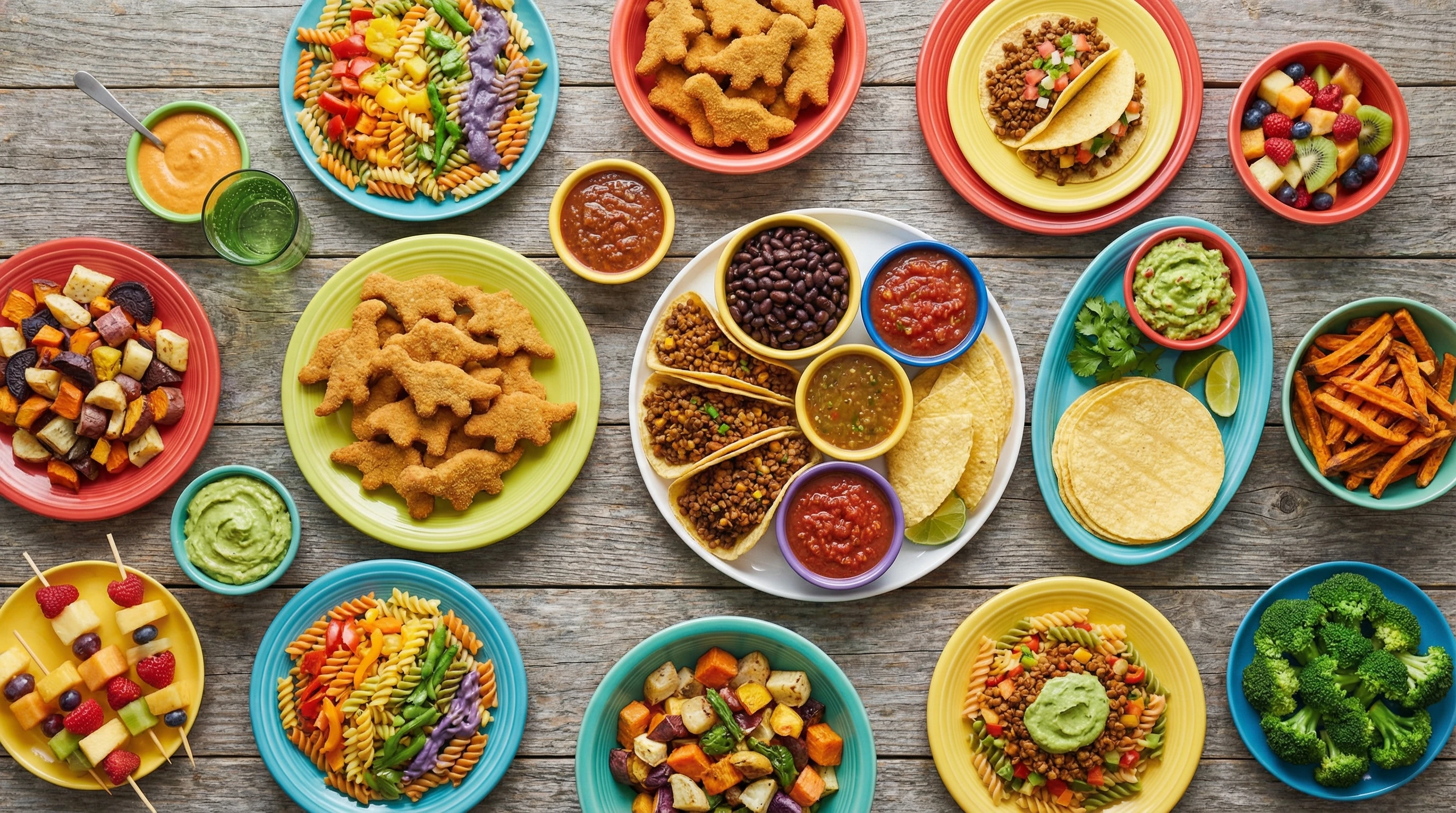
I’ve noticed that for a meal to count as kid approved, especially for picky eaters, it usually needs to be simple, familiar, and colorful.
Bland or overly complicated dishes rarely get the thumbs up.
Texture matters just as much as flavor.
Many kids want their food soft but not mushy or soggy, and they prefer some separation between ingredients.
Including a fun element or a dip can also help turn dinner into something your child actually looks forward to eating.
Thinking about what has worked in my own kitchen, I always try to include at least one flavor or ingredient my child already enjoys.
This could be pasta, potatoes, corn, or something else recognizable.
It’s all about mixing the new with the familiar until trust builds and taste buds catch up.
Even if your child resists at first, persistence and positive associations make a real difference over time.
Common Concerns: Nutrition and Picky Eating
Nutrition is often the first question on my mind, especially with picky kids.
I want to make sure my child is getting enough protein, iron, healthy fats, and calories, all from plant based sources.
It’s pretty easy to rely on bread or plain pasta, but balancing meals is really important for everyday health and growth.
For protein, my go to options include lentils, tofu, beans, and plant based nuggets.
I also add hemp seeds or nut butters to sauces and dips for a nutritional boost.
For iron, I use dark leafy greens blended into pasta sauces, or serve chickpeas in crispy form.
I always choose enriched plant milks to make sure my child gets calcium and B12.
Plus, adding vitamin C rich fruits, like strawberries or oranges, to meals can help with iron absorption, making these nutrients even more accessible for growing kids.
If you want more details on what counts as a balanced vegan meal for children, the Academy of Nutrition and Dietetics has helpful guidelines.
Never hesitate to talk to your pediatrician or a dietitian for more personalized tips.
Intro to Kid Approved Vegan Dinner Ideas
I’ve gone through dozens of recipes and trial dinners to find what works best.
The following meal ideas consistently get approval from my picky eater and her friends.
Many are customizable, so you can swap ingredients in and out based on your child’s likes and dislikes.
- Easy Vegan Mac and Cheese: I blend cooked carrots and potatoes into the sauce for creaminess and sweetness without any weird flavor. Adding nutritional yeast gives it that traditional cheesy taste, so kids often don’t realize it’s vegan.
- Veggie Nuggets and Fries: Store bought vegan nuggets or homemade chickpea ones offer comfort food appeal. I serve these with oven baked potato wedges or carrot sticks, and a side of ketchup or a mild barbecue dip.
- Taco Night: Soft tortillas filled with lentil taco “meat,” beans, or sautéed veggies are endlessly adaptable. I set out bowls of toppings like chopped tomatoes, avocado, and corn so my child can build their own dinner.
- Vegan Pizza: Personal minipizzas work great for picky eaters. I let my child top theirs with sauce, vegan cheese, and a few familiar veggies. English muffins or pita bread make easy pizza crusts.
- Pasta with Hidden Veggie Sauce: Pureed roasted cauliflower or spinach stirred into marinara sauce adds volume and extra nutrition. My trick has been to blend everything until it’s completely smooth so there are no visible veggie bits.
- Stir Fry with Familiar Flavors: I use tofu or tempeh for protein and favorite vegetables like broccoli or carrots. A simple soy sauce or teriyaki glaze often seals the deal. Sometimes, I add pineapple chunks for an extra bit of sweetness.
Quick Guide to Making Vegan Meals More Appealing
I’ve picked up a few tricks for turning vegan dinners into something my child actually wants to eat.
Here are my best tips for winning over picky eaters:
- Stick to Familiar Shapes: Fun pasta shapes, bitesized snacks, and handheld foods always get more interest in my house. Mini pancakes, fingerfriendly fritters, and rollups go quickly.
- Get Kids Involved: Even a small task like stirring or picking toppings builds excitement. Sometimes, letting my child “decorate” their taco or pizza means they’re more willing to try it once it’s served.
- Offer Dips on the Side: Vegan ranch, hummus, or even basic ketchup turn plain veggies into fun dippers. I find new foods are less intimidating when they can be dipped.
- Keep Ingredients Separate: When everything is mixed together, hesitant eaters often reject the whole plate. Deconstructed meals, like grain bowls with sections, let kids taste ingredients at their own pace.
- Be Consistent but Patient: My child almost never loves something new the first time. I serve new dishes alongside old favorites and try again in a week or so, which often leads to gradual acceptance.
Common Challenges, and Practical Solutions
Vegan dinners for picky kids come with a learning curve.
Here are some issues I’ve run into and how I deal with them:
- Refusing All Vegetables: I blend veggies into sauces, or use mild tasting ones like carrots and corn. Roasting makes vegetables sweeter and often more appealing. Sometimes, pairing veggies with a fun dip or including them in favorite dishes encourages trying at least a bite.
- Protein Concerns: If beans are refused, I use silken tofu in smoothies or pancakes, or serve roasted chickpeas as snacks. Plant based meat options work well in moderation, especially for transitioning families.
- Texture Sensitivity: Crunchy coatings, soft pasta, and smooth dips are my go tos. I avoid mushy or stringy foods that can be a turn off. Paying attention to your child’s specific texture preferences can make introducing new foods a little easier.
- Same Food Repeatedly: When my child fixates on one dinner, I build on that theme to introduce variety. For instance, if spaghetti is the favorite, I’ll try different noodles or toss in new sauce ingredients over time.
- Meal Fatigue: If interest in favorite foods starts fading, changing up presentation or serving in a bentostyle tray can renew excitement. Even simple changes like using fun picks or new plates bring some novelty to the table.
Refusing All Vegetables
Sometimes, vegetable avoidance hits hard.
I rely on pureed sauces and mixins to make sure nutrients still get through.
Savory muffins or pancakes with blended spinach or sweet potato can be surprisingly successful and might even become a requested treat.
Protein Concerns
Some kids really dislike the texture of beans or tofu.
I use plant based mince or crumbled tempeh in tacos and shepherd’s pie, since these have a chewy, comforting texture.
Occasionally, I blend white beans into creamy pasta sauces or soups for extra protein, and sometimes even add a tablespoon of hemp seeds to a smoothie or pudding for an easy protein boost.
Texture Sensitivity
I pick recipes that are naturally crispy or creamy.
Once, I tried crunchy baked tofu cubes coated in breadcrumbs, and the extra texture made all the difference for my child.
It can also help to gently introduce new textures alongside familiar favorites rather than all at once.
Same Food Repeatedly
Sticking with familiar formats opens the door for gradual new tastes.
For example, if a child likes vegan pizza, I might add a “tasting tray” with extra toppings on the side.
Sometimes, an old favorite just needs a new sauce or fun plate to spark interest again.
Making mealtime interactive, like letting kids create animal faces with veggies on their plate, can also encourage some curiosity.
Advanced Tips: Boosting Nutrition Without Sacrificing Flavor
After several years making vegan dinners for my child, I’ve found several ways to sneak more nutrients into meals without a struggle:
Mix in Superfoods: I add chia seeds, hemp hearts, or ground flaxseed into baked goods and smoothies.
These have almost no flavor when used in small amounts and give a boost to protein and healthy fats.
Even a sprinkle on oatmeal or cereal before serving adds nutrition without noticeably changing the dish.
Enrich Sauces and Mashed Foods:
Stirring in plant based yogurt, pureed beans, or tahini can make sauces creamier and more wholesome.
I also sometimes blend in cashews for extra richness.
These tweaks not only up the nutrition but also give common dinners a new taste or texture, which can distract from the healthy upgrades.
Choose Enriched Plant Milks:
I use fortified soy or oat milk in anything that could use some creaminess, from soups to mac and cheese.
This ensures my child gets calcium and vitamin D.
These milks also help smooth out mashed potatoes or add creaminess to desserts like rice pudding or overnight oats.
With each new trick, I pay close attention to my child’s feedback and make small changes over time.
Taste really matters, so if an add in changes the flavor, I try again in smaller amounts or in a different format.
The key is patience and a willingness to experiment until you hit the right combination.
Real World Examples from My Kitchen
When I started out, my child wanted nothing but French fries and peanut butter toast.
Now, we have several vegan dinners on regular rotation that she actually requests:
- Rainbow Veggie Stir Fry: Broccoli, bell pepper, and snap peas tossed with noodles and a mild homemade teriyaki sauce. Sometimes I use rice instead of noodles to keep things interesting.
- Build Your Own Burritos: Brown rice, black beans, corn, avocado, and salsa wrapped in a flour tortilla. Letting kids customize their own fillings makes this a mealtime win.
- Smiley Potato Faces with Baked Nuggets: A homemade version using mashed carrots and potatoes, shaped and baked, served with kidfriendly vegan nuggets. The silly faces get smiles before the first bite!
I’ve noticed that involving my child in each stage, even just stirring sauce, always helps.
Giving her some control over toppings and side dishes has reduced dinnertime stress.
It takes some trial and error, but eventually most kids expand their preferences and start eating a wider variety of vegan foods.
Frequently Asked Questions
What do I serve if my child won’t eat beans?
Roasted chickpeas, lentil based pasta, or vegan nuggets are good alternatives.
Sometimes serving beans in soup or blended into dips makes them more appealing.
You can also try spreading a thin layer of white bean dip on toast if plain beans are too much.
How do I get my picky eater to eat more vegetables?
I try roasting or pureeing vegetables, and pair them with a favorite dip or sauce.
I also offer small portions so it feels less overwhelming.
Involving kids in picking out a veggie at the store or prepping it in the kitchen can make them more likely to give it a shot.
Are store bought vegan nuggets and burgers healthy enough for kids?
Occasional use is fine, especially for picky eaters.
I always check labels for protein, iron, and sodium content, and balance processed foods with plenty of whole grains, legumes, and fresh produce.
Keeping processed options as backup meals is handy but focusing mostly on homemade or whole food versions pays off long term.
Final Thoughts: Making Mealtime Easier
Feeding picky eaters a vegan dinner is absolutely possible with some patience, creativity, and willingness to try new approaches.
I focus on familiar flavors, fun presentations, and a steady rotation of favorite foods.
Gradually, I introduce new dishes alongside what my child already likes.
Over time, I’ve seen my own child go from refusing all vegetables to happily eating rainbow stir fries and plant based tacos.
Dinnertime doesn’t have to be a battle.
With these ideas and strategies, you can start making vegan dinners your kids love, and you’ll enjoy the process more too.
By mixing up mealtime with a positive attitude and a few smart tricks, you’re on your way to happier, healthier eating for the whole family.