
Mastering plantbased Indian curries is a fulfilling experience, both in flavor and creativity.
I find that Indian curry cooking gives me endless ways to experiment with spices, local produce, and plantbased proteins, all while connecting with tradition.
With more people moving to plantbased diets, knowing how to bring out the real depth and taste of Indian curries can make everyday meals feel special.
I’m sharing my approach to reinventing classic Indian curries, focusing on both authenticity and plantpowered ingredients.
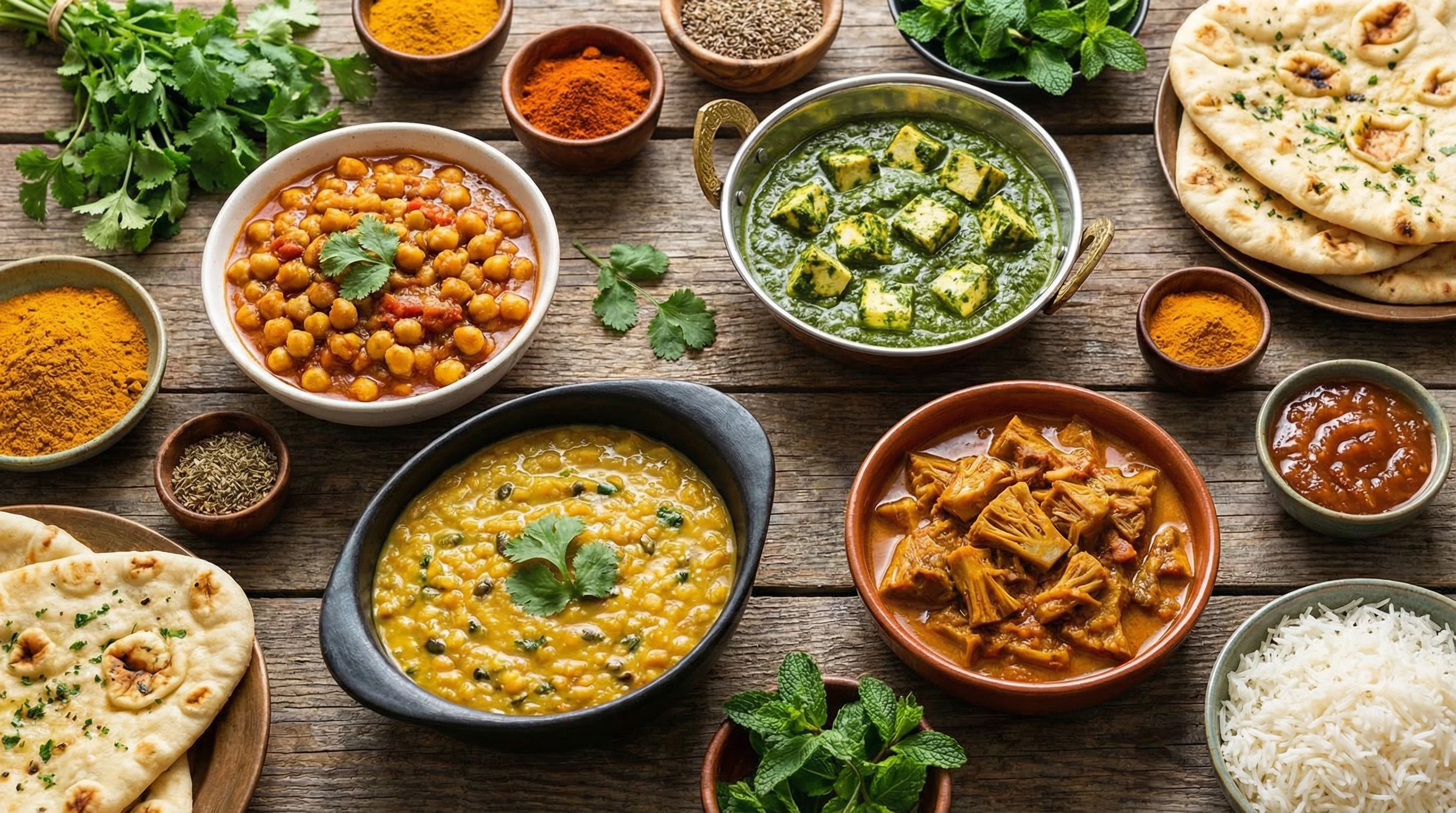
Understanding the Heart of Indian Curries
Indian curries have been a core part of Indian cuisine for centuries.
Every region in India has its own variation, driven by local ingredients, climate, and cultural traditions.
Curry, in the traditional sense, refers not just to a single sauce or stew but to a broad variety of dishes that use a base of spices cooked in oil, combined with vegetables or proteins and finished with fresh herbs, coconut, or cream.
I grew up thinking curry was just a generic yellow sauce, but spending time cooking with family and reading about regional cuisines showed me how much more there is to learn.
In North India, curries often include dairy like ghee or cream for richness, while in South India, coconut milk, curry leaves, and tamarind play a bigger role.
Reinventing these classics with plantbased ingredients means making a few switches, but the foundation of flavor remains the same.
The plantbased movement has helped bring Indian curries to a wider audience, with many traditional recipes already focusing on lentils, beans, and vegetables.
For those new to this cuisine, understanding these core concepts helps unlock endless recipe possibilities.
Essential Ingredients and Pantry Staples
Building a wellstocked Indian pantry speeds up meal prep and guarantees authentic taste.
Here are the staples I always keep on hand when working with plantbased curries:
- Whole and ground spices: Cumin, coriander, turmeric, mustard seeds, cinnamon, cloves, cardamom, garam masala, and chili powder form the backbone of almost every curry recipe.
- Onions, garlic, and ginger: These aromatics are usually the first in the pan. I always use fresh ginger and garlic for the best flavor, though storebought gingergarlic paste is convenient for busy nights.
- Lentils and legumes: Red lentils (masoor dal), split pigeon peas (toor dal), chickpeas (chana), and black lentils (urad dal) add protein, texture, and creaminess to vegan and vegetarian curries.
- Tomatoes and coconut milk: Canned or fresh tomatoes form a tangy base, while coconut milk gives a rich finish, especially in Southern Indian food.
- Fresh herbs: Cilantro and curry leaves offer color and aroma right at the end.
Buying highquality spices from reputable stores makes a big difference.
I like to roast and grind my own spice blends for classic dishes like chana masala or sambar.
This step isn’t strictly necessary, but I find it gives the curry incredible depth.
Fundamentals of Making a Great Curry
The secret to a delicious curry is all about technique.
I break down the basic process into a few easytofollow steps that can be adapted for almost any plantbased curry:
- Bloom spices in oil: Start by heating oil (or a vegan butter) and letting whole spices sizzle for a few seconds. This step unlocks the aroma—so it’s really important to let them pop but not burn.
- Sauté aromatics: Add onions, ginger, and garlic and cook until golden brown. This step builds the base of the curry and gives a sweetness boost.
- Add ground spices: Sprinkle in ground spices and cook briefly. This removes any raw flavor and develops complex notes in the sauce.
- Create the sauce: Stir in tomatoes, coconut milk, or yogurt alternatives. Simmer until the sauce thickens and the raw taste of the tomatoes disappears.
- Main ingredients go in: Toss in vegetables, tofu, beans, lentils, or plantbased meat alternatives. Simmer until tender and wellcoated in the sauce.
- Finish with herbs and acid: Add chopped cilantro, curry leaves, or a squeeze of lemon or lime juice right at the end for a fresh kick.
Following this method, I’ve found it’s easy to swap the main ingredient or even adjust the spices to suit what’s in the pantry.
Trying new combinations has helped me track down some of my favorite curries.
If you’re looking to get into Indian curries, just know that experimenting and playing around is key.
Smart Ingredient Swaps for Plant-Based Curries
Many traditional curries use dairy, ghee, or meat, but plantbased versions are easy to create with the right swaps.
Here are some adjustments that have worked well for me:
- Use coconut oil or avocado oil in place of ghee: These oils add flavor while keeping the curry veganfriendly.
- Switch out cream with coconut cream or cashew cream: Blended soaked cashews mimic the thickness and subtle sweetness of dairy cream, especially in korma or tikkamasala.
- Try tofu, tempeh, or seitan as the protein: These ingredients soak up curry flavors and provide satisfying texture in place of paneer (Indian cheese) or chicken.
- For yogurtbased dishes, use plain nondairy yogurt: Unsweetened coconut or almond yogurt works well in dishes like kadhi.
These small changes keep the flavors authentic while making curries lighter and more inclusive for those avoiding animal products.
Plantbased adaptations also open up more recipes to friends and family with dietary restrictions.
Popular Plant-Based Indian Curries to Start With
I often recommend starting with these classic recipes, since they’re naturally plantbased or can be easily adapted:
- Chana Masala: A hearty and tangy chickpea curry that’s rich in protein and flavor. Serve it with rice or flatbread.
- Dal Tadka or Dal Makhani: Both are comforting lentilbased curries, with dal makhani using black lentils and kidney beans in a gently spiced, creamy sauce.
- Aloo Gobi: Potatoes (aloo) and cauliflower (gobi) blend together in a mildly spiced tomato sauce. I roast the vegetables first for added flavor.
- Baingan Bharta: Roasted eggplant mashed and simmered in spices, delivering smoky sweet depth.
- Vegetable Korma: Assorted vegetables in a creamy, gently flavored sauce made from cashews and coconut milk.
- Rajma: Kidney beans cooked in a tomato and onion masala, kind of like chili, but with deeper Indian spices.
Trying these curries gives a strong foundation, making it easy to branch into regional specialties or invent new recipes.
If you’re ready to jump into Indian cooking, these classics are a great way to start.
Common Challenges and Tips for Success
Mistakes are part of the process, and even experienced cooks run into hiccups.
Here are some hurdles I’ve faced and how I handle them:
- Spice balance: Using too much or too little spice can overwhelm the dish. I start with less and taste as I go. Roasting whole spices or blooming ground spices in oil can tone down harsh flavors.
- Getting the sauce to thicken: If the sauce is too thin, I let it simmer uncovered to reduce or blend in some cooked lentils for natural thickness.
- Achieving a complex flavor: Patience is really important. Slow simmering, layering flavors, and finishing with fresh herbs or a splash of lemon really brighten up the dish.
- Finding the right substitutions for dairy: Testing different nondairy creamer or yogurt brands can make all the difference. I always choose the thickest, plain options for the truest taste.
Experience and experimenting are the best teachers.
Over time, my curries have gotten better just by making small tweaks based on trial and error.
When you try new substitutions, keep notes on what works best for next time.
NextLevel Techniques for Curry Enthusiasts
With practice, I‘ve enjoyed pushing curries further by playing with advanced ideas:
- Make your own spice blends: Tasting the difference between store bought and freshly ground garam masala convinced me to grind small batches at home. Toasting the spices first adds extra warmth to any curry.
- Roast or grill vegetables before adding: Charred eggplant, roasted sweet potatoes, or fireroasted tomatoes give depth and smoky notes, especially in dishes like baingan bharta.
- Add pickles or fermented elements: A spoonful of mango pickle or fermented chutney adds zing and complexity. Even adding a few drops of homemade lemon pickle brine can enhance flavors.
- Experiment with international ingredients: I sometimes include kale, quinoa, or even jackfruit for a new twist on tradition. Adding grains like millet or barley can add nutrition and texture to curries.
These extra steps can bring a whole new dimension to classic curries and keep things exciting in the kitchen.
If you’re wanting to step up your skills, try one new technique each week and see the difference.
Everyday Equipment to Support Your CurryMaking
The right kitchen tools make preparing curries more relaxing and fun.
I rely on a few basics that are helpful for both beginners and home cooks looking to advance their skills:
- Heavybottomed pot or Dutch oven: Even heat helps spices cook evenly without burning. These pots also hold heat well for slow simmering.
- Blender or food processor: Smooth purees help make silky sauces for korma and makhani curries.
- Grater or microplane: Freshly grated ginger and garlic have more flavor than jarred pastes.
- Spice grinder: Grinding small batches of spices helps keep everything fresh. A clean coffee grinder does the job just fine.
For an added tip, keep a dedicated spatula or spoon for curries to avoid spreading strong spice aroma to other dishes.
Frequently Asked Questions
These are a few questions I hear from friends and new cooks looking to master plantbased Indian curries:
Question: Can I make curries ahead of time?
Answer:
Yes, most curries taste even better after resting in the fridge overnight.
The spices have more time to mix together and mellow, making leftovers extra delicious.
Question: What plantbased protein works best in an Indian curry?
Answer:
Chickpeas, lentils, tofu, tempeh, and even seitan work well.
They each soak up flavors differently, so I experiment to see what I like best in each recipe.
Question: How do I adjust spice levels for sensitive eaters?
Answer:
I usually add chili or cayenne a pinch at a time.
I also keep a fresh batch of coconut yogurt on the side for those who prefer a milder curry.
Keeping fresh lime wedges handy for squeezing over individual servings helps cool things down too.
Start Exploring Plantbased Indian Curries in Your Kitchen
Learning to cook plantbased Indian curries delivers both tradition and innovation to the table.
I track down something new every time, whether it’s mastering a new spice blend or swapping in a seasonal vegetable.
My advice is to build confidence with a few classic recipes, adjust techniques to fit your style, and keep trying new flavor combinations.
Indian curries offer a huge world of plantbased options.
Each meal is a chance to celebrate both history and creativity at home.
Don’t be afraid to experiment—your next favorite curry might be just one tweak away!