Planning a healthy plantbased menu for the entire week helps me save time, minimize food waste, and make healthier choices even when life gets busy.
When I first started, meal prepping seemed a little overwhelming, but a few simple habits made it manageable and enjoyable.
With the right approach and a bit of planning, building a balanced plantbased menu for the week feels straightforward and rewarding.
Meal Prep Basics for a Balanced Plantbased Week
Meal prepping isn’t complicated, but it does require organizing my time and ingredients.
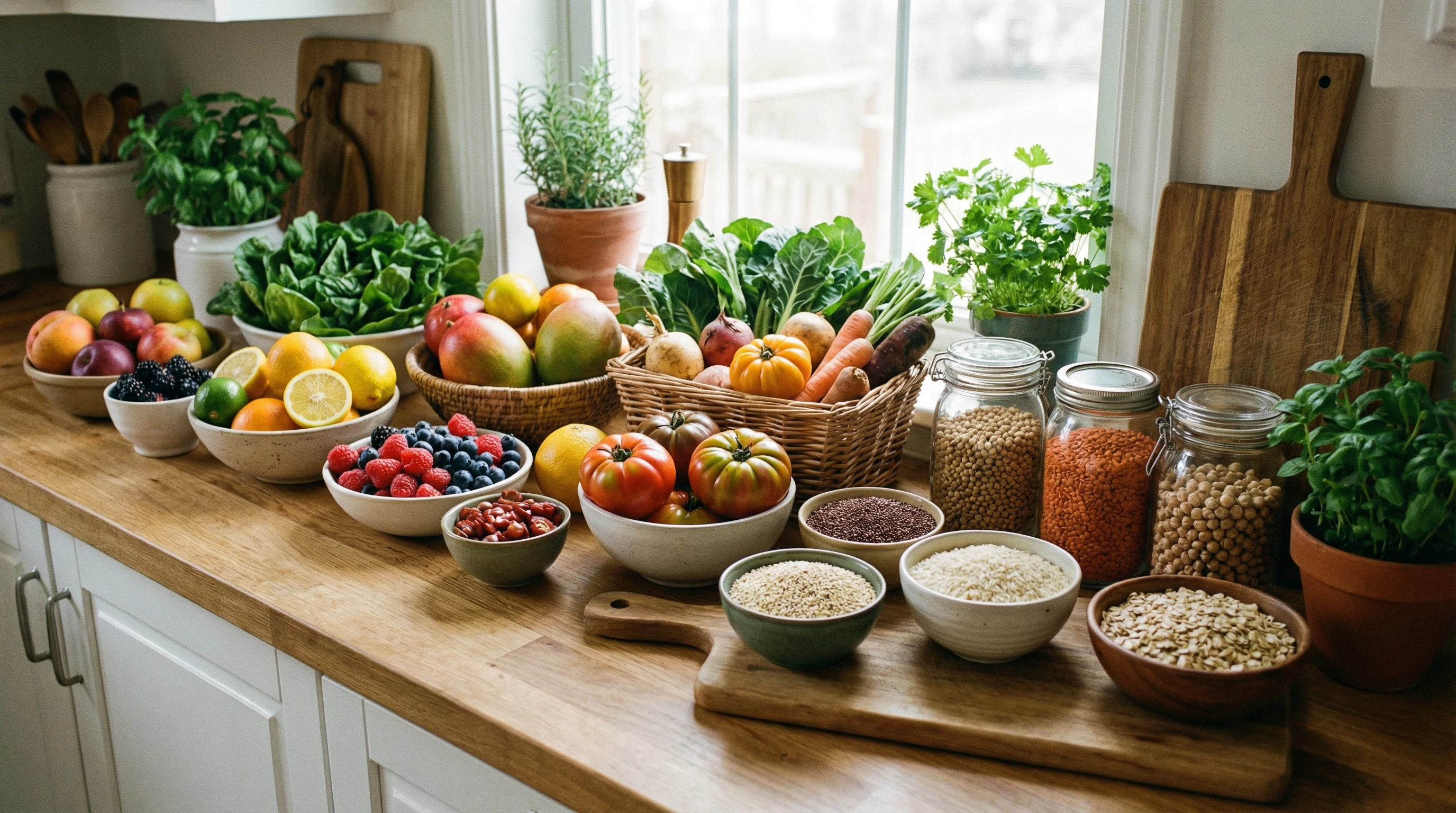
I start by planning my menu for the week, focusing on a combination of whole grains, legumes, fresh fruits and vegetables, nuts, seeds, and healthy fats like avocado and olive oil.
Eating a variety of plantbased foods provides all the macronutrients and micronutrients my body needs.
I aim to include different colors and types of produce, since each color brings a unique blend of vitamins, minerals, and antioxidants to my plate.
Studies from Harvard School of Public Health show that wellplanned plantbased diets can help lower the risk of heart disease and support healthy weight management.
By including a balance of protein sources, complex carbohydrates, and healthy fats, I make sure I’m getting enough nutrients, energy, and flavor in every meal.
Learn more about a balanced plantbased plate.
StepbyStep: How I Plan My Weekly Menu
Starting each week with a plan helps me avoid lastminute takeout or skipping meals.
Here’s how I get organized for a plantbased meal prep that covers breakfast, lunch, dinner, and snacks:
- Choose Main Dishes: I pick two or three recipes I enjoy for dinners and rotate them. Good options include bean chili, vegetable stir fry, lentil soup, or tofu curry.
- Plan Breakfasts and Lunches: For breakfasts, I stick to easy favorites like overnight oats with fruit, chia pudding, or breakfast burritos filled with black beans and veggies. Lunch might be a grain bowl, big salad, or leftovers from dinner.
- Add Snacks and Small Meals: I include snack ideas like hummus and veggie sticks, trail mix, fruit, or rice cakes with nut butter.
- Write a Shopping List: I make a list broken down by sections (produce, pantry, fridge) to help with efficient shopping and reduce forgotten ingredients.
- Prep in Batches: Once I shop, I spend a couple of hours washing and chopping vegetables, cooking grains and legumes, mixing sauces, and portioning snacks.
This system cuts down on daily cooking, helps keep my meals varied and nutritious, and saves a lot of stress midweek.
Foods to Always Include in My Plantbased Prep
By stocking my kitchen with certain staples, prepping a balanced menu becomes easier.
Here are categories I always include in a plantbased week:
- Whole Grains: Brown rice, quinoa, oats, barley, and wholewheat pasta form the base for many meals.
- Legumes: Chickpeas, lentils, black beans, and edamame provide filling protein and fiber.
- Vegetables: Leafy greens, bell peppers, carrots, broccoli, cauliflower, and sweet potatoes pump up nutrients. Roasted or steamed veggies work in bowls, wraps, or as sides.
- Fruits: I grab apples, bananas, oranges, and berries for fresh eating, blending, or toppings.
- Healthy Fats: Avocados, nuts, seeds, and olive oil increase fullness and flavor.
- Herbs and Spices: Fresh cilantro, basil, garlic, ginger, curry powder, smoked paprika, and cumin make simple ingredients exciting.
Rotating through these basics each week ensures that my meals don’t get boring, and I’m always getting a complete range of nutrients.
Sometimes I change up the grains, toss in new beans or even try out less common produce like rainbow chard or jicama.
This way, there is always a little surprise to stumble upon in each meal prep.
My Top Plantbased Meal Prep Strategies
I’ve learned that a few specific techniques really make meal prepping smoother and help foods last all week long.
These are the ones I think are most useful:
- Batchcook grains and legumes: Cooking a big pot of brown rice or lentils saves time. I’ll use these as a base for grain bowls, stir fries, and salads.
- Prepare versatile sauces and dressings: A homemade tahinilemon sauce or peanut ginger sauce can turn any bowl of veggies and grains into a flavorful meal.
- Mix and match ingredients: Roasted vegetables, cooked beans, and grains can be blended in different ways throughout the week. Sometimes I’ll do wraps, other times I’ll go with salads or bowls.
- Preportion snacks and sides: Keeping cut veggies, fruit, and trail mix in containers means I’m less likely to skip meals or reach for junk food when I’m hungry.
- Use freezerfriendly meals: I’ll double recipes like lentil curry or vegetable chili, freezing half for another week. This makes meal prepping easier, especially on hectic days.
If I know the week will be extra busy, I focus on meals that store well and are quick to reheat.
Keeping a mix of cooked and raw ingredients lets me change things up when I want a cold salad or a hot bowl.
What to Watch Out For When Meal Prepping Plantbased Meals
Meal prepping on a plantbased diet is pretty straightforward, but there are a few things that can trip me up if I’m not careful.
Here are some challenges and how I manage them:
- Not Enough Variety: Eating similar meals every day can get dull. I try to use different grains, beans, and vegetables, or experiment with new herbs and spices. Swapping sauces creates a whole new meal out of the same base ingredients. Sometimes, I’ll seek inspiration from cookbooks or online plantbased communities to track down creative ideas.
- Getting Enough Protein: I make sure I’m adding beans, lentils, tofu, or tempeh to at least one meal per day. I sometimes toss in nutritional yeast for an extra boost and unique flavor.
- Missing Micronutrients: Vitamin B12, iron, and omega3s are really important for plantbased eaters. I pay attention to fortified foods, leafy greens, seeds (like chia and flaxseed), and consider supplements for nutrients like B12 if needed. The NutritionFacts.org vegan nutrient deficiency guide is a resource I often recommend.
- Food Spoilage: Cooked grains and legumes last about 34 days in the fridge. If something won’t be eaten quickly, freezing half helps reduce waste.
- Social and Family Preferences: I try to involve my family when choosing weekly recipes. This makes everyone feel included, and meals are more likely to be enjoyed by all.
Micronutrient Tips for Plantbased Meal Prep
It’s easy to overlook the little things when planning ahead, but getting a range of vitamins and minerals is just as important as calories or protein.
Here are a few things that have helped me:
- Add a source of vitamin C (like bell pepper or citrus) when eating iron rich foods. This pumps up iron absorption.
- Use iodized salt or sea vegetables once or twice per week for iodine.
- Include ground flaxseed, chia seeds, or walnuts regularly for plantbased omega3s.
- Pick up a reliable B12 supplement or regularly choose fortified plant milks and cereals.
Advanced Prep: Take My Meal Planning Up a Notch
Once the basics are down, there are a few more strategies I use to save even more time and keep things interesting during the week:
Try new cuisines:
Exploring flavors from different cultures, like Thai peanut noodle bowls, Moroccan chickpea stew, or Mexican black bean wraps, keeps meals fun and lets me stumble upon new favorites.
Use theme nights:
Assigning different cuisines or meal types to each day, such as “Taco Tuesday” or “Soup Sunday,” helps narrow down choices and makes planning exciting for everyone.
Invest in good storage containers:
Leakproof, stackable glass or BPAfree plastic containers keep foods fresh and make grabbing meals from the fridge convenient.
This simple step really gives meal prepping a huge boost.
Use a planner app or calendar:
Tracking what I’m making and using checklists for prepping helps me stay organized, waste less food, and make sure nothing gets forgotten at the store.
Batch breakfasts and freezer meals:
Prepping breakfasts (overnight oats, smoothie packs, breakfast muffins) or extra dinners that freeze well helps me stick to healthy choices even with a packed schedule.
Making double batches of stews, soups, or curries means my freezer always has backup meals ready to go.
This trick comes in handy for surprise busy days or when I just don’t feel like cooking.
Practical Examples of My Plantbased Meal Prep
Plantbased meal prepping can look a lot of different ways.
Here’s what a simple week of meal prep might look like for me:
- Breakfast: Overnight oats with almond milk, berries, and chia seeds prepped in jars for three days. Scrambled tofu with spinach and mushrooms for variety and a change of pace.
- Lunch: Grain bowls using brown rice, black beans, roasted sweet potatoes, and kale. I top with tahini dressing or salsa for flavor. Sometimes, I’ll pack a chickpea salad sandwich or bring along veggie sushi rolls to switch things up.
- Dinner: Chickpea curry with steamed broccoli. Next night, I use leftovers in a wrap with greens. The third night, I heat frozen vegetable chili from past meal prepping sessions. Rotating in a stir fry with tofu keeps things interesting.
- Snacks: Presliced carrots, hummus, trail mix, apple slices, and airpopped popcorn. Occasionally, I make energy bites with oats, nut butter, and seeds for a sweet treat that satisfies.
- Drinks: I brew a big pitcher of herbal iced tea or infuse water with mint and lemon for something refreshing between meals. This helps me stay hydrated and cuts back on sugary drinks.
By prepping several key ingredients and a few meals in advance, I always have healthy options on hand, even when my schedule gets packed.
It makes eating well second nature because the best choices are always right in front of me.
Frequently Asked Questions
Here are some questions I’ve come across when helping others get started with plantbased meal prepping:
Question: How do I make sure I get enough protein?
Answer:
I use beans, lentils, tofu, tempeh, nuts, and seeds in many meals.
Measuring portions for the week and including a protein source in each meal helps.
The Academy of Nutrition and Dietetics shares plantbased protein planning ideas.
Question: Can plantbased meals be prepped in advance without getting soggy or bland?
Answer:
I keep sauces and dressings separate, store leafy greens undressed, and add crunchy toppings (like seeds or nuts) just before eating.
Roasted vegetables keep their texture better than steamed when stored.
Question: How do I keep fresh produce from spoiling too soon?
Answer:
I buy frozen fruits and vegetables to supplement fresh ones, prep only enough for a few days at a time, and store greens with a paper towel in the container to absorb moisture.
Cutting and washing produce right before eating also extends freshness.
Buying produce that’s in season also means it often lasts longer and tastes better.
Start Meal Prepping for a Balanced Plantbased Week
Meal prepping for a balanced plantbased menu takes a little practice, but I’ve found it really helps with healthy eating and stressfree weeks.
Organizing my meals ahead of time, keeping key ingredients on hand, and mixing up flavors make plantbased eating enjoyable, varied, and easy to stick with.
No matter how busy life gets, having a game plan means I’m always set up for success and delicious meals are just a few minutes away.