
Keeping vegetable beds healthy without synthetic chemicals is something I’ve focused on after seeing how natural methods can keep both pests and crops in balance.
Organic pest control has become a big topic in home gardening as more people want safer food and a less harmful impact on the environment.
I’m going to walk you through simple and practical ways to manage pests naturally in your vegetable beds, using approaches that have worked for me and many others.
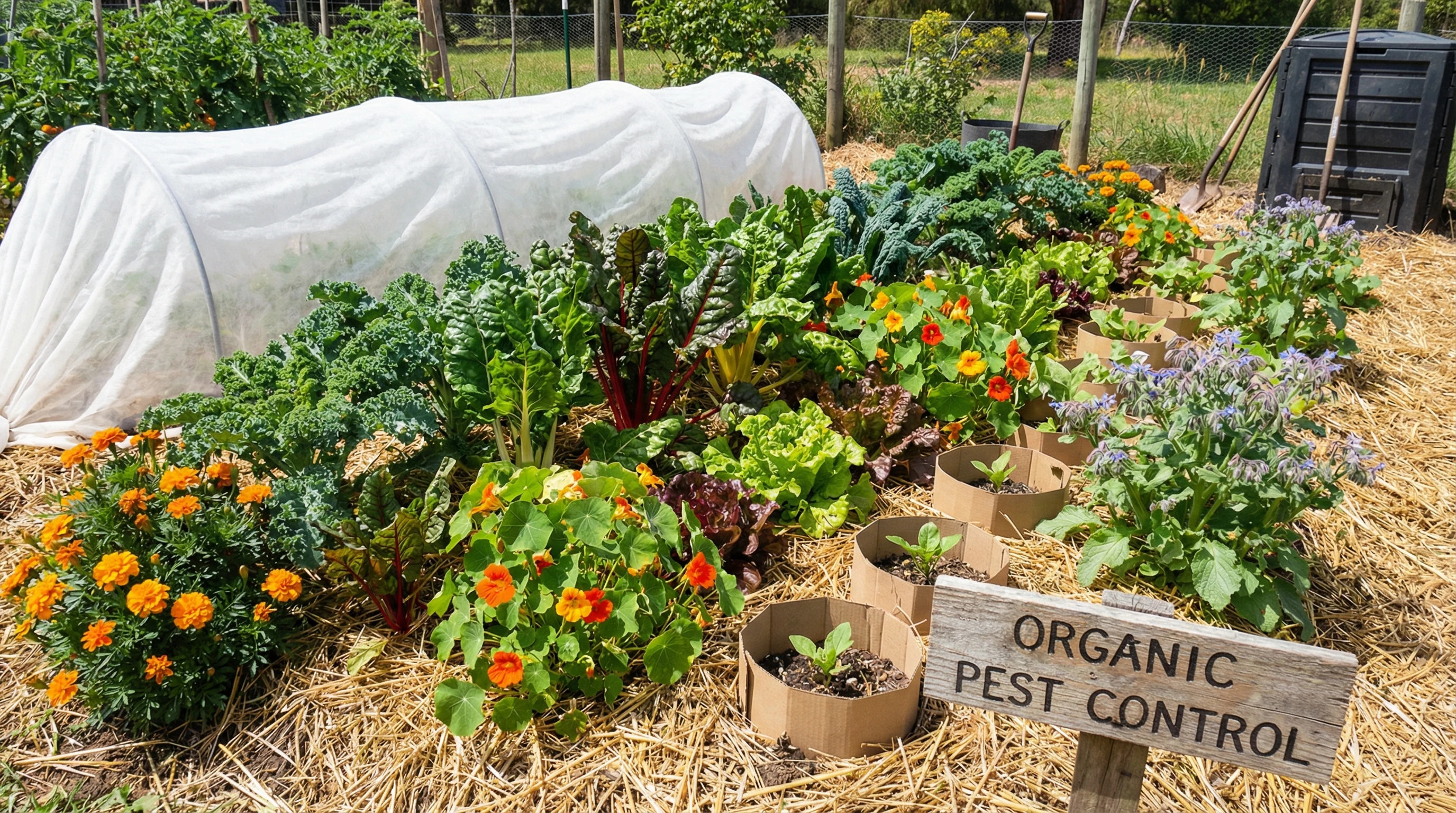
Understanding Organic Pest Control in Vegetable Beds
Organic pest control means tackling pests without using synthetic pesticides or harsh chemicals.
The goal is to keep vegetable crops healthy while helping pollinators and soil life thrive.
I find that using organic techniques often creates a more resilient and productive garden where plants learn to withstand a bit of pest pressure, and beneficial insects lend a hand in keeping things in check.
Many gardeners, including myself, have switched toward organic methods after realizing that pesticides can harm bees, soil microbes, and our own health when residues accumulate in food.
Popular organic strategies rely on prevention and observation, using simple tools and biology rather than dependence on quick chemical fixes.
Getting Started With Organic Pest Control Methods
Starting an organic approach doesn’t mean letting pests run wild or just hoping for the best.
Several tried and tested methods keep pest numbers low and vegetables growing strong.
Here are a few key concepts that shaped my early attempts:
- Companion Planting: Growing certain plants together can help repel pests or attract helpful insects. Some good combinations include carrots with onions, or lettuce with chives, which not only provide some pest resistance but also allow for more efficient use of space.
- Physical Barriers: Simple hurdles like row covers and collars block insects from reaching your crops. Floating row covers are particularly useful for keeping out cabbage moths and other flying pests.
- Beneficial Insects: Attracting or introducing insects like ladybugs and lacewings can help control aphids and caterpillars. You can also make your garden hospitable for these friends by planting dill, fennel, or yarrow nearby.
Simple Steps to Protect Vegetables Organically
Protecting your vegetable beds from pests organically comes down to a few solid habits.
Here’s my personal checklist for success in organic pest control:
- Choose the Right Plants: Pick vegetable varieties known for pest resistance, and rotate crops each season to break pest cycles. Disease-resistant tomatoes or squash, for instance, can reduce frustrations later on.
- Observe Regularly: Walk through your beds a few times a week and inspect the leaves, stems, and soil for signs of trouble. Early detection lets you act before problems get out of hand.
- Encourage Biodiversity: Grow different crops and flowering plants to attract natural predators and pollinators. Including marigolds, basil, and lavender can welcome bees and lacewings while discouraging some pests.
- Use Mulch: Spread straw, leaves, or organic matter around plants to deter some ground insects and keep plant roots healthy. Mulching also helps conserve water and suppress weeds, making it a win all around.
- Apply Organic Sprays When Needed: Use soap sprays, neem oil, or homemade garlic solutions only if pest numbers threaten your harvest. Always try preventive steps first and spray in the evening so pollinators aren’t hit.
By sticking to these steps, I’ve found fewer outbreaks and a healthier garden environment—especially when I focus on prevention over intervention.
Factors to Think About Before Choosing Organic Pest Control Methods
Not every organic method works the same way for every garden.
Here are a few things I consider before trying any new pest control strategy:
- Local Climate and Weather: Some pests are more common in warm, humid areas while others appear in dry regions. Knowing your local pest pressures is especially important.
- Garden Layout: Raised beds, containers, and inground beds may each benefit from different types of barriers or companion plant combinations.
- Time Commitment: Some methods, like handpicking pests or regularly checking for eggs, take more time. Planning how much time you can give helps shape your approach.
Local Climate and Weather
Certain pests, such as squash bugs or cabbage worms, show up in my area during particular months.
I keep an eye on when these bugs become active so I can prepare covers or monitor more carefully.
Other regions may see entirely different pests, so connecting with local garden groups or extension offices for advice gives a clear sense of what to expect.
Garden Layout
I’ve noticed that raised beds make it easier for me to use row covers and spot treat for pests, while sprawling inground beds sometimes attract more crawling insects.
Adjusting your barriers, plant spacing, and rotation plans to suit your space helps prevention run more smoothly.
Time Commitment
Organic gardening asks you to pay attention to what’s happening among your plants.
If I have a busy week, I know I might miss the first wave of cabbage worms.
That’s when leaning more heavily on barriers or companion plants comes in handy.
Knowing how much attention you can give helps avoid surprises when pest season peaks.
Smart Tips and Tricks for Organic Pest Control
Once you’ve got the basics down, there are a few extra tips that can make organic pest control even easier and more successful:
Plant Flowers Nearby:
Add flowers like calendula, nasturtium, or alyssum along the bed edges.
These eye-catching blooms bring in helpful insects that eat pests, creating a more balanced ecosystem.
Use Trap Crops:
Plant a small patch of a very attractive crop, like mustard, away from your main vegetables to lure pests away.
Then, dispose of the infested plants to lessen the load on your main crops.
Make Early Morning Checks:
Many pests show up at dawn or late at night.
I often catch slugs and beetles just as the sun comes up, making hand removal more effective and ensuring fewer pest eggs are laid.
Rotate Where You Plant:
Changing up your planting locations each year helps keep specific pests from setting up permanent homes.
This trick works especially well for potatoes, tomatoes, and brassicas.
Regular CleanUp:
Clearing fallen leaves, plant debris, and weeds stops pests from hiding out over winter or breeding in the garden during the season.
Making cleanup a routine part of weekly garden care saves trouble later.
You may also want to check out natural predators native to your region.
For instance, some areas have specific birds or bugs that feast on the pests bothering your crops.
Creating a garden that welcomes these helpers can make a difference in keeping pest populations low without constant intervention.
Practical Tools and Solutions That Make a Difference
Over the years, I’ve relied on a few basic tools that consistently deliver results in my organic vegetable beds.
Each tool or method plays a specific role at different stages of the growing season:
- Row Covers: Lightweight fabric covers protect seedlings and small plants from caterpillars, beetles, and moths. Just remember to remove them during flowering so pollinators can reach your plants. Be sure to secure the edges so wind and insects can’t sneak under.
- Neem Oil Spray: A natural oil extracted from neem seeds disrupts the feeding and life cycles of many softbodied pests. Always spray in the evening or early morning to avoid harming bees and friendly insects. Mixing a small amount with water and a little soap helps the spray stick to leaves better.
- Sticky Traps: Bright yellow traps catch flying insects like whiteflies and fungus gnats. I find these especially useful inside greenhouses or under row covers, as they provide a visual cue for monitoring pest presence in real-time.
- Handpicking: Although simple, removing large, slow insects by hand (like tomato hornworms) gives quick results without chemicals. I usually bring a small bucket with soapy water to drop pests in as I go. This hands-on approach is especially helpful when populations are still manageable.
Each garden may need a different mix of these tools and methods, so I keep a log of what I try and how well it works to shape my plan for the next season.
Tracking these details not only helps with future planning, it also gives an ongoing record of your garden’s unique pest pressures and successes.
Frequently Asked Questions
Here are a few questions I often hear from gardeners starting out with organic pest control:
Question: What’s the most effective organic method for stopping pests?
Answer:
There’s no single answer because different gardens and climates face different pests.
I combine prevention, regular garden checks, and barriers first before trying sprays, and always experiment a bit to see what works in my space.
Question: Do organic sprays work as well as chemical pesticides?
Answer:
Organic sprays like soap spray or neem oil can manage minor outbreaks but usually need to be applied more often.
They work best as part of a bigger strategy, not as a first line of defense.
Question: How do I attract helpful insects to my garden?
Answer:
Growing a mix of flowers, herbs, and vegetables builds a good environment for predators like ladybugs, lacewings, and parasitic wasps.
Avoiding harsh chemicals is also really important so these bugs stick around.
You can also put up small insect hotels or let a bit of your garden go wild to provide shelter for these allies.
Summary of Organic Pest Management For Vegetable Beds
Managing pests organically is a long-term process focused on creating balance.
Success for me has come from building healthy soil, encouraging a diverse mix of plants, and using physical or biological tools before reaching for even organicapproved sprays.
Consistency, observation, and a willingness to try different methods from year to year have helped me grow better harvests without resorting to synthetic chemicals.
If you’re looking to start or improve your organic vegetable bed, focus on prevention, vary your strategies, and learn from both success and setbacks to enjoy healthy, chemicalfree vegetables all season long.