
Organic pest control provides a practical way to keep vegetable plants healthy without relying on synthetic chemicals.
In my own experience, supporting your garden with natural methods leads to better flavor and fewer worries about crop safety.
The range of options can seem overwhelming at first, but learning a few solid, reliable techniques makes it much more approachable.
Through this article, I’ll share the organic pest control tips that have made a real difference in my own vegetable garden.
Whether you’re new to growing your own veggies or already have a few seasons under your belt, these insights can help you grow stronger, pest-resilient crops.
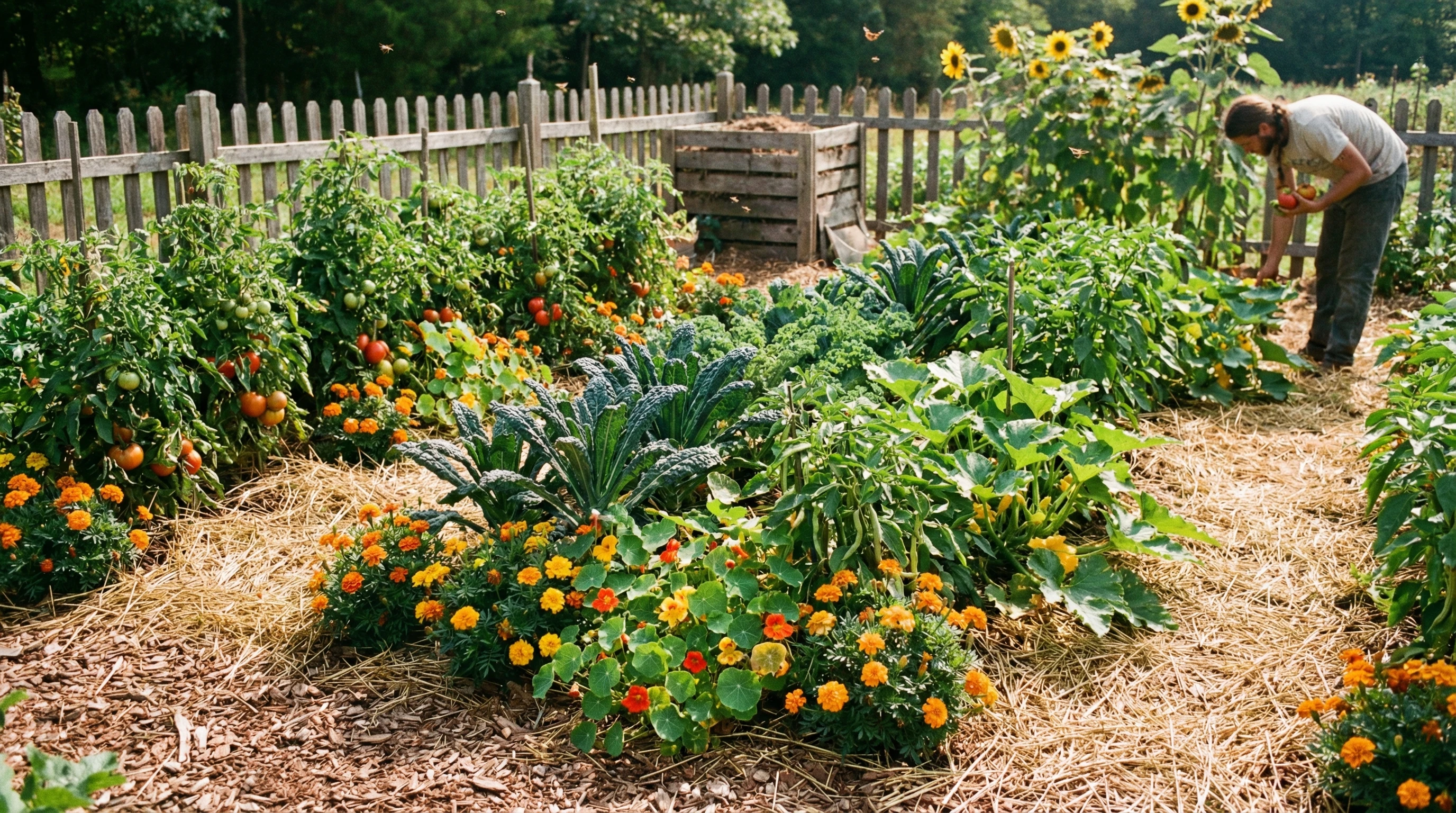
Why Organic Pest Control is Worth Trying for Vegetable Plants
Choosing organic pest control keeps your vegetable patch free from unwanted chemicals.
Over the past decade, I’ve noticed more studies and gardeners talking about the negative impact of chemical pesticides, including their role in harming pollinators, triggering pest resistance, and leaving residues on the crops we eat.
According to the U.S. Environmental Protection Agency, using less toxic control measures helps protect both the environment and vital wildlife, including beneficial insects and birds.
Modern organic pest control depends on straightforward strategies that focus on prevention instead of cure.
Healthy soil, consistent observation, and choosing the right plant varieties can set up conditions where pests are far less likely to become a problem.
From my time in the garden, I’ve seen that putting energy into these details pays off at harvest.
Setting Up a Healthy Foundation: Prevention is Key
Strong, healthy plants are much better able to stand up to pests.
I always begin by enriching soil with compost, switching crop locations each season, and keeping the garden tidy.
These steps break the life cycles of many familiar pests and create an environment that’s less inviting for trouble.
Here are some foundational prevention steps that work well in any organic garden:
- Soil Health: Mix organic compost and well-aged manure into beds each spring. A rich soil base encourages strong roots and helps plants defend themselves.
- Crop Rotation: Change where key crops grow every year. This cuts down on the risk of pests or diseases taking hold in one spot.
- Garden Cleanliness: Clear away old plants at the end of a season, since many bugs and diseases hide in leftover stems and leaves. Removing debris makes the space less welcoming for pests that carry over from year to year.
Besides these basics, I make sure to water plants at their base (not onto the foliage) and keep pathways weeded, reducing the number of hiding places for pests.
Introducing cover crops like clover during the off-season also improves soil quality and suppresses weed growth, further discouraging pests.
Natural Pest Control Methods Every Gardener Should Know
I’ve come to trust several organic techniques that handle the most common vegetable pests.
Each approach has specific advantages and reduces the need for chemical products in the garden.
- Handpicking: This might seem simple, but pulling beetles or worms right off your plants is often the fastest answer for small gardens. I check leaves every morning as a part of my usual routine.
- Row Covers: Lightweight fabric barriers block flies, moths, and beetles from laying eggs on new seedlings. They let in sun and rainwater but keep adult insects out.
- Companion Planting: Growing marigolds, basil, or nasturtium near vegetables can attract good bugs or confuse pests. For instance, marigolds around tomatoes have helped keep aphid numbers low in my garden.
- Beneficial Insects: Ladybugs, lacewings, and certain wasps are great allies. I plant dill and fennel to attract these helpers. If you don’t see them in your garden, you can buy beneficial insects from garden suppliers.
- Neem Oil and Insecticidal Soap: Sprays made with neem oil or gentle soap are useful for targeted outbreaks. These break down under sunlight, so they don’t stick around long and won’t leave residue.
In addition to these methods, physical traps such as yellow sticky cards can help catch flying pests like whiteflies or fungus gnats.
I’ve also experimented with soil solarization—a method that involves covering the soil with clear plastic to heat it and reduce pest populations for the next season.
Timing and rotation of these measures make a real difference throughout the growing year.
Common Pests and How to Handle Them Organically
Certain critters show up in nearly every vegetable garden.
Being able to spot them quickly gives you an edge on dealing with them.
I’ll go over a few that I see most often, along with the organic solutions that work for me.
Aphids
Aphids love sucking sap from young leaves, resulting in curled, yellow foliage.
Since they reproduce quickly, tackling them early helps a lot.
A strong blast from a hose knocks most away. Ladybugs also gobble them up, providing natural control.
If numbers remain high, I mix soapy water and spray both sides of the leaves.
Usually, this clears them out within a week or two.
Caterpillars (Tomato Hornworms, Cabbage Loopers)
These bugs can chew big holes in leaves overnight.
I pick them off by hand for smaller gardens—simple but effective.
Setting up bird feeders brings in sparrows and wrens, which eat plenty of caterpillars.
If numbers spike, Bacillus thuringiensis (Bt), a naturally occurring bacterium, works well and doesn’t harm bees or other pollinators when used as directed.
Squash Bugs and Cucumber Beetles
Both of these terrorize squashes, melons, and cucumbers.
Early in the season, floating row covers help protect new seedlings.
On mature plants, I crush egg clusters found underneath leaves and pick adult bugs by hand.
A layer of straw as mulch disrupts their preferred living space in the soil, cutting down numbers dramatically.
Another trick that works well is planting radishes close by—these seem to distract beetles and can serve as a sacrificial crop.
Addressing Challenges in Organic Pest Control
No method is perfect, and organic pest control requires a bit more attention.
I’ve faced issues like sudden outbreaks after a stretch of rainy days, or patchy results when experimenting in new garden spots.
Here are some ways I’ve found to deal with these challenges:
- Extra Monitoring After Rain: Many pests multiply right after wet weather. I check my plants daily the week after rainfalls and act fast if new bugs pop up.
- Building Diversity: Single-crop beds invite more pests. Putting in a variety of herbs, flowers, and veggies builds up a balanced ecosystem, leading to fewer major outbreaks overall.
- Natural Barriers: Laying down crushed eggshells or diatomaceous earth around tender plants puts up tough barriers that slow down crawling insects and cut back on damage.
If you have pets or young children, be sure to use only those materials that are safe for them too.
Staying informed helps prevent accidents, and there’s always something new to learn—including new pest species making their way into your region every few years.
Physical and Environmental Challenges
Some regions face tough pest pressure, including extreme heat or long stretches of rain.
When temperatures soar, I use shade cloth to cover delicate plants and water early to keep leaves dry, which discourages fungus.
Where leafminers and flea beetles are problematic, sticky traps go a long way toward reducing their overall numbers.
If you garden near wild areas, you’re likelier to see a wide range of pests—sometimes both the troublesome and the beneficial kinds!
Leveling Up: Advanced Organic Pest Control Tips
Once I became more comfortable with the basics, I started to tweak my strategies for better results.
Here are a few tips that made a big difference as my garden expanded:
Interplanting and Polyculture:
Mixing different plants in a single row throws pests for a loop and slows their movement through the garden.
Big blocks of the same crop attract more pests, while alternating lettuce with onions or basil with peppers lowers my losses and boosts plant health.
Spray Schedules:
Organic sprays like neem oil are best in the early morning or evening.
This timing protects pollinators and keeps the oils from evaporating.
Recording spray days and weather patterns in my garden notebook also helps track which strategies work best.
Homemade Sprays and Remedies:
Homemade mixes like vinegar, garlic, or chili sprays sometimes keep chewing insects and mites at bay.
Before using them widely, I always test on a few leaves to make sure nothing is harmed.
Over time, I’ve built up a list of recipes that work for specific plants and pests, saving money and headaches in the long run.
Vegetable Plants that Are Naturally Pest Resistant
I have found it helpful to grow some vegetable varieties that stand up to pests without much input.
Some kales, collards, and leeks tend to shrug off insect trouble naturally.
Seed catalogs often mark pest-resistance in their descriptions, so I read closely to find hardy choices.
Blending tough plants into my garden mix has made everything feel more robust and productive each year.
- Kale and Collards: Their sturdy leaves put off beetles and worms.
- Leeks and Onions: The strong scents of these plants shoo away lots of bugs.
- Cilantro and Parsley: These herbs bring in hoverflies and lacewings, which eat up aphids and other pests.
Expanding your planting list to include pest-resistant vegetables ups your harvest odds and helps balance things naturally, even when pest pressure is high.
Frequently Asked Questions About Organic Pest Control
Here are common questions I get from new gardeners looking to protect their vegetables organically:
How can I control pests without harming bees and butterflies?
Answer:
Apply any sprays very early or late in the day, do not spray blooms, and use row covers to shield young plants.
Building diverse gardens with blooming herbs also supports helpful pollinators while keeping pests in check.
Do companion plants really work, or is it a gardening myth?
Answer:
Companion planting can lure helpful insects and throw off pest movement.
While results can vary, it’s a technique worth testing in most organic gardens—my experience has been positive.
Do I have to make my own pest sprays, or can I buy safe ones at the store?
Answer:
Many store-bought options like neem oil or insecticidal soap are certified organic and good for beginners.
You can use these products for quick results and try homemade mixes as you get more confident.
Getting Started With Organic Pest Control
From what I’ve seen, the more proactive you are about checking plants and setting up organic barriers, the simpler it is to keep pests in check.
Adapting your game plan as the growing season rolls on helped me use fewer interventions and put more focus on prevention.
The end result: a healthier, plusher garden and tastier harvests every year.
Even just trying a few of these organic methods can make a noticeable improvement to your vegetable patch and the food you pull from it—give it a shot, and you’ll see real results in no time.