Shopping for plantbased protein sources has turned into one of my favorite ways to mix things up in my diet.
Whether you’re vegetarian, vegan, or just trying to eat more plants, a wellstocked kitchen packed with wholesome protein sources can add serious variety to your meals.
Still, figuring out what to buy can feel like a puzzle, especially with all the options lined up at the grocery store.
I put together this practical checklist to help you make smarter choices that fit your taste, values, and nutrition needs.
Why Solid Plantbased Protein Sources Matter
When I made the switch to more plantbased meals, getting enough protein crossed my mind more than once.
There’s a common idea that plant sources don’t “measure up,” but that’s not the full story.
If you shop smart, some plant foods pack more protein than others; grabbing a good mix helps you hit your daily needs.
Not all protein types have the same amino acid profile (the little building blocks in protein), but eating a diverse range makes it easy to stay fueled and satisfied.
Interest in plantbased eating has taken off in recent years.
The global market for alternative proteins is predicted to keep growing quickly.
People are looking to lower their environmental impact, improve their health, or just try something new.
With so many options, knowing what actually fits your lifestyle is pretty important.
Originally, plant protein sources like lentils and chickpeas were staples in many parts of the world (think India, the Mediterranean and Latin America).
Only recently have more processed options like pea protein shakes or plantbased burgers shown up on shelves.
Both oldschool and modern picks have their place. You just have to figure out what works for you.
First Steps: Know Your Main Plantbased Protein Choices
Walking into the grocery store, I like having a mental list of the best protein options.
Here’s a quick rundown of the big ones to keep on your radar:
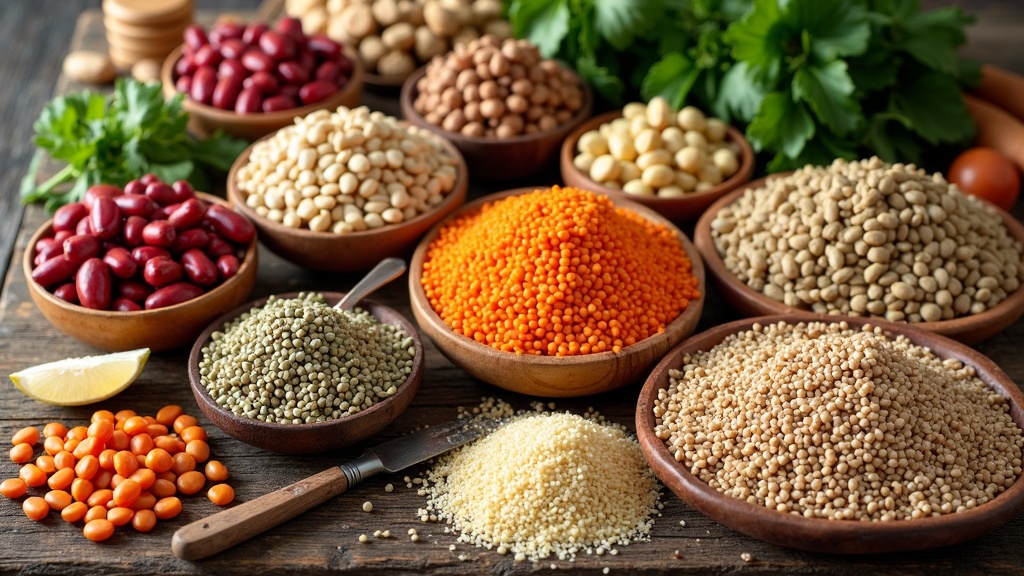
- Legumes: This group includes beans (like black, kidney and navy), lentils, and peas. All are protein dense and super versatile for soups, salads or bowls.
- Tofu and Tempeh: Made from soybeans, these are two of the highest protein options and take on flavors from spices or marinades.
- Seitan: Also called wheat meat, seitan is high in protein and has a chewy bite, perfect for stirfries or sandwiches. Not suitable for anyone with celiac or gluten sensitivity.
- Nuts and Seeds: Almonds, walnuts, sunflower seeds, pumpkin seeds and hemp hearts all bring protein and healthy fats to the table (just watch portion sizes since calories can add up).
- Whole Grains: Quinoa, farro, bulgur, oats, buckwheat and brown rice not only offer protein but also fiber and minerals.
Lucky for us, most major stores and specialty shops or online grocers have grown their plant protein selection, so restocking is easier than ever.
The Plantbased Protein Shopping Checklist
To make your next grocery run smoother, I recommend using a practical checklist.
Here are some go to items I rely on and why they’re worth grabbing:
- Assorted canned or dry beans and lentils (pinto, kidney, black, chickpeas, red lentils, green lentils)
- Firm or extrafirm tofu (for stirfries, scrambles or grilling)
- Tempeh (often found with refrigerated soy foods, great for marinating and pansearing)
- Seitan (look in the vegan/vegetarian fridge section or make it at home from vital wheat gluten)
- Pea protein powder or soy protein powder (quick solution for shakes or baking)
- Nutritional yeast (sprinkle on popcorn, pasta or salads for a cheesy protein boost)
- Unsalted nuts and nut butters (peanut butter, almond butter, cashew butter)
- Seeds (chia, flax, hemp, pumpkin, sunflower)
- Whole grains (quinoa, farro, brown rice, oatmeal, wholegrain bread)
This list is just a starting point.
You can always swap items in and out depending on what’s available or in season at your store.
For example, edamame or teff are less common, but fantastic additions if you spot them.
Keeping an eye out for special sales on bulk items can help save money and makes it easy to try new foods.
What to Look For on Labels
Finding your way around packaging is easier when you know what to check.
Over the years, I’ve picked up a few tricks to make label reading less of a headache:
- Protein Content per Serving: Aim for products with at least 8g to 10g of protein per serving. Tofu, tempeh and seitan usually hit this mark; beans and lentils get close when you use bigger portions.
- Ingredients List: Shorter is usually better. For example, great tofu brands use just soybeans, water and a coagulant. Watch for additives, especially in flavored or pre seasoned products.
- Sodium Content: Canned beans can be high in sodium, so I look for “lowsodium” or “nosaltadded” versions and rinse them before cooking.
- Added Sugars and Oils: Some processed snacks and bars look protein rich but are loaded with sugar or refined oils. There’s no rule that says protein snacks need to be “sweet.”
- Organic or Non GMO Labels: Some people prefer these choices for soy or cornbased products. This is totally a personal call and up to your priorities.
Super Useful Meal Ideas for Plantbased Protein
Having plenty of protein rich ingredients makes it easy to pull together quick, satisfying meals.
Here are some ideas that have worked well for me:
- Bean and Grain Bowls: Mix quinoa, black beans, corn, tomatoes, avocado and salsa for an easy meal in a bowl.
- Tofu or Tempeh Stirfry: Cube and sauté with broccoli, bell pepper and your favorite sauce (soy ginger or peanut is my usual pick).
- Lentil or Chickpea Curry: Simmer lentils or chickpeas with coconut milk and curry paste, served over brown rice.
- Seitan or tofu “tacos”: Sauté slices with taco seasoning, then layer into corn tortillas with slaw and salsa.
- Quick protein smoothie: Blend pea or soy protein powder, frozen berries, spinach and almond milk.
Switch things up with whatever veggies, grains or seasonings you have on hand.
Making plant proteins tasty isn’t just about one “magic” ingredient.
It’s about using a mix of flavors and textures to keep every meal eye catching and full of nextlevel cool taste.
Common Challenges and Simple Fixes
Packing enough protein into every meal isn’t always a walk in the park.
Here are a couple of hurdles I’ve run into, with some tricks to smooth things out:
- Variety Fatigue: Stock different protein sources: beans, lentils, tofu, nuts. This way your meals don’t get boring. Even trying a new sauce can make the same base ingredient taste different.
- Digestive Upset from Beans: Go slow if you’re new to beans. Give your gut time to adjust, and rinse canned beans well. Cooking dry beans with a bit of kombu or a bay leaf helps too.
- Missing the “Chew” of Meat: Seitan, baked tofu or beans cooked until just tender offer plenty of bite. Roasting chickpeas until crispy also does the trick for salads or snacks.
- Budget Concerns: Dry beans, lentils and bulk grains are some of the most affordable plant proteins out there. Tempeh and tofu also stretch pretty far. Consider signing up for store loyalty cards or shopping at bulk food stores to score the best deals.
Legume Storage
Dry beans and lentils last for months in airtight containers in a cool, dark spot.
Cook a big batch on the weekend, and you’ll have ready portions to add to salads, wraps, or soups throughout the week.
Tofu Tips
Keep unopened tofu in the fridge, and use it within a week of purchase for the freshest taste and texture.
If you have leftover firm tofu, cube and freeze it straight from the package.
It gets an even chewier texture when you cook it later, and soaks up marinade even better after thawing.
Seitan and Other AltMeats
Storebought versions usually last for a week or so in the fridge.
If you make your own, slice and freeze portions to throw into a skillet when you need a fast protein boost.
Homecooking lets you season it exactly as you like, so play around and set free new flavor combos.
Bonus Tips for Maximizing Protein from Plants
Want to make sure you’re getting as much out of your protein picks as possible?
Here’s what matters most in my experience:
Combine Protein Sources:
Mixing grains and legumes, like rice and beans or hummus with pita, helps round out amino acids for a balanced protein profile.
It’s not necessary to do this at every meal, but variety across your day helps.
Adding nuts or seeds to your grain bowl can add both crunch and nutrition.
Play with Seasonings:
Garlic, onion, smoked paprika, curry powder, soy sauce, sriracha—these simple additions breathe new life into even basic tofu or beans.
Don’t be afraid to mix in some variety with different cultural spices like cumin, turmeric, or za’atar.
Batch Cook and Prep:
Make a big pot of lentils or chickpea curry on Sunday to save time during the week.
Prepping helps make plant proteins just as convenient as animal proteins and keeps you from reaching for less nourishing choices during busy days.
Frequently Asked Questions
I get some of these questions all the time from friends or folks new to plantbased eating.
Here’s what I’ve learned along the way:
Question: Can I get enough protein from just plants?
Answer:
Absolutely.
With a bit of variety and some planning, plant sources can easily cover your needs for muscle recovery, energy and overall health.
Question: Which plant protein is “best” for beginners?
Answer:
I recommend starting with beans and lentils.
They’re easy to cook, inexpensive and fit into lots of recipes.
Tofu and tempeh are also simple to prep once you get the hang of them.
For even faster meals, consider using split lentils, which cook in about 20 minutes.
Question: Are processed plantbased meats okay?
Answer:
It’s totally fine to use them occasionally, especially if they help you eat more protein or make meals more fun.
I still keep most meals focused on beans, lentils, tofu, nuts and grains for wholefood nutrition, but enjoy a plantbased burger or sausage once in a while as a treat.
Recap: Building a Smarter Plant Protein Routine
Picking the right plantbased proteins isn’t about perfection or sticking to one magic food.
Trying different ingredients, checking labels and prepping ahead make balanced plantbased eating so much easier.
There’s tons of room for flavor, creativity and convenience in a plantpowered pantry.
Just start with what sounds tasty, and let your kitchen adventures guide you.
Remember to check your pantry routinely to keep it stocked with your favorites, and don’t hesitate to try newcomers to the plant protein scene.
Mix, match, and enjoy finding your favorites!