
Eating plantbased for lunch helps me stay energized and focused through my workday.
When time is tight, I find that having a handful of easy ideas on standby makes a big difference.
I’ve pulled together some of my favorite quick plantbased lunches that fit a busy schedule without missing out on taste or nutrition.
Whether you’re looking for new ideas to mix things up or are just starting to eat more plantbased, you’ll find this guide helpful.
These ideas can help make your lunch hours brighter and healthier.
Why Plant-Based Lunches Make Sense for Busy Days
I choose plantbased lunches for several reasons.
They’re lighter than heavy meatbased meals, so I avoid that sluggish feeling in the afternoon.
They’re full of fiber, vitamins, and minerals, so I stay fuller longer.
With more workplaces set up for remote or hybrid schedules, being able to whip up something fast at home makes sense.
Plantbased eating focuses on foods like beans, whole grains, vegetables, fruits, nuts, and seeds.
No need for complex substitutes or rare ingredients.
The popularity of plantbased eating has gone up a lot in recent years, with global plantbased food sales reaching over $29 billion in 2022 according to Statista.
The idea isn’t about removing all animalbased foods at once, but about having more meals based on plants.
If you’re new to this way of eating, it’s easy to feel overwhelmed by meal prep or unsure about getting enough protein or flavor.
I’ve found that keeping things simple is the best way to stick with it.
It’s all about consistency, not perfection.
My Go-To Quick Plant-Based Lunch Ideas
When I need lunch quickly, I go for meals that use a mix of pantry staples and fresh produce.
Here are a few plantbased lunches that I make regularly.
They only take about 10 to 20 minutes to put together.
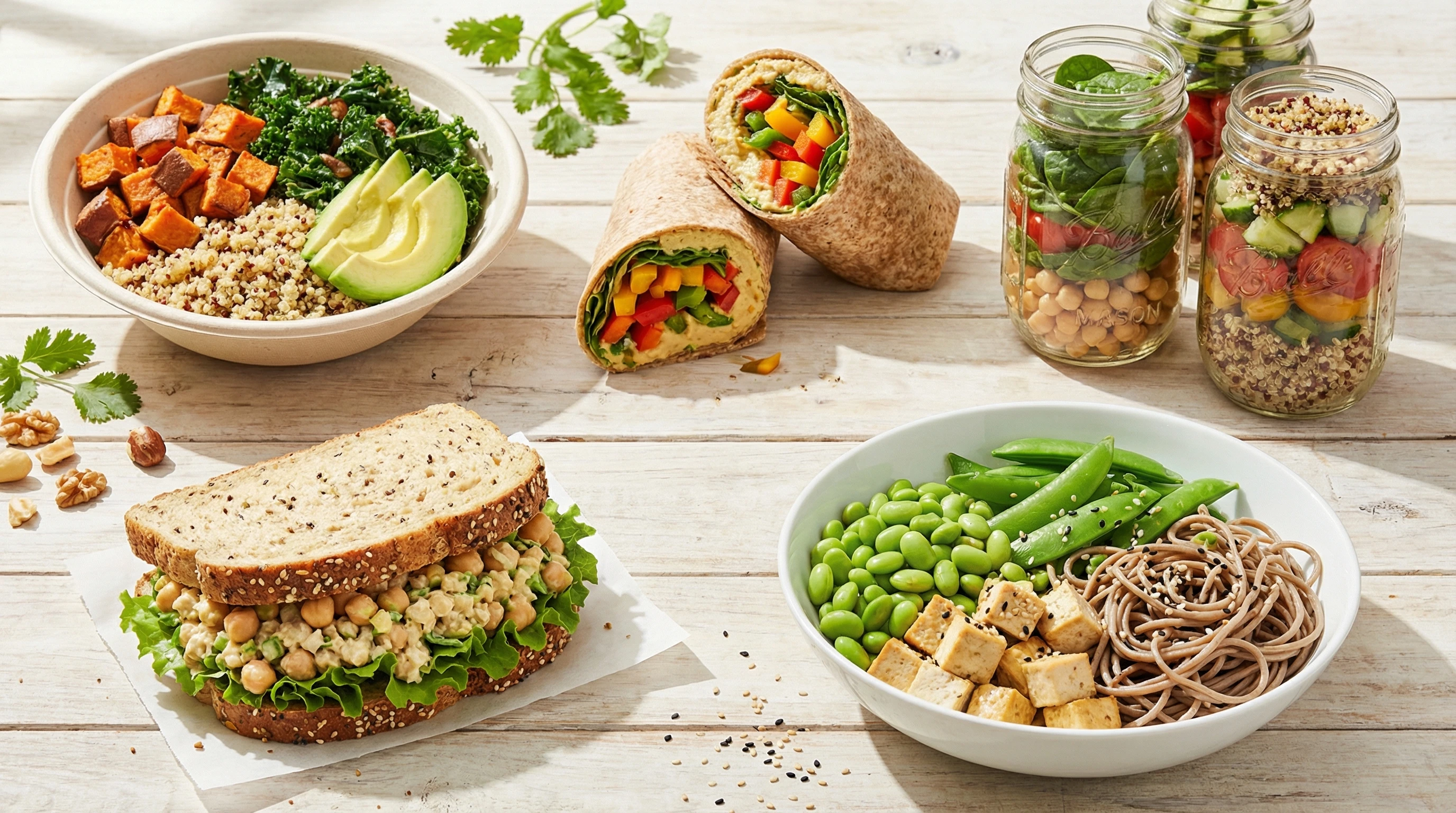
- Chickpea Salad Sandwich: I mash canned chickpeas with a dollop of vegan mayo or plain hummus, add chopped celery, red onion, and a squeeze of lemon juice. It’s great on wholegrain bread or stuffed into a pita.
- Rainbow Veggie Wraps: I spread hummus on a tortilla, layer on sliced bell peppers, carrots, spinach, and avocado, and roll it up. Sometimes I add leftover cooked beans for extra protein.
- Lentil and Quinoa Bowls: Using precooked lentils and quinoa (many stores sell these in vacuum packs), I toss them with baby spinach, cherry tomatoes, and a simple olive oil and lemon dressing.
- Soba Noodle Salad: I cook buckwheat soba noodles, rinse with cool water, and mix with shredded cabbage, sliced cucumber, edamame, and a little soy sauce, rice vinegar, and sesame oil.
- Simple Bean Chili: I keep canned beans, diced tomatoes, and frozen corn on hand. I simmer with chili powder and cumin for about 10 minutes and enjoy with wholegrain crackers or brown rice.
With these options, I keep lunch exciting and avoid getting stuck in a rut.
I rotate veggies and seasonings so meals never feel boring.
If I have leftovers from dinner, I use those as a base for one of these lunch ideas.
Swapping in different greens, vegetables, or sauces keeps every lunch new and tasty.
Time-Saving Shortcuts and Smart Prep Strategies
Making lunch fast is all about planning ahead.
I don’t spend hours prepping, but I do a bit in advance.
On Sundays, I usually:
- Wash, chop, and store veggies for the week in airtight containers
- Cook a batch of grains such as brown rice or quinoa
- Portion out single servings of nuts, seeds, and dried fruits
Prepping these basics means I can pull lunch together quickly, even if I’m stuck in backtoback meetings.
I also rely on shortcuts like frozen edamame, canned beans, jarred salsas, and storebought hummus.
Sometimes I’ll buy precut veggies if the week is looking especially busy.
If I know I have easytoadd ingredients, I’m less likely to reach for a snack or skip lunch entirely.
Having a few reliable sauces and dressings helps turn the same mix of grains and legumes into very different meals.
I enjoy tahini dressing, balsamic vinaigrette, or a peanut lime sauce for variety.
Keeping these on hand means every week feels a bit different on the plate.
Tips for Balanced and Satisfying Plant-Based Lunches
Building a lunch that keeps you full and energized is important.
Here’s what I keep in mind for balance:
- Protein: Beans, lentils, tofu, tempeh, or edamame go into most of my lunches. Nuts and seeds add not just protein but healthy fat.
- Complex Carbohydrates: Whole grains like quinoa, farro, bulgur, or brown rice help keep my energy up.
- Healthy Fats: Avocado, olive oil, tahini, sunflower seeds, and walnuts add creaminess and help me stay full longer.
- Fiber and Color: I include a lot of raw or lightly cooked veggies and sometimes fruit. Fiber is important for digestion and satiety.
Some people worry about getting enough protein on a plantbased diet.
I find it’s pretty easy with beans and grains.
For example, a cup of cooked lentils has about 18g of protein, and two slices of sprouted wholegrain bread can add another 8g or so, according to USDA FoodData Central.
Mixing these foods helps me meet my needs, even on a busy schedule.
Adding seeds, nuts, or even a plantbased protein drink as a snack works well for days when I’m especially active.
What to Consider If You’re New to Plant-Based Lunches
If you’re shifting from traditional lunches, plantbased meals may look or feel different at first.
I suggest starting with familiar flavors and textures, then checking out new ingredients as you get comfortable.
A few things to consider:
- Make swaps slowly, such as trying chickpea salad instead of tuna salad or adding a veggie wrap one day a week.
- Focus on meals you genuinely enjoy, not just those that seem “healthy.”
- Pay attention to how these meals make you feel after eating; having more energy or less afternoon slump is usually a positive sign.
If you have specific dietary needs—like allergies or special nutrition requirements—working with a registered dietitian can be helpful for keeping your meals balanced and safe.
It’s okay to ask questions and make adjustments that feel right for you.
Common Challenges and How I Work Around Them
Eating plantbased at lunchtime presents a few challenges, but I’ve gathered some solutions:
- Time Crunch: I keep my lunches simple, limiting the ingredients. Relying on a few “assemblyonly” meals is my backup for the busiest days.
- Packability: On days I’m not working from home, I choose meals that don’t need reheating and that transport well. Things like grain bowls, wraps, or big salads are sturdy options.
- Flavor Fatigue: I switch up spices, herbs, or sauces to keep lunch interesting. Even a sprinkle of dukkah, parsley, or nutritional yeast can wake up a meal. Don’t be afraid to try a few new flavor combinations.
Plant-Based Lunches in Real Life: My Favorite Everyday Examples
I make plantbased lunches work in my regular routine by adjusting recipes to what’s in my fridge and what the day looks like.
For example:
- Mason Jar Salads: I layer greens, beans, cooked whole grains, chopped veggies, and a simple dressing in a mason jar. Grab it from the fridge as I head out, shake and eat later.
- Overnight Oats Savory Version: I prep oats with unsweetened nondairy milk and top with roasted veggies, chickpeas, and pumpkin seeds—a tasty change from the sweet version.
- StirFried Tofu and Greens: I sauté cubed tofu with a bag of frozen stirfry vegetables and a splash of soy sauce. It’s ready in just about 10 minutes and works hot or cold.
On extra busy days, a simple nut butter and banana sandwich on whole wheat bread with trail mix on the side makes a filling, balanced meal.
There’s always room for convenience and creativity when eating plantbased at lunchtime.
Frequently Asked Questions
I often get questions about eating plantbased lunches, especially from friends who want to give it a try but aren’t sure where to start.
Question: How do I meal prep plant-based lunches without spending hours in the kitchen?
Answer:
I pick a few core ingredients each week, like cooked grains, beans, and a variety of veggies, then mix and match for different meals.
Prepping just a little—like washing and chopping—saves time later.
Using storebought items like hummus or prechopped greens is a real timesaver when needed.
If you’re really short on time, you can even prep lunches the night before instead of doing a whole week at once.
Question: What if I feel hungry soon after my plantbased lunch?
Answer:
I check if my lunch had enough protein, healthy fat, and fiber.
Adding a handful of nuts, some avocado, or more beans can help me stay full longer.
If I’m really active, I include a piece of fruit or whole grain granola bar as a snack.
Remember, sometimes adjusting your portion size based on your hunger is the secret to staying satisfied.
Question: Can kids enjoy these plantbased lunches, too?
Answer:
Yes, definitely! I make colorful wraps, veggie and bean quesadillas, or fun grain bowls that are easy to customize.
Dips like hummus or salsa make veggies more appealing for younger eaters, and letting them help assemble their lunch can make it more likely they’ll eat it.
Making Plant-Based Lunches Fit Any Workday
I’ve found that quick plantbased lunches help me stick to my health goals.
Keeping my kitchen stocked with beans, grains, and fresh produce means I can put together something tasty with little effort.
With a few smart shortcuts and a bit of weekly prep, even the busiest day can fit in a healthy, satisfying meal.
Trying out a couple of these ideas is a simple way to add more color, flavor, and energy to your afternoon.
Jump in and see which quick plantbased lunch idea works best for your schedule!