
Classic American dishes come packed with nostalgia and comfort, but they often lean heavily on meat, dairy, and eggs.
Lately, I’ve been checking out ways to bring those iconic flavors and textures into my kitchen using plantbased ingredients.
Whether you’re looking to eat more plants for personal health or just want to try something new, there are a ton of handy tricks and swaps that can keep all the memories and flavor intact.
Why Recreate Classic American Dishes with PlantBased Ingredients?
Switching up traditional recipes for plantbased versions gives you a way to enjoy old favorites in a way that lines up with more plantforward eating.
I’ve found that people are sometimes surprised by how much flavor and comfort they can pack onto a plate without animal products.
The plantbased twist is more about adding variety and fun, not about missing out.
Classic American food has deep roots; everything from BBQ to creamy casseroles ties back to family gatherings and holidays.
Lots of folks are looking for ways to keep those traditions going, just with fewer animal products.
That’s great because the options for plantbased cooking have widened, from meat alternatives to easy homemade hacks.
With the plantbased food market growing fast (reportedly over $7 billion in the US alone), it’s an exciting time to experiment at home.
PlantBased Swaps for Classic American Ingredients
Knowing some of the best substitutes can make recreating favorite dishes a lot smoother.
Here’s what I reach for when making plantbased versions of classic recipes:
- Meat Alternatives: Products like seitan, tofu, tempeh, jackfruit, and readymade plantbased burgers are seriously handy. I like to use lentils and mushrooms for meatloaf or taco fillings, since they add a chewy bite and earthy flavor.
- DairyFree Cheeses & Milks: Swapping real cheese for coconut, cashew, or almondbased cheeses works well. For creaminess, oat and soy milks deliver the closest mouthfeel for mac and cheese or creamy salad dressings.
- Egg Replacers: Flaxseed or chia seeds mixed with water, commercial egg replacers, or even silken tofu can stand in for eggs in scrambles, baking, and casseroles.
- Butter Alternatives: Nondairy butters or coconut oil work for baking and cooking. Sometimes, a splash of olive oil brings a different but tasty vibe to classic mashed potatoes.
Getting comfortable with these swaps opens up a lot of room for personal spin and play.
A little trial and error can help you settle on what works best for your taste and texture preferences.
How to Recreate 5 Classic American Dishes (PlantBased Style!)
Here are some classic favorites I’ve given a plantbased spin that might surprise you with how close they come to the originals in flavor and experience:
- Plantbased Mac and Cheese: Blending steamed potatoes, carrots, cashews, and nutritional yeast delivers a creamy, rich sauce. Stir it through your mac, top with breadcrumbs, and bake for that classic golden finish.
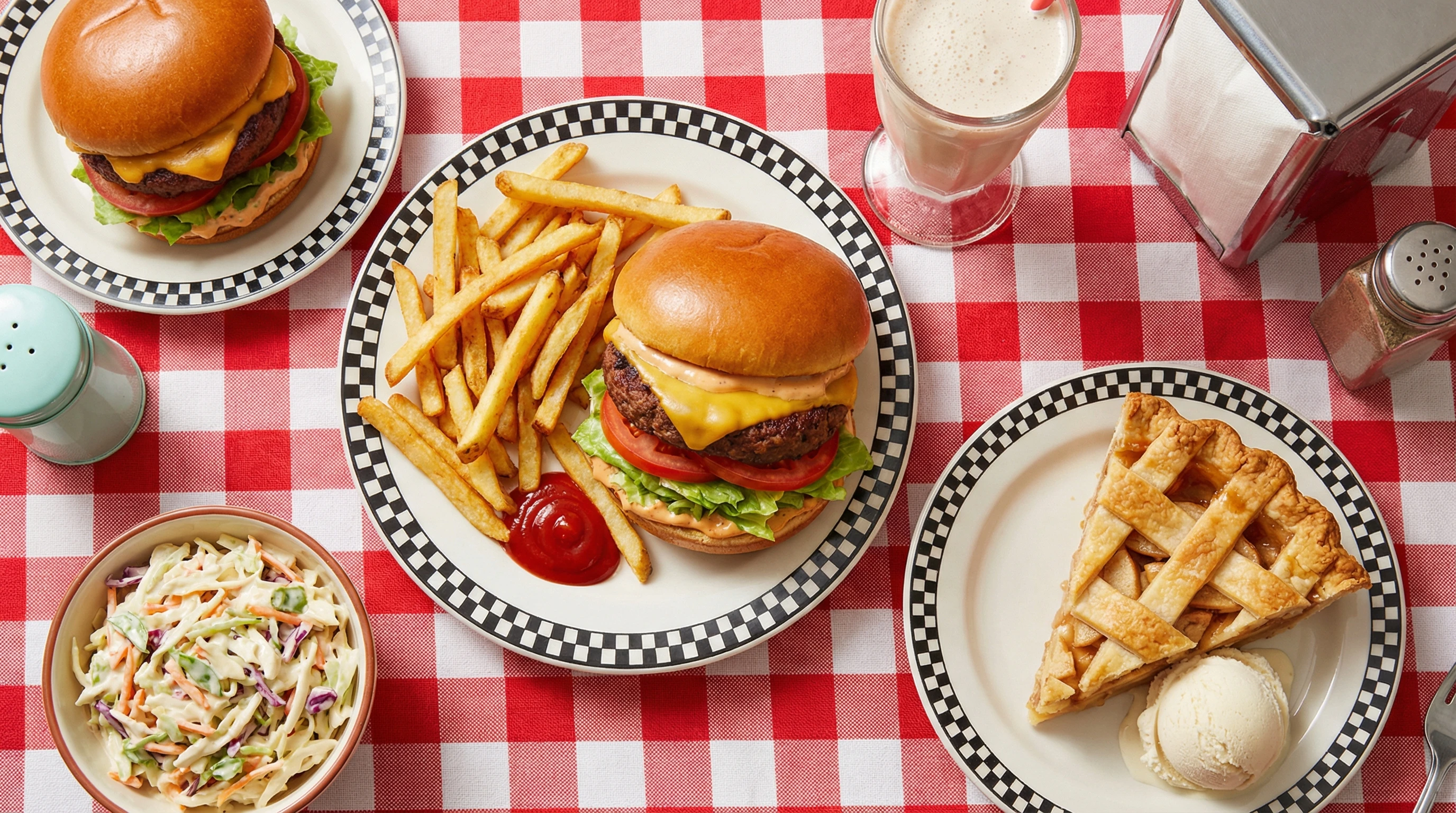
- Vegan Cheeseburgers: Try grilling a Beyond Burger or making your own patty with black beans and oats. Stack with lettuce, tomato, pickles, a slice of vegan cheese, and complete the experience with a toasted bun and your favorite condiments.
- Classic “Meatloaf”: Mixing lentils, mushrooms, onions, and oats with tomato paste and seasonings makes for a hearty loaf. Top it off with a tangy ketchup glaze and you’ve got all the comfort, minus the meat.
- Buttermilk “Fried Chicken”: Pressed tofu (marinated in nondairy milk and lemon juice for that “buttermilk” flavor) coats well with seasoned flour or a cornflake crust. Bake or fry until golden and crispy for that Southern treat vibe.
- Apple Pie with PlantBased Crust: Plantbased pie dough isn’t tricky; swap in chilled vegan butter or coconut oil, keep the filling classic, and you’ll still get flaky, rich results nobody will question.
Trying these out in your own kitchen is a fun way to see just how satisfying plantbased comfort food can be.
Sometimes, I batch cook ingredients ahead (like lentils or sauces) to cut down weeknight prep even more.
Getting Started: Tips for Making the Transition
Jumping into plantbased versions of familiar dishes comes with a few learning curves.
Here are some things I’ve picked up that make the process less intimidating:
- Start Simple: Try out versions of dishes you already enjoy, like chili, spaghetti, or tacos. These are flexible and easy to adjust with beans, lentils, or crumbled tempeh.
- Explore New Spices: Plantbased proteins are a blank canvas for flavor. Smoked paprika, liquid smoke, garlic powder, and nutritional yeast pack a ton of oomph into everything from vegan chili to burgers.
- Lean on Sauces and Condiments: Sauces like vegan mayo, plantbased ranch, BBQ, and ketchup help keep dishes familiar and tasty.
- Don’t Sweat Perfection: The texture or flavor might be a bit different at first, but tasting as you go and tweaking the seasoning goes a long way.
Ingredient prep is pretty straightforward; most grocery stores have a growing section of plantbased items.
If you’re new to tofu or tempeh, there are loads of tutorials out there to help with pressing, marinating, and cooking.
Also, don’t hesitate to ask store employees—they often have tips and product knowledge that can smooth the way and help you track down good options for your recipes.
Common Pitfalls and How to Dodge Them
Transitioning oldschool classics to plantbased comes with a few quirks I’ve run into:
- Texture Woes: Some meatless dishes can feel mushy or dry at first. I like adding nuts, seeds, or grains like farro and barley for better mouthfeel. Getting tofu extra crispy with a quick cornstarch dusting changes everything for dishes like stirfries or vegan “chicken” nuggets.
- Blandness: Meat dishes usually lean on natural umami. Amp up flavors with miso paste, nutritional yeast, or soy sauce. Roasted veggies can help too since they bring out sweet, savory notes.
- Crusts and Coatings: Eggless breading can sometimes fall off. Letting battered tofu or tempeh sit for 10 minutes before frying lets the coating stick better.
- Cheese Melting: Not all vegan cheeses melt like the real deal. Grating or shaving them super thin, covering the pan, or adding a splash of plant milk helps them soften and stretch.
Texture Woes
Plant proteins need a little more help holding together when you’re making things like meatballs or burgers.
Oats, breadcrumbs, and ground flaxseed help bind mixtures for frying and baking.
Try experimenting with different amounts until you reach your favorite consistency.
Blandness
I often play up flavors with roasted garlic, caramelized onions, or even a splash of vinegar or lemon juice to balance out richness in creamy dishes.
Don’t forget fresh herbs—parsley, cilantro, and chives add a fresh flavor and visual pop.
Crusts and Coatings
Kicking up sandwich coatings with a combo of cornmeal and panko makes homebaked breaded cutlets a lot crunchier.
For extra fun, use different spice blends from buffalo to barbecue for coating flavor.
Sometimes a tiny bit of oil spray helps make everything crispier.
Cheese Melting
I keep a few brands in my fridge and experiment with how each melts.
Some taste better in hot grilled cheese sandwiches, while others are better for topping casseroles or pizza.
Trying out different makes can help you find your go-to swaps for each comfort dish.
Working around these hurdles by getting creative in the kitchen makes plantbased cooking more enjoyable and rewarding with each attempt.
As you get into a rhythm, you’ll start to spot which tweaks and methods give you the results you want.
Advanced Twists for True Comfort Food Lovers
Once you’re comfortable swapping out basics, taking it up a notch brings in a whole new layer of fun.
Here are some nextlevel tricks I use:
Homemade Seitan or Jackfruit “BBQ”:
Marinate and slowcook homemade seitan chunks or canned jackfruit in a smoky barbecue sauce.
Perfect for sandwiches or loaded baked potatoes.
The pulled texture picks up sauce flavors really well and is sure to surprise anyone looking for a hearty bite.
AirFried Goodness:
Air fryers are a gamechanger for getting a crispy finish on things like “fries,” onion rings, and nuggetstyle snacks.
They use less oil and keep things lighter but just as tasty.
This approach also works well for reheating leftovers, keeping everything crisp.
Slow Cooker and Instant Pot Hacks:
Slow simmering chili, sloppy joes, and hearty soups in a crockpot or pressure cooker lets the spices and flavors really come together, just like the oldschool versions.
This also lets you make bigger batches to freeze for later, so you can easily pull together a meal even on busy evenings.
Getting a little creative with sauces—chipotle mayo, vegan queso, or even cashewbased gravies—brings plenty of familiar flavors home.
You can even make plantbased ranch or blue cheese dips for pairing with veggie platters at gatherings.
PlantBased Classics in Real Life
Recreating these dishes is as much about community and tradition as flavor.
I’ve seen friends and family genuinely enjoy a big plate of vegan spaghetti and “meatballs” or cozy up with a bowl of plantbased chili at game day gatherings.
I usually share a few easy swaps (like using coconut cream for mashed potatoes) and get lots of positive comments from folks who might not even realize it’s plantbased.
If you cook for mixed crowds, offering a couple topping choices, like dairyfree cheese or regular cheese, can make everyone feel included at the table.
- Cookouts: Grilled portobello burgers, corn on the cob, and dairyfree potato salad keep things lively at summer BBQs. For sides, you can throw together a smoky threebean salad or creamy coleslaw using plantbased mayo.
- Holiday feasts: Stuffed acorn squash or lentil loaf stand in well for traditional mains, and classic sides like green bean casserole or apple crisp are easy to make vegan. Add mushroom gravy and cranberry sauce for that comforting and festive vibe.
- Weeknight dinners: Speedy chili, vegan “chicken” pot pie, and cozy creamy soups fit busy schedules and bring back comfort food vibes. Quick tacos with refried beans and salsa also work for those lastminute dinners.
Frequently Asked Questions
I get a lot of questions from readers, friends, and family about plantbased spins on American classics.
These are some of the most common:
Question: Can plantbased versions really taste like the real thing?
Answer:
Working with the right spices, marinades, and plantbased products, you can get really close.
Homemade versions bring in nostalgia, even if the flavor isn’t identical.
Over time, your taste buds adjust and enjoy the new flavors just as much.
Question: Are plantbased versions much healthier?
Answer:
Many plantbased swaps use whole foods and are lower in saturated fat.
Keep in mind, highly processed alternatives like some cheeses and meats can be high in salt or oil, so mixing things up with fromscratch recipes is a good balance.
Cooking at home lets you keep better tabs on ingredients and nutritional value too.
Question: What’s the hardest classic to replicate?
Answer:
Cheese is usually the trickiest for me, especially in pizzas and grilled cheese.
I’ve found some storebought and homemade versions that come close, but it takes some trial and error to find the right one for your dish.
Sometimes a bit of extra seasoning or a sauce, like vegan cheese sauce, can fill in those flavor gaps.
Getting Inspired to Try More PlantBased Classics
Switching over classic American dishes to plantbased ingredients is a really fun experiment that keeps traditions alive and tasty.
With so many new products, inspirations, and resources out there, there’s never been a better time to give your family’s favorite recipes a new spin.
Every kitchen trial adds confidence, and you’ll eventually have an arsenal of go-to comfort classics that just happen to be plantbased.
Remember, starting small—maybe just one meal a week—can grow into a regular habit before you know it.
So grab your apron, round up your ingredients, and let it rip in the kitchen.
The results might just surprise you.
Wrapping up, the adventure of plantbased comfort food is about discovery, sharing, and most of all, enjoying every bite.