Growing your own vegetables gives you a sense of control over what goes on your table, saves you money, and offers plenty of satisfaction.
When I started my veggie patch, one of the trickiest parts was figuring out what to plant and when.
Timing matters because different veggies have their own favorite conditions, and planting at the right time can make a real difference to your harvest.
Why Timing Matters in Vegetable Gardening
Vegetable gardening isn’t only about the seeds you choose or the soil you use.
It’s about knowing when to plant so that each vegetable can grow at its best.
Some plants like it cool, others need longer, warmer days.
Trying to plant tomatoes in early spring will probably disappoint you, but getting your lettuce or peas in early pays off.
Understanding the seasonal patterns where you live helps you avoid wasted time and get a tasty, healthy harvest.
Most vegetables fall into two big groups: cool season and warm season.
Cool season crops, such as lettuce and broccoli, can handle chilly weather and even light frosts.
Warm season crops, like tomatoes and peppers, want sunny heat.
The better you match your plant choices to the time of year, the healthier your garden will be.
Monthly Vegetable Planting Guide
This guide is based on temperate climates where winter brings frost and summers are warm.
If you garden in a different climate, you might need to tweak the months a little.
Your local extension office or gardening club is usually pretty helpful for local advice.
January – Planning and Prepping
This month is mostly about getting ready rather than planting.
I like to flip through seed catalogs, plan my garden bed layouts, and order seeds.
You might also check your tool collection and give everything a once-over.
Indoors, you can start onions or leeks from seed under lights.
Setting up a basic seedling station near a sunny window or under affordable grow lights is a solid start and a good way to curb that gardening itch while it’s cold outside.
- Start indoors: Onions, leeks, celery
February – Early Starts
Days are still short, but you can get a jump on the season by starting seedlings indoors.
By the end of February, some hardy greens can be sown if you live somewhere mild.
If cabin fever strikes, check out seed trays or soil blockers to make indoor sowing easier and neater.
It’s also the time to gather up last year’s leftover seeds and test their viability—drop a few in a damp paper towel and see what sprouts after a week.
- Start indoors: Broccoli, cabbage, cauliflower, lettuce
- Direct sow (milder climates): Spinach, radishes, peas
March – Into the Cool Season
March is usually when the itch to plant really starts.
If your ground can be worked, start with the hardiest crops. Indoors, tomatoes and peppers go under lights, and it’s not a bad month to start herbs like parsley or dill.
Don’t be afraid to stash a few trays on top of the fridge or in warmer spots, as warmth speeds up germination for peppers and eggplant.
If a late cold snap threatens, a simple cold frame outside can protect tiny new plants.
- Direct sow: Peas, spinach, radishes, parsnips, carrots
- Start indoors: Tomatoes, peppers, eggplants
April – Expanding Options
Soil is warming, and you can plant more outdoors.
Root veggies and leafy greens love this time.
April is also when it makes sense to prepare garden beds in earnest—turn over cover crops, add a top-up of compost, and smooth the way for healthy transplants.
Try installing garden fabric or mulch pathways now to keep spring weeds in check and to hold moisture as things heat up.
- Direct sow: Beets, chard, lettuce, kale, onions (sets), turnips
- Transplant outdoors: Early broccoli, cabbage seedlings
May – Warm Weather Arrives
May is when things really start to happen.
Most risk of frost is gone by late May, so you can move warm season seedlings out, or sow them directly in the garden once the soil is comfortable to the touch.
If you want vigorous plants, don’t forget to harden off your seedlings—gradually introduce them to outdoor conditions over a week for strong, sturdy growth.
A little bit of patience here saves a lot of heartbreak later.
- Direct sow: Corn, beans, zucchini, cucumbers, melons, squash
- Transplant outdoors: Tomatoes, peppers, eggplants, basil
June – Full Growing Mode
The days are long and the soil is warm.
June is perfect for succession sowing, which means planting quickgrowing crops to replace early spring harvests.
Keep your eye out for pests like aphids or beetles and remove them by hand before they multiply.
If you haven’t added mulch yet, now’s the moment to help conserve moisture as the sun strengthens.
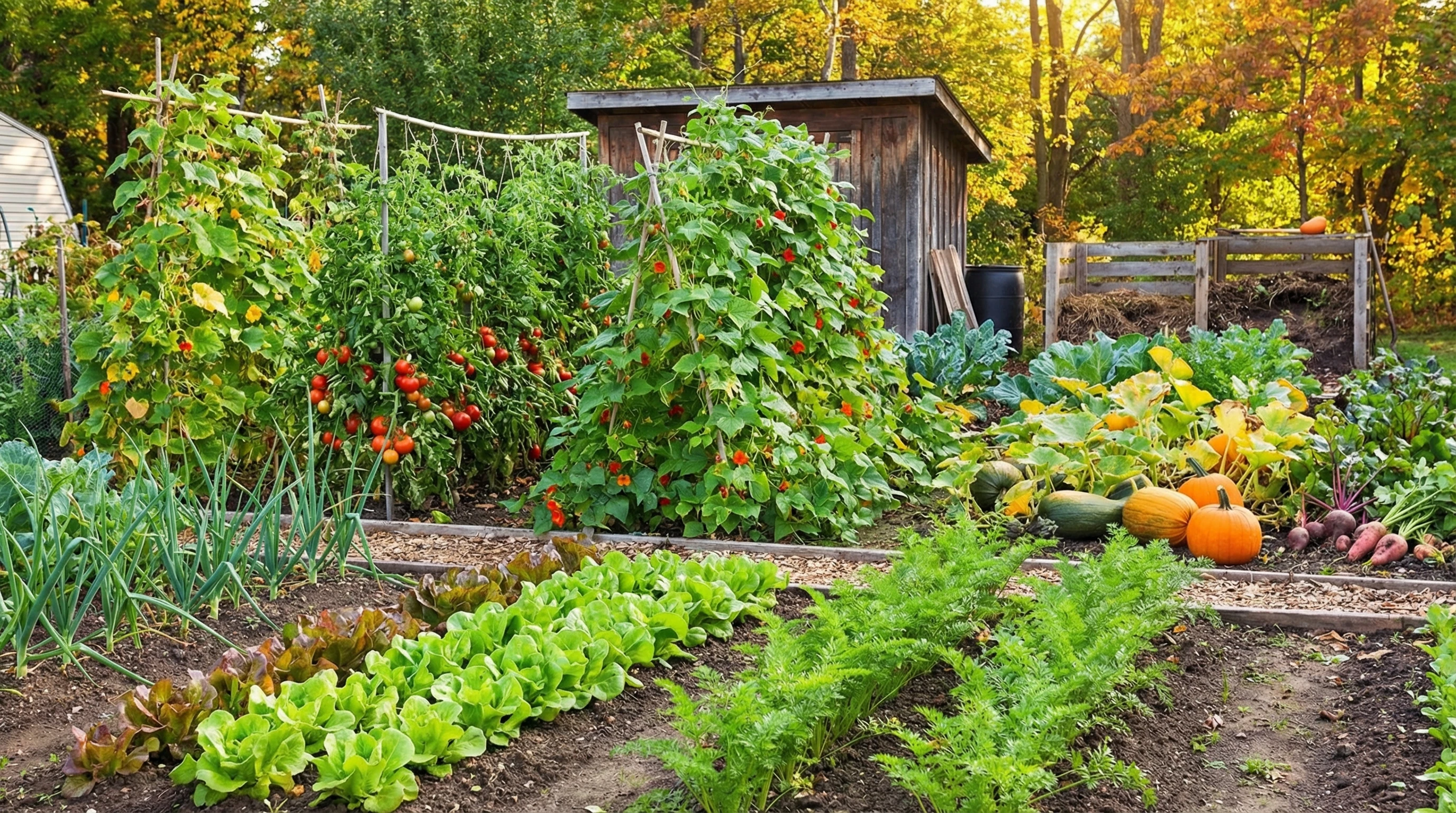
Staked tomatoes and trellised beans take up little ground space and encourage airy, healthy plants.
- Direct sow: More beans, carrots, radishes, lettuce
- Transplant outdoors: Latestarted squash or cucumber seedlings
July – Succession and Second Sowing
July is your moment to get fall crops going.
While harvesting early summer produce, pop in new seeds for things like carrots or late season greens.
Extra watering helps seedlings during summer heatwaves.
You can also dig into the possibilities of shade cloth to protect heat-sensitive crops and stretch salad harvests longer into the season.
Keep up with harvesting—regular picking encourages new growth, especially for beans and cucumbers.
- Direct sow: Broccoli, cabbage (fall crops), bush beans, beets, turnips
August – Late Crops & Fall Planning
August is mostly maintenance, but there’s still time for quick crops and fall greens, especially in milder regions.
Spinach and lettuce can be seeded again as days start cooling.
Think about which parts of your garden will be vacant soon and start prepping those spaces for fall planting.
It’s also an excellent time to dry herbs, collect seeds from finishing crops, or take notes on everything that’s working—or not!—this season.
- Direct sow: Lettuce, spinach, mustard greens, radishes, arugula
September – Cool Season Push
If your area stays frost free into October, early September is still okay for quickgrowing greens or Asian vegetables.
Otherwise, focus on harvesting and prepping for winter.
Sow a late round of spinach or Asian greens, and think about protecting tender crops with fleece or cloches.
Dig or replant potatoes if you grow them, and pull up any spent plants for compost.
- Direct sow: Spinach, mache, hardy greens
October – Wrapping Things Up
October is about cleanup, but garlic can go in for next summer’s crop.
Mulch beds to protect soil and get compost piles going with spent plants.
This month is a prime opportunity to add compost, leaves, or manure to resting beds, as winter weather and soil organisms will help everything break down before spring.
Planning cover crops in vacant beds can also lock in soil nutrition and reduce erosion.
- Direct sow: Garlic (for harvest next year), overwintering onions
November & December – Rest and Plan
This is a quiet stretch for most gardeners.
I usually use this time to tidy tools, update my garden journal, and look for new ideas.
It’s a good moment to check in with gardening communities online or at local meetings to trade stories and seeds.
In very mild zones, some leafy greens or peas may be started in protected spots—cold frames or greenhouse corners keep salads coming all year.
- Direct sow (mild climates): Fava beans, peas, hardy greens
Helpful Tips for Each Season
- Spring: Check soil temperature before planting. Cold, wet soil makes seeds rot and seedlings struggle.
- Summer: Mulch around veggies to keep the roots cool and prevent water loss. Water deeply, especially during dry spells.
- Fall: Keep floating row covers ready for early frosts. These protect tender plants and extend your harvest.
- Winter: Use this downtime for soil building. Spread compost or plant cover crops if your ground doesn’t freeze solid.
Common Planting Mistakes and How to Avoid Them
- Planting too early: Seeds may rot in cold soil, or seedlings may get zapped by frost. Check your region’s frost dates and soil temps.
- Overcrowding: It can be really tempting to pack seeds closely, but cramped conditions stunt growth and invite disease.
- Ignoring sunlight needs: Lots of veggies need at least six hours of sun. Pay attention to shade patterns during the day.
- Poor soil prep: Good soil is fluffy, welldraining, and full of nutrients. A quick soil test gives you an idea of what’s missing.
Why Succession Planting is Super Useful
Succession planting just means sowing small batches of seeds a couple of weeks apart.
This way, you don’t get overwhelmed with too much produce at once and you get a steady harvest.
I find it handy for greens like lettuce, beans, and carrots.
Staggered sowing helps fill gaps as earlier crops finish, making your plot super productive.
Real-Life Examples: What Grows Well with Each Season
- Spring: Peas are a great early crop. I’ve had years where I planted peas as soon as the ground thawed and had a fresh harvest long before the summer heat set in. Spinach and radishes also do well early on. A tip—tuck a row of radishes alongside carrots; radishes will be ready first and skinny carrot seedlings will be easier to spot.
- Summer: Tomatoes and cucumbers thrive in the warmth. When I got robust plants out late May, I always ended up with more than enough for salads well into August. Fastgrowing bush beans also fit snugly between other rows once early spring crops are done.
- Fall: Kale and collard greens are tough and can hold up even after a light frost. Reseeding radishes in late August for a second crop always pays off for me. Mustard greens and Asian salad greens are speedy, cold tolerant, and give you flavor right to the end of the season.
- Winter (Mild Regions): Garlic, onions, and even fava beans can overwinter in zones without brutal freezes, ready to shoot up early next spring. I’ve found spinach seeded under a cover gets going again at the very first warm spell.
Frequently Asked Questions
Question: How do I figure out my local planting dates?
Answer:
Look up the last average frost date for your area in spring and the first fall frost date.
Most seed packets or garden guides offer planting advice based on these dates.
Question: Can I plant vegetables if I only have a small space or containers?
Answer:
Absolutely.
Many greens, radishes, peppers, and even dwarf tomatoes do well in containers.
Just be sure they get enough sun and water.
Vertical gardening options like stackable pots or wall-mounted planters work wonders when you’re tight on ground space.
Question: How do I protect seedlings from late spring frost?
Answer:
Use floating row covers, plastic bottles with the bottoms cut off, or even old sheets overnight for tender young plants.
Harden off seedlings slowly before planting out to toughen them for outdoor conditions.
Bringing It All Together
Planting the right vegetables at the right time does not have to be tricky once you’re familiar with the seasonal rhythm.
Focus on cool weather crops at each end of the gardening year and give heat lovers the warmest, sunniest part of summer.
Tracking notes and celebrating even the small wins, like that first salad picked straight from your backyard, keeps the hobby fun and rewarding.
Starting a garden, or improving the one you already have, is about matching your plans to the seasons.
It brings a lot of flavor, freshness, and learning along the way.
Gardening is as much about enjoying the ride and sharing your bounty as it is about the harvest itself, so keep experimenting and enjoy each dig in the dirt.