
Home gardening is a hobby that’s honestly pretty rewarding, especially when you get to enjoy fresh, homegrown veggies no matter the season.
Whether you have a big backyard or just a balcony, growing seasonal vegetables all year round is possible with a bit of planning and the right approach.
Here, I’ll walk you through options you can grow at home, what you’ll need, and tips to help make sure you’re harvesting fresh produce every month of the year.
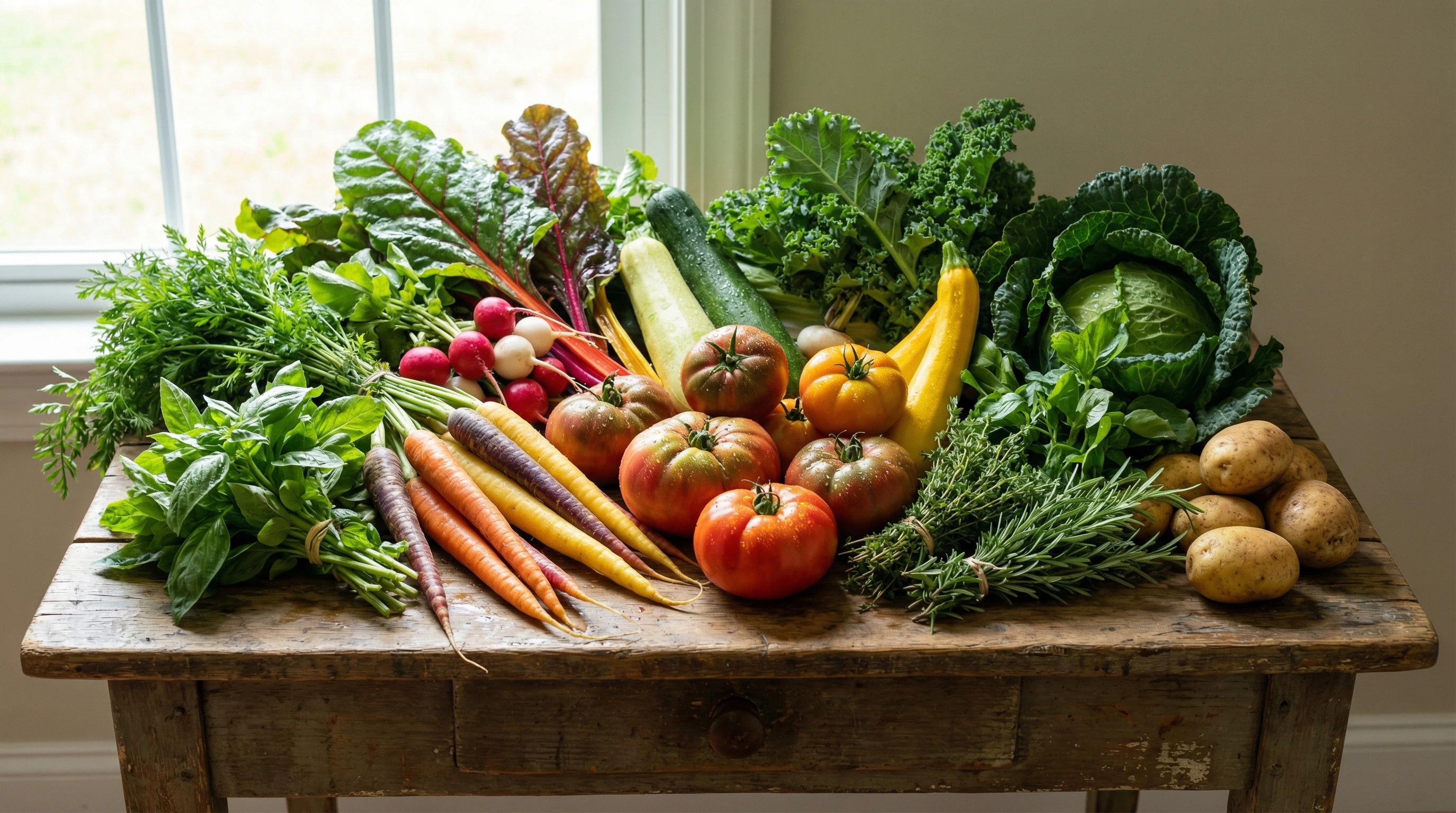
Why Grow Your Own Seasonal Vegetables?
Having easy access to seasonal veggies at home means you’re eating fresher, tastier, and more nutrient-rich food than what you often find in stores.
It also helps cut your grocery bills and reduces your carbon footprint since you’re not relying on produce shipped from miles away.
Growing your own also gives you freedom to choose what works best for your tastes and local growing conditions, and you won’t need to worry as much about pesticides.
There’s a bunch of ways to get started, whether it’s with raised beds, pots, or even indoor gardening setups.
Understanding Growing Seasons
Seasons play a pretty big role in what you can grow and when.
Most veggies fall into coolseason or warmseason categories.
Coolseason crops love the chill of spring and fall, while warmseason ones prefer the long, sunny days of late spring through early fall.
Getting to know your local climate and the average frost dates around your area makes a huge difference for planning.
If you want to harvest fresh vegetables all year round, it helps to pick varieties that work for each season and to use some simple tricks like succession planting, crop rotation, or protection like greenhouses or cold frames.
Indoor growing under lights is also an option for keeping the harvest going even during the winter.
If you’re just starting, check out local gardening guides that give you a list of tried-and-true vegetables well suited for your climate.
Year-Round Vegetable Garden Staples
Here’s a quick rundown of vegetables you can keep harvesting no matter what the calendar says.
Rotating these throughout the year keeps salads, soups, and stir-fries interesting and nutritious.
- Leafy Greens: Spinach, kale, Swiss chard, and lettuce work well in both garden beds and pots. These are fastgrowing and suited for repeated sowings all year. During colder months, you can move pots inside or use row covers outside.
- Root Vegetables: Carrots, radishes, beets, and turnips grow in spring, fall, and sometimes mild winters. Root crops don’t mind cooler soil and can be staggerplanted for a steady harvest.
- Herbs: Parsley, cilantro, chives, and mint thrive in pots on a sunny windowsill all year. Rosemary and thyme do well indoors during winter when brought in from the cold. Keeping a small collection of fresh herbs indoors really gives a boost to home cooking all year.
- Peas and Beans: While you’ll usually grow these during spring and summer, bush peas and certain green beans can keep producing if started periodically from early spring through late summer.
- Tomatoes and Peppers: These summer favorites need warmth, but dwarf or bush varieties can be grown indoors under lights during the cold months. Trying a compact cherry tomato variety under a grow light is a fun winter experiment.
Getting Started: Tools and Supplies for Year-Round Growing
Building a home vegetable garden, even on a small scale, doesn’t take a ton of expensive equipment.
Here are a few basics I find super useful:
- Pots and Containers: Perfect for patios and balconies, or even smaller spaces indoors. Good drainage and depth help roots thrive. Try to mix in some variety between ceramic, plastic, and fabric pots for different crops.
- Raised Beds: These warm up faster in spring, provide better control over soil, and make planting easier on your back. Raised beds can be easily set up with simple untreated wood planks or even upcycled materials.
- Quality Potting Mix or Garden Soil: Healthy, loose soil is key for strong crops. Mixing in compost or organic matter at every planting pumps up your soil for better results.
- Grow Lights: Indoor gardening during winter is so much easier with LED or fluorescent grow lights, especially for leafy greens and herbs.
- Row Covers, Cloches, or Cold Frames: These make it easy to stretch your growing season during the cooler months and protect new seedlings from frost. Clear plastic bins can double as makeshift mini-greenhouses if you’re just testing the waters.
- Watering Can, Pruners, and Trowel: Standard tools that make caring for your veggies quick and easy. If you add a lightweight hand fork, pulling weeds or loosening soil is a snap.
Season-by-Season Guide to Homegrown Vegetables
Knowing what to plant and when really matters for a steady supply of homegrown veggies.
Here’s how I usually break it down:
Spring
This is prime time for coolweather crops to start growing strong.
I like planting:
- Spinach and lettuce mixes
- Broccoli and cauliflower starts
- Radishes, carrots, and beets seeded directly
- Early peas for crisp, sweet pods
If late frosts hit, row covers keep seedlings safe.
Most leafy greens and roots won’t mind chilly nights.
Try planting in beds near a south-facing wall to pick up additional warmth early in the season.
Summer
Warmseason crops really take off now.
Key picks:
- Tomatoes, peppers, and bush beans
- Zucchini and summer squash
- Eggplant and cucumbers
- More cutandcomeagain greens like Swiss chard
Lots of sun and regular watering help these crops thrive.
Mulch can help lock in moisture if things heat up.
Tucking in some basil or parsley near your tomatoes gives a boost in flavor and makes harvesting herbs a breeze while caring for the veggies nearby.
Fall
Once temperatures start dropping, it’s back to planting coolseason veggies for a fall harvest and even winter greens:
- Kale, spinach, arugula, and Asian greens
- Second round of carrots and beets
- Turnips and radishes, which often get sweeter after a slight frost
If you start early enough, you can keep these veggies harvesting through late fall.
Some will overwinter just fine with a little protection.
Long-lasting root crops like beets can be mulched and left in the ground until you’re ready to eat them.
Winter
Colder weather doesn’t always put a stop to your harvest.
Key winter crops and methods:
- Overwintered kale or collard greens
- Spinach and mache (corn salad), which are surprisingly hardy
- Indoor-grown herbs and leafy greens under lights
If you’ve got a cold frame or unheated greenhouse, these will stretch your garden’s bounty further.
Indoors, a grow light setup on a shelf or table works for lettuce and herbs all season.
Growing microgreens is an awesome way to add freshness to your meals during the darkest part of winter.
Common Challenges and How to Handle Them
Just like with any new hobby, you’re bound to run into a few snags.
Here are some typical challenges and how I usually handle them:
- Pests and Diseases: Keeping an eye out for bugs, slugs, or mildew goes a long way. Hand-pick pests if you spot them, and try gentle methods like neem oil or insecticidal soap when needed. Rotating crops helps prevent disease buildup. Attracting beneficial bugs and birds can also be a natural way to keep pests in check.
- Temperature Swings: Sudden cold snaps, especially in spring or fall, can hurt tender plants. Row covers, cold frames, or moving containers indoors overnight can save your crop.
- Not Enough Sunlight Indoors: Winter can be tough for sunlovers. Adding a basic fullspectrum grow light on a timer gives greens and herbs what they need for solid growth. Placing your plants near the sunniest window possible is still a good habit, even with supplemental light.
- Soil Getting Worn Out: Replenishing pots or garden beds with compost or organic fertilizer between plantings keeps plants healthy and minimizes nutrient loss. Adding mulch to the soil surface can slow down nutrient leaching and encourage helpful worms and microbes.
Handy Tips for Year-Round Success
A few quick tips help keep yields coming without too much fuss:
- Stagger your plantings every 2-3 weeks (“succession sowing”) so you always have young and mature veggies maturing at different times. This makes for non-stop salads and fewer gaps in your harvests.
- Keep a simple garden journal to track what went well and what didn’t, so next year goes even smoother. Jotting down weather patterns and crop varieties can help you make better choices in future years.
- Don’t be afraid to try different varieties. There are lots of breeds described as “fastmaturing,” “coldtolerant,” or “heatresistant” that suit every situation. Experimenting with new seeds can lead you to stumble upon unexpected favorites.
- Invest in some weather protection; row covers, cold frames, or clear storage bins make handy mini greenhouses. Even old windows repurposed as tops for boxes can shield seedlings during cold snaps.
Real-Life Examples of Year-Round Home Growing
Plenty of home gardeners keep a harvest going, even with small spaces.
I know someone who has a steady supply of lettuce, mustard greens, and radishes growing on a sunny apartment windowsill, using just a couple of long planters and a small LED grow light.
Another friend makes the most of raised beds and row covers, harvesting kale and carrots through snowy winters.
The main thread I see is that a bit of creativity, regular check-ins, and staying flexible make it work almost anywhere.
Swapping seeds and ideas with other gardeners can spark new ideas for your year-round setup, too.
Frequently Asked Questions
Curious minds usually have a couple of the same questions, so here’s what I get asked most often:
Question: What’s the easiest vegetable to grow all year at home?
Answer: Leafy greens like lettuce or spinach do great in pots inside and outside.
They germinate quickly, grow fast, and handle transplanting well.
Question: Can I really grow vegetables indoors in winter?
Answer: Yep.
All it takes is a sunny windowsill or a simple LED grow light. Herbs, greens, and radishes grow especially well inside.
Question: How much space do I need for a year-round vegetable garden?
Answer: You can start with just a couple of containers on a balcony or a small bed in the yard.
Even a few pots or a hanging basket of herbs goes a long way.
Your Year-Round Harvest Awaits
Planning a garden that feeds you all year is totally doable, whether you’re working with a backyard plot or a collection of pots indoors.
All it takes is a little planning, some protection for your plants, and a willingness to try new things.
Fresh, homegrown veggies can show up on your plate no matter the season, bringing a bit more flavor and satisfaction to every meal.
The adventure of gardening all year doesn’t just bring great food; it adds a sense of achievement and rhythm to your days.
If you’re patient and open to learning, you’ll soon enjoy the rewards of homegrown produce through each season—no special tricks, just a little commitment and some dirt under your nails.