
Plantbased Mediterranean cooking has become a favorite of mine for both flavor and wellness.
This way of eating brings together the vibrant tastes of the Mediterranean with meals and traditions built around whole, plantbased foods.
With so many people looking for easy ways to eat more plants and support their health, starting with Mediterranean basics is a really good choice.
In this guide, I’ll break down how you can begin cooking delicious plantbased Mediterranean dishes at home, even if you’re new to this type of cooking or plantbased eating.
Why Choose PlantBased Mediterranean Cooking?
I’ve found that plantbased Mediterranean cooking isn’t just full of flavor.
It also comes with a bunch of practical health benefits.
The Mediterranean diet, which is often ranked as one of the healthiest overall, is linked with longevity, heart health, and a lower risk for chronic conditions like diabetes.
By skipping meat and focusing on plants, grains, and healthy fats, I can make meals that feel both light and satisfying.
This way of eating is rooted in the food cultures of places like Greece, Southern Italy, Spain, and North Africa.
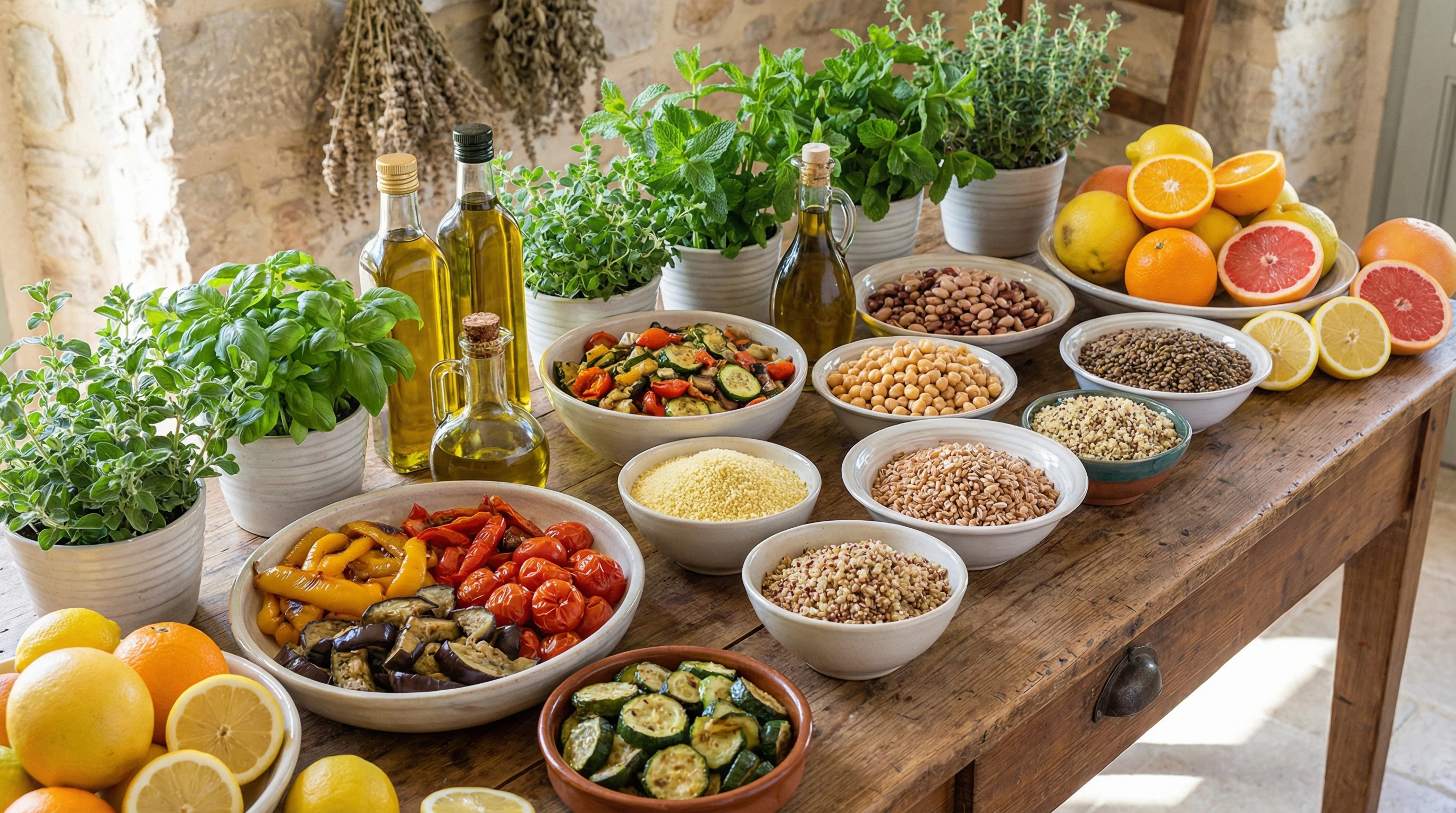
While traditional Mediterranean diets often include fish and dairy, going plantbased means building meals mainly from vegetables, fruits, beans, nuts, seeds, olive oil, and grains.
This change usually leads to a lighter, more ecofriendly way of eating without losing the taste or joy of Mediterranean food.
Essential Staples for Your Mediterranean Pantry
Stocking my pantry with key Mediterranean ingredients helps me cook meals quickly and with lots of flavor.
These ingredients show up in recipes over and over, so keeping them on hand saves me time and energy.
- Whole Grains: Brown rice, farro, bulgur, wholewheat couscous, and barley are each great bases for salads and bowls.
- Legumes: Chickpeas, lentils, and beans are used widely for stews, mashes, salads, and spreads like hummus.
- Olive Oil: A true staple for sauteing, dressings, and drizzling over finished dishes.
- Nuts & Seeds: Almonds, walnuts, and sunflower seeds add crunch and nutrition.
- Herbs & Spices: Oregano, basil, mint, rosemary, cumin, coriander, and sumac bring bursts of Mediterranean flavor.
- Fresh Vegetables: Tomatoes, eggplant, zucchini, bell peppers, onions, and leafy greens are used in many classic dishes.
- Fruit: Lemons and oranges brighten sauces and salads, while dates and figs are popular for a bit of sweetness.
With these basics, I can make dishes that are both varied and interesting day after day.
As you build up your pantry, you might want to add spices like smoked paprika or chili flakes for a bit of extra heat.
Capers and pickled vegetables can also bring a briny spark to grain bowls and salads.
Consider jars of marinated artichokes or roasted peppers for convenience and bold flavor, which are often used in Mediterranean kitchens to save time without compromising taste.
StepbyStep Guide To Getting Started
I remember how satisfying it felt when I first tackled plantbased Mediterranean recipes at home.
Here’s a simple stepbystep approach that works well for beginners and helps you build confidence in the kitchen:
- Pick Your Produce: I start with whatever is fresh and seasonal, often building meals around vegetables I find at local stores or markets. If you can, try shopping at a farmers market for super fresh options—you might stumble upon new ingredients to try.
- Select a Grain or Legume Base: I choose from quinoa, bulgur, lentils, or beans to provide substance and protein. Mixing in whole grains with lentils adds different textures and helps keep meals filling.
- Add Flavor with Herbs and Citrus: Chopped fresh herbs, lemon juice, and zest instantly make things taste brighter and more Mediterranean. If you can’t find fresh herbs, dried versions can work too, though use a bit less since they’re more concentrated in flavor.
- Include Healthy Fats: Olive oil, olives, and nuts not only taste good, but also keep me full and happy. If you want, drizzle tahini over bowls or salads to give a nutty, rich finish.
- Combine & Taste: I adjust salt, pepper, and spices until everything tastes balanced and rich. Sometimes a splash of vinegar or extra citrus brings a dish together when it feels flat. Don’t be afraid to experiment and taste as you go.
- Present Simply: Many Mediterranean dishes look beautiful served familystyle on a big platter with some bread or pita alongside. Sharing a big salad or tray of roasted vegetables encourages everyone to dig in and appreciate the meal together, just as it’s done in Mediterranean homes.
By following this framework, I can put together a great meal without too much fuss.
Remember, most Mediterranean meals are meant to be flexible.
Swap in what you have and enjoy the process of creating.
Helpful Tips for PlantBased Mediterranean Beginners
Getting comfortable with plantbased Mediterranean cooking comes with practice.
Here are a few tips I learned early on:
- Prepare Ingredients in Advance: Cooking a big batch of beans or grains on the weekend gives me building blocks for easy meals during the week. You can also prechop some vegetables, which makes putting together lunches and dinners even faster.
- Experiment with Herbs and Spices: I try mixing different combinations to see what I like best. For example, parsley and mint together give salads a super refreshing taste. Don’t forget spices like cinnamon or allspice in rice dishes—these are used more often than you might think in Mediterranean cooking.
- Try Roasting Vegetables: Roasting brings out sweetness and a rich flavor in almost any vegetable. A tray of roasted eggplant, peppers, and zucchini becomes the star of many dinners.
- Don’t Overlook Sauces: Classic Mediterranean sauces like tahinilemon sauce or red pepperwalnut spread (muhammara) add excitement to basic grains and vegetables. Preparing a simple vinaigrette with lemon, garlic, and olive oil can also go a long way.
- Keep It Balanced: If I use something tangy or salty, like olives or capers, I balance it out with milder flavors. Adding a little honey or date syrup into certain dressings can also mellow out robust flavors and keep the meal harmonious.
These reminders help me create meals that are both easy and delicious.
With each meal, I find new favorite flavor combinations, and meal prep gets quicker as I get more familiar with my pantry and staples.
Common Challenges and How I Solve Them
Switching to a plantbased Mediterranean style brought some challenges for me.
Here are the main ones and how I worked through them:
- Finding Enough Protein: At first, I worried about getting enough protein. Including lentils, beans, and nuts at every meal made this simple. Now I often add hemp seeds or a spoon of hummus to salads for an extra protein boost.
- Missing Cheese or Meat Flavors: Learning to use olives, sundried tomatoes, capers, and spices helped me fill in those flavor gaps with salty, savory notes. Nutritional yeast sprinkled on top of salads or roasted veggies can add a cheesy, umami flavor without dairy.
- Cooking Time: Meals can sometimes feel like they take longer if I’m cooking beans or whole grains from scratch. Soaking beans ahead or using canned versions saves me time when needed. Using precooked frozen grains can also make meals even more convenient without any loss in taste or nutrition.
- Shopping for the Right Ingredients: Sometimes, I couldn’t find certain Mediterranean ingredients nearby. I started with what was available, focusing on herbs and vegetables, and slowly expanded my collection as I found new markets. Specialty stores or online markets sometimes make it easy to find unique pantry staples if you want to branch out even more.
Over time, these issues faded as I got used to shopping, prepping, and cooking in this style.
Eventually, I began enjoying the process of exploring new shops and talking with vendors, picking up tips along the way about how to use certain spices or specialty grains that I’d stumbled upon.
Favorite Quick PlantBased Mediterranean Recipes
- Mediterranean Chickpea Salad: I toss canned or cooked chickpeas with cherry tomatoes, cucumber, onion, olives, parsley, lemon juice, and olive oil.
- Roasted Vegetable Couscous: Roasted eggplant, zucchini, and peppers served over fluffy wholewheat couscous with pine nuts and fresh mint.
- Lentil Soup with Spinach and Lemon: Brown lentils simmered with carrots, onions, spinach, and seasoned with cumin and lemon juice.
- White Bean and Tomato Stew: White beans cooked with garlic, ripe tomatoes, and a little olive oil, served with warm crusty bread.
- Grilled Vegetable Skewers: Mixed vegetables like mushrooms and peppers brushed with olive oil and grilled until charred and sweet.
These dishes come together fast and show off the best flavors of Mediterranean cooking.
You might also want to try adding a quick tabbouleh salad or a platter of fresh fruit drizzled with orange blossom water for a sweet finish.
The range of easy, customizable recipes is nearly endless.
RealLife Benefits I’ve Noticed
After a few months with mostly plantbased Mediterranean meals, I started noticing improvements in my energy, digestion, and even my mood.
My kitchen also started smelling amazing every evening, thanks to fresh herbs and roasted vegetables.
What I enjoy most is how easy it is to adapt this way of eating to whatever’s in my fridge.
The recipes are flexible, and I can adjust them based on what I have or my tastes changing with the seasons.
This flexibility means I’m less stressed about meal planning and more likely to stick with eating more plants all year round.
Another benefit worth mentioning is the sense of connection I feel with Mediterranean food traditions.
Preparing dishes that have been shared for generations, often built around gatherings, makes meals feel special and memorable, even on a weeknight.
Frequently Asked Questions About PlantBased Mediterranean Cooking
Question: Do I need to avoid all dairy and eggs?
Answer:
Classic Mediterranean diets include dairy and eggs, but for plantbased cooking, I use plant milks or yogurts when needed.
I find this keeps dishes light but still adds richness.
Question: Is it hard to eat out or travel following this way of eating?
Answer:
Many Mediterranean restaurants have vegetarian options like salads, dips, or vegetable grills.
I doublecheck ingredients and choose spots that let me swap in or leave out certain items.
Don’t hesitate to ask for adjustments to make a dish plantbased—many places are happy to work with you.
Question: What’s the best way to get started if I’ve never cooked this way before?
Answer:
Stock up on the pantry basics I listed earlier and try one or two new recipes a week.
I also make use of online resources, blogs, and recipe books focused on Mediterranean flavors.
Watch some simple cooking videos if you’re a visual learner, and don’t stress about making every meal perfect—just have fun, and your skills will grow.
Final Thoughts on PlantBased Mediterranean Cooking
Switching to plantbased Mediterranean cooking at home has brought a lot of positive changes for me.
Not just in my health, but in how much more I look forward to dinner.
The focus on fresh, seasonal food keeps meals interesting, and the flavors are bright and satisfying.
With the simple routines and tips I’ve shared, you’ll be able to create greattasting, nourishing meals too.
Start simple, enjoy the process, and remember that each meal is a new chance to taste something vibrant and delicious.