Growing your own vegetables is one of those projects that’s both super satisfying and really handy if you want fresh produce right outside your door.
If you’re new to gardening, I know the whole process can feel a bit overwhelming with the endless choices of seeds, tools, and garden layouts.
I’m here to help make things smoother, breaking it down step by step so you can kick off your own vegetable patch with confidence and get some great results even if it’s your first try.
Why Start Your Own Vegetable Garden?
Having a vegetable garden isn’t just about saving money at the store.
There’s a whole vibe that comes with eating something you grew yourself.
Fresh veggies often taste better, and you’ll know exactly what did, or didn’t, go into them.
Plus, there’s a sense of calm that comes with tending to plants.
According to the National Gardening Association, interest in home vegetable gardening has grown steadily over the past decade as more people want to eat healthier and be a little more self-reliant.
A few carrot tops poking through the dirt or picking a sun-warmed tomato can brighten up your day in a way store-bought produce just can’t match.
Getting started doesn’t call for a huge backyard or expert level knowledge.
Even a few containers on a balcony can create a good salad.
It’s all about making the most of your space and beginning with veggies that are simple to grow for beginners.
Gardening also encourages you to spend more time outside, unplug and enjoy nature.
Kids love helping out, and it’s a fantastic way to introduce them to how food is grown.
You’ll stumble upon new favorite veggies and notice all kinds of birds, bees, and butterflies visiting your patch.
Preparing The Space: Picking and Planning Your Garden Spot
Good preparation is super important and makes everything else easier down the line.
The right garden space means your plants have what they need for strong growth.
- Sunlight: Look for a spot that gets at least six hours of direct sun each day. Tomatoes, peppers, and most leafy greens love the sun. Even root veggies need strong light to develop well.
- Soil: You want soil that drains well but still holds enough moisture. Heavy clay isn’t great for veggies, but you can mix in compost to improve it. Test your soil or grab a bag of veggiefriendly mix from a garden center if you’re starting off in raised beds or containers. Soil quality is key—good soil sets your plants up for strong roots and healthy growth.
- Water supply: Having easy access to water saves you a lot of hassle, especially in those dry summer months. Dragging a heavy hose across the yard gets old fast. Placing your beds or containers near a tap or within reach of a hose will help keep watering from becoming a chore.
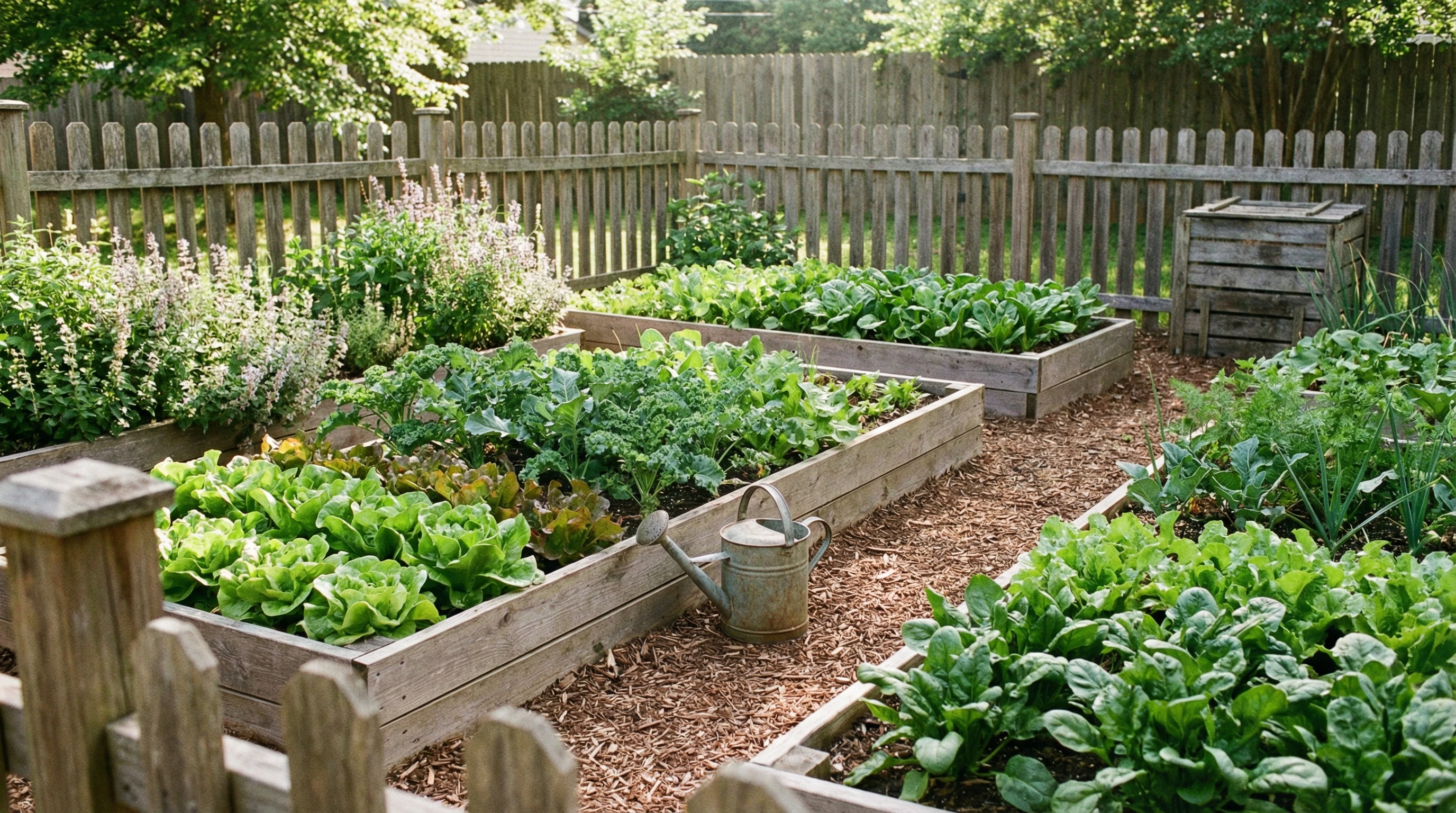
Raised beds are worth checking out if your soil isn’t great or you want to control what your plants grow in.
They also help keep weeds at bay and make watering a little simpler.
If you’re planting right in the ground, check that the area doesn’t flood after rain—puddling can harm young roots.
Choosing What To Grow: Best Veggies for Beginners
Some veggies are low fuss and bounce back easily if you forget a watering here and there.
These are my go-to picks for first-time gardeners:
- Lettuce and Salad Greens: Fast growing, small space friendly, and quick to harvest, sometimes just three weeks from planting!
- Radishes: Another quick crop, radishes give you a harvest in under a month from seed and don’t ask for much attention.
- Tomatoes: They do well in both the ground and containers. Cherry tomatoes are especially resilient and productive.
- Beans: Snap beans are reliable and can be grown as bush types (compact) or pole beans (climb fences or trellises).
- Zucchini: One or two plants usually give plenty of summer squash, just be sure they have room to spread.
Starting with these gives you quick wins and keeps motivation high.
You can always branch out with herbs, carrots, or cucumbers once you’re feeling more confident.
As experience grows, explore peppers, peas, or even a patch of sweet corn.
Step-by-Step Guide to Planting Your Vegetable Garden
With your spot picked out and your veggies chosen, these are the basic steps I follow every spring:
- Clear and Prep the Site: Pull up weeds and any grass in your planting area. Spread compost over the top and work it in with a garden fork or trowel. This helps loosen soil and adds nutrients. A well prepared bed helps seeds sprout faster and grow stronger.
- Lay Out Your Beds: Plan where each crop will go, keeping taller plants (like tomatoes) north or west of shorter ones to avoid shading them. Leave space for walking between rows or beds. A thoughtful setup now saves hassle later.
- Plant Seeds or Seedlings: Seeds can go directly in rows according to the spacing on their packets. For things like tomatoes or peppers, set starter plants in gently and pat the soil around the roots. Pressing the soil firmly enough prevents air pockets but don’t squash it tightly.
- Water In Gently: Use a watering can with a fine rose or a gentle shower setting on your hose. Seeds need consistent moisture but don’t drown them. It’s also a good idea to check soil around seedlings every couple days—they dry out faster than you might guess.
- Add Mulch: As soon as seedlings come up, adding a thin layer of straw, dried leaves, or grass clippings helps reduce weeds and keeps soil moisture steady. Mulching also keeps the soil temperature nice and stable, which young roots love.
Each of these steps helps set your veggies up for success and makes chores easier during the season.
Simple, small habits from the start save you frustration and hard work later!
Common Hurdles and How To Tackle Them
It’s normal to hit a few snags along the way, especially at first.
Here’s how I deal with the usual challenges:
- Pests: Slugs, aphids, and even rabbits show up sometimes. I put down slug traps (like saucers of beer) and cover new plants with mesh until they’re strong enough. Neem oil is my go-to for aphids and other soft bodied insects. If you spot holes in leaves or chewed stems, it could be caterpillars or beetles—pick them off by hand or use mesh row covers.
- Over or Under Watering: Sticking a finger in the soil works well. If it’s dry an inch down, it’s time to water. Wilting can be a clue too. Early morning watering is best and helps stop fungal issues. Wetting leaves late in the day encourages mildew.
- Weeds: Pull weeds often, even if you only get a handful at a time. Never let them go to seed. Mulching makes a big difference and really cuts down on weeding sessions, even in hot weather.
- Soil Nutrition: If your plants look pale or sluggish, feeding them a balanced liquid fertilizer once a month makes a big difference. Compost tea, homemade or from the store, gives a gentle nutrient boost as well. Watch for yellow leaves, stunted growth, or poor flowering—these are hints your soil needs a little extra love.
Making Watering Easy
If you travel or forget to water sometimes, drip irrigation kits or soaker hoses can save your garden.
They’re easy to put in and run on timers so your plants stay happy with less daily effort.
Adding a layer of mulch further helps keep the soil moist between waterings, and you can check soil moisture with a cheap soil probe, too.
Dealing With Unpredictable Weather
Late frosts or heatwaves happen. If temperatures drop suddenly, floating row covers or old blankets protect tender seedlings.
Shade cloth helps shield veggies from scorching sun if a heatwave rolls in unexpectedly.
Even a cardboard box or upturned bucket can shield young plants from a surprise cold snap.
Tips For A More Productive Garden
After a few seasons, I figured out some tweaks that really picked up my harvests and cut down on wasted effort:
- Succession Planting: Instead of planting all your lettuce at once, seed a new row every couple weeks so you’re not buried in more greens than you can eat at one time. This also works for radishes, beets, and green onions.
- Interplanting: Mixing slower growing crops like carrots with faster ones like radishes lets you use space better. The radishes are ready first, leaving room for carrots to finish. Try planting basil between tomato plants or scatter a few marigolds to lure in pollinators.
- Crop Rotation: Switching up plant locations year to year keeps soil nutrients balanced and makes it harder for pests and diseases to settle in. Rotate families (like switching beans with tomatoes) for the healthiest soil.
- Composting: Pile up kitchen scraps, leaves, and grass so you always have free fertilizer to feed your soil each season. Composting also reduces waste and brings more earthworms to your patch, which helps aerate the soil.
All these little upgrades add up to healthier soil and better harvests without a ton of extra work.
It’s fun to swap tips and excess produce with fellow gardeners, too—everyone has tricks to share!
Frequently Asked Vegetable Garden Questions
Lots of beginners have the same questions, and I’ve run into most of them myself:
How much space do I actually need?
You can start with even a small 4×4 foot bed or a few big pots on your deck.
Focus on crops you really like to eat, and add more room as you get into the swing of things.
Five to six large planters or grow bags can produce enough tomatoes, greens, and herbs for salads all summer long.
Is it better to start from seed or seedlings?
Quick growers like radishes and lettuce are super easy from seed.
Peppers and tomatoes often do better from baby plants (seedlings) because it saves time and boosts your chance of a harvest before the end of summer.
If you’re anxious for fast results or your growing season is short, seedlings are a solid choice.
What do I do if something goes wrong with a crop?
If one veggie flops, pull it out and plant something else; don’t worry!
Most crops can be replaced with quick growers even midsummer, so you’re rarely out of luck for long.
Keep an eye out for changes and take notes.
Every failed crop teaches you something new for next year.
Getting The Most Out of Your Garden Experience
Starting a vegetable garden is one of those things you don’t need a ton of gear or experience for—just some patience and a bit of curiosity.
Every season brings new surprises and learning moments.
The main thing is to enjoy the process.
Don’t stress about perfection.
Harvesting your own veggies for the first time feels pretty awesome, and it never gets old.
However your garden turns out the first year, each new season brings another shot to try something different or experiment with new plants.
You might end up with more food than you expected, and sharing it with friends or neighbors always brings a smile.
Dig in and watch your little patch of earth come to life!
Gardening is an adventure, full of rewarding moments, so stick with it and have fun as you grow.