Growing vegetables indoors can be a rewarding way to bring fresh produce right to your kitchen windowsill or balcony.
I’ve spent a lot of time testing different methods and soil mixtures, and I’ve realized that a good indoor soil mix makes a huge difference in healthy growth and steady harvests.
Whether you’re setting up your first windowsill garden or looking to improve your indoor veggie results, choosing the right soil mix takes some know-how and a bit of careful thought.
Let me walk you through what makes soil mixes ideal for indoor vegetables, my favorite combinations, and practical details that can help you get better results right from the start.
Why Indoor Vegetable Gardens Need Special Soil Mixes
Outdoor gardens can rely on native soil, weather, and natural organisms to help plants thrive.
Indoor gardens are different because containers, artificial light, and closed environments make plant care a bit more hands-on.
Regular garden soil is almost never ideal for growing inside.
It can bring pests, become compacted, or drain poorly, all of which can cause plants to struggle or even die.
If you use a well-chosen indoor soil mix, you get better aeration, a fit moisture level, and solid nutrient absorption.
This helps indoor veggies stay healthy and more productive.
What Makes a Good Indoor Vegetable Soil Mix?
I break a solid indoor vegetable soil mix down into three big parts:
- Drainage: Roots rot in soggy soil, so fastdraining mediums keep them healthier.
- Water holding: Soil should retain enough moisture without getting muddy. This balance stops plants from drying out between waterings.
- Nutrients: Indoor plants rely on the nutrients in their pot, so you need to supply more since rain and wildlife don’t add them back in.
Texture matters just as much as the mix.
If soil gets too dense, it suffocates roots.
If it’s too loose, it dries out.
Experience taught me that a light, crumbly structure gets the best results for most indoor veggies.
My Favorite Indoor Vegetable Soil Recipes
I’ve tested more storebought and homemade soil recipes than I can count.
Several stand out, based on how easily they support indoor vegetables like lettuce, peppers, tomatoes, and greens.
Here’s what usually works best for me and why:
- General Indoor Vegetable Mix:
Try roughly two parts peat moss (or coconut coir), one part perlite, and one part highquality compost. This setup provides reliable drainage, gentle nutrient release, and a structure that’s easy for both seedlings and mature roots to explore. Peat moss or coconut coir keeps the mix light and holds water without getting heavy. For more ecofriendly roots, coconut coir swaps in perfectly for peat. - For Leafy Greens:
I aim for extra moisture retention, so I use two parts coir, one part vermiculite, and one part worm castings. Leafy greens need steady hydration, and this recipe keeps water available just a bit longer. Worm castings deliver a slow, steady dose of nutrients and helpful microbes. - For Fruiting Vegetables (Tomatoes & Peppers):
I mix in a little composted manure (about fifteen percent of the total volume) with a main base of coir and perlite in a twotoone ratio. Fruiting plants demand more nutrients, especially once they flower and set fruit.
These recipes scale easily to any pot size.
If I know a plant is a particularly heavy feeder, I’ll add a handful of organic granular fertilizer to the mix as well.
Guide to StoreBought Potting Mixes
Not everyone has space or time to whip up soil from scratch.
I’ve tried lots of bagged potting soils marketed for indoor plants or veggies.
Some are balanced for indoor vegetables, while others need a bit of tweaking.
When I’m picking a bagged mix, I check for these hallmarks:
- No synthetic fertilizers unless you want a nutrient boost.
- No garden soil or topsoil in the ingredients.
- Presence of perlite or pumice to help with drainage.
- Organic matter like compost, worm castings, or forest products.
If the mix seems too heavy or struggles to absorb water, I lighten it with extra perlite or a handful of coconut coir.
Sometimes, bagged soils harbor gnats or other pests, so I keep them stored in a cool, dry spot and give a once-over before using.
“Container vegetable” or “organic indoor potting mix” labels are often good bets.
Brands like MiracleGro, Espoma, and FoxFarm make options worth a look, but I still doublecheck for density or missing nutrients and tweak as needed.
Common Indoor Vegetable Soil Problems and Solutions
- Poor Drainage: If plants yellow, wilt, or seem stunted, the soil may be soggy. I swap in more perlite or coarse sand to help water move through quickly.
- Mold or Fungus Gnats: Soil that stays wet couples with limited airflow to bring on mold or encourage gnats. I let the top inch dry before watering again, and top off with a layer of horticultural sand or small pebbles to keep pests at bay.
- Nutrient Deficiency: When leaves look pale or growth slows, nutrients have probably run out. I give a boost with a liquid organic fertilizer every few weeks, or sprinkle worm castings over the soil to revive the plants.
Spotting the first signs of trouble—such as a musty smell, odd color, or stickiness—makes it easy to step in before things go downhill.
Extra Tips for Mixing and Maintaining Indoor Vegetable Soils
- Start by moistening soil before planting. Dry mixes can be tough to wet evenly after seeds or starts are in the pot.
- Replace or refresh soil yearly. Container soil loses nutrients and its structure breaks down with time, so topping up or swapping out yearly keeps things growing strong.
- Rotate crops when possible. Growing the same crops in the same soil every time builds up disease. Mixing things up helps limit problems.
I also sterilize containers and tools between uses to cut down on disease risk.
If soil starts to compact, every few weeks I fluff the top couple inches with my fingers for better airflow and moisture movement.
Even a little attention here goes a long way.
Applications and RealLife Examples
- Windowsill Herb Gardens: Fastdraining soil with some extra sand helps herbs like basil and parsley set sturdy roots and avoid rot.
- Indoor Salad Bars: A moisturekeeping mix of coir and vermiculite supports quickgrowing lettuces and spinach, giving salad greens ready to pick in just weeks.
- Tomato Pots by the Glass: Richer compost mixes go a long way for tomatoes, helping them set more fruit while still letting excess water run off so roots don’t get waterlogged.
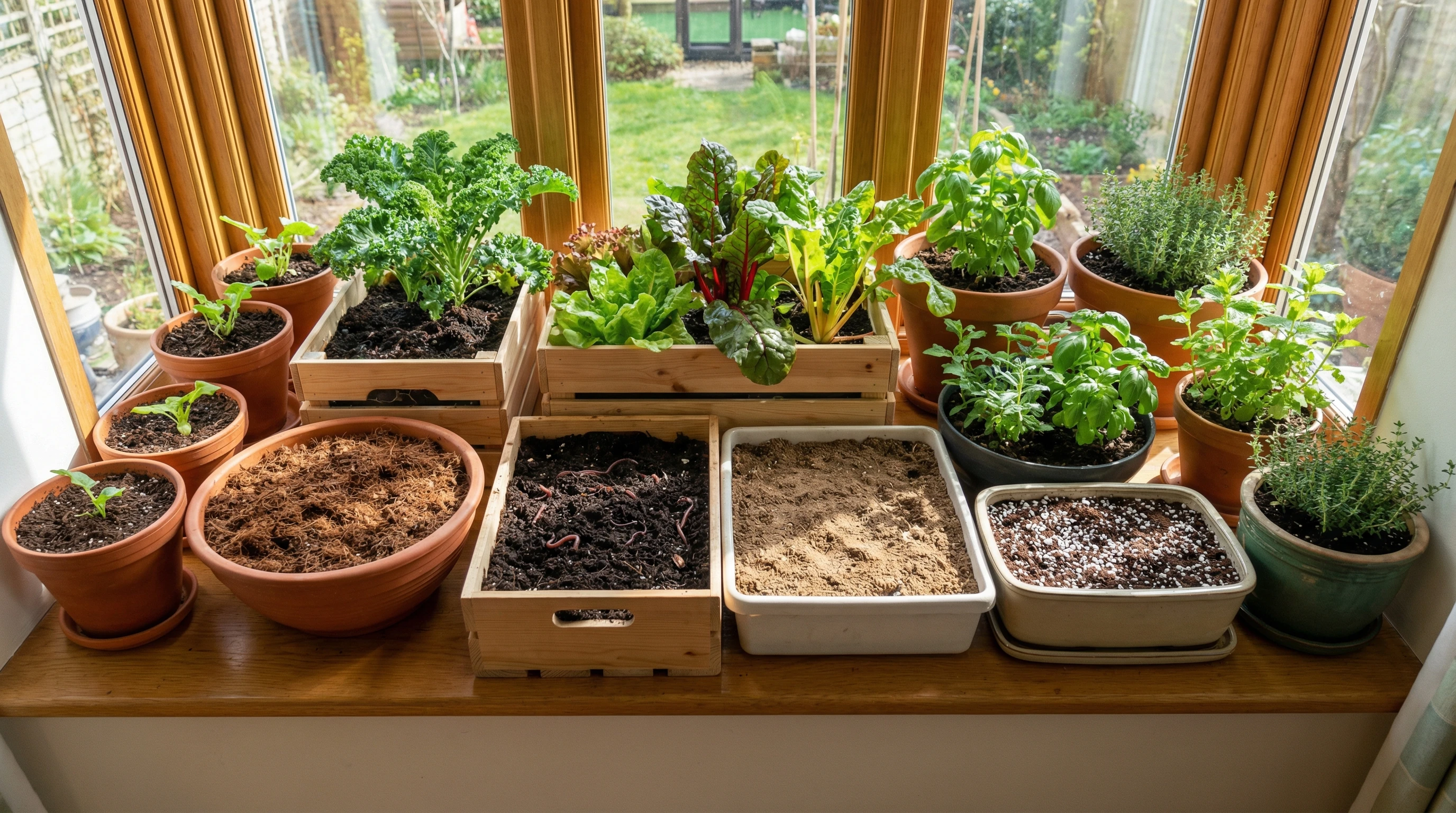
Testing soil mixes sidebyside in a few small pots has taught me more than any manual or online advice.
Seeing how mixes perform in my own home lets me shape things so all my veggies—from microgreens to small pepper plants—thrive indoors.
Frequently Asked Questions
Here are some top questions from new indoor gardeners:
Question: Can I use outdoor soil for indoor vegetables?
Answer:
I suggest skipping it.
Outdoor soil may have pests or clump up and not drain well in pots.
Question: How often should I change indoor vegetable soil?
Answer:
I refresh or swap out container soil about once a year, or sooner if I spot signs of worn out nutrients or compacted texture.
Question: Should I use fertilizer on top of good soil mixes?
Answer:
Absolutely.
Many veggies use up lots of nutrients, so I add organic liquid feed or slowrelease fertilizer as the season rolls on.
Question: Is sterilizing soil worthwhile?
Answer:
Sterilizing helps if pests have been a problem, but it removes the good microbes too.
I only do it if issues keep coming back.
Wrapping Up
Picking the right indoor soil mix truly makes a difference in how well your vegetables do.
Whether you use a custom recipe or a carefully selected bagged mix, always keep drainage, texture, and nutrients in mind for best results.
Experiment with different combinations, note how your plants respond, and you’ll soon enjoy steady harvests and a livelier indoor garden yearround.