Growing my own vegetables at home has often left me wondering how they stack up nutritionally compared to vegetables I could buy at the grocery store.
Many people are curious about this, especially as interest in gardening and fresh food has grown quickly in recent years.
After trying both home gardening and buying from supermarkets for a long time, I’ve noticed some interesting differences in taste and quality.
Here, I’ll share what I’ve learned about the key nutritional differences between homegrown and store bought vegetables, so you can decide what works best for your own plate.
The Basics: How Vegetables Grow and Reach Your Plate
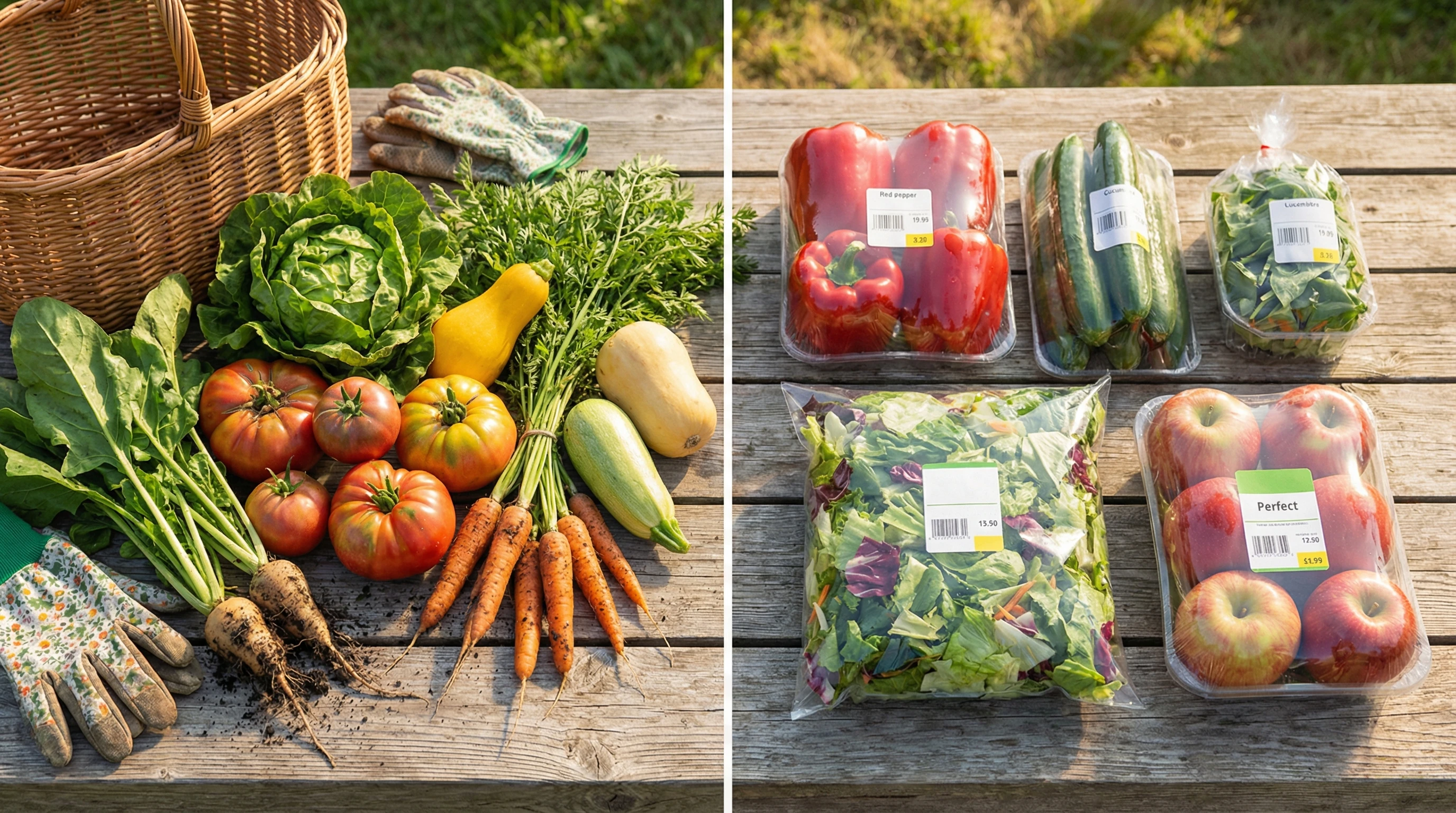
The trip from seed to table really matters when it comes to a vegetable’s nutritional value.
My home garden allows me to control many factors, like the timing of harvest and the kind of soil I use.
Store bought vegetables, though, are typically picked before they are fully ripe and may travel hundreds or even thousands of miles before landing on the shelf.
This process is one of the first things to consider when thinking about getting the most nutritious produce.
Vegetables begin to lose nutrients almost the moment they’re picked.
The time between harvest and eating is much shorter for homegrown vegetables, especially when I pick them right before a meal.
Store bought vegetables are commonly picked early to survive the journey and time on display.
As a result, some nutrients have already been lost when I bring them home.
Key Nutrient Differences Explained
The differences in nutrition mostly come down to freshness and handling along the way.
Some important nutrients affected include:
- Vitamin C: This vitamin breaks down quickly after picking. Fresh garden produce eaten soon after harvesting usually offers more vitamin C than grocery store veggies.
- Antioxidants: Vegetables at peak ripeness have higher antioxidant levels. If they ripen during shipping or long-term storage, they might not reach their maximum for these protective compounds.
- B Vitamins: B vitamins are sensitive to air and light, so eating freshly picked produce from my garden means less of these nutrients are lost.
- Minerals: Potassium, magnesium, and other minerals don’t break down as quickly after harvest. Therefore, whether homegrown or store bought veggies have similar mineral content largely depends on how healthy the soil is where they’re grown.
Harvest Timing: Why It Matters
Being able to choose the perfect time to harvest means my homegrown vegetables often taste better and contain more nutrients.
When I let veggies mature fully on the plant, they build up richer flavors and improved vitamin content.
Store bought vegetables, especially those intended for long trips, usually get picked before this final phase.
While picking early helps them survive transportation, it also means lower levels of key nutrients like vitamin A and vitamin E, which gather in the last days of ripening.
Handling and Storage: Keeping Nutrients Fresh
How vegetables are handled after picking influences the nutrients I get when I finally eat them.
In my home, I pick, wash, and cook vegetables right away, locking in both flavor and nutritional value.
On the other hand, supermarket vegetables might spend days or even weeks moving from farm to store, and then some more time on the shelves.
During this time, they’re exposed to varying temperatures, light, and air, all of which can lead to further vitamin losses.
Although refrigeration can slow this loss, it doesn’t completely stop it.
According to the USDA, spinach may lose up to half its folate content in under a week of fridge storage.
Carrots and broccoli are known to lose vitamin C quickly unless kept quite cold.
Even after buying them, eating quickly makes a real difference.
Soil Quality: Homegrown Advantage?
Soil quality plays an important role in the nutrition of the vegetables we eat.
When I grow my own, I can mix in compost, natural minerals, and various forms of organic matter.
This helps keep my soil healthy, giving my plants a wider array of nutrients to pick up.
The vegetables I find at the store often come from massive farms where the soil could be lower in nutrients after repeated heavy farming with fewer natural amendments.
Some studies, including those in the Journal of the American College of Nutrition, show that commercial produce has dropped in certain mineral content over time, possibly for this reason.
If I spend time building up my garden beds with organic matter, my homegrown vegetables usually have higher levels of minerals like magnesium and calcium compared to many grocery options.
The key is taking care of the soil in the first place, since healthy dirt means better crops.
Use of Chemicals: Pesticides and Fertilizers
Another difference I’ve come across is in pesticide and fertilizer use.
When growing at home, I can stick with organic methods and cut back or skip synthetic chemicals altogether.
Most vegetables from the grocery store, unless labeled organic, are grown using artificial fertilizers and pest control.
Washing does help remove a lot of surface residues, but it’s tough to get rid of all traces.
Personally, I prefer knowing exactly what’s gone into my food whenever possible, which is easier to do with homegrown produce.
Taste and Texture: Signs of Freshness and Quality
For me, taste and texture are some of the most obvious clues to freshness and nutrition.
Fresh from the garden, veggies are often sweeter, more flavorful, and firmer.
These are signs they haven’t lost much water or nutrients.
Less time sitting around means sugars haven’t turned to starch and the veggie cells are still firm.
Supermarket veggies may taste bland or go limp much faster, which usually means some nutrients and flavor have been lost due to aging or rough handling.
All this said, there are times when store bought produce still shines.
Sometimes, produce is grown locally and gets to the shelves quickly, keeping both taste and nutritional value high, so it pays to keep an eye out for fresh local options at your store.
Practical Tips for Maximizing Nutrition
- Eat vegetables soon after harvesting or buying. The sooner I use vegetables after picking or purchasing, the more vitamins and flavor I get.
- Store vegetables cold and dark. Refrigerators and dark spaces help slow down vitamin and antioxidant loss, especially for delicate leafy greens.
- Grow what you can at home. Even if you have only a small spot for a few pots of lettuce or herbs, you’ll enjoy fresher, more nutrientpacked produce than you might find at the supermarket.
- Shop local when possible. Visiting a farmers’ market can let you know your produce was picked just the day before, giving a boost to nutrition and flavor. These markets often provide more nutrientdense options compared to produce that has traveled across the country.
Common Questions About Homegrown vs Store Bought Vegetables
Question: Are homegrown vegetables always more nutritious?
Answer:
Homegrown vegetables typically offer higher nutrition shortly after harvest, especially in vitamins that fade fast.
Still, if they sit around too long before eating, the advantage goes away.
Locally picked store veggies eaten quickly can be just as nutritious in many cases.
Question: Can I improve the nutrition of store bought veggies?
Answer:
Yes.
Choose the freshest produce you can find, store it in your fridge, and eat it promptly.
Also, picking locally grown or organic produce can deliver more nutrients and keep things fresher.
Question: Is there a taste difference?
Answer:
Most people, including me, agree that homegrown vegetables taste bolder, sweeter, and more complex.
That’s because they ripened on the plant and reach your plate sooner, holding onto more vitamins and flavor.
Benefits and Limitations: Balancing the Pros and Cons
Home gardening gives me fresher, tastier vegetables and more control over how they’re grown.
It can mean more nutrition, fewer synthetic chemicals, and a stronger sense of connection to my meals.
But not everyone has the time, space, or energy for a full garden.
Grocery store vegetables bring yearround convenience, variety, and the chance to try things I can’t grow myself, even if nutrition or flavor aren’t always at their best.
In reality, growing just a few things at home lets me mix in that fresh garden taste and texture each week while taking advantage of store bought convenience for the rest.
Every fresh vegetable—whether homegrown or from the market—adds benefits to my diet.
For more information and reliable studies on produce nutrition, check out the resources provided by the USDA Agricultural Research Service and the National Institutes of Health.
Choosing What Works for You
Whether I’m picking tomatoes off a backyard vine or sorting through kale at the grocery store, how vegetables are grown, harvested, handled, and stored all play a part in the nutrition I get.
For anyone who can put in even the smallest effort to garden at home—even a few pots on a sunny balcony—the boost in taste and nutrition is noticeable and rewarding.
And when home gardening isn’t possible, choosing fresh, local options at the store and storing them well helps keep your vegetables in top shape.