
Sticking with plantbased lunches at work has changed the way I feel throughout the day.
I have more energy, I avoid that heavy afternoon slump, and I know I’m doing something good for myself and the planet.
Finding satisfying and tasty lunch ideas can sometimes seem tricky at first, but with a little planning, it’s simpler than I thought.
In this guide, I’m sharing everything you need to enjoy healthy, practical, and truly enjoyable plantbased lunches while at work.
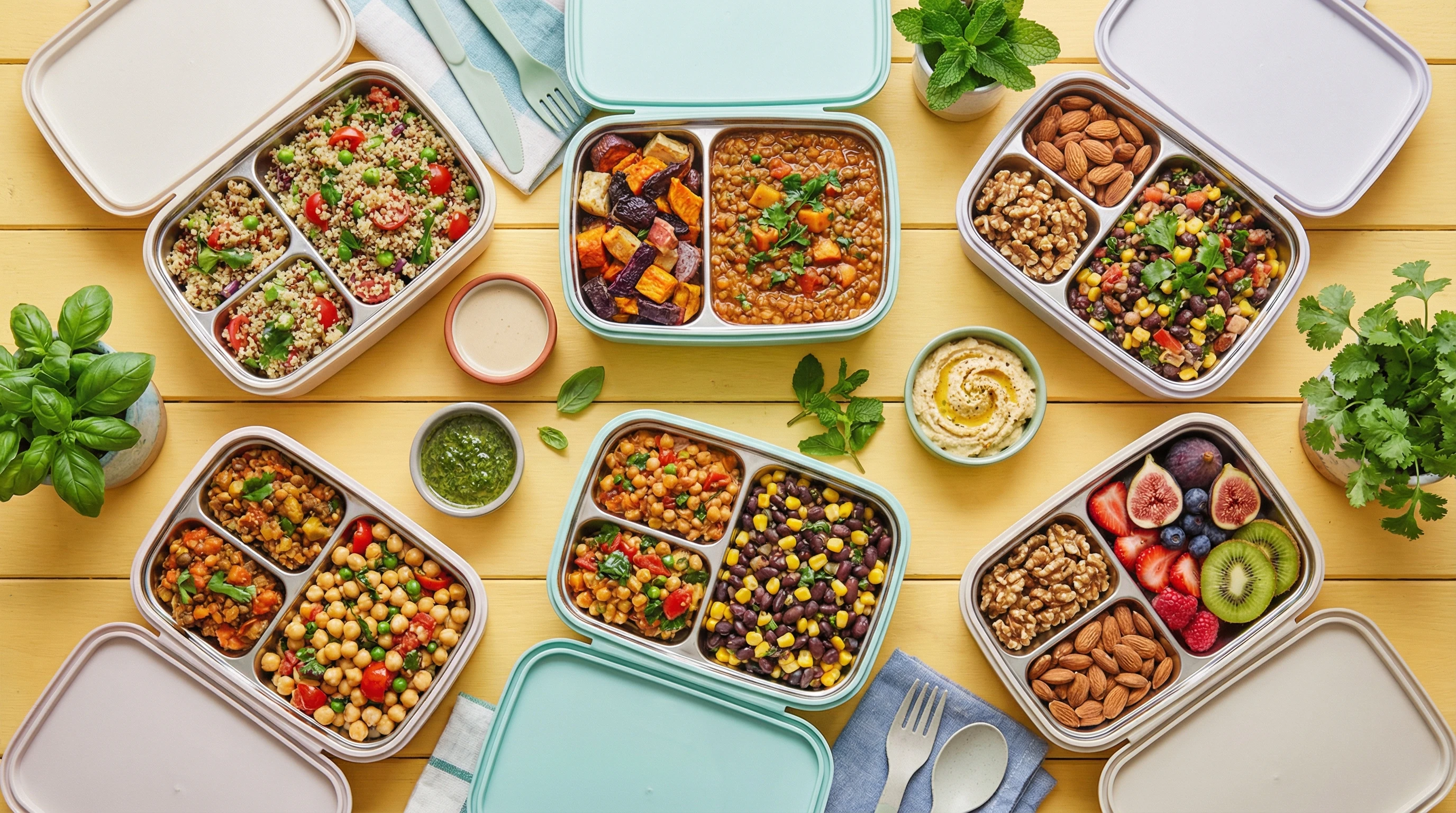
Why PlantBased Work Lunches Matter
Switching to plantbased work lunches is not just about following a popular movement; it’s a good way to improve your health, keep your energy up, and even save some money.
A plantbased lunch focuses on foods like vegetables, grains, beans, lentils, seeds, nuts, and fruit.
These foods are known for being rich in fiber, vitamins, minerals, and healthy fats.
Choosing these foods for lunch keeps me from that tired, bloated feeling that sometimes comes with heavier, meatbased midday meals.
Plus, studies show people who eat plantbased meals tend to have better heart health and more stable energy during the day.
Eating more plants isn’t just great for me, it’s good for the planet too.
A recent report by the United Nations found that moving toward plantbased eating can lower my personal climate footprint by using less land and water than animal products.
Getting Started with PlantBased Lunches
The hardest part for me at first was figuring out what to pack.
At home, it’s easy to grab veggies or make a smoothie, but for work, I need meals that pack well, stay fresh, and fill me up.
I’ve figured out that the key is having a few basic ingredients ready.
My plantbased staples include brown rice, whole grain wraps, cooked lentils, canned beans, oats, mixed salad greens, and nut butter.
With those on hand, I can make a variety of lunches even on busy mornings.
Here are a few ways I prepare in advance:
- Batch Cooking: I cook a pot of grains or beans at the start of the week and use them in salads, bowls, or wraps each day.
- Prep Veggies: Washing and chopping carrots, cucumber, peppers, or leafy greens in advance makes it easy to grab and go.
- Store Sauces: I mix up a simple tahini or vinaigrette dressing in a jar to give a boost of flavor in seconds.
Simple Steps to Building a PlantBased Lunch
Packing a lunch that tastes good, fills me up, and hits the spot without animal products is completely possible with a little planning.
Here’s my stepbystep method for putting together an easy, balanced work lunch:
- Pick a base: I usually start with a grain like brown rice, quinoa, whole wheat pasta, or a whole grain wrap.
- Add protein: Beans, chickpeas, lentils, tofu, or tempeh provide lasting energy and fullness. Even roasted chickpeas add a crunchy protein punch.
- Add colorful veggies: I mix in raw, roasted, steamed, or grilled vegetables for nutrients and flavor. The more variety, the better.
- Include healthy fats: Sliced avocado, olives, sunflower seeds, pumpkin seeds, or a handful of nuts make it satisfying and tasty.
- Use a tasty sauce or dressing: A bright lemontahini, zesty salsa, or spicy peanut sauce makes my lunch come alive.
Things to Consider When Packing PlantBased Lunches for Work
I quickly noticed that some foods don’t hold up well throughout the morning or afternoon.
Others need to be kept cold or taste better fresh.
Here are some common issues I’ve run into and how I manage them:
- Keeping Food Fresh: I use containers with tight lids and bring an ice pack if my lunch includes cut fruit or foods that can spoil, like hummus or tofu salads.
- Preventing Soggy Wraps or Sandwiches: I layer greens or lettuce between the filling and bread or wrap, or keep wet ingredients (like tomato or dressing) separate until it’s time to eat.
- Getting Enough Protein: Beans and lentils go a long way, but I sometimes add roasted tofu, shelled edamame, or homemade chickpea patties for extra staying power.
- Making it Filling: I don’t shy away from carbs or healthy fats. Whole grains and hearty beans are my staples, and I find that nuts and seeds make salads and bowls stay satisfying longer.
Keeping Food Fresh
Some days, my lunch sits out a while before I get to eat it.
An insulated lunch bag or cooler pack keeps everything cool by lunchtime.
For warm dishes, I sometimes bring leftover chili, soup, or a grain bowl in a thermos that I quickly reheat in the morning—hot for hours when I need it.
Planning for Busy Days
On my busiest mornings, I appreciate foods that don’t require assembly.
Overnight oats, jar salads, or snackable bentoboxes with veggie sticks, hummus, fruit, and a slice of wholegrain bread are easy to put together on the fly.
If there’s an office fridge, storing a jar of nut butter or some shelfstable hummus helps me make a quick meal from crackers, fruit, or veggies without stress.
Easy PlantBased Lunch Ideas I Rely On
Here are some goto lunches that have made my workdays and meal prep both easier and tastier:
- Burrito Bowls: Brown rice, black beans, corn, cherry tomatoes, salsa, avocado, and shredded lettuce. Tastes great cold or at room temperature.
- Chickpea Salad Sandwich: Mashed chickpeas with vegan mayo, celery, dill, carrots, and a bit of mustard, stuffed into wholegrain bread or a pita.
- Rainbow Jar Salads: I layer cooked quinoa, cucumbers, carrots, chopped spinach, roasted red peppers, and a lemon vinaigrette in a mason jar. Shake when ready to eat.
- Leftover Grain Bowls: Leftover roasted sweet potatoes, lentils, brown rice, greens, and a drizzle of tahini sauce make a super simple and satisfying lunch.
- Veggie Wraps: Hummus spread on a wholegrain wrap with shredded carrots, spinach, cucumber strips, and bell peppers, rolled tight and sliced for easy grabandgo meals.
To make lunches even more interesting,
I sometimes add thin slices of smoky tempeh, a scoop of spicy kimchi, or quickpickled veggies for something extra.
I also pack a small container of olives or roasted chickpeas for a savory crunch, and occasionally include a sweet option like dried mango or an easy homemade oat cookie for dessert.
Tips for Making PlantBased Lunches More Interesting
Sticking to the same meals can get boring, so I shake things up in a few ways:
- Use different sauces and spices: Even the same bowl tastes new with a different dressing. My regulars are sriracha, balsamic reduction, and herby pesto.
- Change up the grains: Instead of rice, I sometimes use farro, barley, or buckwheat noodles for variety.
- Try new proteins: Marinated tofu cubes, tempeh bacon, or spiced lentil patties keep lunches interesting.
- Add a sweet treat: I pack fresh fruit, a homemade date bar, or dark chocolate for something to look forward to.
Some weeks, I’ll commit to trying at least one new ingredient.
Maybe a new bean like adzuki or butter beans, or a fun grain like millet.
Rotating seasonal veggies—think roasted squash in autumn or juicy tomatoes in summer—keeps flavors fresh and exciting.
Sharing lunches with coworkers can also inspire new ideas!
Practical Equipment for Meal Prep and Storage
Having the right containers makes packing plantbased lunches easier and less messy.
Here’s what works best for me:
- Glass or BPAfree plastic containers: These come in various sizes and seal tightly so dressings don’t leak.
- Small dressing jars: Perfect for keeping sauces and dips separate until I’m ready to eat.
- Insulated lunch bag: Keeps cold foods fresh for hours.
- Reusable cutlery: A small fork, spoon, and knife set lives in my lunch bag so I never end up stuck without utensils.
I also keep a few cloth napkins and a reusable water bottle in my bag to cover all the bases.
Occasionally, I’ll bring a small container for compostable scraps if my office has a green bin program, so I can reduce waste from peels and cores.
Frequently Asked Questions About PlantBased Work Lunches
I get a few questions from coworkers about my lunch routine, so here are some answers:
Question: Do plantbased lunches really keep you full?
Answer:
Yes, as long as I pack enough calories and focus on whole grains, beans, lentils, and healthy fats, my lunches keep me full until dinner.
Question: How do you avoid spending too much time prepping?
Answer:
I save time by making big batches of staple ingredients like grains and beans.
Most weeks, I spend about an hour on Sunday prepping main parts of my lunches for the next few days.
Question: Is it hard to get enough protein with plantbased lunches?
Answer:
It’s easier than I expected.
Beans, lentils, tofu, tempeh, and nuts are all good sources.
If I aim for at least one or two kinds of protein in my lunch, I meet my needs easily.
Question: How do you keep lunches from getting repetitive or dull?
Answer:
Mixing up grains, proteins, sauces, and veggie combinations keeps things fun and flavorful.
I swap out ingredients depending on season or what’s on sale, and I check out new recipes online for inspiration.
Wrapping Up
Sticking to plantbased lunches at work has made my days run smoother, given me steady energy, and added some creativity to my kitchen routine.
I’ve stumbled upon new foods I enjoy and grown habits that support my health goals.
With a bit of planning and a few versatile recipes, plantbased lunches become a reliable and enjoyable part of the workday.
Trying out one or two of these lunch ideas this week can be a fantastic start.
Give yourself permission to mix things up, try something new, and see what flavors and textures you like best.
Over time, experimenting with new grains, sauces, and veggies keeps things interesting for me and makes me look forward to lunchtime every day.