Growing vegetables at home keeps gaining popularity as people look for ways to eat healthier and make their budgets go further.
I’ve found that gathering fresh herbs and veggies right from my backyard or even a balcony garden and bringing them straight to the kitchen is incredibly rewarding.
Not only does gardening serve as a relaxing hobby, but eating home grown produce comes with a bunch of health perks you might not expect.
In this article, I’m walking you through the top ten health benefits of eating home grown vegetables and why even a small garden can have a huge impact on your well-being.
Why Eating Home Grown Vegetables Matters
Vegetables gathered at home frequently taste better, and there’s a simple reason for it.
When I pick a tomato or snap off a bean from my own garden, I know exactly what’s been used to grow it.
I get to harvest vegetables right at their peak ripeness, which bumps up the flavor, especially when compared to store produce picked early for shipping.
Home gardens also let me skip harsh chemicals or unnecessary pesticides, which makes my meals feel safer and noticeably fresher.
More than just taste and safety, growing vegetables at home constantly pushes me to eat a greater variety.
I’m more motivated to try out new vegetables or plant rare heirloom varieties that aren’t always on shelves at the supermarket.
This adds new colors and nutrients to my meals, keeping things exciting while stepping up my nutrition.
The Biggest Health Upsides of Eating Home Grown Vegetables
Having my own garden means more than just fresh, delicious veggies—it’s a total boost for my health.
Here are the ten main benefits I’ve personally experienced and found in my research:
- Higher Nutrient Content
When I eat vegetables soon after picking, I’m getting them when they’re packed with vitamins and minerals. Nutrients, including vitamin C and many B vitamins, start fading soon after harvest. Store veggies, harvested early and then shipped long distances, can lose a lot of their goodness. Eating straight from the garden helps me load up on maximum nutrition with every meal. - Lower Pesticide Exposure
I control what goes into my garden soil and on my plants. This way, I can leave out synthetic chemicals and choose safe, environmentally friendly alternatives, leading to far fewer pesticide residues in my meals. Even after washing, store-bought veggies often have lingering chemicals (Environmental Working Group), so growing at home helps me play it safe, especially for kids or anyone with sensitivities. - More Fiber for Digestive Health
Fresh veggies are a fiber powerhouse. Harvesting and eating a mix of home grown greens, beans, or carrots helps me easily meet my daily fiber needs. Fiber is key in keeping digestion regular, preventing constipation, and even promoting healthy cholesterol. - Fewer Additives or Preservatives
When I serve up vegetables fresh from my garden, there’s no need for wax coatings or shelf-extending preservatives. My veggies go from soil to plate in minutes, cutting out additives that can sometimes cause stomach problems or allergic reactions for some. - Improved Mental Wellbeing
Tending a garden helps me destress, gets me outdoors, and gives me a real sense of accomplishment. There’s solid research showing that time spent gardening can lower stress and improve mood (NCBI Study). Cooking and eating what I cultivated just makes that feel-good effect stronger. - Supports a Healthy Weight
With garden-fresh food right outside, I put veggies at the heart of my meals. I end up snacking on cherry tomatoes or crunching on cucumber slices instead of reaching for less healthy packaged snacks, which helps me keep my weight in check naturally. - Boosts Immune Function
Many home grown vegetables are full of antioxidants like vitamin C and beta carotene, which are vital for a strong immune system. When I eat them fresh, these compounds haven’t broken down as they would during transport or storage, giving my body a helpful boost. - Encourages Healthy Eating Habits
Growing food at home nudges me to cook more homemade meals. Instead of grabbing something processed, I naturally want to use the vibrant produce I just picked, inspiring better eating habits for the whole family. Plus, when kids get involved in gardening, they often want to taste what they’ve helped to grow. - Greater Traceability and Food Safety
There’s no mystery about the source of my salad. Knowing the exact journey from seedling to plate gives me peace of mind, especially during recalls or when there’s news about contamination in large-scale agriculture. - Personal Satisfaction and Sense of Purpose
The simple act of eating home grown vegetables connects me to nature and my food in a deeply satisfying way. Watching seeds sprout, tending plants, and serving up my harvest gives me a sense of accomplishment that’s hard to find elsewhere.
What to Grow at Home for Maximum Benefits
You don’t need an enormous plot; the health rewards show up even in small spaces.
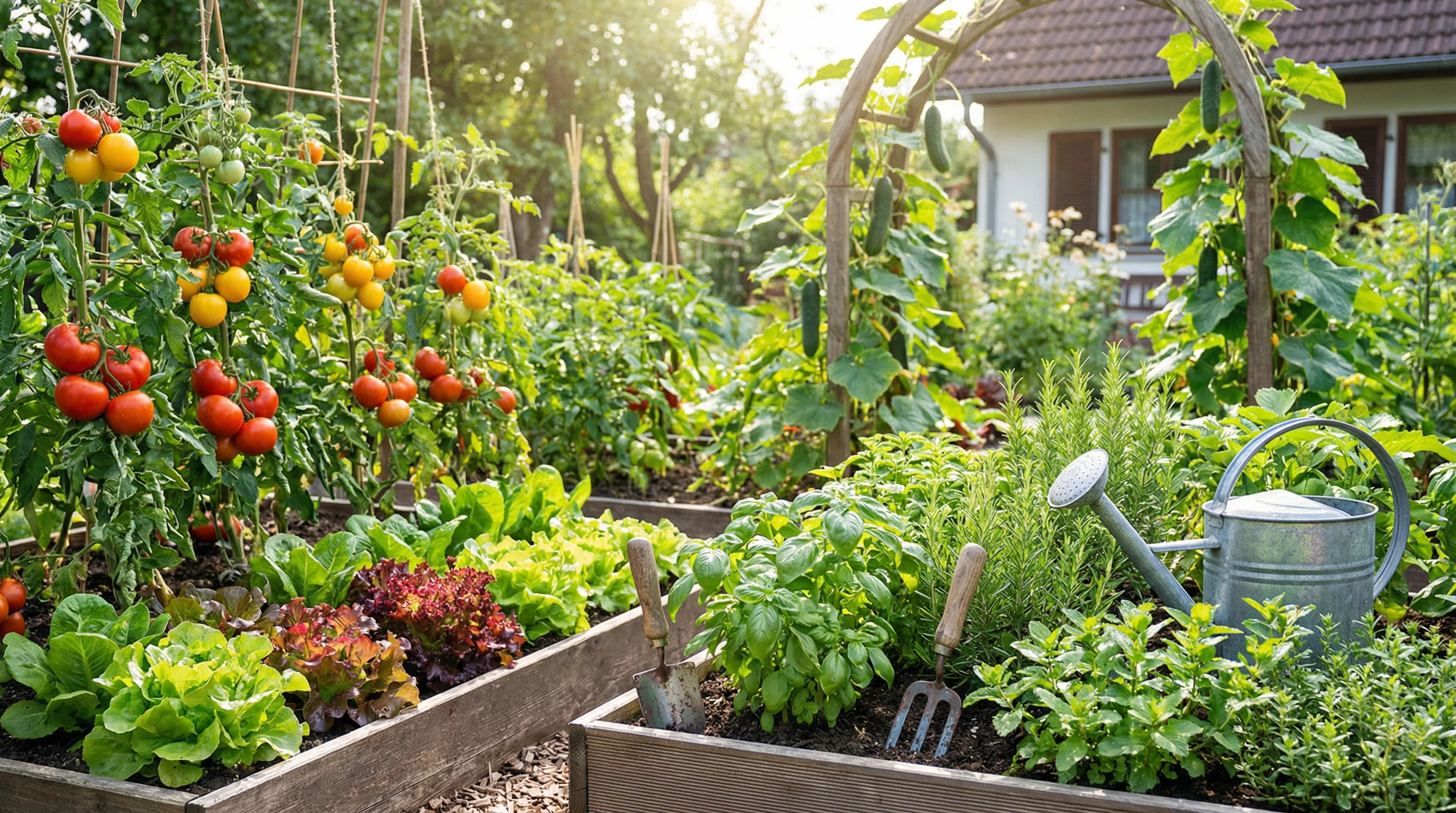
I suggest beginners start with cherry tomatoes, lettuce, Swiss chard, radishes, green beans, and herbs like basil or parsley.
These options grow quickly, taste amazing off the plant, and won’t crowd your space.
Potted gardens or raised beds make it easy to keep a steady stream of fresh produce flowing throughout the season.
Starting out small makes the process more approachable.
I had the most success sticking with vegetables I love to eat.
Later, I tried out new ones as confidence and curiosity grew.
Over time, I also learned to experiment with cooking, letting the vibrant flavors of my own vegetables steal the show at dinner.
Common Challenges and How I Handle Them
Launching a home vegetable garden means facing a few speed bumps.
Here’s how I tackle the most frequent issues to keep my harvest (and health) moving forward:
- Pest Problems: Bugs and animals occasionally cause trouble. I rely on physical barriers like row covers and gentle solutions such as neem oil so harsh pesticides are never necessary.
- Poor Soil Health: Great crops begin with lively soil. Incorporating compost or organic material provides the nutrients my veggies crave.
- Limited Sunlight or Space: Not everyone has a big yard. I find leafy greens and herbs thrive in containers placed in sunny spots on balconies or window ledges.
- Time and Maintenance: It’s easy to get overwhelmed. Planning a routine and enlisting help from family or friends lightens the load, making garden care a breeze.
Growing Tips for New Gardeners
For a real health boost, I stick to these basic principles:
- Choose varieties that fit the local climate and sunlight you have.
- Begin with easy-to-grow veggies until you’re comfortable.
- Use quality soil enriched with compost to give your plants the best start.
- Water consistently and avoid wetting plant leaves to minimize disease.
- Pick produce regularly, which encourages more growth and ensures maximum nutrients.
Frequently Asked Questions
Question: Do home grown vegetables really have more nutrients?
Answer:
Yes, veggies picked right from the garden usually offer more nutrients than store-bought options, which are often harvested early and kept in storage for days or weeks before reaching your table.
Question: Can I still benefit from gardening if I only have a small space?
Answer:
Absolutely.
A handful of pots filled with leafy greens, herbs, or cherry tomatoes will go a long way to pump up your diet with crisp home grown produce.
Question: How do I know which plants will grow best in my region?
Answer:
Your local garden center, university extension office, or online gardening communities can help you pick the best varieties for your climate.
Looking around at what your neighbors grow also provides some reliable clues.
Final Thoughts
Growing my own vegetables is hands down one of the best habits I’ve developed.
Fresh meals taste better, and knowing my food is clean and nourishing brings peace of mind for my body and mind.
Even a starter garden with just a few pots can help you live a healthier, more enjoyable life.
If you’re interested in taking up this rewarding adventure, check out helpful guides from gardening websites, local nurseries, or find a local gardening group to make sure you kick off your garden successfully.