Growing vegetables at home can be a rewarding and relaxing hobby.
I find that when I cultivate my own vegetables, I save money, enjoy fresh produce, and feel more connected to what I eat.
Starting your first home vegetable garden may sound complicated, but some vegetables are especially simple to grow from seed or starter plants.
I’m going to show you which ten vegetables are easiest for beginners, along with helpful tips and answers to common garden questions.
Why Growing Vegetables at Home is Worth Trying
Home gardening is becoming more popular as people look for ways to eat healthier, save money, and enjoy a relaxing outdoor activity.
Even with limited space or no previous gardening experience, growing vegetables at home is doable.
I enjoy the routine of stepping outside, checking on my plants, and harvesting ingredients for my meals.
The sense of accomplishment you feel as your plants thrive becomes a habit you want to return to each season.
Starting a small home veggie garden doesn’t require much equipment.
I usually get by with basics like good soil, a watering can, gardening gloves, and maybe a trowel.
Containers work great for smaller spaces, and you don’t need a big backyard to get started.
Balconies and sunny windowsills can provide enough space for several types of vegetables.
Top 10 Easiest Vegetables to Grow at Home
Choosing simple vegetables helps make your gardening experience positive and low-stress.
These ten vegetables are favorites among home gardeners and are easy for beginners because they require minimal care, grow relatively quickly, and produce rewarding harvests.
If you’re eager to see regular results and quick growth, these choices will build your confidence as a new gardener and can even help you out if you want to get your kids or other family members involved.
- Radishes
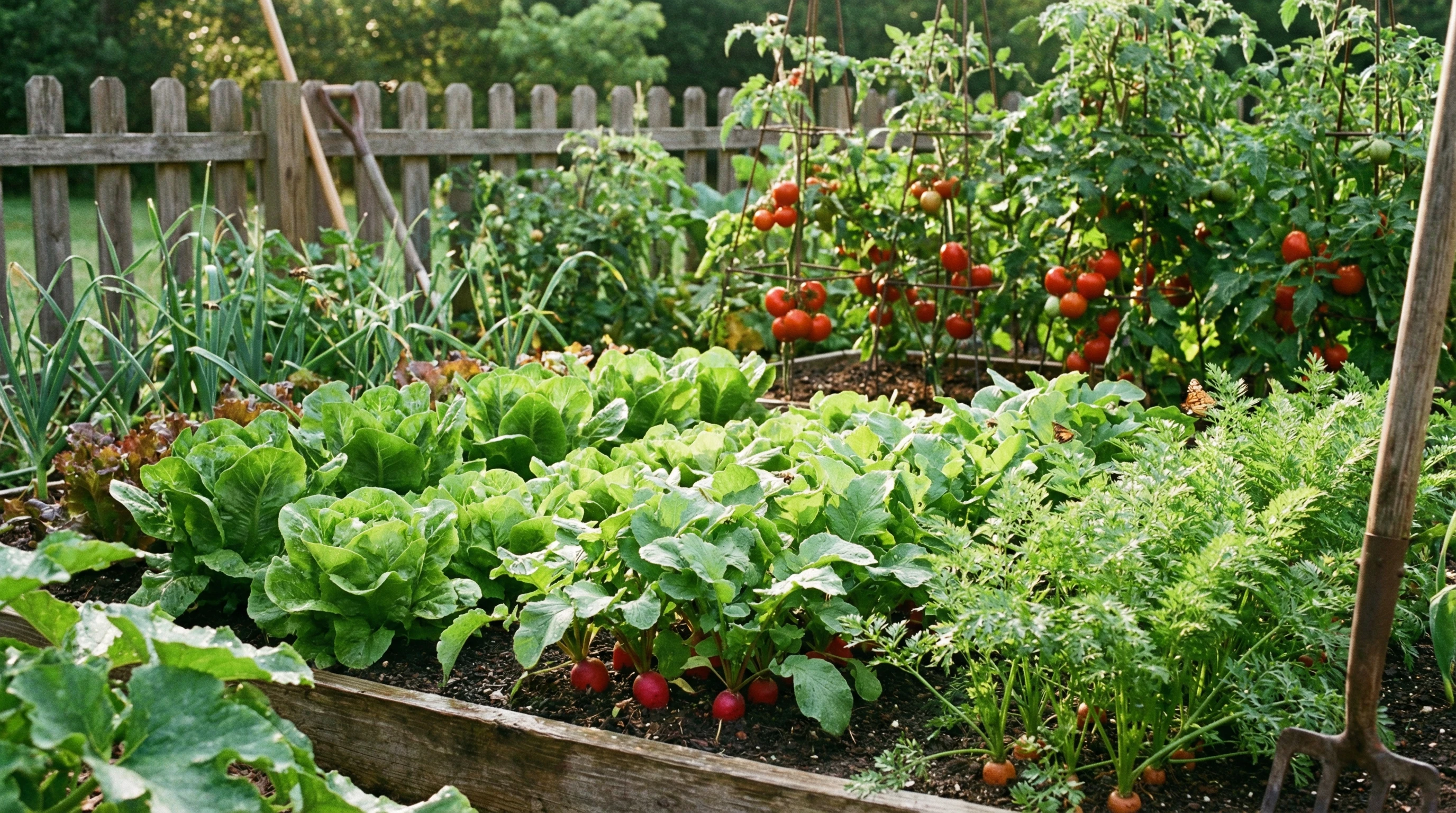
Radishes are fast growers. I can usually harvest them in about three to five weeks from planting the seeds. They require direct sunlight and slightly moist soil. Since they grow so quickly, they’re fun to plant with children or anyone new to gardening. - Lettuce
Lettuce is ideal for small spaces and grows well in containers or garden beds. I just make sure to keep the soil consistently moist and harvest the outer leaves, allowing the plant to keep producing. Leaf lettuce varieties like romaine and buttercrunch are particularly forgiving and can be picked over and over during the season. - Green Beans
Green beans don’t need a lot of space and grow quickly. There are bush and pole varieties. For beginners, I recommend bush beans—they need less support and produce a bountiful crop. Beans also fix nitrogen in the soil, which helps fertilize the ground for other plants nearby. - Cherry Tomatoes
Cherry tomatoes flourish with six to eight hours of sunlight daily. Starting with a young plant from a garden center makes it even easier. I water regularly and provide support for the plant as it grows. These sweet, little fruits are often more resilient than larger tomato types. - Zucchini
Zucchini plants are robust and produce high yields. They do need room to spread, but a single plant will keep your kitchen stocked during summer. Regular harvesting encourages more fruit production. Zucchini is very versatile in recipes – use it grilled, in salads, or even baked into muffins. - Carrots
Carrots can be grown in deep, loose soil, either in garden beds or containers. I thin out seedlings so each carrot has space to grow. Regular watering prevents the roots from becoming tough or misshapen. Choosing shorter varieties can help if your soil is rocky or you are growing them in a shallower pot. - Spinach
Spinach prefers cooler temperatures but grows fast. I plant it in early spring or late summer. I like to water consistently and pick leaves regularly for salads or cooking. It also packs a nutritional punch – homegrown spinach feels more tender than store-bought. - Peas
Peas are a favorite of mine since they don’t require a lot of tending. They need something to climb, like a small trellis. I plant seeds well before last frost in the spring for the best results. Once pods start to form, they grow fast and picking them young keeps them sweet. - Spring Onions (Green Onions)
Spring onions are simple to grow from seed or from the white base of storebought ones. I stick them into moist soil with the green tips exposed. Cutting the stalks encourages regrowth. You can keep a patch going almost all year with successive plantings. - Cucumbers
Cucumbers need warm temperatures and plenty of sunlight. If I’m short on space, I let them climb vertically on a trellis. They benefit from regular watering and are ready to pick once they reach their expected size. Pickling or slicing cucumbers are both easy to grow at home.
These vegetables have helped me build confidence as a gardener.
They’re both forgiving of mistakes and quick to reward your efforts.
Over the years, I’ve realized that adding a few helpful companion flowers, such as marigolds or nasturtiums, can also keep away pests and add color to your garden beds.
Getting Started With Your First Vegetable Garden
I remember feeling unsure when I started my first vegetable garden.
I soon realized that sticking to the basics makes a big difference. Here are a few simple steps:
- Pick a spot that gets at least six hours of sunlight a day. Most vegetables love sunshine.
- Make sure your soil drains well. If you’re using containers, choose potting mix suited for vegetables.
- Check your seed packets or plant tags for specific instructions on spacing, depth, and timing.
- Water your plants consistently but avoid letting the soil stay soggy.
- Remove weeds regularly to avoid competition for nutrients and water.
Gardening mistakes can happen, and that’s normal.
I just learn from each season and adjust my approach.
Over time, you get to know what works best in your space and climate.
Remember, patience is key, and a little daily attention often pays off with healthy, happy plants.
Simple Tips to Boost Your Vegetable Gardening Success
A few extra tips can help make your gardening easier and more fun:
- Start Small: Don’t try to grow too many varieties at once. Pick three to five vegetables for your first season and expand later.
- Use Quality Seeds or Starter Plants: Healthy seeds and young plants give you a strong head start. I’ve noticed better germination and less disease this way.
- Label Everything: Mark what you’ve planted and where. When sprouts appear, it’s easy to forget what’s what.
- Mulch to Retain Moisture: A thin layer of mulch helps soil hold water and keeps weeds down. Mulching also stabilizes the temperature of your soil, which is particularly useful during spring and fall.
- Keep an Eye on Pests: Check leaves and stems for insects or damage. Early intervention helps avoid big problems. If you spot an issue, snap a quick photo and check online forums or ask at a local garden center for advice – gardeners love to help each other out.
I talk with neighbors and check online groups for tips about what grows best in my area.
Local advice can be super helpful, especially for dealing with region-specific challenges.
Sometimes, community gardens will let you join in, share seeds or cuttings, or even lend tools if you need them.
Gardening is just as much about community as it is about the plants themselves.
Common Challenges and How to Solve Them
Every gardener hits a few bumps.
Here are some hurdles I’ve faced, with easy ways to handle them:
Spindly Seedlings
Seedlings that seem thin and floppy often need more light.
I try moving them to a sunnier window or under a grow light.
If starting seeds indoors, rotating the trays once a day helps seedlings stand upright.
Yellowing Leaves
Yellow leaves usually mean overwatering or poor drainage.
I let the soil dry out a bit before watering again and check if the containers need extra holes at the bottom.
Sometimes, leaves yellow if they lack crucial nutrients, so an occasional light dose of liquid fertilizer can put the green back in your crops.
Pests Like Aphids or Slugs
I use simple methods like handpicking or spraying with soapy water to keep pests under control.
For slugs, crushed eggshells around the base of plants work as a barrier.
Encourage beneficial insects such as ladybugs by planting companion herbs or flowers nearby.
Slow Growth
If my vegetables aren’t growing as expected, I check that they’re getting enough sun and the soil is healthy.
A slow-release organic fertilizer can give an extra boost.
Sometimes, cool weather or planting out of season slows things down – don’t worry, just try again next time with the timing suggested on your seed packet.
Most challenges can be solved with observation and small changes.
Keeping a journal of what you plant and problems you face helps for future seasons.
Every bump is just a step on your gardening adventure – the more you track, the easier things become next year.
Vegetable Gardening Benefits Beyond the Harvest
Homegrown vegetables taste fresher and have more nutrients since they’re picked at peak ripeness.
I enjoy how gardening teaches patience and encourages me to spend more time outside.
It provides a natural break from screens and can be shared as a family hobby.
Giving away extra harvest to neighbors or friends has also helped me build community connections.
- Physical Activity: Gardening gets you moving, lifting, and stretching. This gentle exercise is great for mobility without feeling like a chore.
- Mental Health: Time outside reduces stress for me and boosts my mood. Watching plants grow is incredibly grounding, especially during busy weeks.
- Learning Opportunity: You’ll pick up new skills, from composting to seed saving, without much effort. If you have children, gardening is an easy way to spark curiosity and teach responsibility about caring for living things.
There is also pride in seeing food that you nurtured from seed to plate.
You might even stumble upon new favorite meals by cooking what you’ve grown.
Mixing cuisines and trying out fresh herbs from your garden can add variety to your table the whole season.
Frequently Asked Questions
Here are answers to some questions I hear from fellow beginner gardeners:
Question: How often should I water my vegetables?
Answer:
Most vegetables prefer soil that’s consistently moist but not waterlogged.
I typically check the top inch of soil; if it’s dry, I water. Weather and plant type also make a difference.
Question: Do I need fertilizer for beginner crops?
Answer:
Many easy vegetables grow well in healthy garden soil.
If leaves appear pale or growth is slow, a balanced organic fertilizer once or twice per season helps.
Question: Can I grow these vegetables in containers?
Answer:
Yes, most of these can be grown in containers as long as they have enough depth and drainage.
I choose pots that are at least 8-12 inches deep for crops like carrots or tomatoes.
If you’re short on outdoor space, a kitchen window with strong sunlight can keep small pots of greens or herbs thriving.
Question: How do I know when to harvest?
Answer:
I read seed packets or plant labels for guidelines, but I mostly pay attention to size and color.
Harvesting regularly encourages many plants to keep producing.
With root vegetables like carrots or radishes, gently brush away some soil or give the root a slight tug to check if it’s ready.
Starting Your Home Vegetable Garden
Choosing easy-to-grow vegetables makes your gardening experience less stressful and more enjoyable.
Even a small project can yield enough for salads, sides, and snacks.
With some sun, water, and patience, your home harvest will be ready in a few weeks.
I always look forward to the first homegrown tomato or leafy bowl of greens.
It’s a payoff that makes every bit of effort worth it.
The joy of cooking with your own produce and sharing with friends or family is hard to match—so jump in and let your garden adventure begin!