
Plant based meal planning isn’t always as straightforward as picking up a bag of frozen veggies and calling it a day.
With so many opinions floating around the web and grocery store aisles stacked with options, figuring out the best way forward can leave even the most motivated eaters scratching their heads.
That’s why I reached out to a panel of respected nutritionists to dig into their real world strategies, recipes, and philosophies that make plant based eating doable and delicious.
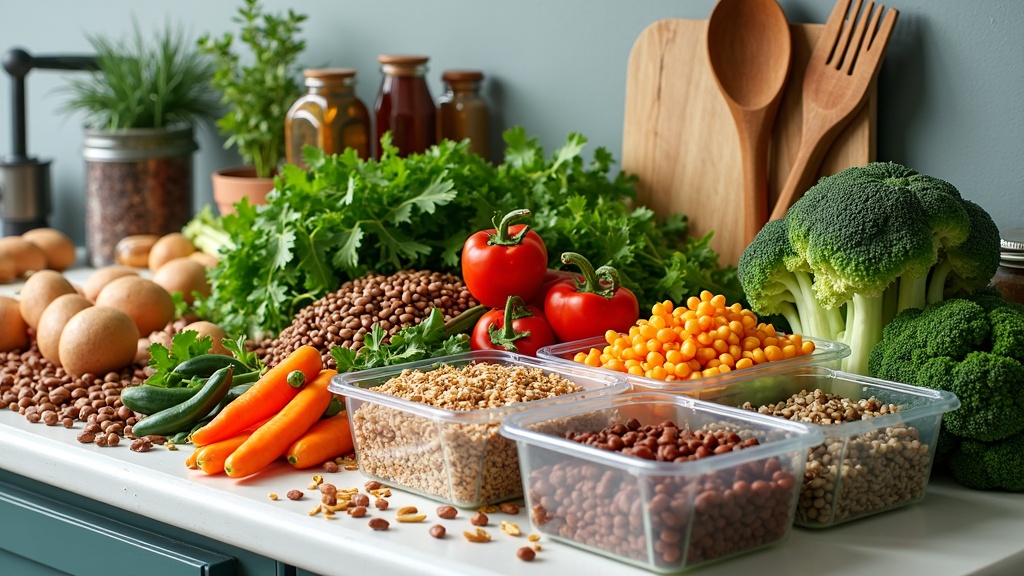
Why Turn to Nutritionists for Plant Based Meal Planning?
It’s easy to think planning a plant based diet is just about loading up your plate with vegetables, but it goes deeper than that.
Nutritionists spend years studying how food works in the body.
They know how to balance meals for energy, fill in nutrient gaps, and make meals that taste actually good, not just plant y.
Turning to experts for practical tips can help anyone sidestep common problems, like feeling hungry, missing out on protein, or falling into a rut of repetitive salads.
Interest in plant based eating has picked up, boosted by research showing it can support heart health and lower the risk for some chronic diseases.
At the same time, there’s a lot of information to sort through.
Reliable nutrition guidance turns complicated headlines into simple, doable actions.
That’s what these experts do best, and why I trust their input to be both grounded and helpful in real life.
Expert Insights: How Nutritionists Approach Plant Based Meal Planning
Some nutritionists eat plant based themselves, while others simply guide clients or create meal plans for families with a range of tastes.
No matter the background, a few themes keep coming up:
- Build meals around variety. Combining different fruits, veggies, whole grains, legumes, nuts, and seeds keeps meals interesting and helps cover your bases for vitamins and minerals.
- Pay attention to protein. It’s easy to get enough protein on a plant based diet, but it takes a little awareness. Foods like lentils, chickpeas, tofu, tempeh, edamame, and quinoa come up a lot as favorites.
- Don’t forget key nutrients. Certain nutrients, like B12, iron, calcium, and omega 3s, are top of mind for the experts. They often suggest fortified foods, supplements, or smart food pairings to help close the gap.
- Prep for busy days. Meal prepping or batch cooking can make it so much easier to stick to the plan (and not grab something random). Nutritionists often map out a week’s worth of meals or cook grains and beans in larger quantities for grab and go ease.
- Make it enjoyable. Almost every expert I talk to mentions the importance of food being tasty and satisfying. Otherwise it’s not going to stick. Sauces, herbs, and international recipes keep things flavorful.
Top Nutritionists Share Their Go To Tips for Plant Based Success
I gathered quotes and advice from experienced nutritionists who help people master plant based meal planning every day.
Here are some key highlights you’ll want to save:
- Sara Casey, RD: “I always remind clients to try at least one new fruit or vegetable each week. It’s a good way to keep meals fresh and make sure your body gets a wide range of nutrients.”
- Paul Nguyen, MS, RDN: “Focus on whole foods most of the time, and don’t stress about being perfect. Frozen veggies, canned beans, and even the occasional plant based burger have their place in a balanced diet.”
- Amanda Reyes, MPH, RD: “Batch cooking a pot of beans and a big tray of roasted veggies at the start of the week helps you throw together grain bowls, tacos, and salads in minutes.”
- Lila Sharma, Certified Plant Based Nutritionist: “Don’t underestimate the power of flavor. Tahini, pesto, citrus dressings, and spice blends can make veggies and grains super craveable.”
- Dr. Marcus Lee, PhD in Nutritional Science: “If you’re skipping animal products, make fortified plant milks, nutritional yeast, and sea veggies part of your rotation. It covers important nutrients in a straightforward way.”
Common Challenges in Plant Based Meal Planning (And How Experts Overcome Them)
Everyone hits a snag sooner or later, so I asked the experts about the struggles they see most, and what actually helps.
- Feeling hungry or unsatisfied: The fix is usually adding more healthy fats (hello, avocado or nuts) and using heartier grains like barley or farro. Protein at every meal makes a difference, too.
- Missing familiar flavors: Experts recommend getting creative with sauces and seasonings. Don’t shy away from bold flavors or trying global recipes for inspiration.
- Nutrient gaps: Many nutritionists encourage using apps to track nutrients for a week or two, just to get familiar. Supplements aren’t off limits, especially for B12 and sometimes vitamin D or omega 3s.
- Not enough time: Prechopping veggies, using the slow cooker, or making freezer friendly soups and stews are all tactics that come up often. Even prepping salad dressings and sauces for the week can make a big difference.
Key Nutrient Watch List
Plant based nutrition does involve a bit of homework.
Here’s a quick reference on nutrients most experts keep an eye on:
- Protein: Mix up your sources for a complete amino acid profile. Beans, lentils, tofu, tempeh, seitan, and edamame are all good choices.
- B12: Look for fortified foods or take a supplement; B12 isn’t naturally found in plants in meaningful amounts.
- Iron: Beans and lentils are rich, and pairing them with vitamin C foods (like tomatoes or bell pepper) improves absorption.
- Calcium: Fortified plant milks, tofu set with calcium, almonds, and leafy greens help support healthy bones.
- Omega 3s: Chia seeds, flaxseeds, hemp seeds, and walnuts provide ALA, a type of omega 3 fatty acid.
Expert Recommended Meal Planning Steps
Curious about where to start?
Here are some simple steps nutritionists often suggest for getting plant based meal planning off the ground:
- Pick a core meal structure. Some go with familiar categories like “bowl night” or “taco Tuesday” to make planning less overwhelming.
- Stock up on pantry staples. Beans, grains, canned tomatoes, and nut butters form the base of tons of plant meals.
- Batch prep a few essentials. Pre cook grains and legumes or chop a few veggies so meals come together fast.
- Plan for snacks. Hummus, trail mix, air popped popcorn, and fruit are all nutritionist approved for keeping energy up between meals.
- Stay flexible. Nutritionists say it’s totally fine to swap meals or get takeout sometimes; the main thing is progress, not perfection.
Real Life Scenarios: How Plant Based Meal Planning Fits Different Lifestyles
Nutritionists shared how their clients make plant based planning work whether they’re solo, feeding a family, or in a college dorm:
- Families: Get kids involved by letting them choose fruits and veggies at the store, and build your own bowls or tacos mean everyone can personalize their plate.
- Singles: Focus on meals that taste good leftover, like stews and pasta dishes. Nutritionists often recommend freezing extra portions to avoid food waste.
- Busy professionals: Smoothies, overnight oats, and grain salads can all be packed the night before. Prepping mains on the weekends is also really helpful.
Frequently Asked Questions
I get lots of messages from readers curious about plant based meal planning.
Here are a few of the top questions and expert approved answers:
Question: Can a plant based diet provide enough protein?
Answer:
Yes, as long as you include a variety of protein rich foods like beans, tofu, tempeh, and whole grains.
Most people meet their needs without too much trouble, especially with a little meal planning.
Question: What about eating out?
Answer:
Many restaurants now offer solid plant based options.
Checking menus online or calling ahead can help.
Nutritionists recommend being specific with requests, for example, asking for no cheese or swapping for extra veggies.
Question: Do I need special supplements?
Answer:
Many experts suggest a B12 supplement, and sometimes vitamin D or omega 3s depending on individual needs.
Having bloodwork checked once in a while can guide supplement choices.
Get Inspired: Fun Ways to Take Up a Notch Your Plant Based Meal Planning
Boredom is a top complaint, but most nutritionists have a few tricks up their sleeve to keep things interesting.
Trying a new cuisine, rotating your grocery list, or following a meal plan from a favorite dietitian’s blog can spark fresh ideas.
Swapping recipes with friends or online groups can also help chase away food fatigue and keep you motivated on your plant based adventure.
There’s no one size fits all formula.
Leaning on expert strategies can make plant based eating more enjoyable and sustainable.
Whether you’re just starting out or tweaking your routine, little tweaks and smart planning go a long way toward feeling your best.
You might stumble upon fresh flavors or time saving hacks that keep you excited about each meal.
Gradually, building plant based meals becomes second nature, leaving you confident and satisfied at the table.