Eating a wellbalanced plantbased diet can give me most of the nutrients I need, but iron and vitamin B12 are two that often require some extra planning.
Getting enough of these is really important if I want to maintain my energy levels, keep my immune system working at its best, and feel healthy overall.
In this article, I’ll walk through some of the best plantbased sources for both iron and vitamin B12, and share some honest advice from my own experience managing these nutrients on a plantfocused diet.
I’ve spent years learning what works best and I hope my insights can help others who are trying to keep their nutrition in balance.
Understanding Iron and Vitamin B12 in PlantBased Diets
Iron and vitamin B12 are two nutrients many people associate with animal products.
Iron is a mineral that keeps my red blood cells healthy and helps move oxygen through my body.
Vitamin B12 is vital for nerve function and making DNA.
Deficiency in either one can leave me feeling tired, weak, or with memory problems.
That’s why it’s crucial to pay close attention to these nutrients, even if everything else in your diet seems covered.
I’ve learned through regular checkups that being a little off in either nutrient can really sneak up on you, so staying mindful is key.
There are two main types of iron: heme and nonheme.
My body absorbs heme iron (mainly from animal foods) more easily, while nonheme iron (from plants) is a little trickier to absorb.
Vitamin B12 is even more complicated.
Plants don’t actually make B12, so I need to look at fortified foods or supplements for this one.
Knowing all these facts helps me make better choices and avoid missing out on what my body needs.
Top PlantBased Sources of Iron
Getting enough iron when I’m eating mostly plants just means I need to pick foods that are naturally higher in iron and make small changes to help my body absorb it better.
Here are my favorite plantbased iron sources and some ideas for adding more to everyday meals.
I keep these foods in my pantry or fridge and rotate them into my meals as much as possible.
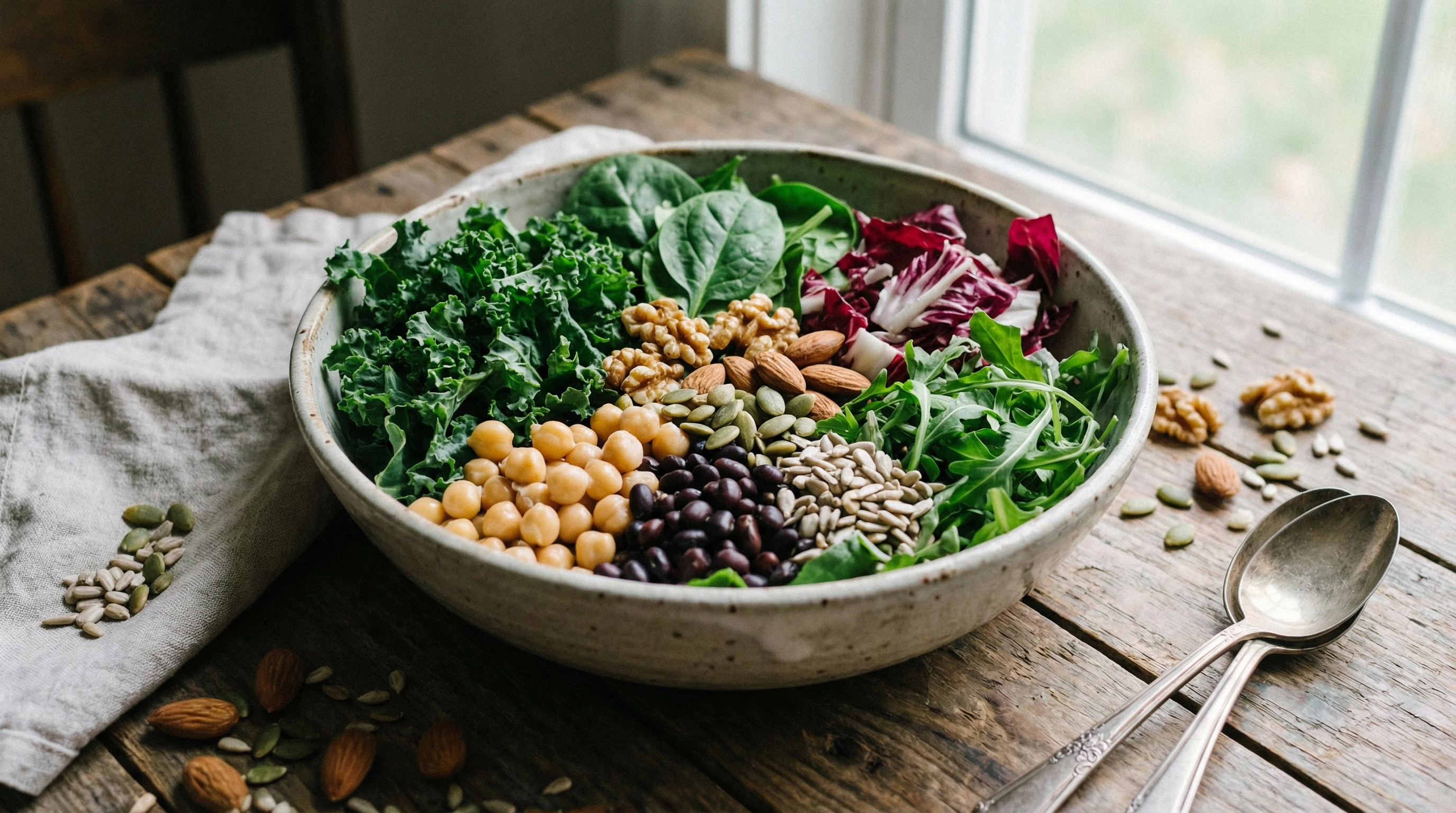
- Legumes: Beans, lentils, chickpeas, soybeans, and blackeyed peas are all loaded with iron. A cup of cooked lentils can give me around 3 mg of iron. I like adding them to soups, stews, salads, or even making lentil burgers.
- Tofu and Tempeh: Soy products are regulars in my kitchen. Tofu contains about 3 mg of iron per halfcup, and tempeh packs even more. Stirfries, curries, and sandwiches taste great with these ingredients.
- Dark Leafy Greens: Spinach, kale, collard greens, and Swiss chard look great in salads and smoothies and give a solid iron boost. Cooked spinach offers almost 3 mg per halfcup.
- Pumpkin Seeds and Sunflower Seeds: I keep a jar of seeds handy to sprinkle on oatmeal or salads. A quartercup of pumpkin seeds can give me about 2.5 mg of iron.
- Nuts: Cashews, almonds, and pine nuts add flavor and crunch, along with a small but helpful amount of iron.
- Whole Grains: Quinoa, oatmeal, and fortified cereals can help me get more iron. Quinoa is especially good, with about 2 mg per cup.
- Dried Fruits: Apricots, raisins, prunes, and figs make for easy snacks and add a bit of iron too.
- Blackstrap Molasses: I drizzle it onto oatmeal or stir it into smoothies. A tablespoon contains almost 1 mg of iron, making it an easy way to top up my intake.
The key with plantbased iron is to pair it with vitamin Crich foods to help with absorption.
When I eat beans, I try adding bell peppers, tomatoes, or a splash of lemon juice.
That really makes a difference.
Even a small orange on the side of my meal can give my iron intake a real boost.
I’ve also found that roasting vegetables together, like sweet potatoes with broccoli and chickpeas, makes for an easy ironfriendly dinner.
Top PlantBased Sources of Vitamin B12
Vitamin B12 is the real challenge with plantonly diets.
Plants don’t actually contain active B12, so I need to get it in other ways.
The best and most reliable sources come from fortified foods or supplements.
Here’s what I turn to most often:
- Fortified Plant Milks: Soy, almond, oat, and rice milks often have B12 added. I use these in smoothies or with cereal. It’s always important to check the label for actual B12 content, since not all brands are the same.
- Fortified Breakfast Cereals: Many breakfast cereals have B12 added. I like to mix these with fresh fruit or yogurt alternatives for breakfast or snacks.
- Fortified Nutritional Yeast: Nutritional yeast is like a cheesyflavored sprinkle. I put it on popcorn, pasta, and roasted veggies. Just a tablespoon can offer several micrograms of B12, covering most of my daily needs.
- Fortified Meat Substitutes: Some veggie burgers, sausages, and deli slices are made with added B12, which is helpful when I want something quick and filling.
- Supplements: Since getting enough B12 from food alone can be hard, a reliable B12 supplement is something I take regularly. Cyanocobalamin and methylcobalamin are two common, effective forms. I find the sublingual tablets or chewables easy to use.
Fermented foods like kimchi, sauerkraut, or tempeh sometimes get talked about as possible B12 sources, but research shows they don’t actually offer reliable, active B12.
The same goes for some algae or seaweed.
Some types have B12like compounds, but they don’t work in my body like true vitamin B12 does.
Sticking with fortified products or supplements is always the safer choice. If you’re exploring new products at the store, read every label and check for B12 content.
Many companies update their recipes, so what was good last year might be different today.
Tips for Boosting Iron and B12 Absorption
Even when I pick healthy foods with iron and B12, how much my body absorbs can change depending on what I eat with them.
Here’s how I boost absorption:
- Add Vitamin C to Iron Meals: Squeezing lemon or lime, or adding oranges, strawberries, and bell peppers to ironrich meals can help my body soak up more of the iron.
- Avoid Tea and Coffee at Mealtimes: The tannins in tea and coffee can slow down iron absorption. I try to wait an hour or two after meals before having my daily coffee.
- Cook with Cast Iron Pans: Cooking acidic foods in cast iron pans can transfer some extra iron to my meals. This has made a small but interesting difference for me, especially for things like tomato sauces.
- Split Supplement Doses: If I take a B12 or iron supplement, I often split it into two smaller doses per day. This keeps my levels steady and avoids any tummy troubles that can come with big doses.
Paying attention to simple food pairings helps me make the most out of what I’m eating, which is super important if I want to keep up plantbased eating longterm.
Another tip: try not to take calcium supplements or eat foods fortified with a lot of calcium at the same time you’re eating your ironrich meals.
Calcium can clash with iron absorption, so spreading them out during the day works better for me.
Keeping a little food diary helps spot trends over time.
Challenges People Face with Iron and B12 on PlantBased Diets
I’ve run into all sorts of questions from friends and readers about the struggles of getting enough iron and B12.
Here are a few common ones, and my best advice:
- Feeling Sluggish or Tired: Low iron or B12 is a likely reason for stubborn tiredness, especially on a plantbased diet. I check with my doctor to get bloodwork before making big diet changes or starting new supplements.
- Digestive Issues from Iron Supplements: Some iron tablets upset my stomach or cause constipation. Switching to gentle versions like iron bisglycinate, or spreading the dose out, helps a lot.
- Limited Fortified Options: Not every country fortifies foods the same way. If I ever travel or move, I make sure to research what’s available so I can keep my levels up.
Another challenge I’ve seen is that some people simply forget to take their B12 supplement, and over months that can really add up.
Setting phone reminders or storing the bottle near something you use every day, like your toothbrush or coffee mug, makes it easier not to skip.
These challenges are all manageable with some attention and regular checking in.
Working with a doctor or dietitian is something I really recommend if I start noticing symptoms or want help choosing the right supplement.
Real Life: How I Make PlantBased Eating Work for My Iron and B12 Needs
For me, planning meals and tracking what I eat for a week or two each year really helps me stay honest about my intake.
I like using apps, but even writing things down in a notebook is enough to spot patterns.
Here’s how I keep my bases covered all year:
- I start my day with a fortified cereal and plant milk, so I know I’m getting some B12 early.
- I prep a big batch of lentil soup on Sundays to make sure I get iron every day without thinking about it.
- I top many meals with lemon juice or chopped tomatoes for vitamin C.
- I take a B12 supplement every day, especially when I’m extra busy or on the go.
- I check my energy and focus levels to watch for signs of low iron or B12.
I also keep blood test records to see how things change year to year.
If my numbers drop, I adjust my supplements or talk to a specialist.
Balancing these two nutrients is easy once I get the hang of it.
Routine and a little knowledge go a long way in helping me avoid pitfalls that I used to run into early on.
On weekends, I sometimes experiment with new recipes, like adding blackstrap molasses to homemade energy bites, giving both flavor and nutrition a boost.
Engaging with online communities is helpful, too.
Swapping ideas with others lets me discover new products and tips that keep things interesting and balanced.
FAQs About PlantBased Iron and Vitamin B12
Question: Can anyone get enough iron and B12 from plants alone?
Answer:
For iron, yes, it’s doable with planning.
For B12, no.
The only reliable way for people not eating animal products is through fortified foods or a supplement.
Question: How do I know if I’m low in iron or B12?
Answer:
Symptoms include tiredness, brain fog, and sometimes feeling weak.
The most accurate way I check is with a blood test from a healthcare provider.
Question: Is it possible to take too much iron or B12?
Answer:
It’s pretty rare to overdo B12 since extra usually leaves the body in urine.
With iron, taking more than the needed dose from big supplements can build up and become harmful.
Sticking to recommended doses and checking with my doctor is always safest.
Wrapping up
Keeping up with iron and vitamin B12 on a plantbased diet is easy once I know where to look and how to pair foods for better absorption.
Setting reminders for supplements and paying attention to how I feel makes everything much simpler.
Plantbased eating can be healthy and rewarding, as long as I stay informed and give my body what it needs.
Remember, checking in with healthcare professionals, reading nutrition information on foods, and connecting with plantbased communities all help keep nutrition in the sweet spot.
Eating this way isn’t just about what I leave out—it’s about what I get in and how I make it work for me every day.
With a little effort and smart habits, anyone can thrive on a plantbased lifestyle.