
Switching to a plantbased diet with the whole family can feel daunting at first, but once I found recipes and routines that worked for everyone at my table, it got a whole lot easier.
Healthy, simple, and tasty plantbased meals are out there, and making them familyfriendly just takes a bit of planning and a willingness to try new things together.
In this guide, I’m sharing what I’ve learned about creating meals everyone can enjoy, packed with practical advice and favorite recipes that fit busy schedules and mixed tastes.
Why Choose FamilyFriendly PlantBased Cooking?
Eating more plantbased foods offers real benefits.
From my own experience, I notice better energy, clearer skin, and even some family members reporting improved digestion.
Nutritionists agree that focusing meals on vegetables, fruits, beans, whole grains, and nuts can help lower the risk of chronic illnesses and support a healthy weight for adults and kids alike.
The Environmental Working Group and Academy of Nutrition and Dietetics both promote plantbased eating for good reason.
A plantbased diet is flexible. It doesn’t mean strictly vegan or giving up all dairy or eggs for everyone, unless that’s your goal.
For my family, it meant making plants the stars but keeping meals familiar and appealing for both picky and adventurous eaters.
Getting Started: Pantry Staples and Planning
Having a stocked pantry makes it easy to whip up plantbased meals on busy nights.
Here’s how I organize my kitchen so meal prep is quick and familyfriendly:
- Whole Grains: Brown rice, quinoa, oats, and wholewheat pasta are filling and easy to cook.
- Beans and Lentils: I use canned or dried black beans, chickpeas, lentils, and white beans for soups, tacos, and casseroles.
- Nuts and Seeds: Sunflower seeds, chia, almonds, and nut butters are great for snacking or swirling into sauces.
- Frozen Veggies: I keep bags of peas, corn, spinach, and mixed vegetables to cut down prep time.
- Basic Spices: Garlic powder, onion powder, cumin, paprika, and Italian seasoning bring flavor fast.
- Simple Sauces: Soy sauce, salsa, tahini, and canned tomatoes add a big flavor boost without a lot of work.
Weekly meal planning helps me avoid lastminute stress.
I pick a few favorite meals and add one or two new recipes each week to keep things interesting.
If your kids are old enough, get them involved in picking meals or helping cook.
This always ups the excitement and buyin.
Core FamilyFriendly Recipes to Start With
For beginnerfriendly, crowdpleasing options, I look for recipes that are easy to assemble and adaptable for a range of ages and preferences.
These meals get requested in my house again and again:
- Taco Night with All the Fixings: Set out corn tortillas, seasoned beans, avocado, salsa, and lots of veggies. Everyone gets to build their own plate. Cheese and sour cream can be added on the side for those who want them.
- StirFries: Quickcooked assorted vegetables, tofu or edamame, and a tasty sauce over rice or noodles. Kids can help choose their favorite vegetables, so there’s always something they’ll love.
- Pasta with Lentil Marinara: Lentils cook quickly and blend right into tomato sauce for a proteinrich, budgetfriendly pasta dinner. Even picky eaters barely notice the lentils.
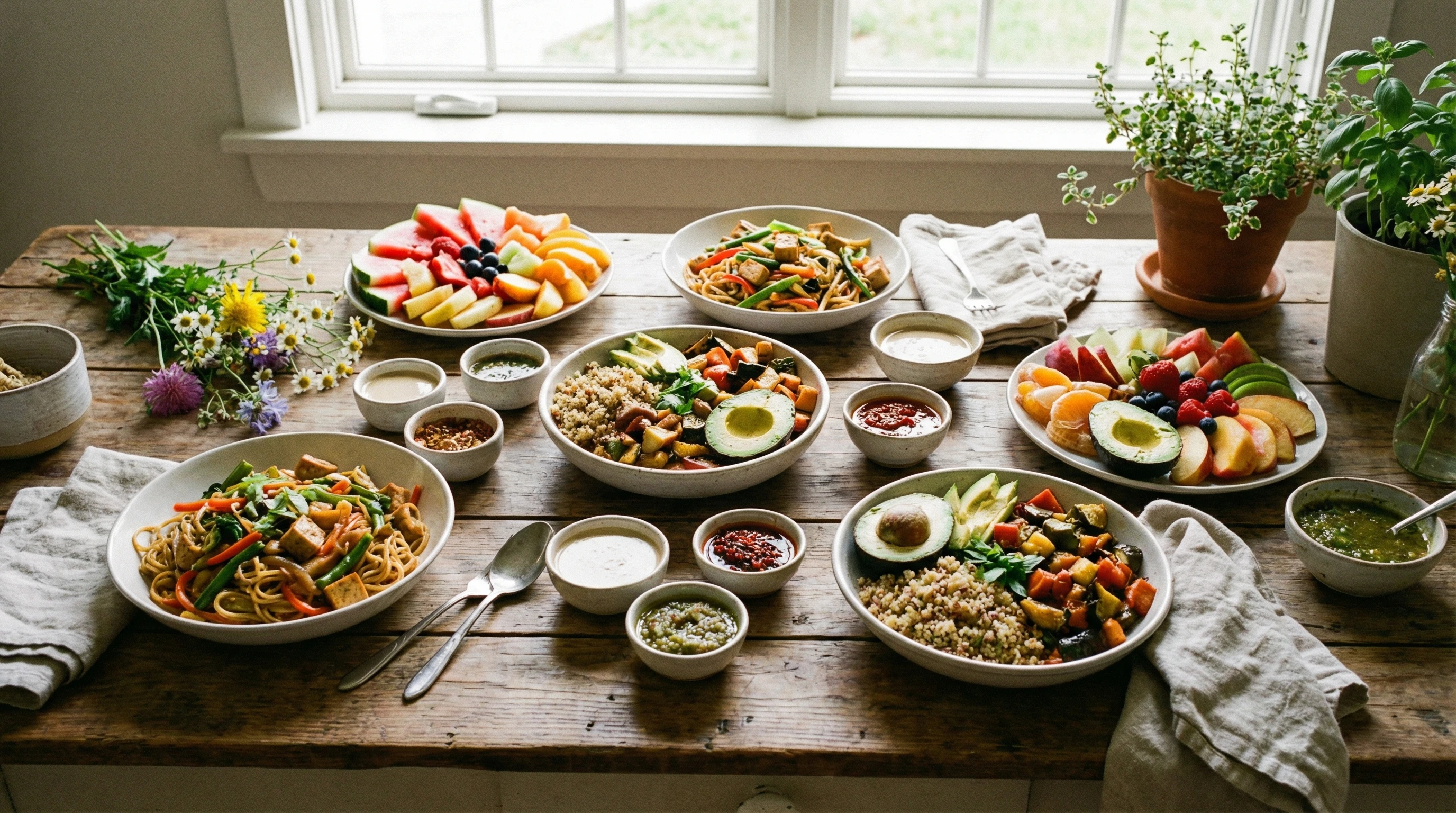
- Rainbow Veggie Bowls: Start with grains, top with roasted or fresh veggies, beans, and drizzle with tahini or peanut sauce. This lets each person build a bowl with their favorite toppings.
- Hearty Soups and Stews: Bean chili, minestrone, or vegetable stew are excellent for makeahead dinners and usually freeze well.
Tips for Happy PlantBased Meals with Kids
Cooking plantbased as a family has its moments.
Sometimes meals are a hit with everyone, and other times there’s resistance to “green stuff” or anything new.
I’ve picked up a few tricks:
- Make Familiar Dishes PlantBased: Swapping ground beef for lentils or beans in sloppy joes, tacos, or shepherd’s pie works well and doesn’t drastically change the taste or texture.
- Offer Choices: Familystyle serving lets kids choose what goes on their plate. Meal components like sauces or toppings in little bowls make it more fun and less stressful.
- Keep Sides Simple: Rice, baked potatoes, bread, or fruit can fill the gap if kids aren’t into the main dish.
- Repeat Favorites: If your family loves a certain meal, keep it on regular rotation. Comfort and routine can make the transition smoother.
Common Challenges and Solutions
Switching the family to plantbased meals doesn’t always go smoothly.
Here are a few common hurdles I’ve hit and how I got around them:
- Picky Eating: Kids (and sometimes adults) might be unsure about new flavors and textures. Gradually introducing new foods, maybe pairing a new bean dish with familiar bread or rice, helped in my house.
- Protein Concerns: Beans, tofu, whole grains, nuts, and seeds all offer the protein growing kids need. I focus on variety during the week instead of stressing over every meal.
- Time Pressure: Meal prepping veggies, cooking big pots of beans, or preslicing fruits makes dinner come together faster. Some weekends, I double soup or stew recipes for easy leftovers.
- Balancing Different Preferences: Bowlstyle meals and “DIY” nights gave everyone the chance to eat what they liked most without extra work for me.
Managing Expectations
Not every meal will be a success, and that’s totally normal.
My advice is to celebrate the wins, when everyone loves dinner or someone tries a new veggie, and not get discouraged on off nights.
Even trying one new plantbased dinner each week is progress.
Handling Social Events and Eating Out
When invited to gatherings or restaurants, I check menus ahead of time or bring a plantbased dish to share.
Most places now offer at least one option, and friends are usually interested in trying something new.
For birthday parties or school snacks, bringing a batch of dairyfree muffins or fruit skewers has always worked well for us.
If you ever find yourself stuck for portable ideas, homemade hummus cups with veggie sticks are a hit for kids and adults alike.
Advanced Tips: Variety, Nutrition, and Getting Creative
I find that mixing up ingredients keeps plantbased eating interesting and covers more nutritional bases.
Here are a few ways I boost flavor and nutrition without extra fuss:
Try World Cuisines:
Meals inspired by Mexican, Thai, Mediterranean, or Indian flavors pack in spices and new combos.
Think curry lentil stew, vegetable sushi rolls, or falafel wraps.
These have helped keep mealtime adventures lively and educational.
If your family loves flavors from around the globe, theme nights can spark excitement and give you a reason to try new ingredients.
Get the Kids Cooking:
Kids are often more excited to eat meals they helped make.
Younger kids can rinse beans or stir sauces, while older ones can help chop or even follow simple recipes on their own.
This helps them feel involved and more open to trying new things.
Cooking together is also a good time to chat about where food comes from and why eating plants is awesome for your health and the planet.
Upgrade Snacks and Desserts:
Homemade trail mix, energy balls, fruit popsicles, and banana “ice cream” are easy and can replace less nutritious snacks.
I keep a list of snack ideas on the fridge for quick inspiration.
Kids look forward to picking and sometimes even inventing their own snack combos, which keeps everyone happy and willing to keep things plantbased.
Useful Kitchen Tools for PlantBased Cooking
While you don’t need anything fancy, a few tools have made cooking plantbased meals simpler for me:
- Blender or Food Processor: Smoothes out soups or whips up dips and sauces in minutes.
- Sharp Knives: Prepping vegetables goes much faster and is less frustrating with a good knife.
- Sheet Pans: Roasting large batches of veggies all at once is a big timesaver. Toss vegetables with olive oil and spices for a quick, handsfree dinner prep.
- Rice Cooker or Instant Pot: Handsoff cooking for grains, beans, and even some soups makes life so much easier, especially for batch cooking.
Frequently Asked Questions
Question: How can I make sure my children get enough nutrients on a plantbased diet?
Answer:
I base most family meals around whole grains, beans, lentils, veggies, fruit, and a source of healthy fat like avocado or nut butter.
I also check with our pediatrician or a registered dietitian, especially about vitamin B12 and vitamin D supplements.
It’s good to offer a rainbow of colors and switch up grains and proteins regularly for variety.
Question: What are easy plantbased protein sources for kids?
Answer:
Beans, lentils, chickpeas, tofu, tempeh, quinoa, nut butters, and some grains all work.
Even green peas and broccoli pack in a bit of protein.
Mixing nut butter or seeds into morning oatmeal gives a boost, and homemade bean dips make veggies fun to eat.
Question: How do I make plantbased meals more filling for growing kids or active adults?
Answer:
Adding hearty grains, beans, and healthy fats like nuts or seeds helps keep everyone satisfied.
Sometimes I offer a bread basket or fruit on the side for extra energy.
Smoothie bowls with greens, nut butter, and seeds work well too for breakfast or snacks.
Bringing It All Together: My RealWorld Advice
Choosing familyfriendly plantbased recipes comes down to making familiar dishes, giving choices, and keeping things laidback rather than perfect.
I stick to simple recipes during busy weeks and add in new meals when I have the extra time.
Involving my family in cooking, shopping, and planning makes all the difference in keeping everyone on board.
As the habit builds, meals become easier, and new favorite dishes start appearing at the table.
It doesn’t need to be complicated or expensive.
With a good pantry, some flexible recipes, and a little patience, plantbased eating can really work for any family.
If you’re ready to give it a shot, remember: start small, celebrate every little win, and most importantly, enjoy sharing delicious, healthy food with the people you love most.