Switching to a vegan diet can seem exciting, but there’s a lot to learn.
I made the transition myself, and early on I had to pay close attention to making sure I was getting the nutrients I needed.
It’s really important to be aware of potential deficiencies so you can stay healthy and energetic.
In this article, I’m sharing what I’ve learned about overcoming nutrient deficiencies on vegan diets, based on personal experience, practical advice, and tips backed by science.
Understanding Nutrient Needs on a Vegan Diet
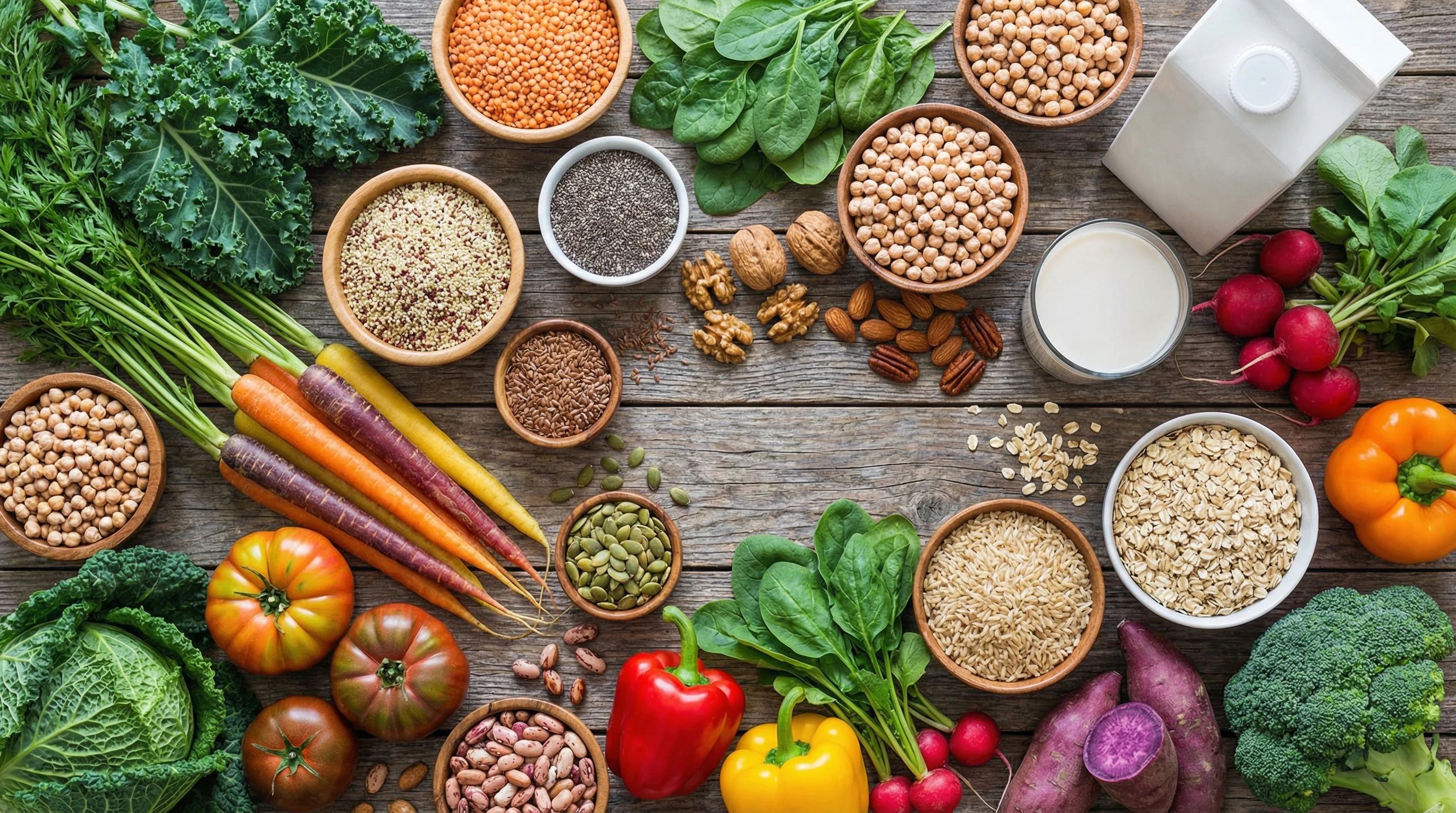
Vegan diets focus on whole plant foods, skipping all animal products.
While this way of eating offers many health benefits, I found that staying on top of nutrients is key because animal sources provide some vitamins and minerals you can’t get easily elsewhere.
A bit of planning makes sure your meals give you what you need for steady energy and well-being.
Vitamin B12, iron, calcium, omega-3 fatty acids, iodine, vitamin D, and zinc are nutrients that are commonly underconsumed in vegan diets.
The risk of deficiency goes up if you don’t pay attention to these, and I noticed a huge improvement in my well-being after addressing them.
If you’re new to veganism, it’s smart to learn what each of these nutrients does, where to find them, and how to check if you’re getting enough.
Main Nutrients That Need Special Focus
Switching to a vegan diet means looking at your plate differently when it comes to certain vitamins and minerals.
Here’s a quick rundown of the nutrients I had to watch most closely, and what can happen if you don’t get enough:
- Vitamin B12: Vital for nerve health and energy. Deficiency can cause fatigue, nerve issues, and mood changes.
- Iron: Needed for oxygen transport in the blood. Without it, tiredness and weakness are common.
- Calcium: Supports strong bones and teeth. Without enough, bone health can suffer over time.
- Omega-3 Fatty Acids: Good for your heart and brain. Deficiency can cause dry skin, brain fog, and mood dips.
- Iodine: Necessary for healthy thyroid hormones. Low intake affects metabolism and energy.
- Vitamin D: Helps absorb calcium and supports immunity. Lack of it is linked to bone issues and weak immunity.
- Zinc: Keeps your immune system sharp and helps repair body cells. Not enough might slow wound healing and lower vitality.
How to Spot a Nutrient Deficiency
I keep an eye out for changes in how I feel because low energy, mood shifts, sores in the mouth, or weak nails can be early signs something is off.
It’s a good idea to get regular blood work to check levels of vitamins and minerals.
If you ever feel unexplainably tired, lightheaded, or notice anything unusual about your hair, skin, or digestion, that’s your cue to talk to a healthcare provider and ask about possible deficiencies.
Tracking your wellbeing means listening to your body and responding quickly.
If you’re not sure what’s normal, try keeping a journal for a few weeks to note your mood, energy level, and any new symptoms.
That way, you can spot patterns and act sooner if something changes.
Most importantly, always check in with a professional if you’re unsure about your nutrient intake or symptoms.
Top Strategies for Preventing and Fixing Deficiencies
- Use Fortified Foods and Supplements: I rely on fortified plant milks and cereals for B12, calcium, and vitamin D because these nutrients aren’t widespread in natural plant foods. For B12, a supplement is often a must for most people.
- Read Nutrition Labels: I got into the habit of always checking labels. Sometimes foods that seem similar actually vary a lot in nutrients, so reading closely helps you make the best choices for your needs.
- Eat a Wide Variety: Mixing up grains, beans, nuts, seeds, and veggies is helpful for covering all bases. Different plants offer unique combinations of minerals and vitamins, and tracking variety keeps meals interesting, too.
- Pair Foods for Better Absorption: I eat vitamin C-rich foods (like oranges or bell peppers) with plantbased iron sources (like lentils) to help my body absorb more iron. The same goes for soaking and sprouting beans and seeds, which makes minerals like zinc and iron more available to your body.
- Don’t Skip Healthy Fats: I include chia seeds, flaxseeds, walnuts, and hemp seeds for omega3s, which aren’t found in most other plant foods. Eating healthy fat supports nutrient absorption, too.
- Keep Cooking Methods in Mind: Steaming or lightly sautéing veggies preserves more vitamins than boiling, and soaking or sprouting beans and grains helps unlock more minerals from these foods.
Common Challenges (and How I’ve Solved Them)
- Vitamin B12: Plants don’t produce B12, so I take a reliable B12 supplement. Some vegan milks and nutritional yeast are also fortified with B12, but I always check the label to make sure.
- Iron: Plantbased iron (nonheme) isn’t absorbed as well as animalbased, but pairing it with vitamin C really helps. I also try to avoid tea and coffee right around meals, since they can interfere with iron absorption.
- Calcium: Dairy replacements like fortified soy milk, tofu set with calcium, and leafy greens are part of my daily meals. I eat bok choy and broccoli, which have well absorbed calcium and fit well into lots of recipes.
- Omega3s: I use ground flaxseed every morning in oatmeal and snack on walnuts. Algae oil supplements are a good choice if you want something closer to DHA/EPA, which most plant foods don’t deliver in high amounts.
- Iodine: I cook with a little iodized salt and sometimes use nori or kelp flakes, though seaweed can have unpredictable iodine levels, so I use it sparingly and sometimes take a supplement instead.
- Vitamin D: During the winter, I take a vegan D3 supplement because short days and weak sun don’t allow my skin to make enough vitamin D naturally.
- Zinc: Pumpkin seeds, chickpeas, and whole grains are staples in my diet. If I catch more colds than usual, I check my zinc intake and add extra sources if needed.
Vitamin B12
B12 deficiency is pretty common for vegans if left unchecked, and I felt the difference in focus and energy when I started supplementing.
The current advice is to supplement regularly, as food sources alone are tough to rely on for this vitamin.
You can check out the Vegetarian Society’s B12 guidance for more details on dosage and sources.
Iron
A plantbased diet has plenty of iron, but absorption is a bit of a hurdle.
Vitamin C makes a real difference; adding red peppers or a squeeze of lemon over lentils helps me get more from every serving.
For a deeper look at absorption factors, the NIH Iron Factsheet is a really helpful resource.
Calcium
Even if you skip dairy, it’s possible to meet calcium needs through fortified milks, tofu, and greens.
Not all greens are equal: spinach is high in calcium, but it’s less available due to oxalates.
Bok choy, kale, and collard greens are easier for your body to use.
This is something I had to learn through trial and error and checking out the Vegan Health’s calcium overview.
Omega3 Fatty Acids
Getting enough omega3 is easier than many people expect.
I use ground flaxseed and chia regularly and sometimes take algae-based omega3 supplements, especially if I feel like my brain or skin could use an extra boost.
For more on vegan sources of this fatty acid, see the VeganRD’s advice on omega3s.
Practical Meal Planning and Shopping Tips
- Make Grocery Lists: Having a plan each week keeps my meals balanced and budget-friendly.
- Try New Recipes: Exploring different cuisines helped me stumble upon unexpected sources of zinc and iron, like tempeh or chickpeabased dishes. Trying new meals keeps things fun and gives you more nutrition options.
- Batch Cooking: Prepping grains, beans, and roasted veggies in bulk reduces the chance of skipping meals or making less nutritious choices. It also helps save time on busy weekdays.
- Snack Smart: Stock up on nutrientrich snacks like roasted chickpeas, seed mixes, dried seaweed, or fruit to cover gaps between meals. Small snacks with nuts, seeds, or dried fruit make it easy to keep up your energy.
- Lean on Community: Online forums, social media groups, and vegan blogs are great places to share tips and recipes, keep meals interesting, and troubleshoot any challenges you run into. Being part of a community can help you stick with your goals and find encouragement.
Frequently Asked Questions
Question: Do I really need to take supplements on a vegan diet?
Answer:
In my experience and based on expert advice, yes;
B12 is nearly always needed as a supplement, and vitamin D is recommended, especially in winter.
Other nutrients may require supplements depending on your diet and lab results.
Question: Can I meet all my protein needs on a vegan diet?
Answer:
Yes, as long as you get a mix of legumes, grains, nuts, and seeds.
I check my intake now and then, and it’s easier than people think to get enough protein when eating various whole foods.
Question: How can I know if I am deficient in something?
Answer:
I watch for ongoing fatigue, changes to my hair or skin, or any drop in energy.
If that happens, I get a blood test and take the results to a registered dietitian or healthcare provider for advice.
Staying tuned to your body’s signals is crucial.
Key Takeaways for Long-Term Success
Staying healthy on a vegan diet is about being aware and mindful.
Over time, I learned that planning, variety, and a little curiosity about nutrition really pay off.
I make changes based on feedback from my body, supplement when needed, and always keep meals interesting.
This approach helped me avoid common pitfalls and feel my best year-round.
Anyone can thrive on a vegan diet with a good game plan and by using trustworthy resources when making nutrition decisions.
Whether you’re brand new to vegan eating or have been at it for years, the secret to feeling great is to keep learning and listening to your body.