Plantbased nutrition keeps showing up more often on athletes’ menus, and I definitely see why.
There’s a lot to gain from eating more plants, no matter your sport.
But switching to a plantbased approach brings up plenty of questions:
Will you get enough protein?
What about recovery and gaining muscle?
In this guide, I’m breaking down everything you need to know about fueling athletic performance with plants.
Everything is straightforward, evidencebased, and totally doable.
Why Athletes Are Turning To Plantbased Diets
More athletes are swapping out animalbased staples for plants than ever before, and the reasons go beyond animal welfare concerns.
Many folks are attracted by claims of faster recovery, less inflammation, and better long-term health.
If you’ve seen documentary hype or heard pro athletes praise plants, it’s worth noting there’s actual research here.
Plantbased eating can support strong performance when planned properly.
What really stands out is the potential for improved blood flow, lower risk of chronic disease, and a more antiinflammatory diet.
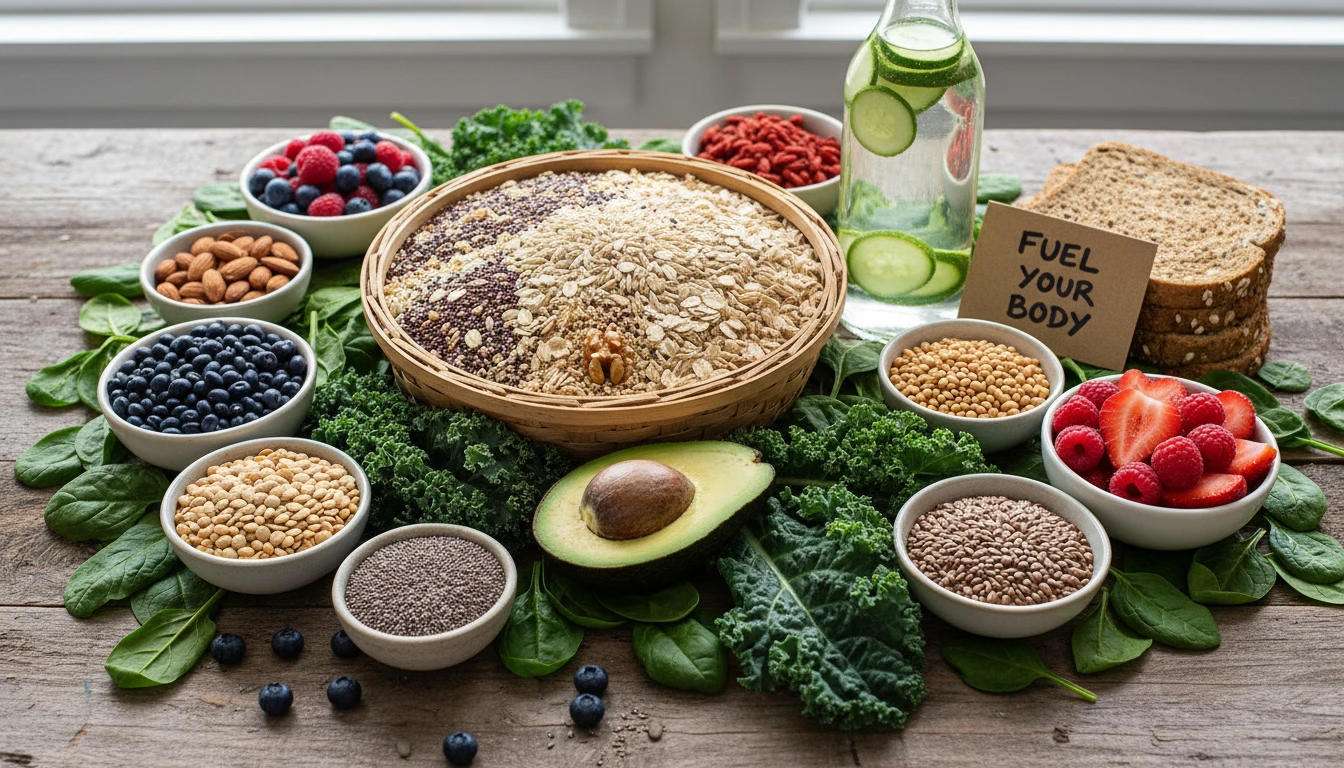
Wellchosen plant foods are packed with fiber, vitamins, phytonutrients, and complex carbs.
These nutrients all help with energy levels, training quality, and overall recovery.
Recent market stats show about 7% of U.S. athletes are mostly or fully plantbased, and that number just keeps climbing every year.
Whether you’re training for marathons or playing team sports, this way of eating is catching on for good reason.
Many recreational athletes say they feel lighter, less sluggish, and even more mentally focused when they consume more plantcentered meals.
Plus, plantbased diets tend to support heart health and better cholesterol numbers, which is important for all athletic levels.
Key Nutrients Every Plantbased Athlete Needs
Anyone can eat more fruits and veggies, but athletes burn a lot more fuel and break down a lot of tissue, so nutrition has to cover those needs.
Here are the nutrients that really matter when you’re active and plantpowered:
- Protein: Essential for muscle building and recovery. Plantsources like lentils, tofu, tempeh, beans, quinoa, and soymilk are great picks.
- Iron: Important for oxygen transport. Beans, tofu, quinoa, spinach, and lentils supply iron, but pairing them with vitamin Crich foods makes it easier to absorb.
- Calcium: Needed for bones and muscle function. Leafy greens, fortified plant milks, tahini, and almonds have you covered.
- Omega3 Fats: These support brain function and recovery. Flaxseeds, chia seeds, walnuts, and algae oil are good sources. Consider having ground flax in smoothies, or try adding walnuts to oatmeal.
- Vitamin B12: Strictly found in animal foods, so vegans need to supplement or eat fortified foods to avoid a deficiency.
- Vitamin D: Fortified foods help, but testing and supplementation might be needed in cloudy months or if you train indoors a lot.
- Zinc: Supports immune health. Whole grains, beans, seeds, and nuts all contribute.
Paying attention to these nutrients makes a huge difference for energy, performance, and staying healthy throughout the season.
If you skip these key areas, you might risk slower recovery or lack of energy during important sessions.
How to Build a PowerPacked Plantbased Athlete Plate
I always tell folks to keep it simple.
For an active lifestyle, think of every meal as a chance to mix together quality carbohydrates, plenty of plant protein, and healthy fats.
Here’s how I usually build meals:
- Start with a sturdy base of carbs: Brown rice, quinoa, oats, whole grain bread, or sweet potatoes. These refill glycogen, which matters for endurance and workouts.
- Add quality protein: Legumes, tofu, tempeh, edamame, lentils, or a scoop of plantbased protein powder if needed.
- Load up on colorful veggies: Greens, peppers, broccoli, and carrots don’t just add nutrients; they also deliver antioxidants for better recovery.
- Include healthy fats: Avocado, olive oil, nuts, and seeds keep energy up and help tone down inflammation.
- Finish with flavor and micronutrients: Sprinkle on herbs, squeeze some lemon, or toss in nutritional yeast or kimchi for extra zing and vitamins.
Snacks are easy to keep in rotation too.
I like a handful of trail mix, hummus and veggies, or a chickpea wrap to keep energy up between sessions.
For breakfast, you could mix oats with berries and nuts, or try overnight oats with flax and banana for a filling start.
Quick Start Guide: Transitioning to Plantbased Eating for Performance
Making the switch?
Gradual changes are your friend.
Swapping just one or two meals a day can be a nice way to get used to new foods.
Here’s a solid game plan to set you up for success:
- Plan ahead: Stock your kitchen with a mix of canned beans, whole grains, fresh and frozen produce, nuts, and seeds.
- Balance your meals: Aim for a combo of protein, carbs, and fat at every meal, even breakfast. This keeps blood sugar steady and helps with recovery.
- Layer in variety: Mixing up your sources of protein and veggies gives you more nutrients and keeps things interesting. Try rotating different leafy greens or swapping beans for lentils sometimes.
- Experiment with flavors: Try new spices, sauces, and ethnic cuisines centered on plants. Indian, Mediterranean, and East Asian recipes work especially well and keep meals exciting.
- Monitor energy and performance: Tweaking your intake based on recovery and training feedback helps a ton. Take notes on how certain foods make you feel before and after workouts.
Making these changes slowly makes everything less overwhelming and easier to stick with for the long haul.
You can still enjoy your favorite comfort foods by giving them a plantbased twist, like using dairyfree cheese or swapping out ground beef for lentil-based taco filling.
Challenges Plantbased Athletes Might Face (And How to Tackle Them)
Eating plants is full of benefits, but I’ve hit a few speedbumps myself.
Here are the common challenges and workable fixes:
- Getting enough calories: Plantbased foods tend to fill you up with fewer calories. Focus on energydense staples like dried fruit, nuts, seed butters, and avocado to avoid coming up short. You can sneak extra calories into smoothies, casseroles, and snacks.
- Protein variety: While getting protein isn’t as tough as people think, mixing it up (tofu, lentils, beans, soymilk, and quinoa) helps cover your needs and keeps meals interesting.
- Digestive changes: More fiber means your gut might need time to adjust. Drink a bit more water and slowly increase legumes and whole grains. A gradual approach helps you avoid bloating or stomach cramps.
- Eating out or traveling: Pack snacks, look for menu swaps (like black bean tacos or grain bowls), and search for nearby grocery options to keep things easy wherever you are.
Overcoming Plateaus and Energy Lags
If workouts start dragging or you notice extra soreness, check your carbs.
Endurance and highoutput sports tap into glycogen stores faster, so getting enough complex carbs (oats, rice, potatoes, fruit) is super important.
For weight-based sports, pay attention to your protein and calorie balance to avoid unwanted weight loss or muscle breakdown.
Sometimes a little extra olive oil or tahini on your bowl can help boost calories without leaving you too full.
Supplements Worth Considering
I find that a couple of smartly chosen supplements can be really helpful, especially for full vegans or those doing heavy training.
Top picks include:
- Vitamin B12: Nonnegotiable for vegans. Take supplements or use fortified foods on a regular basis.
- Vitamin D: Useful if you don’t get much sun. Ask your provider if you should get tested, especially during winter months.
- Algaebased Omega3s: For those wanting an alternative to fish oil. Aim for a few capsules a week or use ground flax and chia seeds if you prefer whole foods.
- Creatine: There’s growing evidence plantbased athletes may benefit from supplementing since most creatine is animalderived. This is especially useful for strength and highintensity sports.
Next Level Tips And Tricks For Plant Powered Performance
Dialing in performance with a plantcentered approach doesn’t need to be complicated.
A couple of tweaks can really pay off big time:
Use meal prepping:
Prep beans, grains, and roasted veggies in bulk every week.
Having readytogo portions makes packing lunches or dinner after a late practice wildly easier.
Focus on recovery:
Get a proteincarb snack in within 3060 minutes postworkout.
Chocolate soy or pea milk, fruit and nut bars, or a tofu stirfry all do the trick when you need a quick boost.
Track your macros every so often:
A quick check with an app helps you make sure you aren’t missing out.
You probably won’t need to track forever, but it’s handy for the first few weeks while figuring things out.
Get creative with plant protein:
Try new recipes. Chickpea pancakes (socca), roasted tempeh salad, or lentil curry keep things fun and delicious.
Keeping things fresh with wraps, pastas, and grain bowls adds some variety to your week.
What Do Real Plantbased Athlete Meals Look Like?
Here’s how a day might look for someone training hard:
- Breakfast: Overnight oats with soymilk, chia seeds, berries, and almond butter. Quick to prep and great for fueling early morning practices.
- Lunch: Burrito bowl with black beans, brown rice, roasted sweet potatoes, sautéed spinach, salsa, and guacamole for healthy fats and flavor.
- Snack: Whole wheat toast with peanut butter and banana, or a fruitnut trail mix.
- Dinner: Stirfried tofu and mixed veggies over quinoa with cashews and a drizzle of sesame oil. Add in some broccoli or bok choy for even more micronutrients.
- Snack (evening): Homemade energy bites with oats, dates, and sunflower seeds for a satisfying end to the day.
The more color and variety you add, the better the nutrient coverage, and the more satisfying your meals will be.
Don’t be afraid to switch up ingredients to match the season or what you’ve got in the pantry.
Frequently Asked Questions
Curiosity comes with the territory, so here are a few questions I get a lot:
Question: Do I need to eat protein powder to hit my goals?
Answer:
Not always.
Whole food sources like lentils, tofu, beans, and tempeh often do the trick for moderate training.
For heavy lifting, long endurance work, or if you’re short on time, a scoop of plant protein powder is totally legit.
Question: Is it safe for teens or young athletes to be plantbased?
Answer:
With variety and proper planning, yes!
Young athletes need enough calories and nutrients to support growth, so calories should be plentiful and B12 plus iron deserve attention.
Question: Will I lose strength or muscle?
Answer:
With smart meal choices, plenty of protein, and enough calories, you’re unlikely to lose muscle.
Many athletes find their gains keep coming, and some report feeling lighter and recovering faster.
Wrapping Up
Eating plantbased as an athlete is totally doable with some planning and experimenting.
The most important steps are variety, sufficient calories, and paying extra attention to protein, iron, and B12.
If you put those pieces together, you’ll keep your performance high and feel great along the way.
Give it a shot.
Your body (and maybe even your race times) might thank you for it.