Sourcing plantbased foods sustainably is something I care a lot about, both for the health of the planet and for my own peace of mind.
With plantbased living becoming more popular, the way crops and ingredients are sourced is catching a lot more attention.
I’ve seen people often get confused when trying to shop more sustainably or when deciding which companies are the most ecofriendly.
I’ll break down the basics of sustainable plantbased food sourcing, the important equipment and certifications to know, practical steps you can take, common challenges, some forwardthinking solutions, and a few realworld examples.
By checking these points, it becomes much easier to make choices that feel right for you and the planet.
What Is Sustainable PlantBased Food Sourcing?
Sustainable plantbased food sourcing means choosing foods that come from farming and harvesting methods designed to protect natural resources, cut down on pollution, and support both growers and local communities.
I look for foods produced with less pesticide use, lower water and energy consumption, and practices that help maintain healthy soil.
There’s also a focus on social responsibility, meaning fair wages for workers and safe working conditions.
The growth of the plantbased food sector has been huge over the last decade, driven by demand for healthier and more environmentallyfriendly options.
According to a recent report from the Good Food Institute, the global plantbased food market is worth billions and is only going up.
With all this growth comes more focus on where ingredients come from and how they’re produced.
Knowing these basics helps me make smarter grocery choices and support brands that are actually working toward sustainability, not just making empty claims.
On top of this, more companies are getting creative with new plantbased products, trying to set the bar in both taste and sustainability.
This has led to many new certifications, and more consumer demand for transparency in the supply chain.
Having a solid grasp of these trends can help guide your choices at the store.
How to Get Started with Sustainable Sourcing as a Consumer
Making more sustainable choices doesn’t need to be complicated.
I usually start at the local grocery store or farmers market and check labels for certain signs of sustainability.
Here are a few things I keep an eye out for:
- Organic Certification: Signifies that crops are grown without synthetic pesticides or genetically modified organisms, which is better for the environment and ecosystems.
- Fair Trade: Shows the product was sourced from farms where workers receive fair pay and decent working conditions.
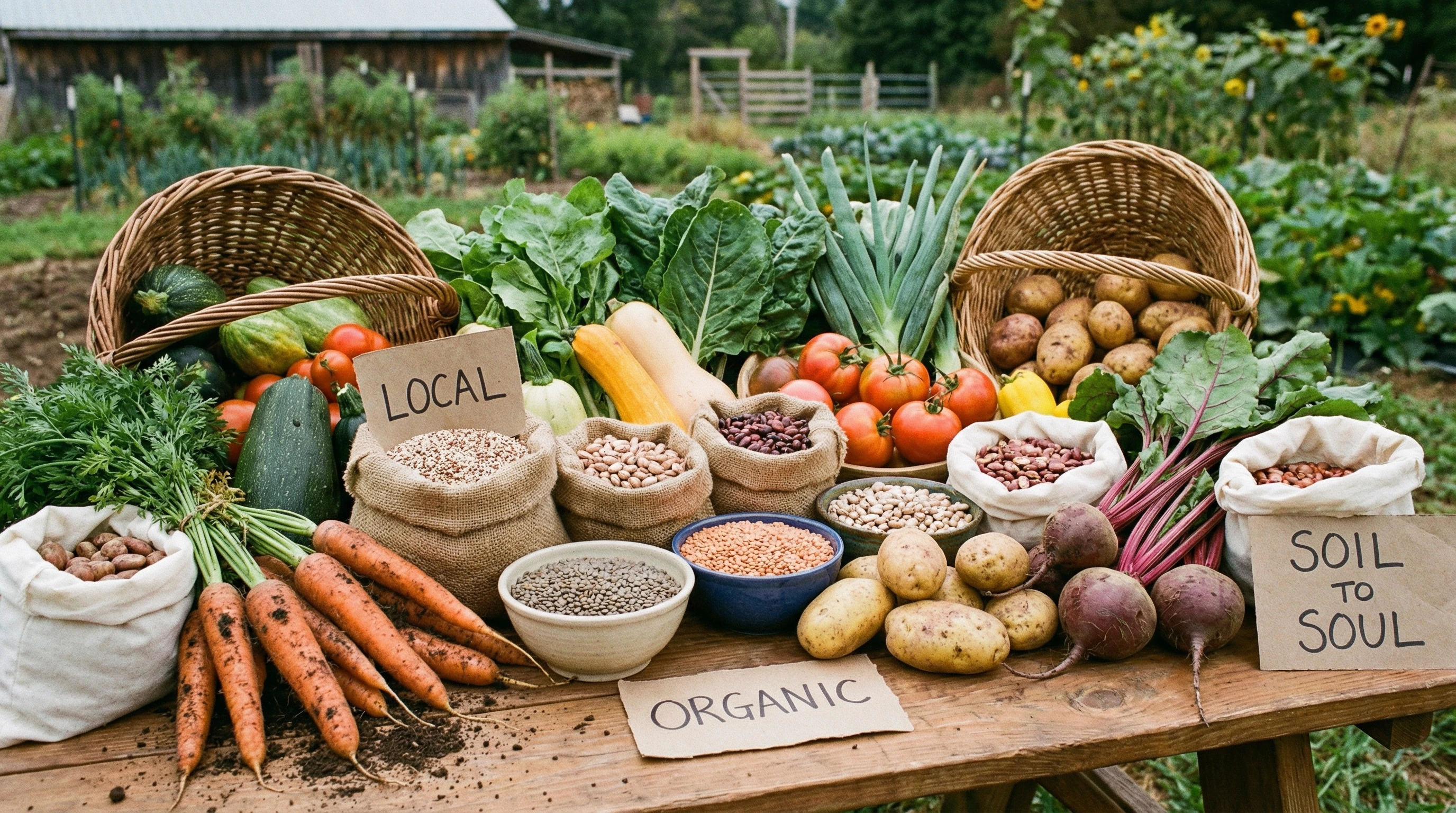
- Local and Seasonal: Foods grown close to home reduce transportation emissions, and eating with the seasons supports local farmers and helps cut down waste.
- Minimal Packaging: Packaging has a big impact on sustainability, so I pick foods with little or compostable packaging whenever I can.
Starting small by picking one or two priorities works best.
For me, that meant looking for organic beans and buying vegetables from a local farm stand before anything else.
Each layer I add gets me closer to a diet that’s healthier for me and the planet.
Even picking one change, like swapping out regular rice for locally grown grains, can make a positive impact.
Key Terms and Certifications to Know
I’ve found that knowing a few basic terms really helps me shop smarter.
Here are some useful ones with simple definitions:
- Regenerative Agriculture: Farming that actively improves soil health, water cycles, and biodiversity. This approach goes beyond organic and actually helps reverse environmental damage.
- NonGMO: Refers to crops and foods that are not genetically modified, which often means lower pesticide use and more traditional farming techniques.
- Rainforest Alliance Certified: Ensures food is grown in ways that conserve forests, protect wildlife, and support local communities. Common on products like coffee and chocolate.
Certifications can sometimes get confusing, so I look up what they mean when I spot something new.
Plenty of nonprofits, like the Environmental Working Group, have easy directories and guides online that help clear things up.
You might also check for certifications like Biodynamic or Regenerative Organic Certified for an even deeper commitment to sustainability.
Actionable Steps for Sustainable PlantBased Food Sourcing
It’s easier for me to stick to sustainable habits when I follow a few simple steps.
These are the ones I find most practical:
- Choose Whole Ingredients: Whole fruits, veggies, grains, beans, and nuts are usually produced with less processing and packaging, making them a more sustainable pick.
- Support Local Farms: Buy from farmers markets or join a local CSA (communitysupported agriculture program). This keeps money within the community and often means fresher produce.
- Check for Certifications: Seek out reputable labels like USDA Organic, Fair Trade, Rainforest Alliance, or Regenerative Organic Certified. With time, I now recognize many of these at a glance in the store.
- Ask Questions: When in doubt, I don’t hesitate to ask store clerks or farmers market sellers how foods are grown and transported. A quick chat often gives me more information than any label.
- Plan My Meals: Planning meals around what’s local and in season means less reliance on imported or outofseason produce, which usually has a bigger carbon footprint.
I also try batch cooking and prepping simple snacks to help me avoid lastminute purchases of heavily packaged foods.
This small adjustment saves money, reduces food waste, and supports my ecofriendly goals.
Common Challenges and Practical Solutions
Being real about this, I run into a few hurdles along the way.
Some challenges are easier to manage once you know what to expect and have a plan:
- Price: Sustainable options can sometimes cost more. I try to offset this by focusing on staple foods (like beans, oats, and root vegetables) and skipping expensive processed or packaged products.
- Availability: Not all stores have a great variety of sustainable plantbased foods. When that happens, I do my best and make an effort to support local options as much as possible instead of stressing about perfection.
- Label Confusion: It’s easy to get overwhelmed by all the ecolabels. I bookmark a few good resources on my phone, which makes doublechecking easy while shopping.
- Misleading Claims (Greenwashing): Some companies use ecofriendly language without backing it up. Research always helps—I look for transparency and independent certification rather than generic buzzwords.
Price
Organic and certified foods sometimes cost more, which makes sense since good farming practices can require more labor and care.
Buying inseason foods and focusing on whole ingredients keeps my budget on track.
I also buy certain items in bulk, which can bring down the price.
Another tip is to check for discounts from local producers or join a co-op, which can help cut costs.
Availability
In smaller cities, or if I’m shopping on a tight schedule, it can be tough to find the options I prefer.
Exploring different stores, signing up for a CSA, or even growing a few herbs on my windowsill helps bridge the gap.
If possible, I sometimes collaborate with neighbors to split the cost of bulk purchases, making it easier for everyone to access fresh options.
Label Confusion
Learning the basics of different certifications really helps here.
After a while, recognizing trustworthy certifications gets easier, and I feel more confident about my choices.
Asking staff for guidance or looking up quick guides online saves me time and hassle at the store.
Greenwashing
Plenty of brands use big ecofriendly words or packaging designed to look sustainable.
Careful research helps me filter out which ones actually meet the standards I care about.
I look for companies that publish clear sourcing details, rather than using vague claims.
Sometimes retailers will also highlight truly ecofriendly brands, making shopping a bit less stressful.
Being prepared for these bumps in the road helps me stick with more sustainable habits in the long run.
Advanced Tips for Sourcing PlantBased Foods Sustainably
Once I got the basics down, I found that taking a few extra steps made a big difference.
Here are some things I do now that I feel more confident in my food sourcing choices:
- Explore Regenerative Options: I look for foods from farms that use regenerative practices. This might take a little research, but it supports farms giving back to the environment.
- Grow Your Own Food: Even a small herb garden or a few pots of tomatoes make a real impact. I find growing something myself builds a strong connection to what I eat.
- Follow Supply Chains: Learning about where companies get their ingredients is eyeopening. I choose brands that provide supply chain transparency and value smallscale farmers.
- Reduce Food Waste: Planning ahead, getting creative with leftovers, and composting scraps all help shrink my own environmental impact.
Other advanced habits include joining a gleaning group in your community (where people volunteer to harvest leftover crops), or signing up for apps that connect shoppers with local farms and surplus produce.
Each of these steps brings me a little closer to food choices that support a healthier planet.
RealWorld Examples of Sustainable PlantBased Food Sourcing
Here are a few scenarios and industries where sustainable sourcing has become a priority, and how those lessons might apply to my own shopping:
- Alternative Dairy: Many oat and almond milk brands now use Rainforest Alliance Certified or Regenerative Organic oats and almonds, which supports biodiversity and wildlife habitats instead of monoculture farming.
- PlantBased Protein Companies: Some meatalternative brands share exactly which farms they partner with, and even include information about soil quality and emissions reduction on their websites.
- Local Restaurants: Many plantbased cafes showcase partnerships with neighborhood farms, highlighting produce that’s harvested within a day or two of being served.
Bigger food service companies are also starting to prioritize sustainable plantbased sourcing, rolling out product lines that are both lowimpact and traceable.
In practice, these examples show me that it’s possible to bring sustainability into everyday eating, whether I’m cooking at home or supporting a business that does things thoughtfully.
Frequently Asked Questions
Here are a few questions I get or hear often:
Question: What should I prioritize if I can only choose one aspect of sustainability?
Answer:
I usually tell people to start with buying local and inseason fruits and vegetables.
This one habit quickly reduces emissions from transportation and supports communitybased growers.
Question: How can I be sure a company’s “sustainable” label is legit?
Answer:
I look for thirdparty certifications and read up about the company’s sourcing details online.
Trustworthy brands are open about their supply chains, not just using slick marketing words.
Question: Will eating more plantbased foods always be better for the planet?
Answer:
For the most part, yes, but it still matters how and where those foods are grown and transported.
A diet of whole, locally sourced plant foods is one of the most ecofriendly options, but staying flexible and realistic is helpful too.
Making the Most of Sustainable Sourcing
Making small, steady changes to how I source plantbased foods has helped me match my values with my eating habits.
Even one or two adjustments, like focusing on local produce, learning what certifications mean, or chatting with local farmers, can make a noticeable difference.
With time, these changes add up, making plantbased eating better for me and the planet I care about.
Over time, I’ve felt more empowered in my food shopping and inspired by each new step, proving that everyone can help shape a sustainable food system—one meal at a time.