Switching to a plantbased diet has become more popular with people looking to eat healthier and save money.
When I started my own adventure, I was worried that eating plantbased would be expensive or complicated.
After some trial and error, I found it can be both budgetfriendly and simple, even if you’re just starting out.
In this article, I’ll share practical advice, beginner tips, and affordable meal ideas that helped me stick with a plantbased lifestyle without breaking the bank.
Why Choose a BudgetFriendly PlantBased Meal Plan?
Eating plantbased is often linked with health benefits like better heart health, more energy, and even weight management.
For me, one big motivator was saving on grocery bills.
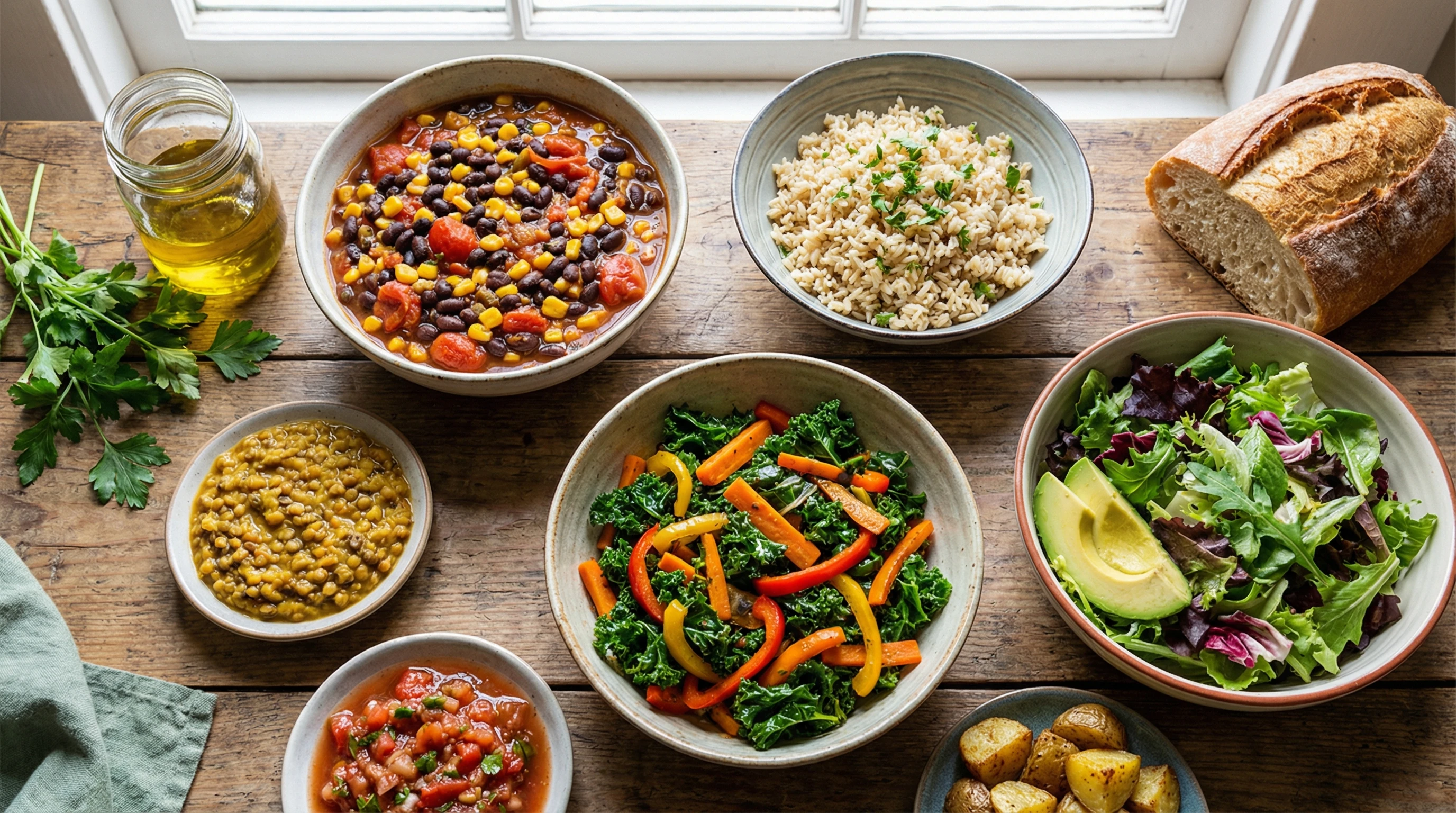
Staples of a plantbased kitchen, like beans, lentils, rice, and frozen vegetables, are usually cheaper than meat or processed foods.
Current data from the United States Department of Agriculture suggests that dried beans, lentils, and whole grains are some of the most affordable items in the supermarket.
Alongside seasonal produce, the basics of a plantbased kitchen support both health and savings.
I noticed that using unprocessed ingredients also made it easier to control my spending and know exactly what I was eating.
Plus, the money saved on groceries could be put toward other things that matter to you, like fun experiences or treating yourself occasionally.
Understanding the Basics: What Is a PlantBased Meal Plan?
A plantbased meal plan means most or all of your meals revolve around foods that come from plants.
This includes vegetables, fruits, legumes like beans and lentils, whole grains, nuts, and seeds.
Some people still include small amounts of animal products, but the majority of calories come from plants.
For beginners, starting with easy swaps helps keep things manageable.
I replaced ground beef with lentils in my spaghetti sauce and used peanut butter instead of deli meats for sandwiches.
If you’re new to these foods, you’ll notice the taste is a little different at first, but your body and wallet adjust quickly.
How to Get Started with a BudgetFriendly PlantBased Meal Plan
My own experience taught me that getting started is much smoother when I keep things simple.
Focus on a few inexpensive ingredients you like and build meals around them.
Here are a few steps that made my switch up easier:
- Pick a handful of staple foods: Beans, brown rice, oats, potatoes, carrots, and frozen vegetables are filling and versatile.
- Plan meals in advance: Even jotting down what you’ll have for breakfast, lunch, and dinner for a few days can save time and money.
- Shop with a grocery list: I made fewer impulse purchases when I stuck to my list. That cut down my costs too.
- Cook in bulk: Preparing soups, stews, or casseroles in larger portions meant I could freeze leftovers or have lunch ready the next day.
Easy Swaps for Beginners
When I first started, the idea of completely changing my diet felt overwhelming.
Small, gradual changes worked better for me.
Here are a few affordable swaps that made a big difference in my weekly meals:
- Beans for meat: Replace ground beef in chili, tacos, or spaghetti sauce with black beans or lentils.
- Oats for boxed cereals: Old fashioned oats are usually cheaper per serving and can be flavored with fruit, cinnamon, or peanut butter.
- Homemade soups over canned soups: Simmering lentils, carrots, and potatoes with spices creates a hearty soup for much less than buying canned soups.
- Nut butters in place of deli meat: A peanut butter and banana sandwich makes a filling lunch.
Building a Week of Meals on a Budget
Planning my meals for the week kept me from overspending.
Here’s a sample week that uses basic and affordable ingredients.
Each meal can be customized based on personal taste or what’s on special at your local store:
- Breakfast: Oatmeal with chopped apples and a sprinkle of cinnamon, or toast with peanut butter and sliced banana.
- Lunch: Lentil soup with diced carrots, celery, and potatoes. Or, try chickpea salad sandwiches using mashed chickpeas, diced onions, and a little mustard.
- Dinner: Rice and bean bowls with sautéed frozen vegetables and salsa. Another easy option is baked potatoes topped with steamed broccoli and a little nutritional yeast.
- Snacks: Popcorn, carrot sticks with hummus, or a handful of roasted sunflower seeds.
To add some variety, switch up the grains or vegetables through the week.
Maybe swap brown rice for quinoa or try sweet potatoes instead of regular potatoes.
Budgetfriendly, customizable meals make it easy to keep things interesting and keep costs in check.
Essential Tips for Sticking with a BudgetFriendly Plan
Even with good intentions, it’s easy to get off track.
I found these tips really helpful for keeping my plantbased adventure both simple and affordable:
- Buy in bulk when possible: Staples like rice, oats, beans, and lentils cost less per pound when you buy larger packages.
- Opt for frozen over fresh: Frozen vegetables and fruit are just as nutritious, usually less expensive, and don’t spoil as quickly in the fridge.
- Try store brand products: Generic brands often offer the same quality for less money.
- Cook once, eat twice: I always set aside leftovers for lunch or another dinner.
- Limit specialty items: Plantbased eating doesn’t mean you need pricey meat substitutes or vegan cheese. Use them for the occasional treat if you want, but focus mostly on basic ingredients.
Keeping an eye out for sales, buying in bulk, and sharing batchcooked meals with a friend make plantbased meals fit any budget.
You’ll also cut down on food waste.
Common Challenges (and How I Got Around Them)
Moving to a new way of eating is sometimes tricky, especially if family or friends have different habits.
Here are a few challenges I faced and how I handled them:
- Cravings for familiar foods: I found plantbased versions of my favorites or added flavorful spices to help with the transition.
- Lack of time: I started mealprepping on Sunday evenings. Cooking a big pot of soup or batch of brown rice and roasting vegetables meant quick meals all week.
- Eating out: Scanning menus for plantbased options or ordering sides like baked potatoes and salad helped me stay on track.
- Staying full: Meals with beans, whole grains, or potatoes kept my hunger in check better than salads alone.
It also helps to remind yourself of your “why.”
For me, knowing I was supporting both my health and finances kept me motivated, even if others around me didn’t eat the same way.
Smart Grocery Shopping for PlantBased Beginners
Before heading to the store, I check what I already have and plan meals around those items.
Shopping mainly the outer aisles gives me whole ingredients and usually saves money. I also check unit prices on the shelf tags, so I can spot the real deals.
I’ve found that farmers markets or discount produce sections often have cheaper, ripe produce that’s perfect for using right away.
Also, coupons and store apps help bring costs down even more.
Don’t hesitate to ask employees for specials or markdowns near closing time—you might stumble upon extra deals.
If you ever feel lost at the store, check with other shoppers or ask the cashier for advice.
Most people are happy to help you track down bulk bins or point out which grains and veggies are really popular and budgetfriendly in your area.
Frequently Asked Questions
People starting out often have similar questions about plantbased budget meals.
Here are some I get most often, along with answers based on what I’ve learned:
Q: Do I need to buy organic to eat plantbased?
A:
No, regular produce is healthy and affordable.
Eating more fruits and veggies matters more than whether they’re organic or not.
Q: Is it okay to eat the same foods often?
A:
Absolutely.
I keep costs and prep simple by rotating my favorites, but I add variety by using different herbs, spices, and dressings.
Q: Are plantbased meat alternatives necessary?
A:
No, but they can be nice on occasion if you have room in your budget.
Most of your protein can come from beans, lentils, tofu, and whole grains.
Q: What about protein?
A:
Plantbased protein is easy to get from beans, lentils, tofu, tempeh, oats, nuts, and seeds.
Eating a variety, even over a few days, works just fine.
Q: What if my family isn’t interested in plantbased meals?
A:
Try making a plantbased side dish to start, or cook one familiar meal (like chili) and swap beans for meat.
Invite others to taste test new recipes, and don’t pressure anyone—most people warm up to plantbased options over time.
Beginner Meal Ideas That Won’t Bust Your Budget
- Vegetable stirfry: Use frozen mixed veggies, cooked rice, and a splash of soy sauce or your favorite spices.
- Hearty chili: Simmer canned tomatoes, black beans, kidney beans, corn, and seasoning. Serve over rice or baked potatoes.
- Simple pasta: Whole grain spaghetti with homemade marinara using canned tomatoes, garlic, and dried herbs. Add lentils for protein.
These recipes don’t require fancy ingredients.
I like to keep sriracha or salsa on hand to give dishes an extra pop of flavor.
If you want to level up your meals, serve a crisp salad or steamed green beans on the side for extra nutrition.
My Experience: Finding Success with Simple, Affordable PlantBased Meals
I’ve learned that eating plantbased on a budget is very doable.
Beans, grains, and seasonal veggies form the backbone of most of my meals and keep my costs down.
It’s easy to get overwhelmed at first, but a few basic recipes and a simple meal plan you actually enjoy can help you keep going.
Trying new recipes once in a while keeps things interesting, but there’s nothing wrong with eating repeats if you’re happy, full, and saving money.
With some planning, some cooking, and a focus on whole ingredients, I found that budgetfriendly plantbased eating made me feel better and left me with more money at the end of each week.
If you’re ready to try it, start small and remember.
Each plantbased meal you try is a step in the right direction for your health and your wallet.
You don’t have to make every meal perfect or switch up your entire kitchen overnight.
Just pick the tips that work for you and build from there.
Budgetfriendly plantbased living isn’t about chasing perfection—it’s about making choices that fit your goals, your taste, and your budget.
Over time, you’ll find your favorite dishes and routines.
Enjoy the ride and celebrate each step forward!