
Taking care of vegetable beds gives you rewards throughout the growing season.
I’ve learned that the right tools can save a lot of time and effort, especially when juggling planting, weeding, and soil care.
Getting to know the basics helps me keep my garden productive and easier to manage, even if it can look a bit overwhelming at first.
Here, I’m going through what I consider essential tools and tips that make maintaining vegetable beds much more manageable.
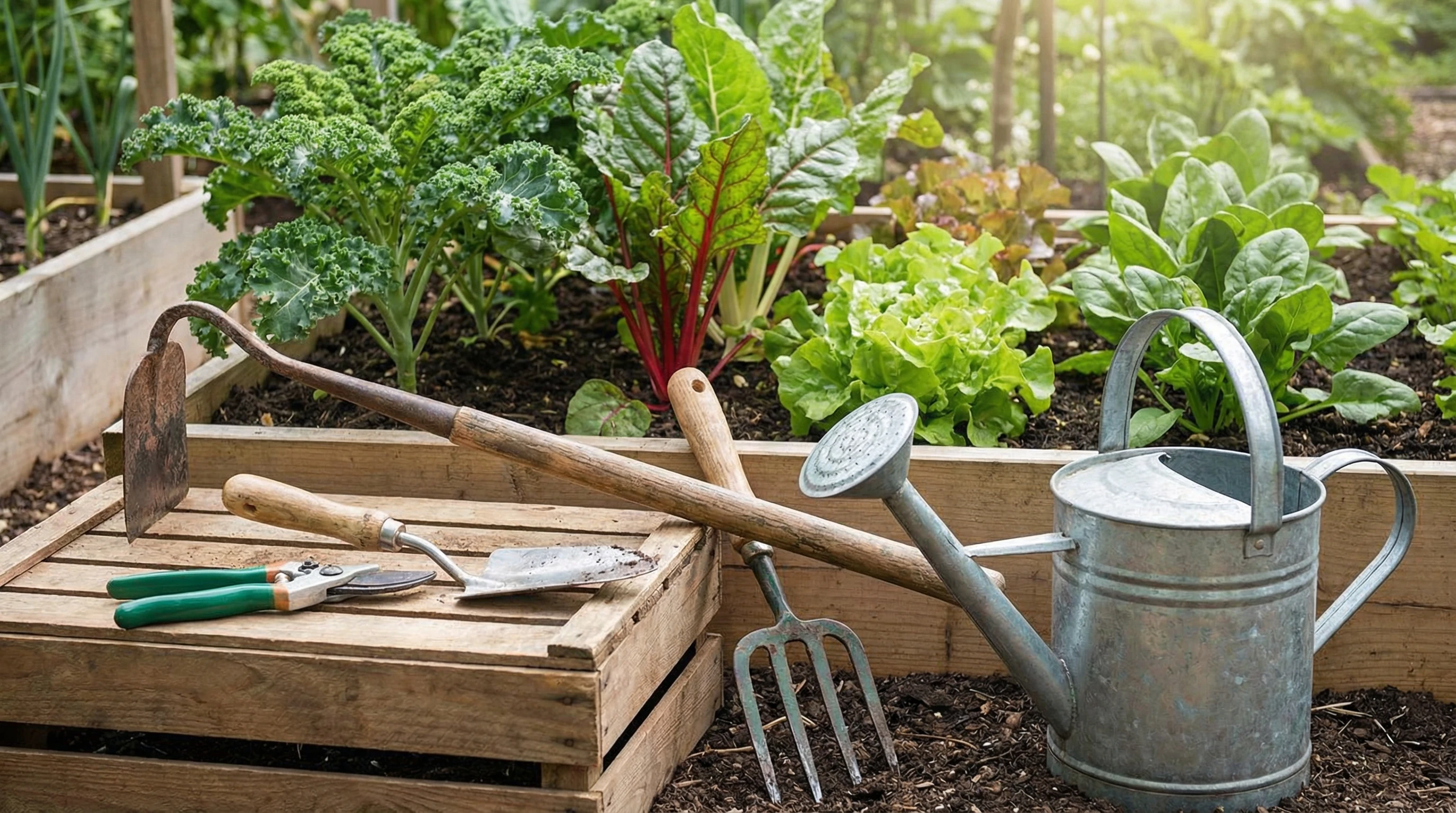
Essential Tools Every Vegetable Gardener Should Have
A well-tended vegetable garden thrives with a little routine effort and the right tools for the job.
Having the basics on hand makes the daily tasks simpler, whether I’m turning soil in the spring or pulling weeds after a summer rain.
Investing in solid tools means I spend less time getting frustrated and more time enjoying the results of my garden.
There are endless gadgets and specialty accessories, but some classic, time-tested items are really all I need for day-to-day care.
Reliable hand tools allow me to prepare beds, manage pests, support growing plants, and harvest produce with much less hassle.
Paying attention to tool quality can also cut down on breakage and unnecessary replacements.
Getting started, here are the essential tools I always keep by my side:
- Garden Hoe: Helps me break up soil, remove weeds, and shape rows. A sharp hoe makes soil prep much easier.
- Hand Trowel: Great for planting seeds, transplanting seedlings, and working in tight spaces between plants.
- Pruning Shears: Useful for snipping back unruly plants, harvesting vegetables, and managing vines.
- Garden Fork: Lets me aerate compacted soil and turn in compost without too much strain.
- Watering Can or Hose with Sprayer: Provides controlled, gentle watering directly to the base of plants without washing away soil or young seedlings.
- Garden Rake: Smooths seedbeds, collects debris, and distributes mulch evenly.
- Gloves: Protects my hands from blisters, prickly weeds, and potential irritants in the soil.
Getting Started With Your Vegetable Bed Toolkit
Jumping into vegetable gardening doesn’t require expensive or fancy equipment.
A starter set of practical tools will cover most regular maintenance and set me up for a productive season.
For anyone new or just building up their toolkit, it’s helpful to pick quality tools with comfortable grips and sturdy construction.
I’ve found that ergonomically designed handles keep my hands from getting sore, especially if I’m weeding or digging for long stretches.
I also learned to pay attention to tool size and weight.
Tools that are too heavy or unwieldy end up staying in the shed.
Keeping my toolkit organized in a bucket or tote helps me avoid wasting time searching for what I need.
- Choose Durable Materials: Steel, ashwood, and tempered metal hold up better over time and make tough jobs easier.
- Comfortable Handles Matter: Cushioned grips and smooth finishes prevent sore spots and blisters on long gardening days.
- Go for Multiuse Tools: A sturdy trowel and versatile hoe cover most daily tasks.
Occasionally, when browsing through garden centers, I stumble upon new tool designs that promise to make gardening even easier.
While it’s fun to experiment, I stick to basics that are tried and true for the bulk of my work.
It’s always helpful to track down reviews and ask fellow gardeners what works best for them, especially when you’re still figuring out your personal preferences.
Maintenance Routines for Strong, Healthy Beds
Once the basics are in place, I make a habit of regular bed maintenance, and each task ties back to a specific garden tool.
Good routines set my plants up for better growth and fewer surprises when it comes to pests or disease.
Here’s how I approach the main jobs:
- Bed Prep: I use a garden fork to loosen compacted soil and mix in compost at the start of the season.
- Weeding: My hoe or hand weeder keeps growth under control, preventing weeds from crowding out vegetables.
- Watering: A watering can or soaker hose gives me control and reduces the risk of mildew.
- Mulching: I spread mulch with a rake to keep moisture in and limit weed growth during hot months.
- Pruning and Harvesting: Pruning shears make it easy to trim back plants and collect ripe produce without damaging branches or roots.
Establishing a routine helps keep things manageable.
Addressing weeds, overgrown plants, or dry patches a little at a time saves me from having to tackle big problems later on.
It’s also crucial to keep an eye out for early signs of disease or pest damage, which lets me act promptly before issues get out of hand.
Common Challenges in Vegetable Bed Maintenance
Even with careful planning, challenges come up throughout the season.
Staying prepared with the right tool and a bit of know-how helps me solve issues before they escalate.
Here are some of the most frequent hiccups and how I deal with them:
- Soil Compaction: A garden fork digs deep to aerate and loosen soil that’s become hardpacked after heavy rain or frequent foot traffic.
- Pest Control: Sometimes, hand-picking pests works. Other times, I rely on a soft-bristled brush to brush aphids from stems or spray bottles for organic treatments.
- Overgrown Weeds: Sharp hoes and weeders reach under the soil surface, cutting weed roots before they take hold.
- Inefficient Watering: Drip hoses or watering cans let me focus water where it’s needed rather than soaking entire beds, which also helps prevent disease.
- Plant Support: Tomato cages, stakes, or trellises, installed early, give climbing and sprawling vegetables strong support.
Tackling Soil Compaction
Over time, soil can get hard and make it tough for roots to grow.
I use my garden fork to gently work through the bed, creating pockets of air and improving drainage.
Looser soil helps plants breathe and take up nutrients much more easily.
It also allows beneficial insects, like earthworms, to move through the soil and keep it healthy.
Keeping Weeds in Check
I try to stay ahead by weeding at least once a week.
My favorite tool for this job is a stirrup hoe, which glides just below the soil surface and uproots young weeds without damaging the vegetables nearby.
If weeds go to seed, I use gloves to pull them before spreading gets out of hand.
Another helpful tip is to lay down organic mulch, like straw or shredded leaves.
This light layer blocks sunlight, making it harder for weed seeds to sprout.
Plus, as the mulch breaks down, it adds valuable nutrients back to the soil.
Efficient Watering for Healthy Roots
I’ve made mistakes in the past by overwatering with a spray nozzle.
Switching to soaker hoses and watering cans has made a difference.
Water reaches where it’s needed, and the leaves don’t stay wet, which lowers the risk of fungus or mildew.
Monitoring moisture using my fingers also helps.
I check soil about an inch down and only water when it starts to feel dry.
This keeps roots growing deep and strong, rather than reliant on frequent shallow watering.
Handy Extras for Smoother Garden Care
A few extra tools make routine care easier.
While not strictly “essential,” they’ve made a big impact for me when it comes to saving time and avoiding sore muscles.
- Kneeling Pad: Protects my knees during planting and weeding; I can work longer without discomfort.
- Wheelbarrow or Garden Cart: Hauls compost, mulch, and harvested produce around the garden quickly.
- Seed Spreader: Helps me get even seeding for larger beds or cover crops.
- Measuring Tape: Ensures rows are evenly spaced when planting seeds or setting up trellises.
- Plant Markers: Keeps my crops organized so I remember what’s growing in each area.
Some other tools worth mentioning include soil thermometers, which let you know when your beds are warm enough for planting, and hand cultivators, which can help mix fertilizer or break up small surface crusts after watering.
These little gadgets aren’t mandatory, but they can help smooth the way, especially if you’re looking to step up your gardening game.
Real-World Examples of Vegetable Bed Maintenance
Over the past few seasons, I’ve noticed that staying consistent makes a huge difference in yield and plant health.
One year, my tomatoes got overcrowded because I skipped pruning early on.
Since then, I use my pruning shears every couple of weeks to shape tomato plants and snip off any yellowing leaves.
This keeps air moving and helps prevent blight, which was a problem for me before.
Another time, I underestimated how quickly weeds would return after rain.
Now, after every heavy shower, I head out with my hoe to tackle weeds before they get big.
That little bit of extra effort means I don’t have to spend hours catching up later.
Last spring, I tried starting beans in a bed I hadn’t used compost in for a few years.
The plants looked weak and yellow early on.
After mixing in fresh compost with my garden fork and loosening the soil, growth picked up quickly.
That’s when I really got a sense of how much regular soil care gives your veggies a boost.
Frequently Asked Questions
I often get questions about keeping up with vegetable beds, especially from new gardeners.
Here are answers to some points I get asked about the most:
Question: How often should I weed my vegetable beds?
Answer:
I’ve found that regular, quick weeding, about once a week, keeps the beds in good shape.
This stops weeds from taking hold and makes each session easier.
Question: Is it better to water by hand or use a hose?
Answer:
Hand watering works if I have a smaller bed or want to pay close attention to each plant.
For bigger spaces, a soaker hose or drip system saves time and reduces disease risk.
Question: How do I know if my soil needs added compost?
Answer:
If plants look weak, soil feels hard, or water pools on the surface, adding compost usually helps.
I mix in compost at planting time and add more each year to keep the soil healthy.
Question: Are there any tools that really help save time?
Answer:
I’d recommend a good-quality garden cart or wheelbarrow for hauling loads and a kneeling pad for comfort.
Also, multipurpose tools, like a hori hori knife, can dig, weed, and cut, which reduces the number of tools you need to carry around.
Practical Takeaways for Happy Vegetable Beds
Having a few simple tools and a steady routine goes a long way toward keeping vegetable beds productive and tidy.
I’ve learned that staying on top of small jobs, like quick weeding, regular watering, and timely pruning, keeps bigger problems away.
Good-quality tools don’t just make the work easier, they let me focus on growing and enjoying healthy, delicious food from my own backyard.
If you’re putting together your own toolkit, focus on items that feel comfortable, last through rough jobs, and match the size of your garden.
Adding a few clever extras, like a kneeling pad or garden cart, can also make a difference.
Experience definitely counts, and you’ll find your favorites as you go.
Happy gardening!