Eating highprotein vegan meals has made a big difference in my muscle gain and postworkout recovery.
When building muscle, many believe it’s tough to get enough protein from plants alone.
However, plantbased eating can give you everything you need, as long as you know what to look for.
Here, I’ll walk you through the essentials for building muscle with vegan meals, the best foods to include, and practical tips for making these meals easy and delicious.
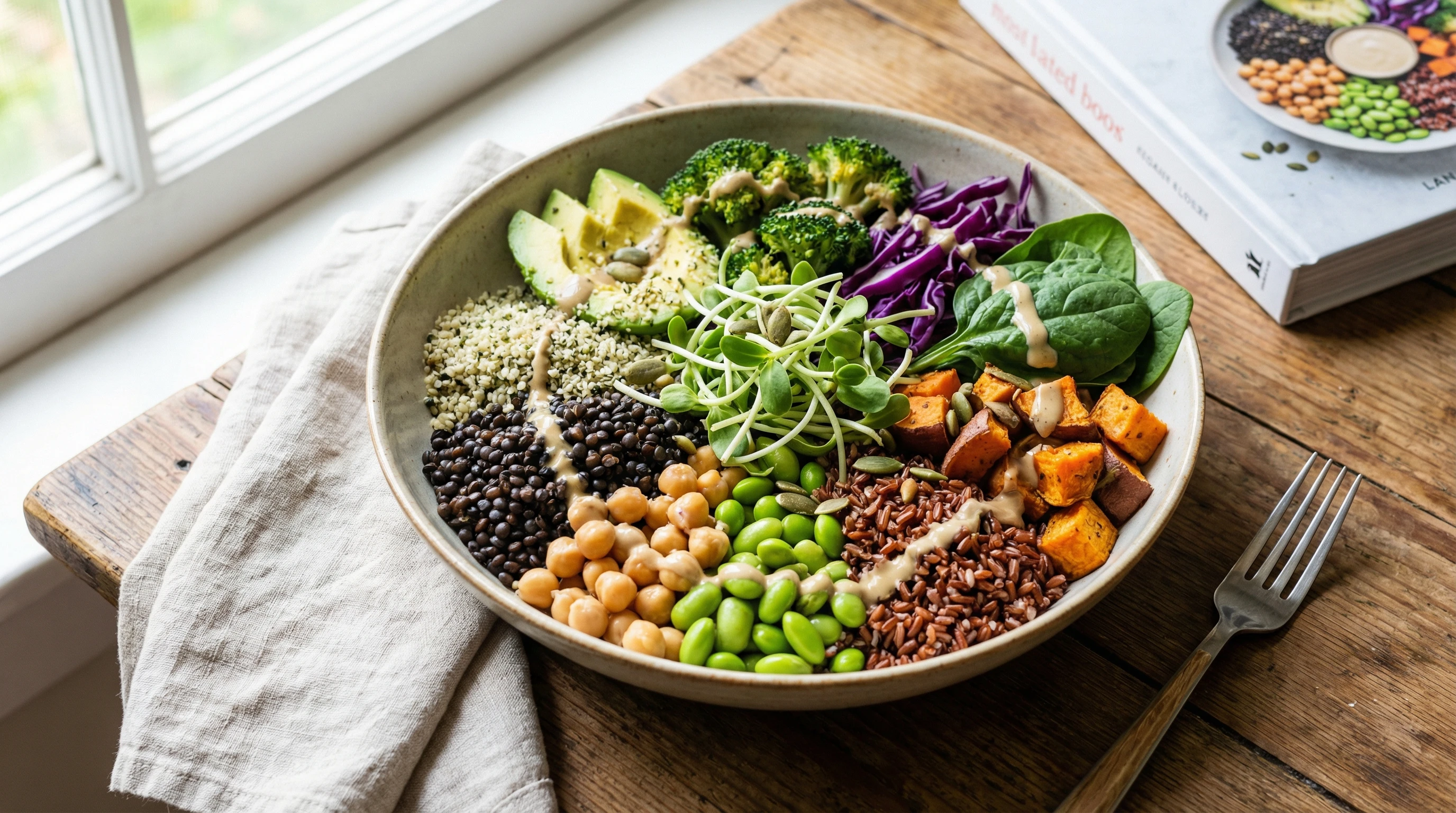
Key PlantBased Protein Sources for Muscle Gain
When aiming for muscle growth, I focus on getting enough protein and essential nutrients to support my body.
Plant protein comes from a variety of foods, and combining them helps cover all the amino acids your body needs.
Here are some options I count on:
- Legumes (Beans, Lentils, and Peas): Black beans, chickpeas, and red lentils are packed with protein and fiber. Just one cup of cooked lentils contains around 18 grams of protein.
- Tofu and Tempeh: Both products are made from soybeans, and they’re very versatile. Tofu absorbs flavors in stirfries, while tempeh has a deliciously nutty flavor that goes well grilled.
- Seitan: Made from wheat gluten, seitan delivers about 25 grams of protein per 3ounce serving. It works especially well as a meat substitute.
- Quinoa: Unlike most grains, quinoa is a complete protein, meaning it offers all nine essential amino acids. A cup of cooked quinoa provides about 8 grams of protein and plenty of micronutrients.
- Edamame: These young soybeans offer 17 grams of protein per cup and are great tossed into salads or grain bowls.
- Nuts and Seeds: Almonds, pumpkin seeds, chia seeds, and hemp hearts are tiny powerhouses that easily boost the protein in oatmeal, smoothies, and salads.
By including a variety of these foods throughout the day, I’m confident I’m giving my body solid building blocks for muscle and strong recovery.
Creating Highprotein Vegan Meals: What Works Best
Balancing meals is really important for me, especially when trying to hit training goals.
To make it easy, I aim for three things in most of my meals: protein, complex carbs, and healthy fats.
Here are meal ideas that always work well for muscle gain:
- Chickpea and Quinoa Power Bowls: Start with a base of quinoa, add roasted chickpeas, steamed broccoli, cherry tomatoes, and a dollop of tahini dressing.
- Tofu Scramble with Spinach and Mushrooms: Crumbled tofu sautéed with onions, garlic, spinach, and mushrooms gives a satisfying start to the day. Sprinkle on nutritional yeast for extra flavor and a B12 boost.
- Lentil Bolognese: I simmer red lentils with tomatoes, carrots, onions, and Italian herbs. Serve it over wholegrain pasta or spiralized zucchini noodles.
- Peanut Butter Protein Oats: Mix oats with almond milk, chia seeds, a scoop of vegan protein powder, and top with a spoonful of peanut butter and berries.
- Seitan Stirfry: Slice seitan thin, stirfry in sesame oil with bell peppers, snap peas, and carrots, then serve over brown rice or buckwheat noodles.
- Tempeh Tacos with Slaw: Marinated tempeh crumbles go well in corn tortillas with shredded cabbage, avocado, and a squeeze of lime.
Every meal can be adapted to your taste, and adding grains or extra vegetables always helps with satiety and nutrition.
The Role of Protein Timing and Meal Prep
The timing of protein intake can influence muscle recovery.
I like to spread my protein intake evenly across meals to give my body a steady supply.
After working out, I try to eat a balanced meal with both protein and carbs within a couple of hours.
For convenience, I prep meals in advance to keep my protein intake consistent.
Prepping a big batch of lentil stew or baking a tray of tofu helps me avoid skipping meals when I’m busy.
- Overnight Oats: Preparing oats in advance makes breakfast simple. I mix oats, chia seeds, vegan milk, and fruit, letting it soak overnight with a scoop of protein powder.
- Batch Cooking: On Sundays, I cook enough grains, beans, and roasted veggies to last several days. I store them separately, so I can mix and match all week.
Having meals ready to go helps support recovery and cuts down on lastminute choices that might lack protein.
Balancing Vitamins, Minerals, and Amino Acids
Beyond protein, certain vitamins and minerals help your muscles grow and recover.
I pay attention to these nutrients on a vegan meal plan:
- Iron: Lentils, chickpeas, and spinach give me plenty of iron. I pair them with vitamin Crich foods (like bell peppers or citrus) to help my body absorb more iron.
- Calcium: I eat tofu, fortified plant milks, almonds, and leafy greens for calcium to support muscle contraction and bone strength.
- Omega3s: Flax seeds, chia seeds, and walnuts are my goto sources for healthy fats that help calm postworkout inflammation.
- B12: I rely on fortified foods and a daily supplement, since B12 can be tricky to get on a vegan diet.
- Complete Proteins: While most plants don’t contain all the essential amino acids in every serving, eating a variety throughout the day covers my bases.
Paying attention to these nutrients keeps my energy and recovery strong.
If you’re new to vegan eating, tracking your intake with a food app for a couple of weeks can help you figure out if you’re meeting your protein and nutrient needs.
Consulting a registered dietitian experienced in plantbased nutrition may also be helpful for mapping out customized plans.
Common Mistakes to Avoid With Vegan Muscle Meals
I have found it really important to avoid certain mistakes that can slow muscle progress or make recovery harder:
- Focusing Only on Protein Powders: Powders can help, but real food gives you more vitamins, fiber, and satisfaction. I use protein powder to boost meals but always look for wholefood sources first.
- Not Eating Enough Calories: Plant foods are naturally lower in calories than animal products. If I want to gain muscle, I pay attention to my portion sizes and add snacks like trail mix, hummus, or homemade energy bars.
- Ignoring Healthy Fats: A bit of avocado, nuts, or olive oil with meals helps keep me full and supports recovery.
- Lack of Meal Planning: Without planned meals, it’s easy to fall short on protein. Batch cooking and prepping overnight oats or snacks to grab easily help keep me on track.
Addressing these common issues keeps my muscle gain and recovery going smoothly.
If you ever feel your energy is dipping or muscle gains are stalling, doublecheck your meal timing and portion sizes—you may just need to up your intake.
Sample Highprotein Vegan Meal Plan for Muscle Gain
This sample day is one I often use for high protein and balanced nutrition:
- Breakfast: Tofu and spinach scramble, wholegrain toast, and orange slices.
- Snack: Smoothie with plantbased protein powder, almond milk, banana, flax seeds, and spinach.
- Lunch: Lentil and quinoa salad with tomatoes, cucumbers, chickpeas, pumpkin seeds, and a lemontahini dressing.
- Snack: Homemade trail mix (almonds, walnuts, pumpkin seeds, dried cranberries).
- Dinner: Tempeh stirfry with broccoli, bell pepper, brown rice, and sesame oil.
- Postworkout snack: Edamame hummus with veggie sticks or crackers.
This plan offers variety and covers all my nutrient needs throughout the day.
If you want to switch things up, swap the tofu scramble with a hearty black bean breakfast burrito or change your stirfry vegetables with what’s in season.
Frequently Asked Questions
Here are questions that come up a lot when someone is new to highprotein vegan eating for muscle gain:
Can vegans get enough protein for muscle gain?
Answer:
Yes, plantbased eaters can build muscle and recover well with the right foods and planning.
Combining foods like beans, tofu, grains, and nuts is the key to getting enough highquality protein.
Do I need a protein supplement?
Answer:
Whole foods usually cover your needs, but protein powders can help if you have trouble meeting your daily target or need quick options after a workout.
What about B12 and iron?
Answer:
B12 is not naturally found in plant foods, so I rely on fortified foods or supplements.
For iron, I pair plant sources with vitamin Crich foods to boost absorption.
Bottom Line on Highprotein Vegan Meals for Muscle Gain and Recovery
Building muscle on a vegan diet is completely doable.
I’ve found that my energy and recovery are stronger when I plan ahead and mix up my meals.
Whole foods, balanced nutrients, and consistent meal prep help me hit my goals and feel great after tough workouts.
Remember, flexibility and variety will keep your diet fun and sustainable, all while fueling your muscle gain and recovery.