Growing vegetables in small beds can be a practical and fulfilling way for me to produce fresh food at home, even if space is tight.
I’ve learned that with a bit of planning and the right techniques, it’s possible to get more from each square foot of soil.
Here, I’ll share what has worked well for me, and highlight some ideas you’ll find really useful as you look to make the most of your own small garden spaces.
Why Yield Matters in Small Vegetable Beds
When I don’t have a big yard or large raised beds, every inch of garden space becomes valuable.
Small beds are common in city gardens, patios, and townhouses, where maximizing yield takes on extra importance.
Choosing the right crops and practicing smart gardening helps make the effort worthwhile.
While an average backyard bed might only be a few feet wide, planning choices can be the difference between just a few salads and a summer’s supply of vegetables.
Gardening in small spaces also feels really empowering because I see direct results from focused changes, like how one switch to planting layout led to much better carrot harvests for me.
Starting Out: Planning and Preparing Small Vegetable Beds
Clever planning can help me get much more from a small vegetable bed than random planting.
Before I ever break ground or fill a container, I take some time to figure out what I want to grow and how much space each crop will need.
Picking crops suited for small spaces increases success.
Salad greens, radishes, carrots, and compact bush beans often thrive in these conditions.
Herbs like basil, parsley, and cilantro add flavor and are easy to tuck into corners.
Preparing the soil is another key step.
The first year I tried vegetables, my yields were low because the soil was poor.
Mixing in good compost, removing rocks, and making sure soil drains well have helped me grow healthier plants since then.
Adding slow release organic fertilizer at the start of the season can also give a boost.
I test soil texture by grabbing a handful and squeezing.
Loose, crumbly soil is ready to plant.
High-Yield Strategies for Small Spaces
Efficient use of space does not mean overcrowding, but smart placement.
Overlapping harvests and staggering plantings have produced better results for me than simply stuffing as many seeds as possible into each bed.
Consider these practical high yield strategies that I return to year after year:
- Succession Planting: As soon as I harvest one crop, I sow another in its place; spring peas make way for bush beans, and after summer lettuce bolts, I plant fall radishes or spinach.
- Interplanting: I like to grow fast growers such as radishes between slower crops like carrots. By the time carrots need more room, the radishes are out of the bed.
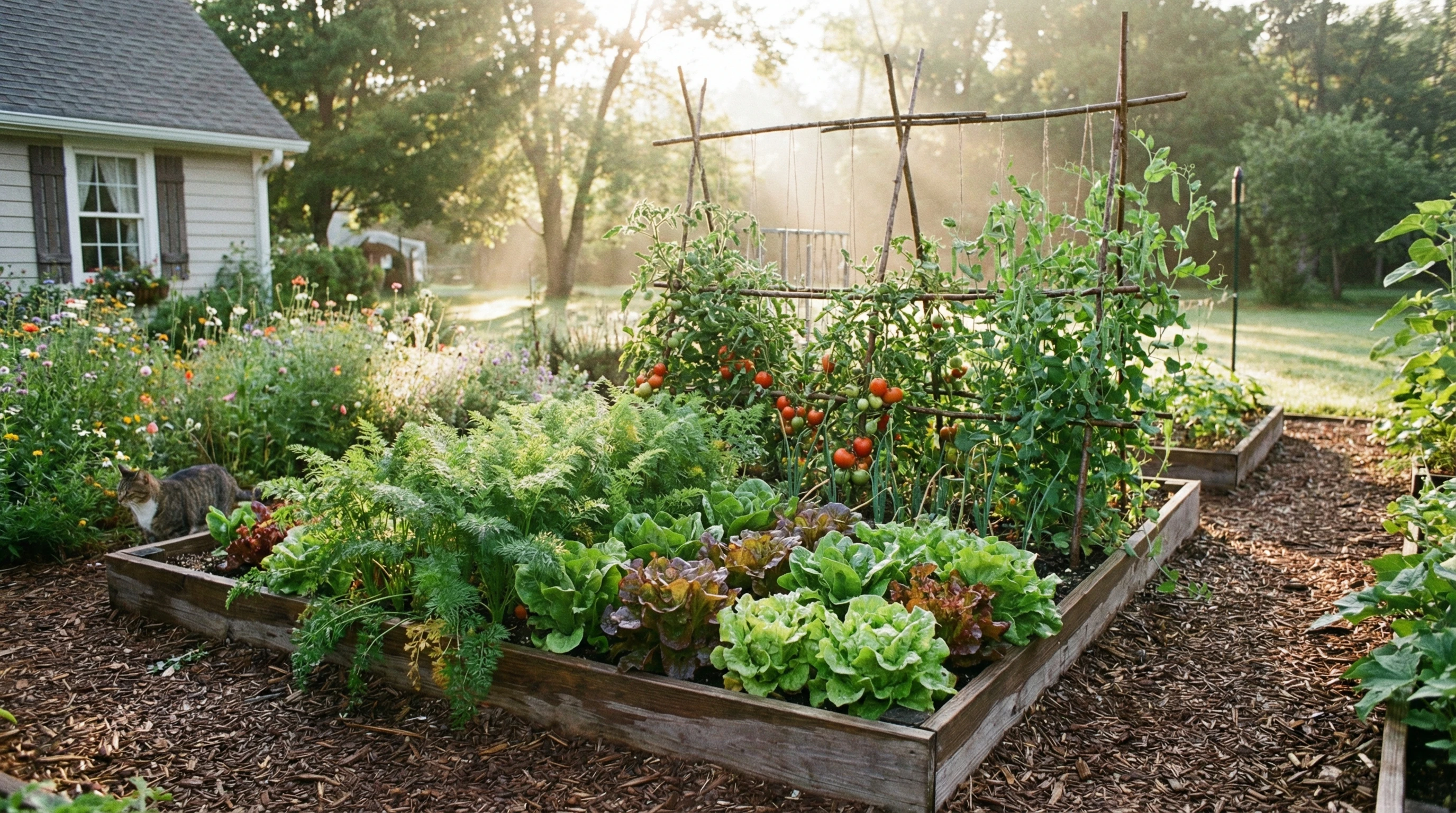
- Vertical Gardening: Vining crops such as cucumbers, peas, or pole beans climb trellises, freeing up ground space. I’ve seen tomato cages and bean teepees work wonders, allowing me to increase yield without increasing bed space.
- Square Foot Gardening: Dividing beds into square foot sections makes it easier for me to plan and ensures plants get just the space they need. It also cuts down on wasted gaps.
Keys to Good Plant Health and Maintenance
Healthy plants are much more productive, so plant care is super important for high yield in small beds.
I water early in the day using a watering can or drip hose to avoid splashing soil on leaves, which can help prevent disease.
Mulching with straw or shredded leaves keeps weeds down and holds moisture in the soil, saving me time on weeding and watering.
Regular feeding is worthwhile in small beds, especially after heavy rains, since nutrients can leach away.
I use a balanced, slow release fertilizer every few weeks, and I also occasionally feed with diluted fish emulsion when plants look a bit pale.
Pruning lower leaves from tomatoes or pinching back basil helps channel plant energy into producing more fruit and leaves, rather than just stems.
Keeping an eye out for pests like aphids or cabbage worms is also really important.
I like to check under leaves during early morning walks in my garden, and I’ve found that removing pests by hand before they multiply can save a lot of trouble.
Common Challenges and How I Tackle Them
Even with good planning, small vegetable beds face a few common hurdles.
I’ve run into most of these myself, and learning how to address them has helped my garden productivity jump:
- Limited Sunlight: Many small gardens face some shade; I look for sunniest spots and group the highest need crops, like tomatoes and peppers, where sunlight is greatest. Leafy greens still do well with partial sun, and I sometimes use reflective surfaces or white painted boards to bounce more light onto the beds.
- Pests: With small beds, just a few snails, slugs, or beetles can cause a lot of damage. I use floating row covers for young plants and rotate crops to help cut down on repeated infestations.
- Soil Nutrient Loss: Intensive planting can drain soil nutrients quickly. Topping up compost each season and rotating crops helps keep soil healthy. I test soil with a simple home kit once or twice a year to spot imbalances.
- Water Needs: Small beds can dry out fast, especially in raised beds or containers. Mulch and regular, deep watering get my plants through hot spells.
Dealing With Tight Spaces
Sometimes I have to get creative with planting arrangements.
Using containers or wallmounted planters lets me grow herbs or greens even where I don’t have a full garden bed.
Mixing edible flowers with vegetables lets me add more crops, and looks great too.
Companion planting, for example with marigolds to deter pests, makes the most of my limited growing area.
Advanced Growing Techniques for Maximum Harvest
Once the basics are covered, there are some steps I take to push productivity further.
These techniques have boosted my yields and helped me produce more from each square foot of space:
Stagger Your Planting:
Rather than planting everything at once, I plant in waves every two to three weeks.
This gives me a steady supply of vegetables instead of a single big harvest.
I do this with salad greens, radishes, and even bush beans.
Grow Quick Maturing Varieties:
Whenever I’m tight on time or want bonus crops, I pick vegetable types that mature faster.
Baby carrots, mini cucumbers, and compact tomato varieties like ‘Tiny Tim’ are some options that have worked for me.
Soil Testing and Amending:
Getting to know my soil’s nutrient levels allows me to adjust fertilizer and compost use more precisely.
If my beds show low potassium or nitrogen, I top up with balanced amendments.
Crop Rotation and Polyculture:
Moving plants to a different bed or area each season helps prevent buildup of pests and diseases.
By growing a mix of different crops together (polyculture), I’ve also noticed that the garden tends to have fewer problems with pests and needs less support from me.
Crops That Work Well in Small Vegetable Beds
Based on my own experience and advice from expert sources like university extension offices, certain crops just do better in compact spaces.
Here are some to try in your own garden:
- Leafy Greens: Spinach, lettuce, arugula, and mixed salad greens grow quickly and can be picked little by little for months.
- Root Vegetables: Radishes, carrots, beets, and turnips thrive in deep, loose soil and fit tightly without crowding each other out.
- Herbs: Basil, chives, dill, and parsley stay compact, and are easy to fit between other crops.
- Bush Beans and Peas: Compact bush varieties take up less room and still produce well, while pole types work great on trellises.
- Tomatoes and Peppers: Small or dwarf varieties are perfect for smaller beds or containers. I often grow cherry tomatoes in hanging baskets for extra space saving.
Frequently Asked Questions
What’s the best soil mix for small vegetable beds?
In my experience, a mixture of good quality compost, garden soil, and a bit of perlite or sand for drainage works well.
Ensuring the soil is loose and full of organic matter really pays off in healthier plants and better yields.
How many types of vegetables can I plant in one small bed?
I usually pick three to five kinds, choosing varieties with similar sunlight and water needs.
Interplanting quick growers like radishes between slower crops makes good use of space.
Do small beds need more watering?
Yes, small beds and containers dry out faster, especially in sunny weather.
I usually water deeply every two to three days during hot spells and keep a layer of mulch to keep moisture in.
Can I still rotate crops in tiny garden beds?
Even in a single raised bed, I move crops around from year to year and avoid planting the same family in the exact same spot.
This approach keeps the soil healthy and can help reduce pests and disease problems.
Wrap-Up: Building Success in Small Spaces
Getting good harvests from a small vegetable bed comes down to planning, smart use of space, and consistent care.
Choosing high yield crops, rotating plant families, and watching out for plant health are all key steps.
Trying out some of the strategies that have worked for me, like succession planting and vertical gardening, can help turn even tight garden patches into productive vegetable beds.
The sense of accomplishment from picking fresh, homegrown food never gets old.
Even if space is limited, with just a bit of effort and regular care, I find that small vegetable gardens can be surprisingly productive and a joy to work in all season long.