
Getting into plantbased Middle Eastern cooking is a lot more approachable than most people think.
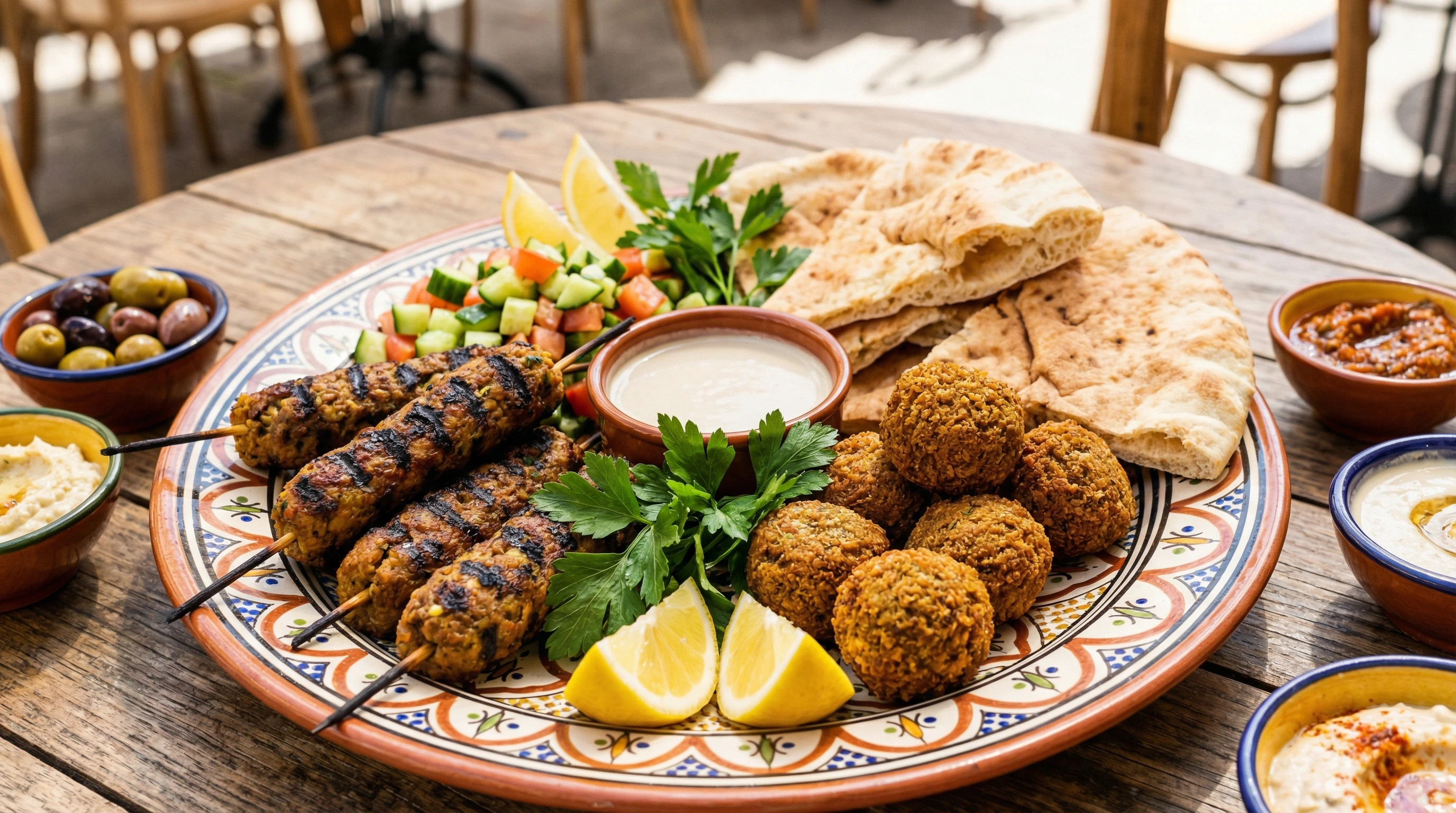
Kebabs and falafel are absolute staples on any Middle Eastern spread, and making plantbased versions is pretty straightforward.
These dishes pack a punch flavor-wise and are perfect if you’re looking to eat more plants without missing out on taste or texture.
In this guide, I’m breaking down the basics, sharing my favorite hacks, and giving you practical tips so you can whip up delicious plantbased kebabs and falafel at home—even if you’re new to Middle Eastern cooking.
Why Plantbased Kebabs and Falafel?
Middle Eastern cuisine is packed with plantbased options, making it natural to put a meatfree spin on classics like kebabs and falafel.
Falafel, for example, is a deep-fried chickpea patty that’s already vegan.
For kebabs, you can use mushrooms, lentils, or bean mixtures to create skewered bites bursting with flavor and easy to grill or bake.
Preparing these dishes plantbased means more fiber and veggies in every meal, and you can serve a bigger variety of eaters.
Proteins like beans, lentils, and chickpeas are affordable and filling, so these recipes are great for adding variety to your meals without fuss.
Getting Started: Ingredients and Pantry Staples
Before you start cooking, gather some basics that give Middle Eastern dishes their signature flavors.
These are my must-haves for kebab and falafel nights:
- Chickpeas: The star of classic falafel. Dried chickpeas are best (I’ll explain why), but canned work in a pinch.
- Lentils or beans: Red lentils, black beans, or cannellini beans are awesome for kebabs.
- Herbs: Parsley, cilantro, and fresh mint provide a green pop and aroma that’s unmistakable.
- Spices: Cumin, coriander, paprika, garlic powder, onion powder, cinnamon, sumac, and allspice are all useful for big flavors.
- Onion and garlic: Essential for texture and taste.
- Olive oil: Use it for sautéing, roasting, or as a drizzle before serving.
- Bread crumbs or flour: To bind your kebab and falafel mixtures, especially if they’re a bit wet.
Most supermarkets carry these ingredients, and bulk buying spices saves money in the long run since you’ll use them often.
Building the Perfect Plantbased Kebab
Classic kebabs use meat, but veggies, legumes, or tofu step in just fine.
Getting the right texture on the skewer and creating smoky, savory flavors is key.
Here’s a simple way I prepare plantbased kebabs at home:
- Veggies: Try mushrooms, bell peppers, zucchini, red onion, and cherry tomatoes. Mushrooms in particular provide a hearty texture.
- Plant proteins: Use marinated tofu, seasoned tempeh, or spiced lentil balls—whatever feels right to you.
- Binding and seasoning: Pulse lentils or beans with onion, garlic, spices, and breadcrumbs to form logs or balls for your skewers.
- Marinade: A mix of olive oil, lemon juice, garlic, and a shake of sumac or paprika boosts the flavor big time.
Thread everything onto metal or soaked wooden skewers.
Grill, broil, or pansear until browned.
Don’t overcrowd the skewers so each piece gets a decent char and cooks through evenly.
Finish with lemon juice and a handful of fresh herbs to brighten it up.
Crispy Homemade Falafel: Tips for Success
Falafel is all about nailing the prep and the right technique.
The best results come with dried chickpeas soaked overnight—canned ones can work if you’re pressed for time but the texture is softer and the patties may not hold up well while frying.
Here’s how I do mine:
- Soak dried chickpeas: Cover them in water and leave for 12 to 24 hours. They’ll double in size and blend up perfectly.
- Mix ingredients: Pulse the soaked chickpeas with onion, garlic, parsley, cilantro, cumin, and coriander until the mix is course and grainy.
- Chill: Let the mixture sit in the fridge for at least half an hour—it helps keep things together when forming balls.
- Shape and fry: Scoop into golf ball shapes and deep fry, air fry, or bake. For baked falafel, a little olive oil brushed on the patties gives them crispy edges.
Serve in pita or as part of a platter with salad, pickles, tahini, and lemon.
Falafel is a meal prep hero—just keep some in the fridge for salads or wraps all week long.
Simple Sauces and Sides: Bringing It Together
Middle Eastern meals are all about colorful sides and zesty sauces.
These are my favorites for plantbased kebabs and falafel:
- Tahini sauce: Stir together tahini, lemon juice, garlic, salt, and a bit of water until it’s smooth and creamy.
- Hummus: Classic is best—whipped up with chickpeas, garlic, lemon, tahini, and olive oil. Short on time? Storebought is just fine.
- Pickled veggies: Quickpickled cucumbers, radishes, or red onions really perk up the plate.
- Fresh salad: Tomato cucumber parsley salad with olive oil and lemon is a table must.
- Pita or flatbread: Warm some up for scooping and wrapping.
Add chopped herbs and maybe a shake of sumac or sesame seeds for an extra flavor boost at the end.
Prep Tips and Kitchen Shortcuts
Time-saving tricks are your friend.
I prep the kebab or falafel mixture ahead and store it in the fridge.
Shape the patties just before cooking so they stay together better.
Air fryers and ovens step up for a crispy crust without deep frying.
Use parchment-lined pans for easy cleanup, and brush veggies and kebabs with a little oil before grilling to keep them juicy.
Got leftovers? Kebabs and falafel reheat well in a hot skillet or oven—great for lunch the next day.
Common Challenges and How to Fix Them
- Mixture falling apart: If your falafel or kebab crumbles, stir in more breadcrumbs or a tablespoon of flour, and chill the mix before shaping.
- Dull flavor: Go big with spices and salt. Taste before cooking (just raw, without added flour or leavener) to get it right.
- Dry patties: Overcooked falafel or kebabs can turn out dry. Keep the heat moderate and cook them just until golden brown.
- Soggy texture: For baked falafel or kebabs, set your oven to 425°F (220°C) and preheat your pan — this results in crunchier outsides.
If a dish is a bit dry, a drizzle of tahini sauce or more pickles can fix it instantly.
RealWorld Ideas for Serving Kebabs and Falafel
- Pita sandwiches: Load up pitas with falafel, slaw, tomatoes, pickles, and sauce for a meal on the go.
- Grain platters: Kebabs and falafel over rice or bulgur with grilled veggies is a super easy dinner idea.
- Appetizer boards: Arrange mini kebabs and warm falafel with dips, olives, and pita for a snack board everyone will dig into.
These make awesome options for casual dinners or big gettogethers.
They’re always a hit around the table.
Frequently Asked Questions
Question: Can I make these recipes gluten free?
Answer:
Absolutely.
Switch regular breadcrumbs for gluten free ones, or try oat flour, chickpea flour, or even ground almonds for a slightly different texture.
Question: How do I keep leftover falafel crispy?
Answer:
Reheat falafel in a hot skillet with a tiny splash of oil or pop in the air fryer.
Skip microwaving if you want to keep the crunch.
Question: What’s the best oil for frying falafel?
Answer:
Go for oils like sunflower, canola, or vegetable because they have a high smoke point and neutral flavor that let the spices shine.
Final Thoughts
Plantbased kebabs and falafel are my regular pick for when I want something hearty, filling, and shareable.
With a few pantry essentials, basic prep, and a couple of fresh herbs you can create meals that get everyone asking for more—meat lovers included.
Jump in and try out different spice mixes, veggie combos, and ways to serve until you stumble upon your own favorite.
Your plantbased Middle Eastern table will always be a crowdpleaser and never boring.