
Packing plantbased lunches for work is a really practical way I find to support both my health and the environment.
When I started making nutritious lunches, I noticed how much more energized I felt during the day, and it helped save money by avoiding takeout options.
Choosing the right foods and building balanced meals can take a little planning, but the results are definitely worth it.
I’m going to share what I’ve learned so you can make your own work lunches healthier, tastier, and easier.
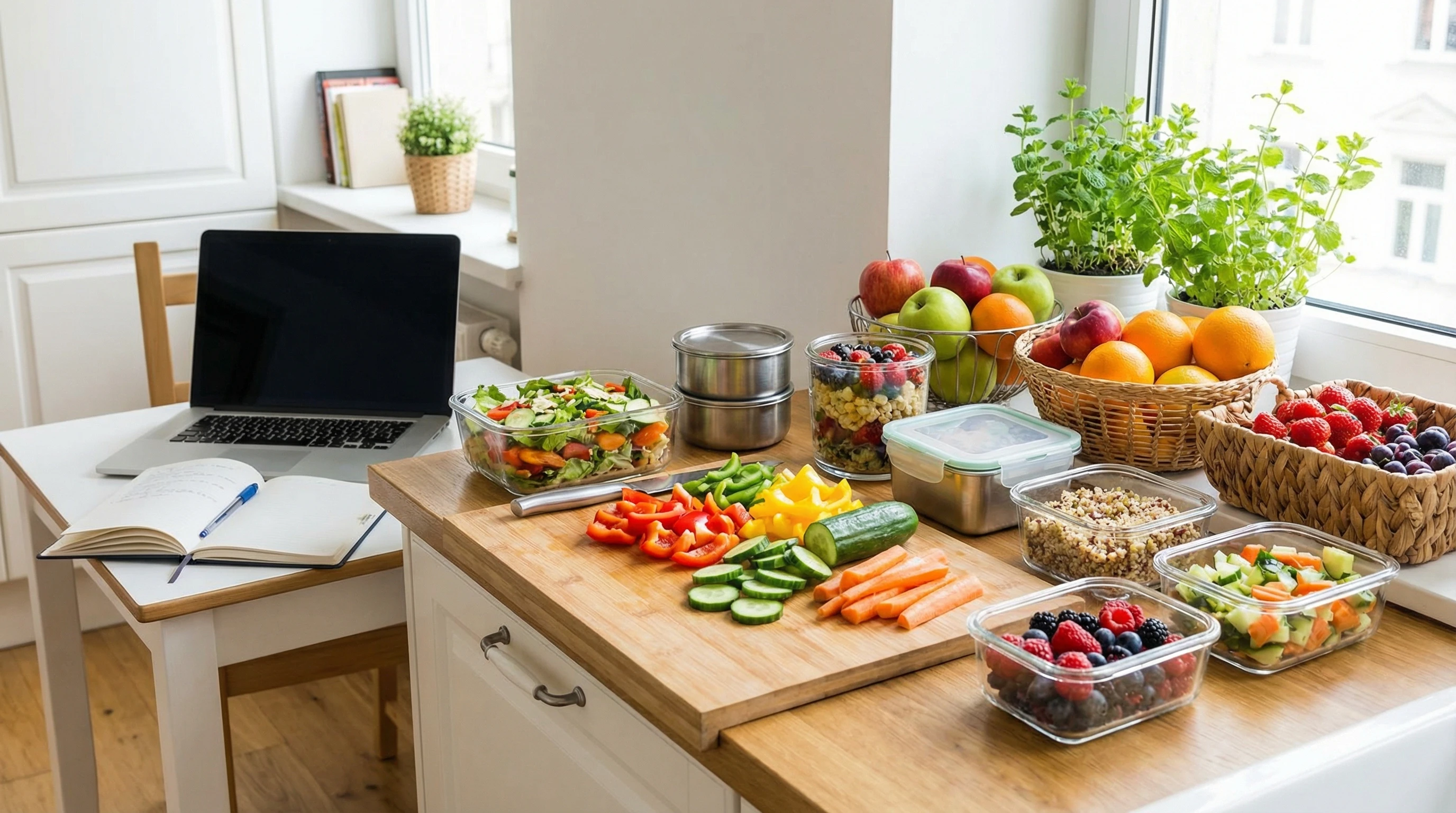
Why Plant-Based Lunches Make Sense for Work
Switching to plantbased lunches has helped me improve my focus and reduce afternoon sluggishness.
Plantbased meals usually center around whole grains, beans, lentils, veggies, fruits, nuts, and seeds.
These foods give me a steady supply of energy and keep me feeling full for longer.
Nutrientrich options like these can also be lower in saturated fat and higher in fiber than most animalbased lunches, adding benefits for digestion and heart health.
On top of that, choosing more plantbased meals supports environmental sustainability and often ends up being more affordable.
I started by learning that plantbased eating isn’t just about cutting out animal products.
It’s really about building my lunch around real, nourishing ingredients instead of highly processed alternatives.
This ensures I’m still getting all the necessary protein, vitamins, and minerals my body needs to power through busy afternoons at work.
Getting Started: Essentials of Packing Nutritious Plant-Based Lunches
A successful plantbased lunch always starts with a bit of planning.
I recommend preparing several servings of grains or beans ahead of time so you can quickly assemble lunches through the week.
Stocking up on versatile produce, pantry staples, and a few nutritious snacks keeps my options flexible.
Here are some essential terms and concepts to help anyone new to plantbased meal prep:
- Whole Grains: Brown rice, quinoa, bulgur, barley, and wholewheat pasta are great sources of longlasting energy and fiber.
- Legumes: Beans, lentils, and chickpeas add protein, iron, and more fiber, which is really important for meeting my daily needs without meat.
- Healthy Fats: Avocados, olives, nuts, seeds, and their oils support brain and heart health, plus they help me stay full until dinner.
- Fresh Veggies & Fruits: A variety of colors gives me vitamins, minerals, and antioxidants for overall wellness.
- Easy Meal Prep: Simple techniques like batch cooking, roasting, and using leftovers keep lunch routines manageable.
Knowing how to build a balanced meal using these components helps me avoid feeling hungry by midafternoon.
Simple Steps to Prepare Plant-Based Lunches for the Workweek
Packing my lunches in advance not only saves a lot of money but also removes the stress of figuring out what to eat each day.
I use these steps as a reliable guide for the week:
- Plan Ahead: Write out a list of two or three different lunch ideas based on what’s seasonal or on sale. Precook grains, beans, and roasted vegetables at the start of the week.
- Divide and Store: Portion lunches into reusable containers so I can grab and go in the mornings. Using separate containers for sauces or dressings keeps things fresh.
- Mix and Match: Keep lunch interesting by combining different grain bases with different veggies, proteins, and sauces. For example, I might start with a quinoa pilaf, swap in a chickpea salad the next day, or use leftover roasted sweet potatoes in a wrap or bowl.
- Include Snacks: Toss in fruit, cut veggies, a small container of hummus, or unsweetened nuts and seeds for a quick energy boost.
- Use Flavorful Sauces and Dressings: A good sauce brings together basic ingredients. Tahini, pesto, or vinaigrettes step up simple bowls and salads.
With these strategies, lunches actually get easier and tastier as the week goes on.
Packing Tips: What to Watch Out For
Packing plantbased lunches isn’t without a few challenges, especially when you’re just getting started.
Here are some common hurdles I’ve come across and how I have dealt with them:
- Meal Boredom: Repeating the same lunch quickly gets old. Switching up grains, adding new spices, or swapping dressings keeps lunch lively.
- Nutritional Imbalance: A lunch full of fruits and vegetables is great but may leave out protein if I’m not careful. Including beans, lentils, tofu, tempeh, or edamame is really important for staying satisfied and supporting muscle health.
- Texture Concerns: Soggy salads or mushy grains can ruin a meal. I keep crunchy toppings, fresh herbs, and dressings stored separately until I’m ready to eat.
- Food Safety: I always wait until leftovers cool before packing them and keep lunches in the fridge until I leave. I use a lunch cooler with an ice pack when I won’t have access to a fridge at work.
With a bit of planning, these small obstacles become easy to tackle.
Ensuring Enough Protein in Your Plant-Based Lunch
One of the questions I hear the most is, “How do you get enough protein without meat?”
I focus on variety. Beans, lentils, tofu, tempeh, nuts, seeds, and whole grains all have protein, and combining several of them in a meal covers my needs.
For example, I like pairing quinoa and black beans or adding a peanut sauce to a veggienoodle bowl for extra protein and flavor.
Meal Freshness and Storage
Freshness makes all the difference in a packed lunch.
I store leafy greens, like spinach or arugula, away from wet ingredients and only mix them together right before eating.
If I’m using a grain bowl base, I keep veggies and dressings separate until the last minute.
Reusable glass containers help keep food fresh and are microwave safe for reheating.
Including a Variety of Food Groups
Balancing all the main food groups keeps my energy steady and prevents cravings.
Each lunch gets a mix of:
- Complex carbohydrates (like brown rice, barley, or sweet potatoes)
- Plant protein (beans, tofu, or lentils)
- Healthy fats (avocado slices, tahini dressing, or pumpkin seeds)
- Vegetables in different colors and textures
- A serving of fruit, either in the meal or as a dessert or snack
This balance not only keeps me fuller longer but also ensures my body gets a wide range of nutrients.
Managing plantbased lunches gets easier with steady routines and a little patience.
Over time, I’ve stumbled upon shortcuts, favorite combinations, and even a few lunches that my coworkers wanted to try themselves.
Extra Tips for Building Flavor and Variety
When lunches taste great, it’s much easier to stay motivated and continue packing them.
Here are some extra tips I use:
Batch Cook Components:
Cooking large amounts of grains, beans, or roasted veggies saves huge amounts of time and opens up variety in my week.
Freeze Portions:
I’ll freeze servings of chili, stew, or cooked grains so I never run out of lunch options.
They’re super easy to reheat.
Use International Flavors:
Plantbased eating doesn’t have to be plain.
I check out curry pastes, fresh herbs, citrus, spices, and fermented foods to make every meal feel exciting.
Pack a Sweet Element:
Including a square of dark chocolate or a piece of seasonal fruit gives lunch a satisfying finish.
Finding what flavors and styles I enjoy most keeps me looking forward to lunch every day.
You might also dig into trying new tastes by rotating sauces or experimenting with herbs and spices for added flair.
It might help to keep a list of the meals you enjoyed the most to make future planning easier.
Over time, you’ll track down a go-to lineup of combinations that work best for you and your schedule.
Real-World Examples of Plant-Based Lunches for Work
Trying new recipes can make plantbased lunches a lot more fun and satisfying.
Here are three of my favorites that always work well for the office:
- Mediterranean Quinoa Bowl: A base of quinoa with cherry tomatoes, cucumber, olives, chickpeas, spinach, hummus, and lemonthini dressing.
- Vegetable and Tofu Stir Fry: Brown rice with sautéed broccoli, bell peppers, carrots, tofu cubes, and a gingersoy sauce.
- Lentil and Sweet Potato Wrap: Wholewheat tortilla with roasted sweet potatoes, cooked lentils, spinach, and a light avocado spread.
Adding a side of fresh fruit, unsalted nuts, or a homemade energy bar keeps these lunches filling and enjoyable.
If you’re looking for extra inspiration, check out blogs and cookbooks focused on plantbased meal prepping.
These resources can provide endless new ideas and make it fun to switch things up whenever you want something different.
Frequently Asked Questions
Below are some common questions I get about packing plantbased work lunches:
Question: Don’t plantbased lunches take a lot of time to prepare?
Answer:
With a little planning, plantbased lunches are actually quicker to prepare than many meatbased ones.
I batchcook essentials on Sunday night and mix and match for variety throughout the week.
Question: How do I add enough flavor?
Answer:
I use roasted spices, fresh herbs, citrus, homemade dressings, and a sprinkle of seeds or nuts to boost taste without making things complicated.
Question: Won’t I get hungry without meat or cheese?
Answer:
Focusing on fiberrich carbs, beans, lentils, and healthy fats keeps me full and satisfied.
I also add grains, avocado, and plantbased proteins in larger portions than I might with mixed lunches.
Start Packing Healthier Work Lunches
Building nutritious plantbased lunches for work has made a noticeable difference in my own energy and productivity.
By planning ahead and including a good balance of grains, proteins, veggies, and healthy fats, lunches stay interesting and satisfying.
Over time, what seemed like extra effort turns into a rewarding habit that is healthier, moneysaving, and a conversation starter among coworkers.
Keep it up, and you’ll soon notice just how much of a boost plantbased lunches can give to both your workday and your overall wellbeing.