Planning my plantbased lunches for the workweek has made a big difference in my energy, focus, and overall wellness.
Building a lunch prep system not only saves me time and money, it also helps me stick to healthy choices throughout the week.
If you’re new to plantbased meal prep or just looking for some inspiration, I’m sharing my stepbystep approach that keeps lunch fresh, convenient, and satisfying all week long.
Why Prep Plantbased Lunches Ahead of Time?
Prepping my lunches ahead of time means I’m not tempted by fast food or vending machine snacks at work.
It’s an easy way for me to control what I’m eating and be sure I’m including lots of nutritious options.
Plantbased lunches center on whole grains, beans, vegetables, fruits, and healthy fats.
These foods fill me up without weighing me down.
When I plan out a week of lunches, I notice I waste much less food, stick to my grocery list, and avoid stressful midday decisions.
Research even suggests that prepping healthy meals at home can support heart health, increase vegetable intake, and help keep food costs manageable.
By prioritizing plantbased ingredients, I also reduce my environmental footprint and try out plenty of creative, tasty combos.
Plus, having lunches ready helps me stay committed to my goals even on my busiest days.
Getting Started: My Plantbased Lunch Prep System
I keep things simple by focusing on a few basic building blocks each week.
Here’s the general structure I follow:
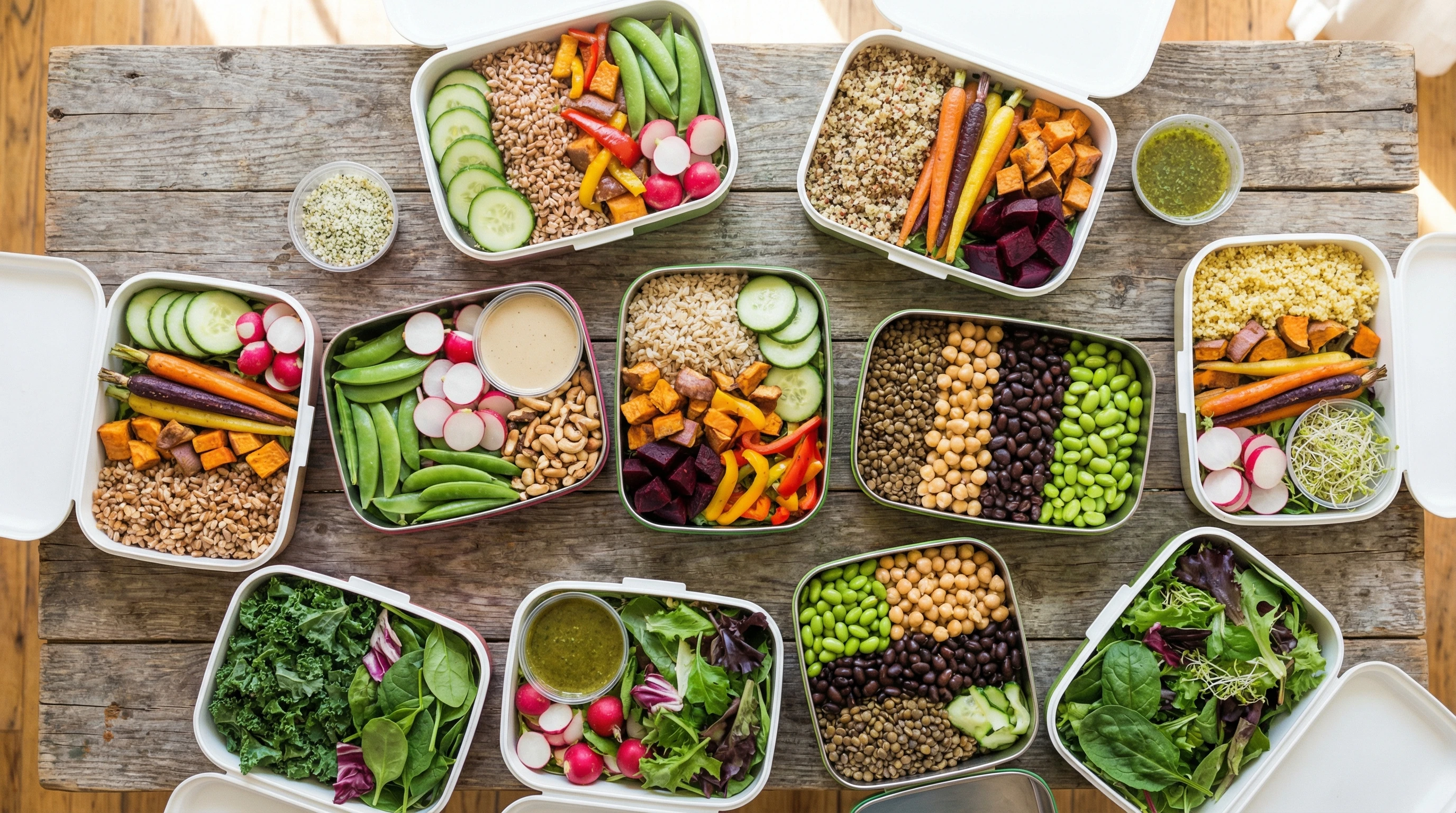
- Pick a grain: Brown rice, quinoa, bulgur, or whole wheat pasta work great and can be cooked in big batches.
- Choose a protein: Beans, lentils, tofu, tempeh, or chickpeas are filling and easy to season.
- Add veggies: Raw greens, roasted or steamed vegetables add crunch, variety, and nutrition.
- Flavor boosters: Dressings, dips, nuts, seeds, herbs, or spice blends round things out.
I make these elements separately and mix and match them throughout the week.
This prevents boredom and keeps lunches tasting fresh.
Stepbystep Guide: Prepping Lunches for the Week
- Plan Your Menu: I jot down a quick plan, considering what I already have in my pantry and fridge. I focus on seasonal, local veggies when possible to stretch my budget and get the best flavor.
- Make a Shopping List: I list out my grains, proteins, vegetables, and extras to avoid overbuying or forgetting anything important.
- Batch Cook Grains and Proteins: I start by cooking a big pot of grains and prepare my protein of choice, such as roasting chickpeas or simmering a pot of lentils. This is mostly hands-off and can be done while I clean the kitchen or prep veggies.
- Prep and Store Veggies: I wash, chop, and roast or steam various vegetables, like broccoli, carrots, sweet potato, or bell peppers. I also keep some leafy greens raw for quick salad assembly.
- Mix and Match in Containers: I set up my containers and portion out lunches for each day, changing up the veggies and proteins so I don’t eat the same thing every day.
- Add Toppings and Dressings: I include small containers of homemade dressings, seeds, or nuts for added texture and flavor just before eating.
Following these steps means I spend just a couple hours on the weekend prepping, and then reap the benefits of healthy, readytogo lunches all week long.
Even if I don’t prep every single meal, having some basics done ahead makes a huge difference.
Ingredient Staples That Make Lunch Prep Easy
I rely on a few staple ingredients to simplify my plantbased lunch routine.
Here are some favorites that I rotate in often:
- Whole Grains: Brown rice, quinoa, farro, barley, millet, and bulgur store well and help keep me full.
- Plant Proteins: Lentils, chickpeas, black beans, edamame, baked tofu, and tempeh take on lots of flavors and add protein.
- Fresh and Roasted Veggies: Leafy greens, cucumbers, cherry tomatoes, carrots, peppers, zucchini, roasted sweet potatoes, and beets offer variety and color.
- Healthy Fats and Toppings: Avocado, olives, sunflower seeds, walnuts, sliced almonds, tahini, and hummus keep lunches satisfying.
- Simple Sauces: Lemontahini, balsamic vinaigrette, or herbed yogurt sauces come together fast and bring everything together.
By keeping a selection of these on hand, I can quickly assemble balanced lunches that don’t get dull.
Trying new ingredients from time to time, like pickled onions or different seeds, gives a boost to familiar recipes.
Common Plantbased Lunch Prep Challenges and What I Do
Meal prep, even for plantbased meals, sometimes comes with its own set of speed bumps.
I’ve faced a few common struggles, and here’s how I handle them:
- Keeping Meals Fresh: I store components separately whenever possible and only combine everything right before eating. Adding fresh toppings or dressing at the last minute helps too.
- Boredom Happens: I look for ways to tweak flavors and textures each week. Swapping in a new sauce, using a different grain, or trying a new vegetable keeps meals interesting.
- Time Constraints: If my schedule is tight, I rely more on nocook ingredients (think canned beans, prewashed greens, frozen edamame) and spend less time roasting or prepping complex dishes.
Keeping Lunches Fresh and Tasty
If I prep something too far in advance, it can get soggy or lose its appeal.
I prevent this by storing dressings on the side and keeping delicate greens away from moist ingredients.
Using sturdy containers helps keep things from getting squished or leaking in my bag.
Sometimes I’ll also use paper towels to absorb extra moisture, and I never add nuts or crunchy toppings until I’m ready to eat for the best texture.
Avoiding Repetitive Meals
It’s easy to fall into a rut with the same salad or grain bowl.
To change things up, I switch the proteins, try different spices, or mix in a new type of leafy green.
Sometimes, I even swap out lunch for a mason jar soup or a cold noodle salad.
Seeking out new plantbased recipes online every few weeks also helps keep things fun and exciting.
Fitting Prep Into a Busy Schedule
I focus on fast, efficient prep methods like making use of the oven for roasting multiple items at once or doubling a recipe for leftovers.
Sometimes, prepping just two or three lunch options and alternating them keeps my week interesting and avoids too much lastminute cooking.
If my schedule is hectic, picking up precut vegetables or opting for simple salads helps me stay the course.
Prepping lunches ahead of time can feel like a lot at first, but I’ve found that staying flexible and keeping things simple really helps.
It’s okay to repeat favorite meals or lean on storebought options during a busy stretch.
Over time, the habit sticks and soon enough plantbased meal prep becomes second nature.
Quick Lunch Prep Ideas I Rely On
Sticking to a system helps me, but creative lunch ideas keep me excited about my meals.
Here are a few go-to plantbased lunch ideas I always look forward to:
- Rainbow Grain Bowls: Layer cooked grains, beans, roasted vegetables, and shredded raw vegetables. Top with a lemontahini or herby vinaigrette.
- Mason Jar Salads: Start with dressing at the bottom, add hearty veggies and beans, finish with greens on top. Shake before eating.
- Wraps or Pita Pockets: Fill whole grain wraps or pita with hummus, shredded veggies, lettuce, and grilled tofu for something easy to grab and go.
- Soup and Salad Combos: Make a simple lentil or minestrone soup and pair with a crunchy side salad.
- Chickpea “Tuna” Salad: Mash chickpeas with vegan mayo, diced celery, onions, lemon, and pepper for a filling sandwich or salad topping.
Rotating through these ideas lets me use what I have and keeps lunches really satisfying.
Adding a piece of fruit or a quick dessert, like a couple squares of dark chocolate, turns lunch into something I genuinely look forward to every day.
Frequently Asked Questions
I hear a lot of the same questions about plantbased lunch prep, so I want to answer a few of the most common ones I get:
Question: How long do prepped plantbased lunches last in the fridge?
Answer:
Most cooked grains, beans, and roasted veggies last about four to five days in the fridge.
Just keep dressings and fresh greens separate until you’re ready to eat.
Question: How do I get enough protein in my plantbased lunches?
Answer:
Plant protein is easy to add with beans, lentils, tofu, tempeh, edamame, seeds, and nuts.
Combine these sources for extra staying power.
Question: Are there easy, portable options for days I’m in a rush?
Answer:
Wraps, mason jar salads, and grain bowls all travel well.
Use sturdy containers and pack any liquids or sauces separately to avoid leaks.
Building a Lunch Routine That Works For You
Investing some time in plantbased lunch prep has helped me eat healthier during busy workweeks.
I feel better, save money, and truly enjoy the food I take with me.
With the right staple ingredients, a simple prep plan, and a handful of flexible recipes, I turn the midday meal into something I look forward to.
If you’re curious, give one of these ideas a try this week and see how smooth your days can feel with lunch already handled.
The key is to experiment, keep what works, and allow yourself grace on busy days.
Plantbased lunch prep, when made your own, can set the tone for health, convenience, and enjoyment every single afternoon.