
Plantbased lunch bowls have become one of my favorite ways to stay energized throughout the workday.
Prepping these bowls ahead of time saves me stress, money, and helps me avoid reaching for convenience food that I might regret later.
Plantbased bowls are also flexible and fun to make, with endless combinations to fit my taste, schedule, and nutrition goals.
I’m going to walk you through the best tips I’ve picked up for meal prepping plantbased lunch bowls you can take to work with confidence.
Why Plantbased Lunch Bowls Are a Smart Choice for Work
Switching to plantbased lunch bowls for work has made it easier for me to feel satisfied and focused.
These bowls are rich in fiber, vitamins, and minerals, which make them really important for anyone looking to boost their health during a busy workday.
They also tend to be easier on my budget.
With a few basic ingredients, such as grains, legumes, veggies, and tasty sauces, I can build several lunches at once for the week ahead.
Research shows that plantbased meals can help support energy levels and digestion.
A study published in the American Journal of Clinical Nutrition found that diets focused on whole plant foods can help people manage weight and even feel more alert.
When lunch breaks are short, having something filling and nourishing can make a real difference for my afternoon productivity.
I like to think of plantbased bowls as a blank canvas.
With a mix of colors, textures, and flavors, lunch does not get boring.
Choosing different base ingredients, protein sources, and addins means there are always new combinations to try.
This variety helps me avoid lunchtime burnout and stick with my prep routine week after week.
Starting Out: Basics of Plantbased Bowl Building
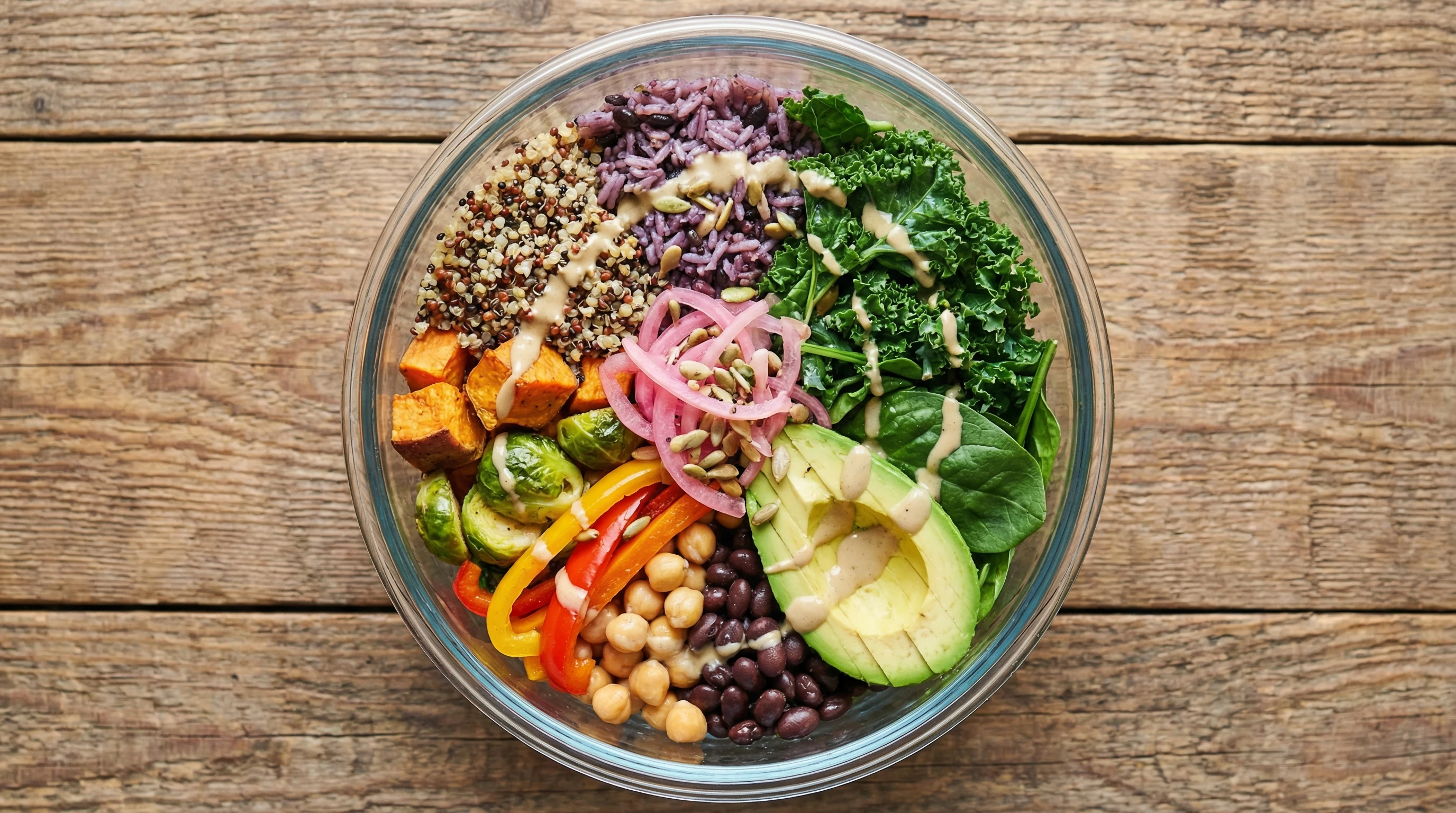
The core of any good plantbased lunch bowl starts with layering simple ingredients for taste, nutrition, and satisfaction.
I’ve realized that following a loose formula makes building a bowl much easier, even on days when I’m pressed for time.
Here is my goto plan for pulling together a balanced bowl:
- Start with a Grain Base: Brown rice, quinoa, farro, and bulgur are great choices. They cook in bulk and keep well in the fridge all week.
- Add Plant Protein: Beans, lentils, tofu, tempeh, and edamame are my top picks. They boost fullness and keep energy steady.
- Fill with Veggies: I use raw, roasted, steamed, or grilled veggies. Broccoli, carrots, peppers, sweet potatoes, leafy greens, and cabbage give great color and crunch.
- Include Healthy Fats: Sliced avocado, tahini, seeds, nuts, or a drizzle of olive oil help absorb vitamins and add flavor.
- Toss with a Sauce or Dressing: A good sauce ties everything together. I like lemon tahini, peanut sauce, salsa, or simple balsamic vinaigrette.
This formula helps me balance nutrients and makes sure lunch is always satisfying.
Swapping out different ingredients each week keeps it interesting, too.
Practical Meal Prep Strategies for Busy Workweeks
Meal prepping can sound daunting at first, but I’ve found that breaking it into simple steps helps me get everything done quickly.
Setting clear prep times and keeping my kitchen organized lets me get a week’s worth of lunches ready in about an hour or two on Sunday.
Here are strategies I rely on:
- Batch Cooking: I cook grains and legumes in big batches. They form the base for several meals and reheat well.
- PreChopping Veggies: Washing and cutting up vegetables ahead of time makes it much easier to toss bowls together. I store them in airtight containers in the fridge.
- Readytogo Proteins: I roast tofu or tempeh, simmer lentils or beans, and keep them separate in the fridge. This way I can mix and match in each bowl.
- Sauce Prep: Whipping up one or two sauces ahead saves time and takes the flavor up a notch. Sauces keep in the fridge for about five days.
- Smart Storage: I use reusable containers with secure lids, divided into sections if possible. This helps keep textures fresh and makes packing easy in the morning.
I’ve found that planning my bowls in advance and working assemblyline style lets me build five lunches in record time.
If I only prep one thing during the weekend, it’s usually a big batch of grain or a protein because those are the most timeconsuming.
Common Challenges (and Simple Solutions)
Sticking with lunches from home brings a few common challenges.
Over the years, I’ve had to troubleshoot bland meals, soggy veggies, and burnout from repetitive flavors.
Here’s how I’ve handled those hurdles:
- Keeping Ingredients Fresh: I avoid adding dressings directly to greens. Instead, I pack sauces on the side, so nothing gets soggy by lunchtime. Layering hardy ingredients on the bottom, like grains and beans, and delicate ones on top helps, too.
- Avoiding Lunch Burnout: Rotating flavors and textures is super important. I change up my sauces weekly and use seasonal veggies to keep bowls exciting.
- Making Room for Flexibility: Sometimes, my schedule changes. I freeze portions of cooked rice, beans, or roasted veggies so I can grab and go if something comes up.
Keeping Food Crisp and Flavorful
A little prep work helps keep my bowls crisp and flavorpacked.
I store watery veggies like cucumbers and tomatoes separately and add them just before eating.
For greens, a paper towel in the container keeps moisture down.
Using a variety of cooked and raw veggies in every bowl also helps keep the textures interesting.
Getting Enough Protein
A common concern with plantbased meals is making sure there is enough protein for steady energy.
By adding legumes, tofu, tempeh, edamame, or roasted chickpeas, I’m able to stay full through the afternoon.
Some people also sprinkle hemp seeds, pumpkin seeds, or nuts for extra crunch and protein.
Tips for Building a Great Bowl Every Time
After a lot of trial and error, I have a handful of tips I use for consistently building a bowl that tastes good even on day five:
- Double Up on Flavors: Using both a sauce and a sprinkle of herbs or spices, like fresh cilantro, basil, or smoked paprika, boosts taste.
- Include Something Crunchy: I love to add roasted chickpeas or a handful of pumpkin seeds just before eating.
- Go for Color: Bright veggies not only look good but also mean I’m getting a range of nutrients. Carrots, red cabbage, beets, and spinach are easy favorites.
- Don’t Forget Citrus: Squeezing some lemon or lime over my bowl right before eating wakes up flavors and helps balance richer ingredients.
I always remind myself: if a bowl feels bland, adding a new sauce or topping is usually all it takes to bring it back to life.
Simple Equipment that Makes Meal Prep Smoother
Having a few handy tools in my kitchen really speeds up the prep process for plantbased bowls.
These items help me save time and keep things tidy:
- Sharp Chef’s Knife: Prepping ingredients is much faster and safer with a knife that can slice through anything.
- Meal Prep Containers: Airtight, reusable containers are my goto for storing and transporting lunches. I look for ones that fit in my bag easily.
- Cutting Boards: I keep a couple on hand, one for veggies and another for breads or fruits.
- Baking Sheets: For roasting big batches of tofu, tempeh, and veggies all at once.
- Rice Cooker or Instant Pot: If I’m short on time, these tools take the guesswork out of cooking grains and beans.
These simple tools help me batchcook, store, and assemble lunch bowls with very little stress, even on the busiest work weeks.
Frequently Asked Questions
I get a lot of questions about making plantbased lunch bowls work for a daily routine.
Here are some of the most common ones I hear from friends and coworkers:
Question: How do I keep my lunch bowls from tasting the same every day?
Answer:
Switching up the sauces and choosing seasonal veggies makes a big difference.
Even just changing the grain or adding fresh herbs can give the same base a totally new feel.
Question: Can you freeze plantbased bowls for later?
Answer:
Yes, most cooked grains, beans, and roasted vegetables freeze really well.
I freeze in individual portions, then thaw overnight in the fridge.
I add fresh toppings and sauces right before serving for the best taste and texture.
Question: What are easy protein addins for extra energy?
Answer:
Toasted chickpeas, cooked tofu, edamame, or tempeh are all easy to prepare.
Pre cooked lentils or black beans also work great and can be found ready to eat in most grocery stores.
You can also try sunflower seeds or walnuts for added crunch and extra nutrients.
Here are a couple more tips I’ve picked up:
- Experiment with global flavors to keep your lunch bowls exciting. Try adding curry powder, taco spices, or Asian style sauces for big changes with little effort.
- Pack a fruit or a small treat to keep your lunches balanced and satisfying.
Bringing It All Together for Healthy Workweek Lunches
Prepping plantbased lunch bowls for work has made healthy eating easier for me.
With a thoughtful approach to building bowls and a few simple strategies, I leave stress behind and look forward to my lunch breaks every day.
The best part is, by focusing on fresh ingredients, filling grains, and creative sauces, each week brings something a little different to my workday routine.
Trying out new combinations, making prep part of my weekend ritual, and staying flexible when life changes has helped me stick with it.
Lunch bowls keep my wallet happy, my body fueled, and my afternoons productive.
If you’re curious to try meal prep yourself, experimenting with different grains, proteins, and dressings can help you find what works best for your taste and schedule.
Enjoy the process; every bowl can be a step closer to a simpler and more satisfying lunch routine!