
Staying energized and focused at the office often depends on what I have for lunch.
Many people think plantbased lunches take more time to prepare or lack flavor, but I’ve found that making quick and healthy meals that are entirely plantbased can fit easily into a busy workday.
I want to show you that it’s possible to bring lunch from home that tastes great, keeps you feeling full, and doesn’t leave you feeling sluggish for the rest of the afternoon.
I’m here to share practical ideas, key ingredients, and tips from my own experience to help you enjoy healthy plantbased lunches at work.
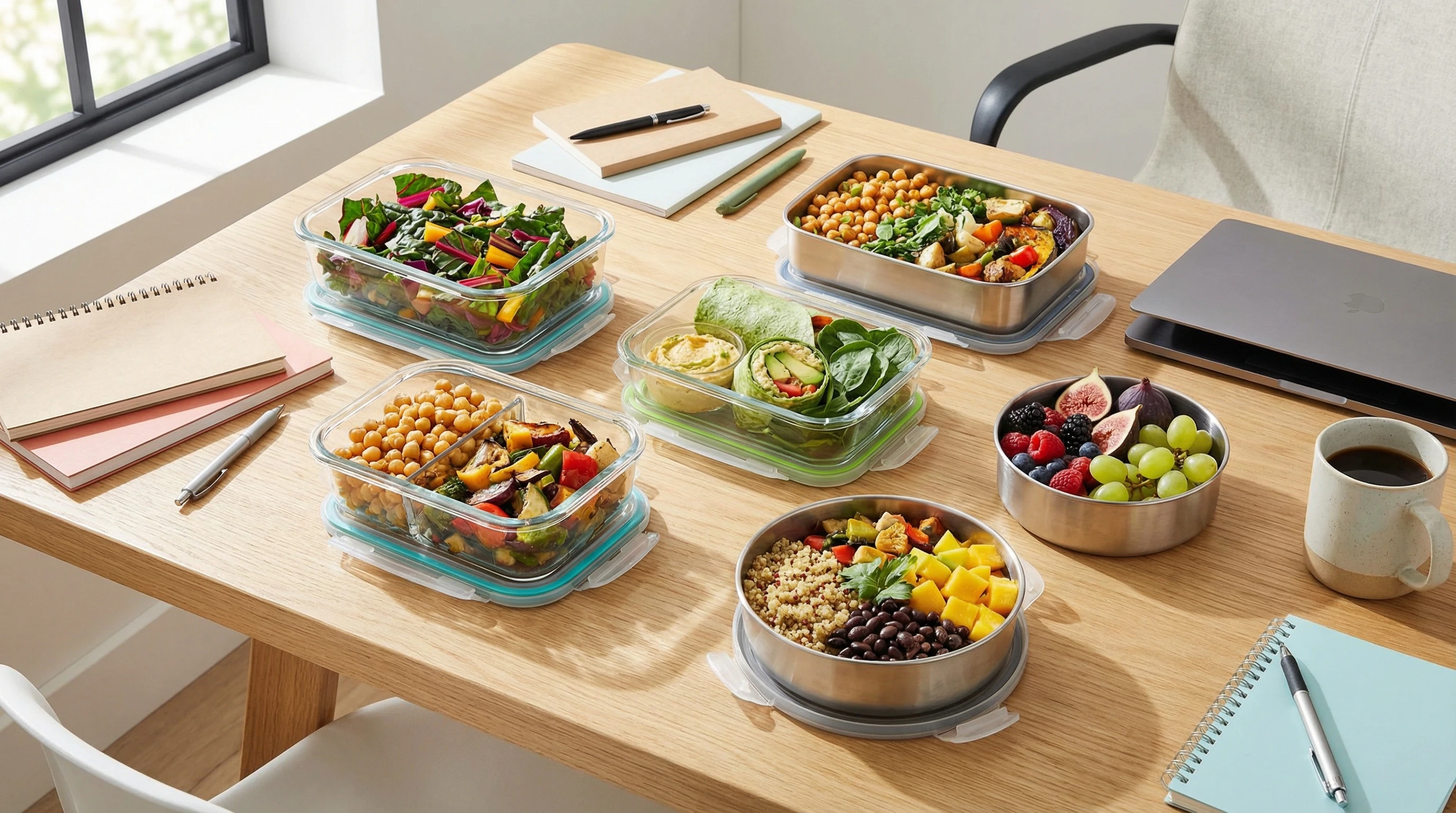
Why Plantbased Lunches Work Well for the Office
Switching to more plantbased meals during lunchtime at work has made a real difference in my energy and focus throughout the day.
These meals are packed with fiber, healthy fats, and plant proteins.
These elements keep me feeling full for longer without that heavy feeling some traditional lunches bring.
According to the Harvard T.H. Chan School of Public Health, plantbased diets can support lower risks of heart disease, diabetes, and certain types of cancer.
These benefits aren’t just limited to homecooked dinners.
Bringing thoughtfully prepared lunches from home can help you avoid less healthy, high-sodium options from nearby eateries and save money too.
People often think plantbased eating means just salads, but there’s a wide range of dishes that fit this style.
Grains, legumes, nuts, seeds, vegetables, and fruits can be layered and mixed for lunches that satisfy cravings and keep your nutrient intake high.
In my experience, prepping even a day or two ahead saves time, money, and helps me keep a healthy routine, especially when work gets busy.
The beauty of plantbased lunches is in their variety and flexibility.
By mixing different colors, textures, and flavors, you get both nutrition and enjoyment in every meal, which helps you stick with healthier habits over the long haul.
TimeSaving Tips for Preparing Plantbased Lunches
Making lunches ahead is a practice I keep up because it helps me avoid lastminute choices that might not fit my goals.
Here are some strategies I follow to make plantbased office lunches easier on my schedule:
- Batch Cooking: Cooking grains like brown rice, quinoa, or farro in bulk at the start of the week makes building grain bowls super fast.
- Prewashing Greens & Veggies: Rinse and chop leafy greens, bell peppers, cucumbers, and carrots so you can toss them straight into salads or wraps.
- Simple Proteins: I cook a big batch of chickpeas, black beans, or lentils and keep them refrigerated for easy tossins.
- Homemade Dressings: Mixing up a small jar of tahini lemon, balsamic vinaigrette, or cashewbased sauce adds flavor to different lunches.
- Reusable Containers: Sturdy, leakproof containers help keep salad greens crisp and grain bowls fresh.
These batchprep strategies help me spend less time thinking about what to eat every day and give me the flexibility to mix things up with small changes.
I often make a big pot of soup or stew and keep portions ready to grab.
Rotating the vegetables or switching between beans and tofu keeps meals exciting without adding a lot of work to the week.
Quick Plantbased Lunch Ideas to Bring to the Office
My lunches don’t have to be complicated to be tasty or filling.
These quick recipe ideas use ingredients I usually have on hand and are easy to transport to work.
- Rainbow Grain Bowls: Start with brown rice, quinoa, or farro. Add colorful raw or roasted vegetables, chickpeas or edamame, and drizzle with a simple dressing. Add some pumpkin seeds or avocado for healthy fats.
- Stuffed Pita Pockets: Fill wholewheat pitas with hummus, shredded lettuce, roasted peppers, grated carrots, and falafel or black beans. These store well and are easy to eat at your desk.
- Hearty Mason Jar Salads: Layer sturdy ingredients, like beans, grains, or cherry tomatoes, on the bottom, and delicate greens on top. Keep dressing at the bottom or in a small container to add when you’re ready to eat.
- Tortilla Wraps: Spread hummus or white bean spread on a wholegrain tortilla, add spinach, shredded veggies, and sliced olives or tofu. Roll up for an easy and filling wrap.
- Lentil and Vegetable Soup: Make a pot for the week using lentils, carrots, kale, and tomatoes. Pack in a thermos so it stays warm through lunchtime.
- Chickpea Salad Sandwich: Mash chickpeas with tahini, lemon, and celery for a quick chickpea “tuna” filling. Spread on whole grain bread with greens.
I like to switch up my vegetables and proteins to keep things interesting through the week.
These recipes take less than 20 minutes each if you prep ingredients ahead.
Sometimes I add marinated tofu, sundried tomatoes, or even a scoop of spicy beans for extra flavor.
Changing up your spreads and sauces also keeps familiar meal templates feeling new.
Common Challenges and How to Handle Them
Like any change, moving to plantbased lunches for work brings some hurdles.
Here are issues I’ve faced and how I handle them:
- Soggy Salads: Keeping dressing and moist toppings in a separate container helps keep greens crisp. Packing delicate vegetables and crunchy toppings separately does wonders.
- Lack of Protein: Adding beans, lentils, tempeh, tofu, or seeds keeps me full. I also keep a jar of roasted chickpeas in my bag for a proteinrich snack.
- Short on Flavor: Bright herbs, zesty dressings, pickled vegetables, and a sprinkle of nutritional yeast or seeds help meals taste more exciting. Sometimes I add a dash of hot sauce or roasted spices right before eating.
- Not Enough Time in the Morning: Prepping everything the night before or making several lunches on Sunday saves so much stress. Overnight oats and cold noodle bowls are lifesavers for days when I’m rushed. Batch-cooking sauces and freezing portions can also give you more options when you need a last-minute meal.
Packing and Food Safety
It’s really important to pack plantbased lunches properly so food stays fresh from morning until lunchtime.
Using insulated bags and freezer packs helps prevent foods from spoiling, especially when I pack dips or vegan cheeses.
I store soups or stews in vacuum flasks when I want something hot.
Giving my containers a good wash daily keeps them ready and safe to use the next time.
For foods with avocado or cut fruit, adding a splash of lemon juice slows browning and keeps things looking appealing.
Adapting Plantbased Lunches for Special Diets
Office lunch plans sometimes have to fit around allergies or dietary choices.
I’ve found it helpful to swap ingredients easily, like using glutenfree grains for those who avoid gluten, or nutfree dressings for colleagues with allergies.
Dairyfree yogurts, seedbased snacks, and glutenfree bread options make it easier for everyone to enjoy a plantbased meal together at work.
Also, if coworkers are curious about plantbased meals, you can bring extra for sharing to spread the word about healthy eating in an approachable way.
Easy Ways to Keep Your Lunch Interesting
I like to keep things interesting so my lunch never feels boring or repetitive.
Here’s what I do to keep lunchtime fresh and enjoyable:
- Try New Grains: Rotating between quinoa, buckwheat, barley, or wild rice means my grain bowls never get dull.
- Seasonal Ingredients: Swapping in seasonal veggies, fruits, and herbs keeps flavors vibrant and meals more affordable.
- Add Crunch: Roasted chickpeas, toasted seeds, or baked tortilla strips finish off any dish with needed texture.
- Mix Cuisines: Some of my favorite lunches come from combining different cuisines. I like adding kimchi to a Buddha bowl or using harissa in a chickpea salad wrap.
I keep a jar of homemade pickles or quick pickled onions on hand for extra zing and rotate between different dips and dressings every few days so nothing feels repetitive.
Incorporating global flavors like curry powder, miso, or smoked paprika can also freshen up ingredients you use often.
Switching between Mediterranean, Asian, or Latin-inspired meals is a fun way to keep your taste buds guessing and make lunchtime something you genuinely enjoy.
Frequently Asked Questions
Here are some questions I often hear about plantbased office lunches:
Question: How do I make sure my lunch is filling enough?
Answer:
Including plant proteins like beans, lentils, and tofu, along with whole grains and healthy fats from nuts or seeds, helps keep me satisfied for the whole afternoon.
If you’re extra hungry, a small smoothie or side of fruit gives a little bonus energy.
Question: Is meal prep necessary for plantbased lunches?
Answer:
In my experience, prepping even just two or three meals at once saves time and takes the guesswork out of busy mornings.
You don’t have to prepare everything from scratch.
Using frozen veggies or canned beans can help you throw something together in minutes.
Question: How do I avoid soggy lunches?
Answer:
Packing dressings and wet items separately from greens and crunchy toppings keeps everything fresh until I’m ready to eat.
Using sturdy greens like kale or cabbage as a base also helps lunches last longer.
Wrapping Up
Quick plantbased lunches for the office help me eat healthier and feel better throughout the workday.
With just a bit of prep, I have a variety of nutritious and tasty options that don’t take much time to put together.
These practical strategies keep me on track, and over time, they’ve made packing lunch something I actually look forward to each morning.
The right prep, plenty of flavor, and a little variety make plantbased work lunches a habit worth keeping.
Give a few ideas above a try and see how much better your afternoons can feel!