Vitamin B12 plays a crucial role in keeping my body and mind healthy, yet it often gets overlooked in plantbased diets.
Since B12 is found mainly in animal products, I need to take some extra steps to make sure I’m getting enough of this important vitamin.
Here, I’ll break down what B12 does, why it matters for anyone on a plantbased diet, and how I make sure I get what my body needs.
Why Vitamin B12 Matters for My Health
Vitamin B12, or cobalamin, is a watersoluble vitamin that has a hand in a number of physical functions.
I count on B12 to keep my nerve cells working well, to create red blood cells, and to help my DNA replicate as it should.
B12 also has an influence on energy levels and my mood, helping to keep things balanced.
B12 is unique because, unlike most vitamins, it’s not made by plants or animals.
Instead, bacteria and microorganisms make it.
Animals get B12 by eating food contaminated with these bacteria or through fortified feed, and the vitamin then works its way up the food chain.
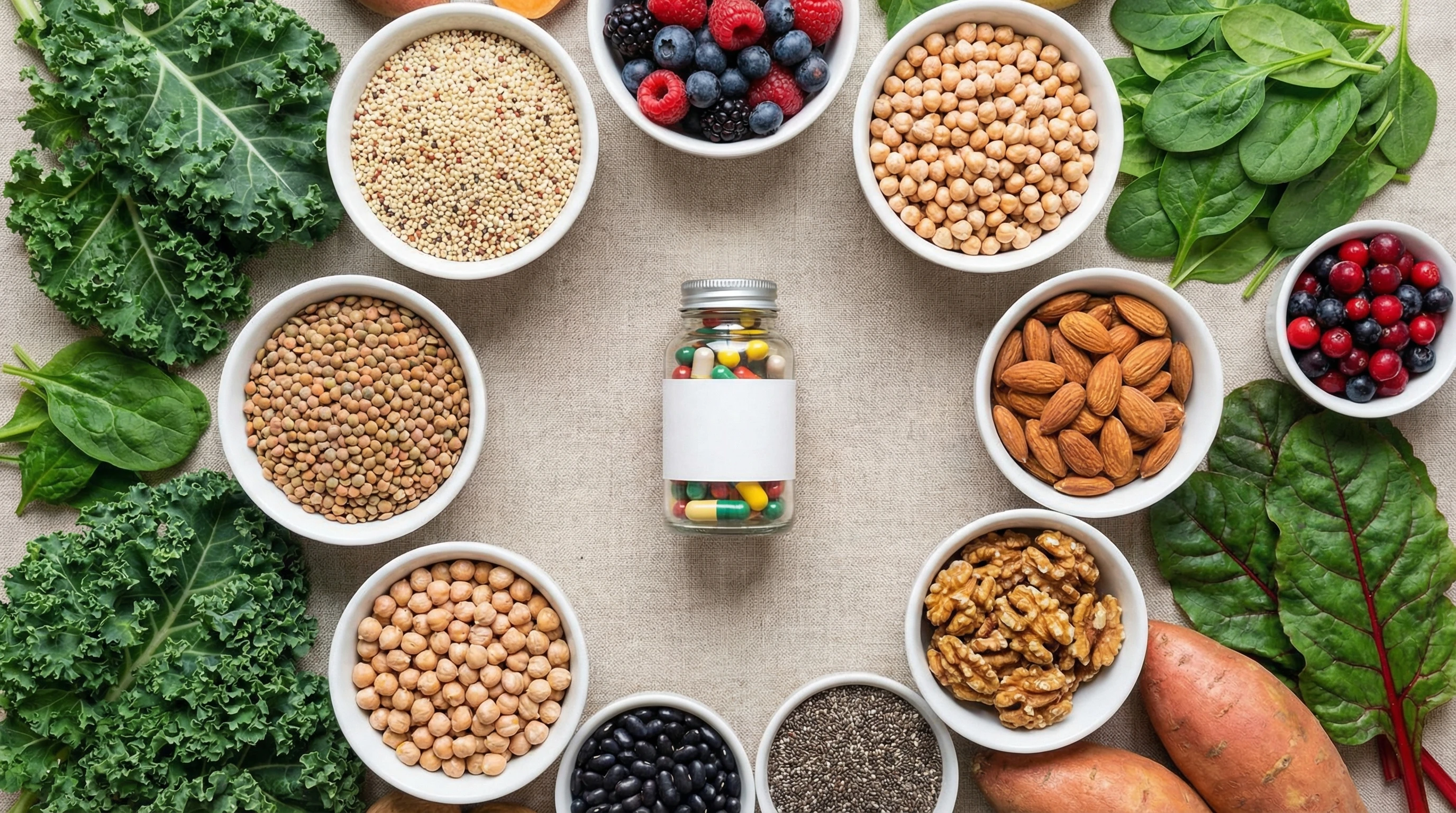
That’s why plantbased foods alone don’t provide what I need, unless they’ve been fortified.
Many people believe they get all their nutrients from eating a wide variety of whole plant foods.
While this is true for most vitamins and minerals, B12 is the exception.
Without enough B12, I run the risk of becoming deficient, which can have really uncomfortable and even serious effects on my health.
Who Needs to Watch Their B12 Intake?
I’ve learned that anyone eating a mostly or entirely plantbased diet needs to pay close attention to B12.
I also know that people over the age of 50 and anyone with certain digestive conditions or who’s had gastric surgery could be at risk, too.
Still, vegans and even vegetarians have a higher risk of not meeting daily B12 needs without supplements or fortified foods.
Symptoms of B12 deficiency often creep up slowly, so I might not realize I’m short on it until I’m quite low.
Some signs I look for include tiredness, weakness, numbness or tingling in hands and feet, memory trouble, and issues with balance.
If I ignore these, the consequences can get pretty severe, impacting my nerves and even leading to anemia or cognitive problems.
Understanding How Much B12 I Need
Experts, such as the National Institutes of Health, recommend that most adults get about 2.4 micrograms (mcg) of B12 each day.
Pregnant and breastfeeding people need a bit more for themselves and their babies.
The tricky part for someone on a plantbased diet is meeting these needs through food alone.
Fortified food and supplements are the main options for me and others who don’t eat animal products.
Fortified means vitamins are added to foods like plant milks, breakfast cereals, or nutritional yeast.
The body absorbs B12 from supplements or fortified food just as well, and for some people, better than from animal sources.
I like to doublecheck servings and nutrition labels, since amounts can vary a lot from brand to brand.
- Adults (19+): 2.4 mcg per day
- Pregnant people: 2.6 mcg per day
- Breastfeeding people: 2.8 mcg per day
Some research points out that as we age, our stomach’s ability to absorb B12 declines, so people over 50 may benefit from taking B12 supplements regardless of their eating habits.
If you fall into that age group, or have a medical condition affecting absorption, a supplement is a smart move.
Beyond fortified foods and supplements, regular checkups with a healthcare provider can also help catch any early signs of deficiency before bigger health concerns show up.
Common Challenges I Face Getting Enough B12
Getting enough B12 can feel like a puzzle when you’re used to plantbased foods.
Here are some common issues I run into and how I work through them:
- Natural Sources Are Limited: Plants don’t make or store B12, so unfortified plant foods like fruits, veggies, grains, nuts, and seeds provide next to none. Edible seaweeds, mushrooms, or fermented foods may contain tiny or inactive forms, but these aren’t reliable sources.
- Absorption Can Vary: My stomach needs to produce enough acid and intrinsic factor, a type of protein, to help my body absorb B12. Issues like aging or GI health problems can interfere, so I try to be aware of any digestive changes as I get older or if I take certain medications, such as proton pump inhibitors or metformin.
- Supplements and Fortified Foods Get Forgotten: It’s easy to underestimate how much fortified food or supplements I need. If I go a few days or weeks without them, my levels can drop. It takes years to fully deplete the stores in my body, but I prefer to be consistent instead of playing catchup later.
Natural Food Sources vs. Fortified Foods
Since I don’t get enough B12 from plants, my best approach is to either eat foods that have B12 added to them or take a supplement.
Common fortified foods include:
- B12fortified nutritional yeast (often sprinkled on pasta or salads for cheesy flavor)
- B12fortified plantbased drinks (soy, oat, almond, rice milk)
- B12fortified cereals and meat substitutes
When I rely on supplements, I usually go for B12 tablets, sprays, or drops.
The most common forms in supplements are cyanocobalamin and methylcobalamin.
Both work, though cyanocobalamin is more widely used and stable.
Absorption rates in supplements can be low, so I like to take a bit more than my minimum daily need, according to what registered dietitians suggest.
To make sure I am covered, especially if I have any absorption challenges, I don’t hesitate to discuss my dosage and form with a professional.
Tips for Keeping Up with B12 on a PlantBased Diet
Building habits is what helps me avoid deficiency.
Here are a few strategies that work for me:
- Plan Regularly: I check my main meals for fortified foods or reminders to take my supplement. Making it a routine keeps things on track.
- Read Labels: Before I buy plant milks, breakfast bars, or cereals, I look for B12 on the nutrition label. Not all products are fortified, so this step is really important.
- Consistent Supplement Use: A daily supplement containing between 25-100 mcg, or a weekly highdose supplement (like 2,000 mcg), is a common regimen for many plantbased eaters. Research from the Vegan Society supports this as a simple, reliable solution.
- Monitoring My Health: Annual blood tests for B12 and related markers (like methylmalonic acid or homocysteine) can catch issues early. If something feels off, such as tiredness, low mood, or trouble concentrating, I mention it to my doctor and check my intake.
For extra peace of mind, I set alerts on my phone for supplement reminders and keep a log of my fortified food intake every once in a while.
That way, I don’t have to rely just on memory.
If you have a busy schedule or often eat on the go, prepping a list of foods and snacks with B12 in advance can save you from scrambling later.
Uses and Benefits of Proper B12 Nutrition
I’ve noticed some major perks since paying attention to B12.
When my levels are solid, I feel more energetic and focused.
I’m able to avoid the stress of worrying about my nerves or memory slipping.
Plus, I know my body can make healthy red blood cells that deliver oxygen where it’s needed most.
- Energy and Mood: When B12 is in check, I feel less drained and more motivated to stay active and social.
- Brain Function: Proper levels help keep my memory sharp and support overall brain health, especially as I get older. Cognitive sharpness is important for both daily tasks and longterm mental wellness.
- Reduced Risk of Anemia: B12 keeps my red blood cell production healthy, preventing fatigue and weakness caused by low red cell counts. Consistent intake helps me avoid the risk of developing anemia and related symptoms.
Good B12 nutrition also supports a strong immune system.
It helps my body use folate efficiently, contributing to better cell production and repair.
Over time, making B12 a priority helps me feel my best and gives me the confidence to maintain a plantbased lifestyle without missing a beat.
Common Questions About B12 on a PlantBased Diet
Here are some questions I came across when I first started focusing on B12:
Question: Can I get enough B12 from fermented foods or seaweed?
Answer:
Some traditional foods, like tempeh, miso, nori, or spirulina, might contain small amounts of B12 like compounds, but they’re not reliable sources for human nutrition.
Research shows that the forms in these foods are often inactive, so I stick to fortified food or supplements.
Question: Should I take a daily or weekly supplement, and how much is safe?
Answer:
Either approach works, as long as I get enough total B12 over time.
A smaller daily dose or a higher weekly dose can both be effective.
Most people do well with 25-100 mcg daily or about 2,000 mcg once a week, with extra needs for older adults or during pregnancy.
Large amounts are safe for most healthy people, since excess B12 is flushed out in urine.
Question: What happens if I go plantbased without supplementing B12?
Answer:
Over time, deficiency can set in, putting me at risk for symptoms like fatigue, nerve tingling, memory problems, and anemia.
This isn’t always easy to spot early, so keeping up with regular intake is the best plan.
How I Make LongTerm B12 Success Part of My Diet
Sticking to regular B12 habits gives me peace of mind on my plantbased adventure. I’ve found that keeping things simple—checking labels, taking a supplement, and keeping my doctor in the loop—helps me avoid pitfalls and enjoy all the benefits of eating more plants.
Plantbased eating comes with a lot of health and environmental benefits, but paying attention to B12 makes sure I don’t miss out on feeling my best every day.
Steady habits, a bit of planning, and a willingness to check in on my nutrition are all it takes to keep B12 on my side for the long haul.