If you’re new to a vegan lifestyle, figuring out what to actually stock your kitchen with can be a little confusing at first.
Building out a wellrounded pantry takes some thoughtful planning, but once you’ve got your staples on hand, whipping up plantbased meals gets way easier and a lot more fun.
I’ll run through the kitchen basics with a vegan pantry essentials checklist that makes daily cooking way less stressful.
Why Stocking a Vegan Pantry Matters
Keeping the right vegan basics at home helps you cook quick, healthy, and satisfying meals without endless grocery runs.
Having staple grains, legumes, and allpurpose seasonings on hand means you’re ready for everything from breakfast scrambles to hearty soups and vibrant noodle bowls.
Creating your pantry isn’t about hoarding loads of stuff; it’s about finding those versatile ingredients you’ll use over and over.
There’s been a steady rise in folks switching to plantbased eating, with vegan food sales and vegan recipes popping up everywhere.
Most plantbased diets are naturally packed with fiber and nutrients, but smart planning, starting with your pantry, makes hitting those nutrition goals much simpler.
The best part? You’ll save time and money in the long run by buying the basics in bigger quantities and planning meals around your stocks.
How To Start Your Vegan Pantry
The basics of vegan pantry stocking start with understanding what kinds of meals you like to eat most.
If you love hearty stews, you’ll want a stash of lentils and canned tomatoes.
If you’re all about quick stirfries, make sure you have rice, noodles, soy sauce, and frozen veggies.
Here’s a quick guide to some common pantry categories and what each offers:
- Grains: Provide energy, make up the heart of lots of meals, and are usually pretty affordable.
- Legumes: Things like beans, lentils, and chickpeas are packed with protein and can stand in for meat.
- Nuts & Seeds: Bring healthy fats, texture, and plantbased protein to the table.
- Canned & Jarred Goods: Soy milk, coconut milk, and canned tomatoes help you make meals fast.
- Herbs, Spices & Condiments: Transform plain ingredients into awesome flavors.
MustHave Vegan Pantry Staples
Stocking up doesn’t have to happen all at once.
I recommend focusing on what you’ll use the most based on your eating style and favorite cuisines.
Here’s the allinone vegan pantry essentials checklist broken down by category.
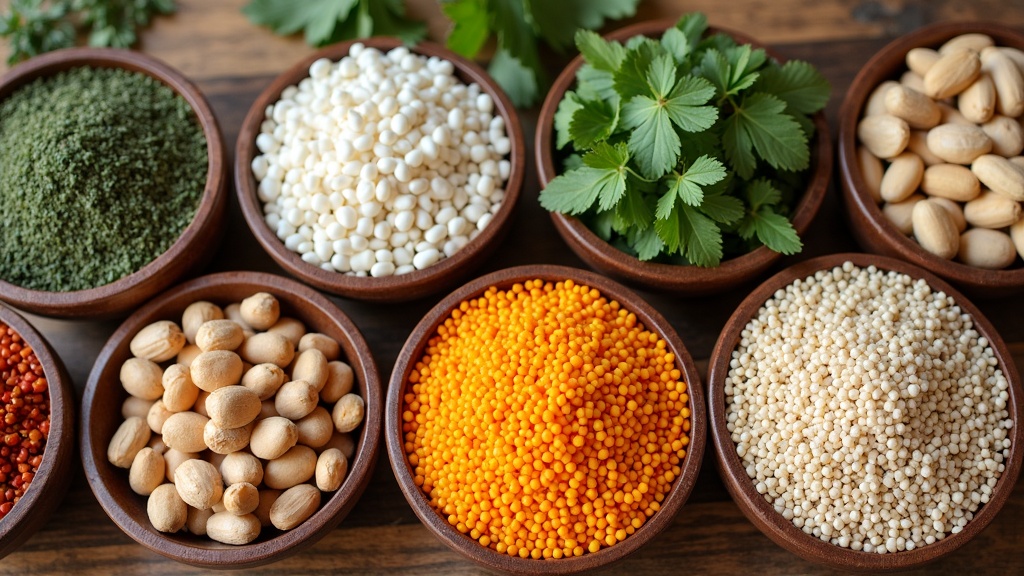
- Grains & Grain Products: Brown rice, white rice, rolled oats, quinoa, bulgur, whole wheat pasta, rice noodles, corn tortillas, and barley.
- Legumes: Canned or dried black beans, pinto beans, chickpeas, kidney beans, red or green lentils, and split peas.
- Nuts & Seeds: Raw almonds, walnuts, cashews, chia seeds, flax seeds, pumpkin seeds, and natural peanut butter or almond butter.
- Canned & Jarred Goods: Coconut milk (for creamy sauces or curries), canned tomatoes, tomato paste, tomato sauce, jarred olives, artichokes, roasted red peppers, unsweetened plant milks (soy, almond, oat), and lowsodium vegetable broth.
- Herbs, Spices & Condiments: Garlic powder, onion powder, cumin, smoked paprika, oregano, thyme, basil, chili powder, cinnamon, turmeric, curry powder, Italian seasoning, soy sauce, tamari, sriracha, hot sauce, nutritional yeast, Dijon mustard, apple cider vinegar, balsamic vinegar, maple syrup, and agave.
- Baking Basics: Allpurpose flour, whole wheat flour, baking powder, baking soda, cocoa powder, vanilla extract, and cornstarch or arrowroot powder (for thickening).
Additionally, it’s handy to keep items like sun dried tomatoes, dried mushrooms, and dried fruit since they can give a flavor and nutrition boost to everything from salads to grain bowls.
Keeping frozen vegetables and fruits also helps make smoothies and brekkie bowls come together in a snap, while ensuring you’ve always got something nutritious on hand.
How To Organize Your Vegan Pantry (And Why It Matters)
A little bit of upfront organization can save you from food waste and wild goose chases through chaosfilled cabinets.
I keep similar foods together and use clear containers for grains, beans, and flours so I can see what’s running low.
Stacking cans, using baskets for snacks, and labeling jars also helps with meal planning.
If you’re short on space, try using the tops of cabinets or sturdy shelves for bulk dry goods.
An organized pantry means fewer duplicate purchases, less food expiring at the back of the shelf, and faster meal prep because you know exactly what you’ve got.
You don’t need fancy matching jars, even upcycled glass jars and old containers work perfectly.
Plus, if everyone in your household knows where to find things, it keeps the kitchen running more smoothly for everyone.
Consider a small whiteboard or notepad to jot down what needs restocking on your next grocery trip.
Common Struggles For New Vegans, and How a Stocked Pantry Helps
- LastMinute Takeout Temptation: When you’re tired or rushed, a stocked pantry lets you put together a meal with minimal stress. Think chickpea salad sandwiches, quick tofu stirfries, and pasta loaded with beans and veggies.
- Protein Questions: Having lentils, beans, nuts, and seeds on hand means you’ve always got easy plant protein sources. No need to overthink or buy expensive vegan “meats.”
- Flavor Boredom: Spices, vinegars, and sauces are key for making veggies exciting. Play around with new blends, using smoked paprika or curry powder to change up basic rice and beans instantly.
It’s also common to run into cravings for familiar comfort foods.
Luckily, using pantry staples like nutritional yeast and spices, you can bring cheesy or savory flavors to your dishes without animal products.
For instance, homemade vegan mac and cheese or a hearty chili can be whipped up quickly using just your core pantry ingredients.
Grains & Legumes: The Heart of Vegan Cooking
Whole grains and legumes are the real MVPs.
They’re affordable, store well, and lay the foundation for filling, comforting meals.
I always have a stash of cooked rice or quinoa in the fridge for quick veggie bowls, along with canned chickpeas for speedy hummus or crunchy roasted snacks.
If you’re new to cooking dried beans, try a slow cooker or pressure cooker to make big batches with low effort.
Canned beans are super convenient, too.
Experiment with mixing up your grain choices.
Sometimes millet, farro, or amaranth bring lovely variety to salads or warm bowls.
For a protein boost, cook grains in vegetable broth and mix in lentils—you’ll have a nutrientrich and filling base for any meal.
Nuts & Seeds: Little Boosts of Goodness
Nuts and seeds work for everything from trail mixes to creamy sauces and crunchy toppings.
If you keep nut butters and ground flaxseed around, you’re set for smoothies, oatmeal, and even vegan baking, since flaxseed “eggs” come together in minutes.
Chia seeds are handy for thickening puddings or making overnight oats more satisfying, while pumpkin seeds can give salads or grain bowls a nutty crunch.
Try tossing a handful of nuts into stirfries, soups, or grain salads to make the meal more satisfying.
Toasting them lightly in a pan helps their flavors pop and adds nextlevel cool texture and taste.
Canned & Jarred Goods: QuickFix Magic
Canned tomatoes, jarred olives, and coconut milk help make fast soups, curries, and pastas happen.
Coconut milk is luscious in curries and even oatmeal.
I often toss in roasted red peppers or artichoke hearts to jazz up salads and sandwiches.
Canned products are also shelfstable and great for emergencies or busy nights.
Keeping a variety of beans and veggies on your shelves means you’re always a few steps away from a hearty meal.
Spices & Condiments: The Flavor Bombs
No vegan pantry is complete without a variety of flavormakers.
Even basic veggies and grains taste new again when you add smokey chipotle powder, nutritional yeast, or a splash of hot sauce.
Nutritional yeast (or “nooch” as a lot of vegans call it) adds a cheesy, umami punch to popcorn, salads, or pasta.
Try mixing different spice blends to give your meals a global twist, like using garam masala for Indianinspired flavors or herbes de Provence for a taste of the Mediterranean.
Don’t forget the power of good vinegar, miso, and quality soy sauce.
They round out sauces, brighten up roasted veggies, and can be combined for easy marinades or dressings.
What to Watch for When Shopping
- Check Labels: Some brands sneak animal products into snacks, sauces, and even canned beans. Watch for things like honey, gelatin, or milk powders. Double check ingredient lists, especially when picking up new products.
- Look For Whole Foods: Choose unprocessed or minimally processed options for better nutrition and longer storage.
- Buy in Bulk When Possible: If you go through a lot of rice or oats, bigger bags tend to offer more bang for your buck. Just store in airtight containers to keep everything fresh.
Shopping at farmers’ markets, local coops, or discount grocers can help you track down unique beans, grains, or spices that bring fresh flavors to your table.
Many stores also have bulk bins, letting you buy just what you need—perfect for trying new things without committing to a giant bag.
Frequently Asked Questions
Here are some questions folks usually ask as they start their vegan pantry adventure:
Do I need fancy specialty items (like vegan cheeses or mock meats) to eat vegan?
Answer:
Not at all.
The bulk of a healthy vegan diet comes from everyday ingredients like beans, veggies, grains, nuts, and seeds.
Storebought vegan cheeses and meats can be fun sometimes, but you don’t need them for delicious meals.
What’s the easiest meal to make from pantry ingredients?
Answer:
My goto is a quick rice and beans bowl with sautéed onions, canned tomatoes, spices, and whatever leafy greens are on hand.
Soups, pastas with jarred sauce, or simple peanut noodle bowls also work well.
How do I store nuts, seeds, and flours so they don’t go bad?
Answer:
I keep nuts and seeds in the fridge or freezer to keep them from turning rancid.
Flours are best stored in airtight containers in a cool, dry place.
Takeaways For Building Your Vegan Pantry
Setting up a vegan pantry is a smart move that supports everyday cooking, spontaneous meals, and healthy eating.
Grains, legumes, nuts, seeds, and a fun mix of spices and sauces are game changers for quick, flavorful vegan food.
Keep it organized, rotate your stash, and try new ingredients now and then to keep things interesting.
With these basics in your kitchen, making plantbased meals can quickly become second nature.
Wrapping up, remember that your vegan pantry doesn’t need to be fancy to be awesome.
A little planning and some curiosity about new flavors are all it takes for plantbased cooking to become not just easy, but exciting.
Whether you’re just starting out or adding to your staples, every addition gets you closer to making plantpowered meals a part of your everyday routine.
That’s such a well-crafted and genuinely practical guide. I like how you didn’t overwhelm new vegans with trendy “must-haves,” but focused instead on real-life staples that make plant-based eating sustainable. Your checklist reads like a friend walking you through their own pantry and approachable, flexible, and encouraging.
What stood out to me most is how you tied flavor, nutrition, and simplicity together. Too many beginner guides skip the “why,” but you showed exactly how each category works to make meals quick and satisfying. It reminds readers that vegan living isn’t about restriction; it’s about creativity and confidence in the kitchen.
If more newcomers started with your pantry roadmap, I think fewer people would give up after the first week. You’ve turned what could feel like a diet overhaul into something completely doable, and even exciting.
— John Monyjok Maluth
This vegan pantry essentials checklist is such a helpful resource for anyone starting out on a plant-based journey! I love how it breaks everything down by category—grains, legumes, nuts, seeds, and spices—making it easy to build a balanced and versatile kitchen. The emphasis on practicality and organization really stands out too; clear containers, labeling, and keeping similar items together are game changers for meal prep and minimizing waste. It’s also great that you included advice on how to adapt your pantry to your personal eating habits, whether you’re into hearty stews or quick stir-fries. The reminder to check labels and buy in bulk is super useful for budget-friendly and mindful shopping. Overall, this post takes the guesswork out of vegan cooking and makes the transition to a plant-based lifestyle feel totally doable—and actually exciting!