Vitamin D is a unique nutrient that functions more like a hormone than a traditional vitamin. It plays a key role in supporting bone health, immune function, and overall wellbeing.
Unlike most nutrients, vitamin D can be produced by the body through exposure to sunlight. This makes it an important consideration in modern lifestyles, where time spent indoors and limited sun exposure can influence vitamin D levels.
Within plant-based nutrition, vitamin D intake is often discussed in relation to both dietary sources and lifestyle factors. While certain foods provide vitamin D, maintaining adequate levels may depend on a combination of sunlight exposure and nutritional choices.
Understanding how vitamin D is produced, where it can be obtained, and how to maintain balanced levels can help individuals following plant-based diets support long-term health.
In this guide, we will explore the role of vitamin D in the body, sources of vitamin D, factors that influence levels, signs that intake may need review, and when supplementation may be considered.
Why Vitamin D Is Important for Bone Health and Immunity
Vitamin D plays an essential role in maintaining bone health by supporting the body’s ability to absorb calcium. Without sufficient vitamin D, calcium cannot be utilised effectively, which may influence bone strength and long-term skeletal health.
This nutrient also contributes to normal immune system function. Vitamin D helps regulate immune responses and supports the body’s ability to respond to everyday environmental challenges.
In addition to bone and immune health, vitamin D is involved in muscle function and overall physical performance. Adequate levels help support normal muscle strength and coordination.
Because vitamin D influences several key systems in the body, maintaining balanced levels is important for overall wellbeing.
For individuals following plant-based diets, understanding how vitamin D is obtained and how lifestyle factors influence its production can help ensure that nutritional needs continue to be met effectively.
Sunlight and Vitamin D Production
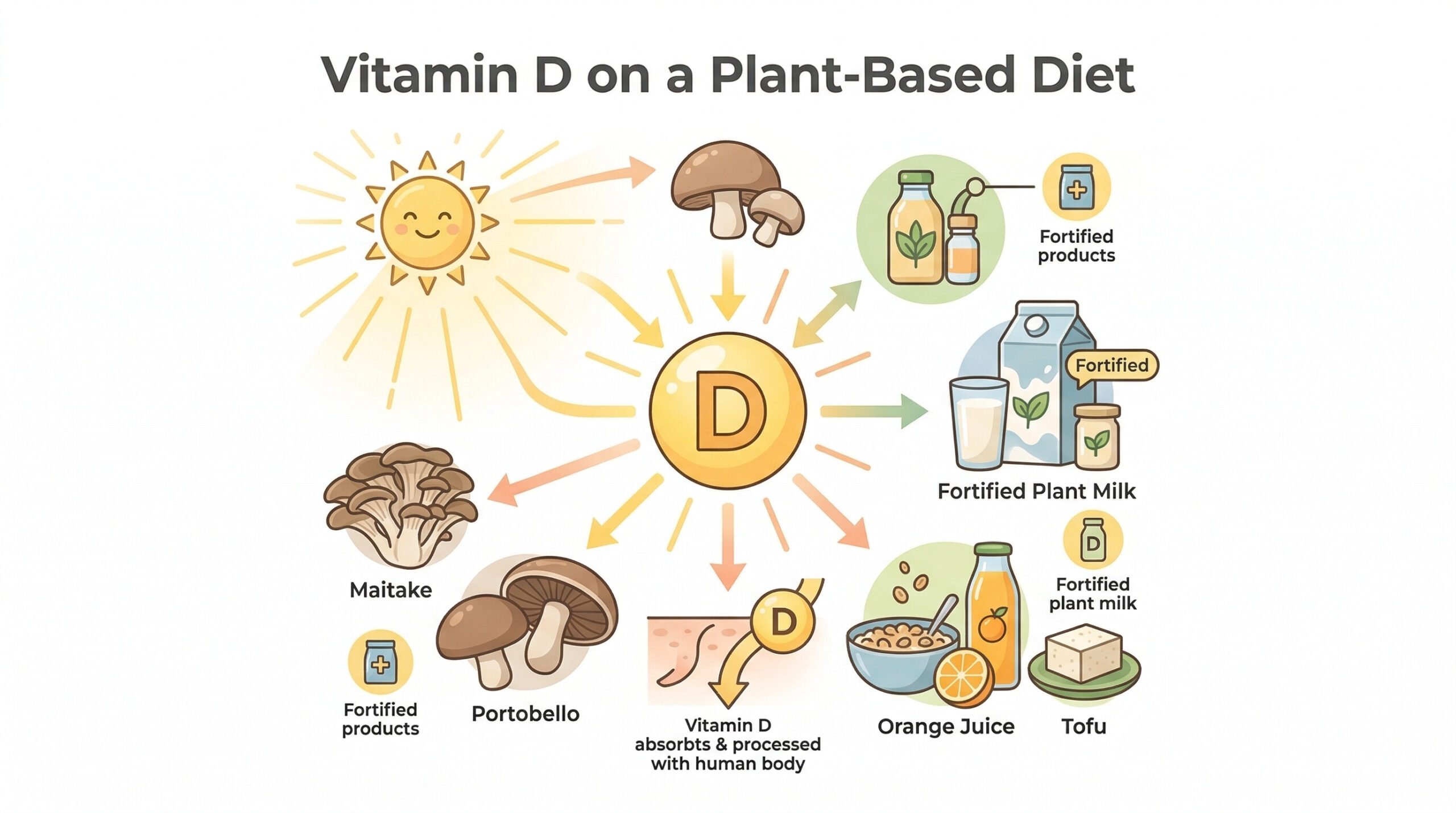
Unlike most nutrients, vitamin D can be produced by the body through exposure to sunlight. When the skin is exposed to ultraviolet B (UVB) rays from sunlight, it initiates a process that allows the body to synthesise vitamin D.
This process makes sunlight one of the primary sources of vitamin D for many individuals. However, the amount of vitamin D produced can vary depending on several factors.
Geographical location plays an important role. Individuals living in regions with limited sunlight, particularly during autumn and winter months, may have reduced opportunities for vitamin D synthesis.
Time spent outdoors, skin exposure, and the use of sunscreen can also influence how much vitamin D is produced. While sun protection is important for skin health, it can reduce the skin’s ability to synthesise vitamin D.
Skin tone is another factor. Individuals with darker skin may require longer exposure to sunlight to produce the same amount of vitamin D compared with those with lighter skin tones.
Because of these variables, sunlight alone may not always provide consistent vitamin D levels, particularly in modern lifestyles where time spent indoors is common.
For individuals following plant-based diets, understanding the relationship between sunlight and vitamin D production helps provide a more complete picture of how this nutrient is maintained.
Plant-Based Sources of Vitamin D
Vitamin D is found in relatively few foods compared with other nutrients, which makes understanding reliable dietary sources particularly important.
Some plant-based foods contain small amounts of vitamin D, although these are often limited. Certain types of mushrooms exposed to ultraviolet light can provide vitamin D2, which contributes to overall intake.
Fortified foods are one of the more consistent dietary sources of vitamin D in plant-based diets. Some plant milks, breakfast cereals, and spreads are fortified with vitamin D, helping to support daily intake.
Because naturally occurring plant-based sources are limited, fortified foods can play an important role in supporting vitamin D levels when included regularly.
It is also helpful to recognise that vitamin D exists in different forms. Vitamin D2 is typically found in plant-based sources, while vitamin D3 is commonly associated with animal-based sources, although plant-based D3 options derived from lichen are also available.
For individuals following plant-based diets, combining dietary sources with appropriate lifestyle factors such as sunlight exposure can help support balanced vitamin D levels.
Factors That Influence Vitamin D Levels
Vitamin D levels can be influenced by a combination of environmental, lifestyle, and dietary factors. Because the body relies on both sunlight exposure and dietary intake, maintaining balanced levels often requires awareness of multiple variables.
Seasonal changes can significantly affect vitamin D production. During autumn and winter months, reduced sunlight exposure may limit the body’s ability to synthesise vitamin D, particularly in regions with less daylight.
Time spent indoors also plays a role. Modern lifestyles often involve extended periods inside, which can reduce opportunities for natural sunlight exposure.
Skin coverage and clothing choices may influence vitamin D production, as less exposed skin can limit the amount of ultraviolet light reaching the body.
Dietary intake is another factor. Because natural plant-based sources of vitamin D are limited, individuals who do not regularly consume fortified foods may have lower dietary intake.
Age and overall health may also affect how efficiently the body produces and utilises vitamin D.
For individuals following plant-based diets, understanding these factors helps support a more consistent approach to maintaining balanced vitamin D levels over time.
Signs You May Need to Review Vitamin D Levels
Vitamin D supports several systems in the body, including bone health, immune function, and muscle performance. Because of these roles, changes in vitamin D levels over time may gradually influence overall wellbeing.
Some individuals may notice symptoms such as low energy levels, reduced muscle strength, or general fatigue. Others may experience changes in mood or find it more difficult to maintain consistent energy throughout the day.
Vitamin D also plays a role in supporting immune function. When levels are lower than optimal, some individuals may notice changes in how their body responds to common environmental challenges.
These signs are not unique to vitamin D status and can be influenced by a range of factors, including overall diet quality, lifestyle habits, and other nutrient considerations.
For this reason, persistent symptoms are best discussed with a qualified healthcare professional who can evaluate dietary patterns and determine whether further testing or nutritional adjustments may be helpful.
For individuals following plant-based diets, periodically reviewing vitamin D intake and lifestyle factors can help ensure that nutritional needs continue to be met effectively.
When Vitamin D Supplementation May Be Considered
Because vitamin D can be influenced by both sunlight exposure and dietary intake, some individuals may choose to consider supplementation to help maintain balanced levels.
Individuals living in regions with limited sunlight, particularly during autumn and winter months, may have reduced opportunities for natural vitamin D production. In these situations, supplementation may provide additional support.
Those who spend most of their time indoors or who have limited sun exposure due to lifestyle or work patterns may also consider reviewing their vitamin D intake.
Plant-based diets can include fortified foods that provide vitamin D, but intake may vary depending on dietary habits. For some individuals, supplementation may help ensure more consistent intake.
Vitamin D supplements are available in different forms, including vitamin D2 and plant-based vitamin D3 derived from lichen. These forms may differ slightly in how they are utilised by the body.
Because individual needs can vary, supplementation decisions are ideally made with guidance from a qualified healthcare professional. This helps ensure that dosage and form are appropriate for personal health needs.
For many individuals following plant-based diets, combining dietary awareness with appropriate lifestyle factors remains the primary approach to maintaining healthy vitamin D levels.
Vitamin D Optimisation Checklist
Maintaining balanced vitamin D levels on a plant-based diet can be supported through a combination of lifestyle awareness and dietary choices.
• Spend time outdoors when possible to support natural vitamin D production through sunlight exposure.
• Be mindful of seasonal changes, particularly during autumn and winter, when sunlight exposure may be reduced.
• Include fortified plant-based foods such as plant milks and cereals that provide vitamin D.
• Review lifestyle habits that may limit sun exposure, such as extended indoor time.
• Consider supplementation where appropriate, particularly during periods of low sunlight exposure.
With awareness of both environmental and dietary factors, plant-based diets can support healthy vitamin D levels and overall wellbeing.
Key Questions About Vitamin D in Plant-Based Diet
Can plant-based diets provide enough vitamin D?
Plant-based diets can include vitamin D through fortified foods such as plant milks, cereals, and spreads. However, because natural plant-based sources are limited, vitamin D levels are often influenced by both diet and sunlight exposure.
Why is sunlight important for vitamin D?
Sunlight allows the body to produce vitamin D through skin exposure to ultraviolet B (UVB) rays. This makes sunlight one of the primary sources of vitamin D, although production can vary depending on location, season, and lifestyle factors.
Do plant-based eaters need vitamin D supplements?
Not necessarily. Some individuals maintain adequate vitamin D levels through a combination of sunlight exposure and fortified foods. However, supplementation may be considered during periods of limited sunlight or when dietary intake is insufficient.
Can vitamin D-related symptoms overlap with other nutrients?
Yes. Symptoms such as fatigue, low energy, or reduced physical performance can sometimes overlap with other nutritional factors, including iron or vitamin B12 status. Reviewing overall diet and nutrient intake can help provide a clearer understanding of potential causes.