Growing vegetables at home can be a genuinely satisfying experience.
Having fresh produce right from my own garden not only makes meals taste better, but gives me the confidence of knowing exactly what I’m eating.
While it’s exciting to see seedlings break through the soil, I’ve learned from experience that it’s pretty easy to make mistakes that stall growth or spoil a crop.
Understanding some of the most common errors helps me avoid frustration and encourages better harvests year after year.
In this article I’m sharing the mistakes I see most often, plus how to steer clear of them so your vegetable garden can thrive.
Getting Started With Vegetable Gardening: Why Errors Happen
When I first started growing vegetables, I thought planting seeds in good soil and giving them some water was all it took.
After a few disappointing seasons, I realized that growing a productive garden requires more than just enthusiasm.
Many beginners (myself included at one point) run into similar pitfalls, often because growing food isn’t quite as straightforward as it seems.
It’s really important to get the basics right.
Most mistakes happen during the planning and early growing stages.
Things like not knowing your climate zone, underestimating space needs, or forgetting to check how much sunlight your garden spot actually gets can create problems before seedlings even have a chance to grow.
Not to mention that soil quality and water issues might crop up without warning, especially if you don’t have established beds yet.
Vegetable gardening saw a big jump in popularity in recent years, with more people wanting to grow their own food for health and sustainability reasons (Source: USDA).
As more of us pick up trowels and seed packets, knowing what to avoid can keep gardening fun and productive.
Common Mistakes When Growing Vegetables
After spending many seasons in the garden, I keep running into several beginner mistakes; some even experienced gardeners make these, especially when trying new plants or growing under different conditions.
Here are some that pop up most often:
- Poor Planning: Planting vegetables without a plan or starting too many at once can lead to confusion and crowding.
- Planting at the Wrong Time: Not all vegetables like the same weather. Sowing seeds too early or too late can reduce yields or wipe out young plants.
- Not Paying Attention to Soil: Poor soil quality or skipping soil prep means plants can’t get enough nutrients or drain properly.
- Overwatering or Underwatering: Giving plants too much or too little water affects roots, leading to stunted growth or rot.
- Ignoring Sunlight Needs: Most vegetables need at least 6 hours of sun each day, but not checking your garden’s actual light patterns limits growth.
- Skipping Pest and Disease Checks: Assuming all will go well without occasional inspections leaves plants open to common threats, sometimes before you even notice.
Key Steps to Avoid the Most Frequent Gardening Mistakes
Looking back on my earlier gardens, I wish I’d paid more attention to a few simple but really important actions.
These steps help create the best possible environment for healthy vegetables.
- Know Your Zone and Season: Take time to find your planting zone and learn each vegetable’s preferred conditions. I use the USDA Plant Hardiness Zone Map for guidance, and I always check the seed packet for timing. This takes a lot of the guesswork out of when to plant and helps set your vegetables up for success from the start.
- Test and Prepare Soil: Healthy soil is the foundation. I test my soil’s pH and add compost every season to boost nutrients and structure. Sometimes I mix in well-rotted manure or use natural amendments like bone meal if needed, which encourages strong root growth and bigger yields.
- Make a Planting Plan: I now sketch out my beds ahead of time, double-checking the mature size of each type. This way, my plants have the room they need and aren’t fighting for sun or nutrients. Drawing a quick diagram helps me rotate crops each year and keep track of what worked best.
- Water Wisely: I water deeply but less often, making sure the soil is damp a few inches down. On hot days, I always check for dryness before adding more. Consistent deep watering encourages strong, deep roots compared to shallow, frequent watering, which often leaves roots vulnerable during dry spells.
- Watch for Problems Early: I walk through my garden every day to catch pests or signs of disease before they spread. This quick check makes controlling issues much easier. Even a five-minute stroll can help you spot chewed leaves, wilting, or odd spots that might appear overnight.
Details on the Big Mistakes and How to Avoid Them
-
Planting Too Early or Too Late
Getting the timing wrong is a fast way to lose a whole bed of seedlings. Warmseason crops like tomatoes and peppers struggle if planted before frost ends, and coolseason veggies bolt or wilt as the weather heats up. I check my average last frost date every spring and keep an eye on the forecast before putting out tender plants. If you’re unsure, local garden centers or extension offices often post planting calendars specific to your region.
-
Overcrowding Plants
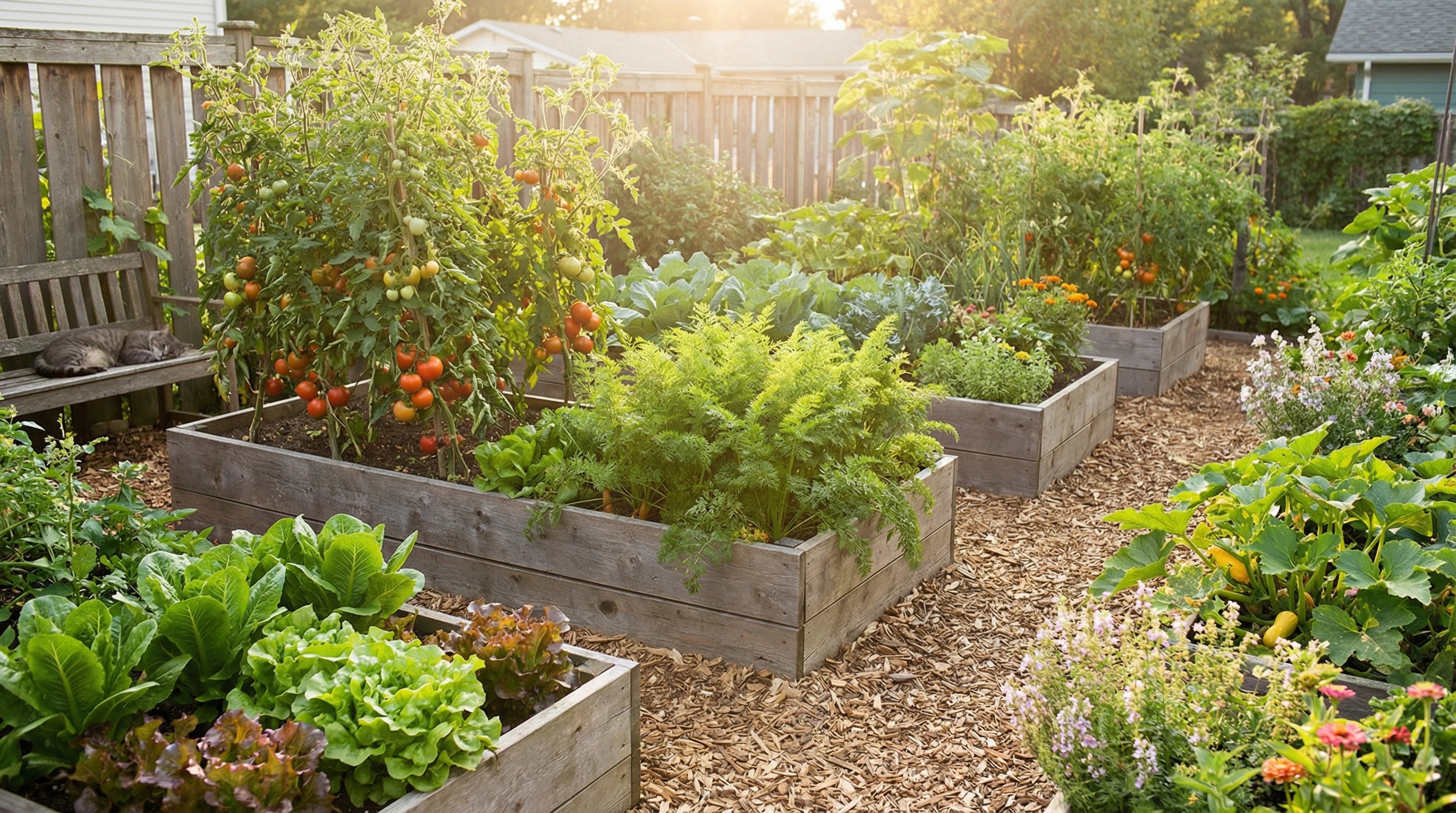
Squeezing too many plants into small spaces seems like a way to maximize harvests, but it always backfires for me. Crowded plants compete for light and nutrients and create a humid environment where disease spreads quickly. I measure recommended spacing and stick to it, even if the beds look sparse at first. If you grow vining crops, let them sprawl or offer sturdy supports so each plant has enough room to breathe and thrive.
-
Neglecting Soil Quality and Fertility
I used to ignore soil tests, figuring compost alone would do the job. Eventually, I noticed my plants growing weak and realized my soil was missing key nutrients. Testing every year helps me spot problems, and regular compost, aged manure, or slowrelease fertilizer covers gaps so my veggies can thrive. Sometimes adding mulch or growing a cover crop in the offseason can improve soil health further and suppress weeds naturally.
-
Watering Mistakes
Early on, I watered whenever I had time or whenever the top of the soil looked dry. Consistency is really important, and deep soaks are better than daily light sprinkles. Most vegetables prefer about 1 inch of water weekly, so I use a rain gauge to track how much moisture my garden actually gets. Try to water in the morning; leaves dry quicker and this lowers the risk of fungal disease.
-
Forgetting Crop Rotation
Growing the same vegetables in the same spot year after year encourages certain pests and strains the soil. Every season, I rotate crops so that leafy greens, root veggies, and fruiting plants cycle through different beds. This keeps the soil healthier and helps avoid common disease and pest problems. Simple charts or notes go a long way in helping me track what goes where from one year to the next.
Extra Tips for a Healthy Vegetable Garden
Once I stopped making early mistakes, I started exploring smaller details that make a garden more successful and a lot easier to manage.
Here are a few habits and tricks that help me grow better:
Mulch:
Adding mulch like straw or shredded leaves reduces weeds, locks in moisture, and keeps soil cooler on hot days.
Mulch also makes pathways less muddy and looks tidy, which is an added bonus.
Label Rows:
It’s really easy to forget what I planted where.
I use weatherproof tags or painted stones to mark rows, so I know what to expect as seeds pop up.
This is especially helpful if you plant multiple varieties that look similar in the early stages.
Support Climbing Varieties:
Beans, peas, and some squashes do much better if they have trellises or cages from the start, which keeps crops cleaner and easier to pick.
Setting up support early saves time and prevents accidental damage later on.
Companion Planting:
Growing certain plants together can reduce pests or improve growth.
For example, I always tuck in some marigolds to help keep aphids off my tomatoes.
Basil near peppers and lettuce near carrots are other interesting combinations to try.
Another hint is to be flexible and keep notes on what works in your own garden.
Some tricks that work for others may need a little tweaking for your local conditions.
Stumbling upon small adjustments makes gardening more rewarding—and your harvests more impressive.
Real-Life Examples and How I Addressed My Gardening Mistakes
I once tried to grow lettuce in a spot that barely got any sunlight.
The plants grew tall but stayed floppy and most never formed proper heads.
After moving the lettuce to a sunnier patch the next season, the results were much better, with crisp, compact leaves in every row.
Another year, I rushed out as soon as the snow melted to plant tomato seedlings, thinking they’d get a head start.
They caught a late cold snap and ended up stunted all summer.
Since then, I’ve learned to exercise patience, waiting until overnight temperatures are reliably above 50°F before transplanting warmweather crops.
I also remember overwatering squash during a rainy spell as a newer gardener.
The plants sat in soggy soil, and root rot set in.
Now I check drainage and only water when the soil a few inches down feels dry, no matter what the surface looks like.
Adjusting for weather, rather than just following a schedule, has saved many crops from a similar fate.
Frequently Asked Questions
I get a lot of questions from other gardeners, especially when things don’t go as planned.
Here are a few I see all the time:
Question: How do I know if my soil is good enough for growing vegetables?
Answer:
Testing is the best way to find out.
Simple home kits measure pH and some nutrients.
If the results are off, mixing in compost or a balanced fertilizer can help.
In some cases, you might want to send a sample to a local extension service for a more detailed report to be sure your soil has everything your crops need.
Question: My seedlings are turning yellow, what’s wrong?
Answer:
Yellow seedlings usually mean they’re not getting enough nutrients or light.
Check your soil, make sure the light is strong, and don’t overwater.
Sometimes a little diluted organic fertilizer can perk them up if a nutrient deficiency is likely.
Question: What’s the easiest vegetable for beginners?
Answer:
Radishes, lettuce, and bush beans usually do well with very little effort.
They germinate fast and give you a real confidence boost as you start out.
Try growing these your first season and you’ll be hooked on home gardening in no time.
Final Thoughts on Avoiding Vegetable Gardening Mistakes
Growing vegetables is a learning process, full of challenges and small victories.
By keeping track of common mistakes and taking the time to address them, I now enjoy bigger and healthier harvests each year.
There’s always more to learn, but experience and attention to detail pay off every season.
Tending my garden with a little extra care and patience has made all the difference—it’s a hobby I’m excited to keep improving, and one I recommend to anyone who wants better food and a sense of accomplishment from their own backyard.
There are bound to be mishaps along the way, but with every season your skills and results will only get better.