
Making a classic Italian plantbased lasagna can be a fun and satisfying way to serve up a crowdpleasing dish that is hearty and full of flavor.
I’ve tried a bunch of different recipes over the years, and I always come back to a simple combination of earthy vegetables, rich tomato sauce, and creamy plantbased béchamel.
Whether you’re cooking for friends, family, or just treating yourself, there are several small details that can make a big difference in your final lasagna.
I’m going to walk you through everything I do to create a delicious, comforting plantbased lasagna that’s true to Italian roots but completely dairy and meat free.
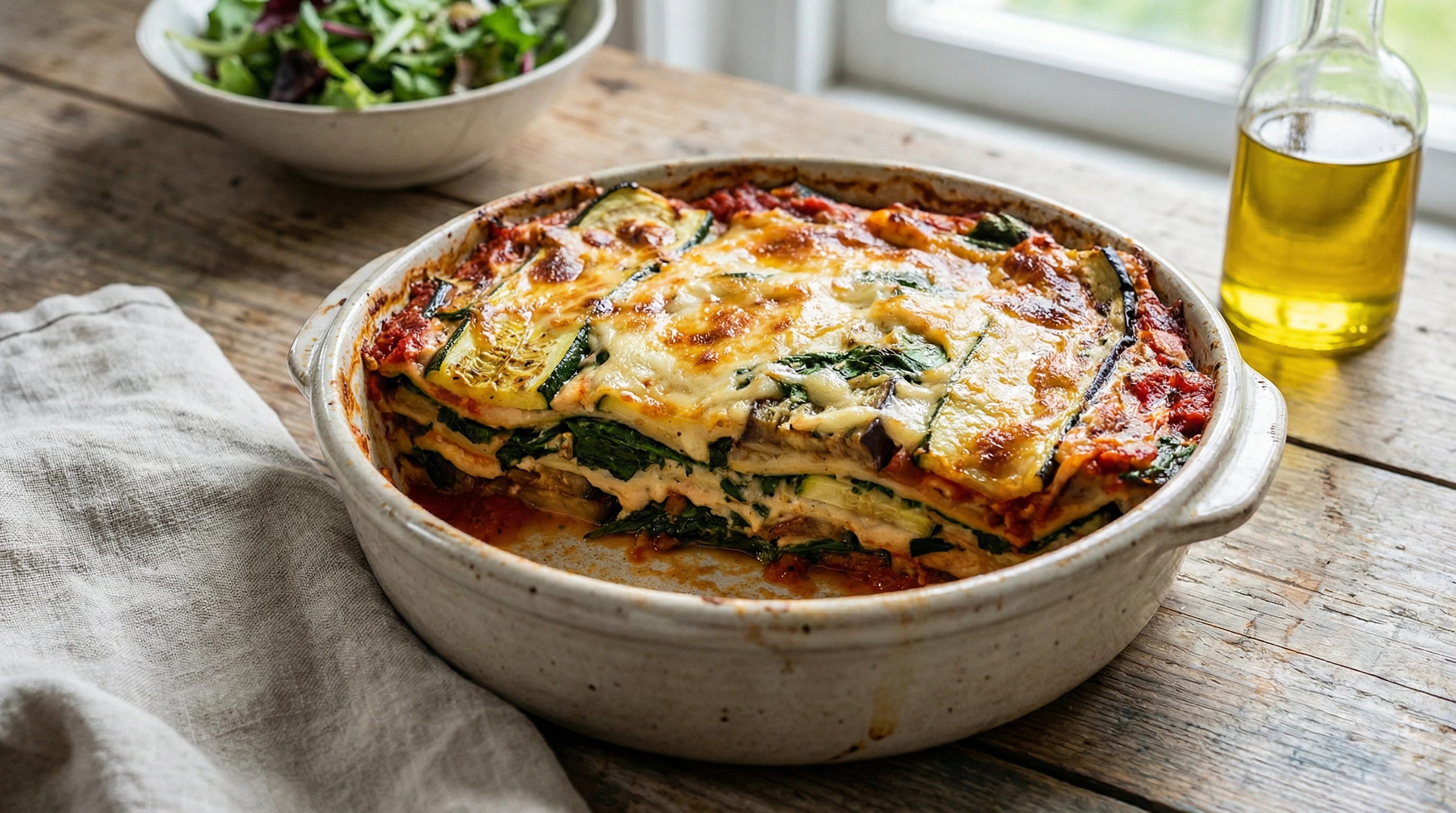
Why PlantBased Lasagna is a Classic Worth Repeating
Lasagna is one of Italy’s most loved baked pasta dishes.
The classic style is known for its layers of noodles, savory fillings, béchamel, and bubbling sauce.
I grew up with the meaty, cheesy version, but a plantbased approach brings its own charm and opens up opportunities to try fresh seasonal vegetables and new flavors.
Vegan lasagna stays true to Italian tradition by highlighting the quality of the ingredients, without relying on animal products.
Opting for a plantbased version also works for many diets, whether it’s for health, ethical, or environmental reasons.
In Italy, vegetablefocused lasagnas, like lasagna alle verdure, are found from north to south and change with the seasons.
When I make a plantbased lasagna, I stick to the things Italians value: great tomato sauce, carefully cooked vegetables, and a creamy element that holds it all together.
Homemade always tastes best, and this version doesn’t require specialty products or hard to track down ingredients.
Gathering Your Key Ingredients
Building a great lasagna starts with good ingredients. I make sure to have these main components:
- Lasagna Noodles: I use dried or fresh pasta that’s labeled egg free. Noboil noodles work, but I prefer boiling regular sheets for a softer, more traditional feel.
- Tomato Sauce: For the base, I simmer crushed tomatoes with garlic, onion, a splash of olive oil, and a bit of basil. Canned tomatoes work just fine, but I try to use San Marzanostyle for better flavor and sweetness.
- Roasted Vegetables: Classic choices include zucchini, eggplant, mushrooms, spinach, and carrots. Roasting brings out their sweetness and depth.
- PlantBased Béchamel: I whip up a white sauce using olive oil, flour, and unsweetened soy or oat milk. A dash of nutmeg adds a classic Italian touch.
- AddOns: When I want a little more heartiness, I’ll toss in lentils, plantbased ricotta, or vegan cheese, but these are totally optional.
Using straightforward, simple ingredients means you’re letting every piece shine, much like a traditional Italian lasagna.
StepbyStep: How I Make Italian PlantBased Lasagna
Making a lasagna can seem complicated, but I break it down into manageable steps to keep things stress free.
- Prep the Vegetables: I slice zucchini, eggplant, and mushrooms thinly and toss them with olive oil, salt, and pepper. Then, I roast them in the oven at 400°F (200°C) for about 2025 minutes until caramelized and soft.
- Make the Tomato Sauce: I saute onions and garlic in olive oil, add crushed tomatoes, and simmer with a pinch of salt and torn fresh basil for at least 20 minutes.
- Prepare the Béchamel: Over medium heat, I cook flour in olive oil for a couple of minutes, then whisk in plant milk a little at a time until it becomes thick but pourable. I season with a bit of salt, white pepper, and nutmeg.
- Cook the Pasta: If I’m using dried noodles, I boil them until just pliable. For noboil noodles, I sometimes add a splash more sauce to keep things soft.
- Layer the Lasagna: I start with a thin layer of sauce at the bottom, followed by noodles, roasted veggies, more sauce, béchamel, and repeat. I make sure to finish with a layer of noodles and a good slathering of both sauces for a golden, creamy top.
- Bake: Covered loosely with foil, I bake at 375°F (190°C) for 2530 minutes, then uncover and bake another 1015 minutes until bubbling and browned at the edges.
- Rest: I let the lasagna cool for 1520 minutes before slicing. This helps it hold together and allows flavors to mingle.
These steps help keep the process smooth, even on a busy evening.
Prepping sauces and veggies ahead makes it much easier, too.
Smart Tips for Great PlantBased Lasagna
Over the years, I’ve picked up some tricks for making a truly satisfying vegan lasagna:
- Roast, Don’t Saute: Roasting vegetables helps concentrate flavor and avoids watery layers. Wet veggies can make lasagna sloppy.
- Choose the Right Noodles: Thinner noodles lead to lighter, taller layers, while thicker ones give a chewy bite. Both work, but I like thin ones for a classic texture.
- Add Fresh Herbs: A sprinkle of fresh basil or parsley before serving really brightens up the finished dish.
- Don’t Overload the Layers: Less is more. I avoid over stuffing with fillings so each layer cooks evenly and it’s easy to serve.
- Resting Time: Waiting before slicing is really important, even if it’s hard! This prevents the lasagna from falling apart and gives you nice, defined layers.
- Make Ahead: I sometimes assemble the whole thing a day early and keep it in the fridge. This lets the flavors settle and makes busy days easier.
Common Hurdles and How I Handle Them
Vegan lasagna is pretty forgiving but there are a couple of challenges newbies tend to hit.
Here’s how I deal with them:
Mushy or Watery Lasagna
When I started, I occasionally ended up with a soggy mess.
Roasting veggies, not oversaucing, and making sure the béchamel isn’t too runny all help keep things firm.
Pasta Sticking Together
When boiling sheets, I stir them a couple of times and lay them out in a single layer with a bit of oil if I’m not layering right away.
Noboil sheets can save time and don’t clump, but always check the package instructions.
Bland Flavors
Salt each element separately, taste your sauces, and don’t be afraid to add a bit of balsamic vinegar to the tomato sauce for depth.
Roasted garlic or a sprinkle of nutritional yeast on top brings out richer flavors.
Extra Ideas to Take It Further
Sometimes, I like to get creative and add protein, swap vegetables, or even play with different sauces.
Here are a few ideas if you feel like experimenting:
- Lentil or Walnut “Meat”: Simmered brown lentils or ground walnuts cooked with Italian herbs can mimic a classic ragu filling.
- Spinach and Tofu “Ricotta”: Blended tofu with lemon, salt, and fresh spinach gives a creamy, tangy, and proteinrich layer.
- Cashew Béchamel: Blending soaked cashews with plant milk, a little garlic, and lemon brings extra richness and smoothness.
- GlutenFree Option: Use glutenfree lasagna sheets and thickeners like cornstarch for béchamel if you want to serve those with gluten allergies.
I find small changes like these make each lasagna feel new and keep things fun in the kitchen.
If you want an extra nutritional boost, stir in chopped kale or shredded carrots to the roasted veggies, or use tomato paste in your sauce to deepen the flavor.
For an even more eye catching top, add a sprinkle of toasted breadcrumbs or seeds before baking.
PlantBased Lasagna in Everyday Life
Lasagna doesn’t need to be a special occasion dish.
I often make a big batch for meal prep and eat leftovers for days; it gets tastier as the flavors blend.
Bringing it to potlucks or serving it at family dinners always gets a warm response, even from nonvegans.
Italian plantbased lasagna is a favorite for holidays and gatherings because it feeds a crowd, holds together well, and can be made ahead.
One thing I really appreciate is how easy it is to vary the ingredients by season.
Spring asparagus and peas, summer zucchini and peppers, fall squash, and winter mushrooms keep things fresh all year long.
Leftover lasagna freezes surprisingly well, making it a goto for busy weeks.
- Meal Prep: I portion out squares for the week’s lunches.
- Family Style: Serve with a crunchy green salad, fresh bread, and your favorite olive oil.
- Sharing: Plantbased lasagna travels well and is always a hit at group events.
If you’re looking to pair it with something, a simple side of roasted tomatoes or garlicky sautéed greens balances the richness.
Try switching up the veggie combos based on what’s available at your local market for even more fun.
Frequently Asked Questions
I get asked these questions all the time when sharing my vegan lasagna recipe:
Question: Can I freeze plantbased lasagna?
Answer:
Yes, I freeze both baked and unbaked lasagna. I wrap it tightly and reheat slices in the oven for best results.
Baking from frozen may take a bit longer than fresh lasagna.
Question: What plant milk works best for béchamel?
Answer:
I use unsweetened soy or oat milk because they have neutral flavors and creamy texture.
Almond milk works in a pinch but I avoid coconut or anything with strong flavors.
Question: Can I make lasagna gluten free?
Answer:
Absolutely.
I use glutenfree noodles and thicken my sauce with cornstarch instead of flour if needed.
Question: How do I stop noodles from sticking?
Answer:
Draining and immediately laying them flat with a splash of oil helps keep things separate.
Using more sauce under and over the noodles helps, too.
Why I Keep Coming Back to PlantBased Lasagna
Italian plantbased lasagna is a favorite in my kitchen because it’s filling, packed with flavor, and easy to share.
I like knowing exactly what goes into my food, and being able to make simple, delicious comfort meals makes cooking at home feel rewarding.
Trying new vegetables and sauces keeps it interesting, and once you get the basics down, making lasagna becomes second nature.
Whether you’re a longtime vegan or just looking for something new to try, this dish brings everyone together at the table.